
Film
The Devil's Doorway
A found-footage horror film set in 1960s Ireland that uses the investigative framework of a Vatican inquiry to explore institutional cruelty disguised as mercy. Atmospheric and genuinely unsettling, it's less about supernatural scares and more about the terror of human systems designed to punish and conceal. For those who find dread more effective than gore.
Should you watch it?
Watch it if you like slow-burn folk horror where the dread comes from institutions, faith and secrets kept behind closed doors rather than from jump scares, and you don't mind a story that asks hard questions about the church.
Skip it if you want a brisk, gore-driven shocker; this one is restrained, talky in places, and its horror builds through atmosphere and unease rather than constant escalation.
What it asks of you: It runs about seventy-six minutes and stays patient, letting scenes breathe and tension accumulate quietly before it turns grim, so give it your full attention from the start.
Not sure? Find tonight's pick in a minute.
If you liked this
Spotlight2015
Methodical investigation into institutional abuse and cover-up, powered by ensemble acting and moral clarity. The slow accumulation of evidence carries more weight than any jump scare ever could.
But It's procedural and measured—there's no catharsis, only the documentation of systemic failure. Some find that emotionally exhausting rather than cathartic.

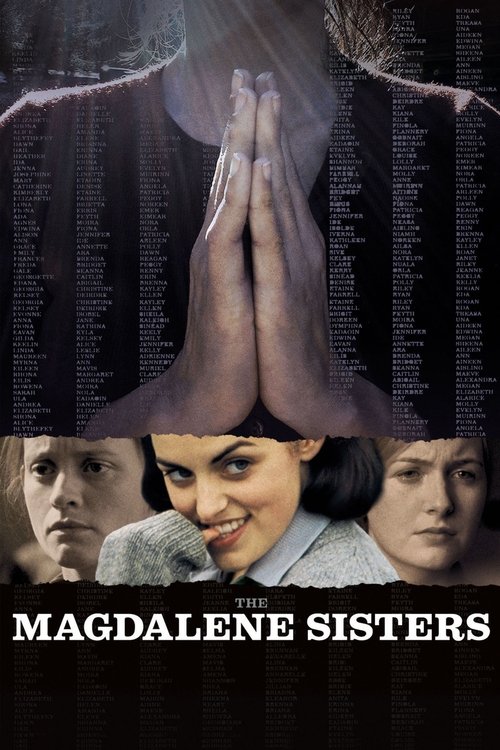
The Magdalene Sisters2002
Directly addresses the Magdalene Laundries in Ireland, the real historical context for this film. Peter Mullan's direction is unflinching about institutional abuse and the Church's role in it.
But The brutality is relentless and unapologetic. There's little lightness, and some scenes of violence against women may be difficult to sit with.
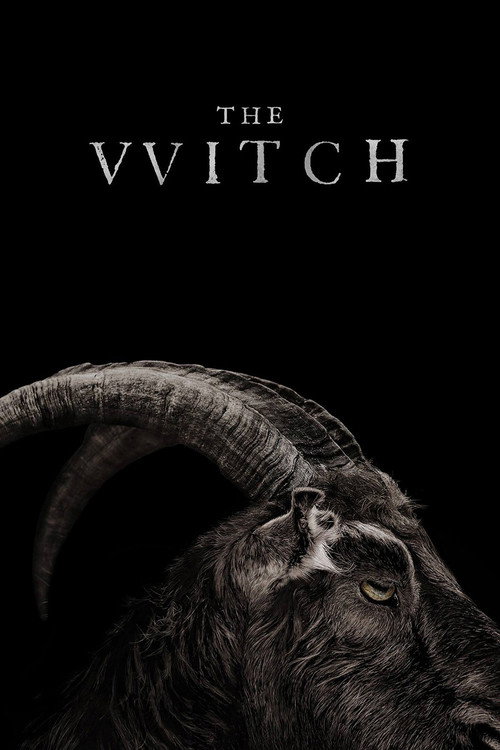
The Witch2016
Period horror that builds dread through atmosphere, dialogue, and slow revelation rather than jump scares. Robert Eggers creates genuine unease about faith, family, and what happens at the margins of society.
But The pacing is deliberately glacial. If you need constant plot momentum or conventional scares, you'll find it frustratingly slow.
Not sure tonight? Get a pick in a minute, starting from The Devil's Doorway
The wildcard
Something you would not have found on your own.
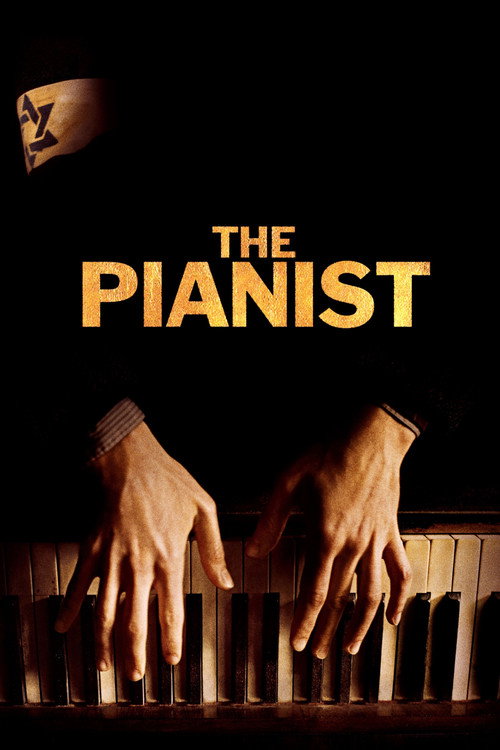
The Pianist2002
Both use investigation and documentation as a way to process institutional atrocity, and both understand that the real horror often lies in bureaucratic, systematic cruelty rather than supernatural malice.
Roman Polanski's film uses found-footage elements and the framework of investigation to document institutional horror on an enormous scale. The quiet moments are often more devastating than the violent ones, and the moral complexity resists easy answers.
But It's a Holocaust film—not entertainment. Emotionally devastating and often difficult to watch. Some find the distance between the investigative frame and the horrors it documents cold rather than profound.
More like this (8)
Mulholland Drive2001
Found-footage elements and an unreliable investigative structure create mounting uncertainty about what's real. David Lynch's control of mood and his willingness to let horror emerge from ambiguity are masterful.
But It's deliberately cryptic and won't offer easy answers. The second half shifts tone dramatically, which some find brilliant and others find alienating.

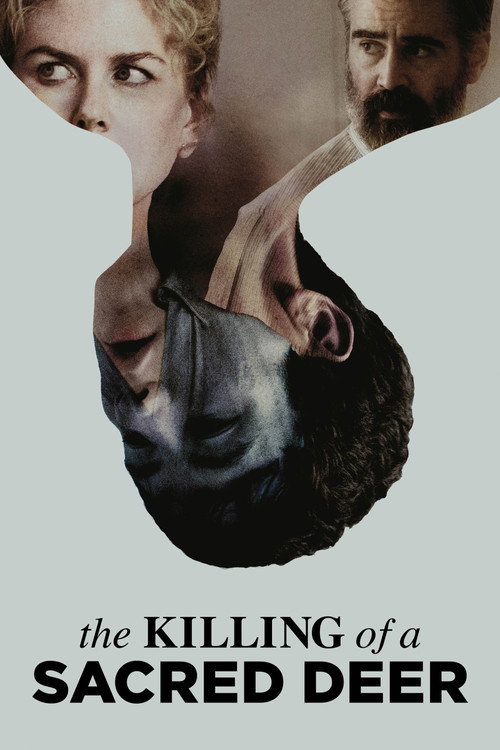
The Killing of a Sacred Deer2017
Yorgos Lanthimos uses slow-burn dread to explore guilt, punishment, and the violation of systems we thought protected us. The tension comes from watching institutions fail and families splinter.
But It's extremely bleak and plays with pacing in ways that feel almost cruel to the viewer. The resolution is disturbing and leaves you with no comfort.
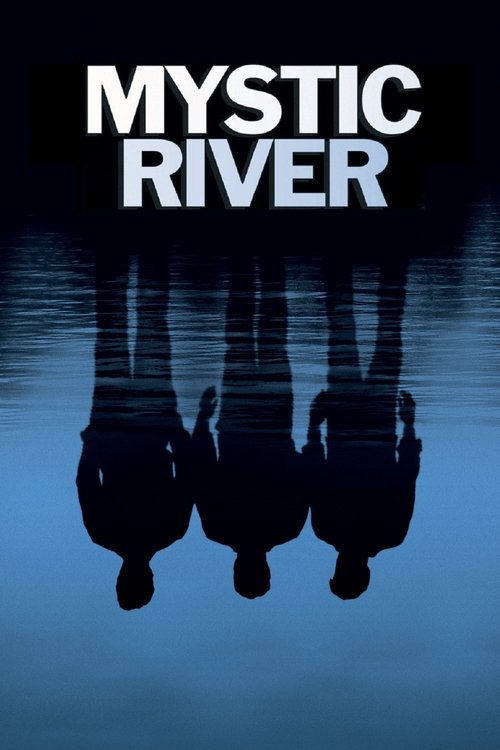
Mystic River2003
Clint Eastwood explores how institutional failures and childhood trauma create ongoing horror in ordinary lives. The investigation structure mirrors the film's emotional archaeology.
But It's long and deliberately heavy. The resolution doesn't feel like justice, which is the point, but some find that unsatisfying.
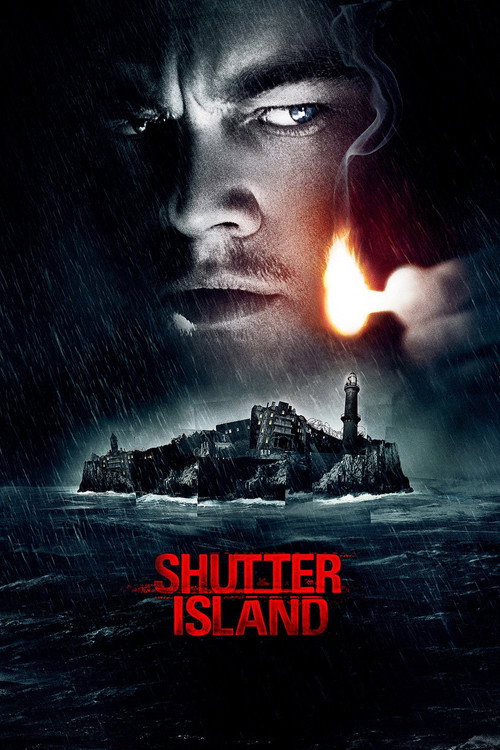
Shutter Island2010
Psychological unraveling set in an institution where nothing is quite as it seems. Leonardo DiCaprio's performance anchors the mounting dread as authority figures become increasingly untrustworthy.
But The twist is divisive—some find it recontextualizes everything beautifully, others feel manipulated. The pacing drags in the middle act.
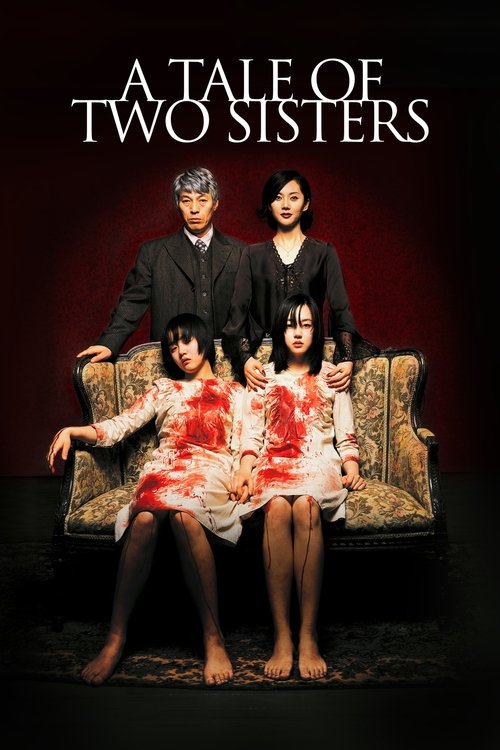
A Tale of Two Sisters2003
Surreal Korean horror that uses institutional decay and family trauma to create something genuinely unsettling. The atmosphere is more unsettling than any plot point.
But It's cryptic and won't explain itself. The editing and narrative structure deliberately disorient, which frustrates viewers seeking clarity.
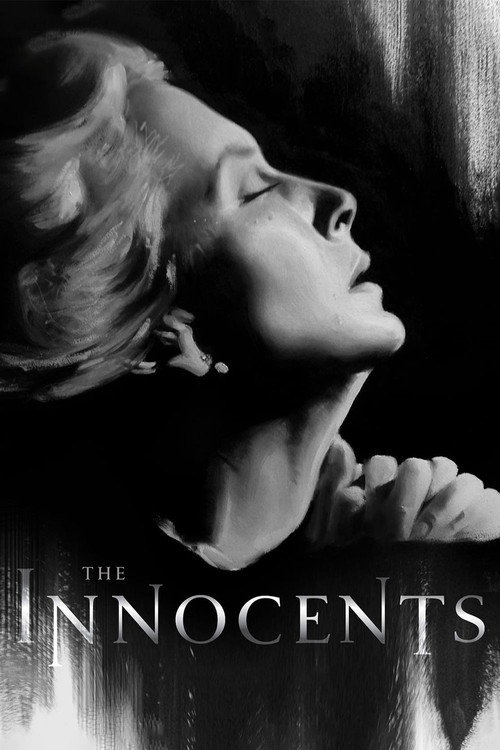
The Innocents1961
Ambiguity about whether supernatural evil or psychological illness is at work mirrors the investigative uncertainty of The Devil's Doorway. Jack Clayton's black-and-white cinematography is beautifully eerie.
But It moves slowly and keeps its mysteries unsolved. Modern viewers expecting definitive answers will find it maddening.
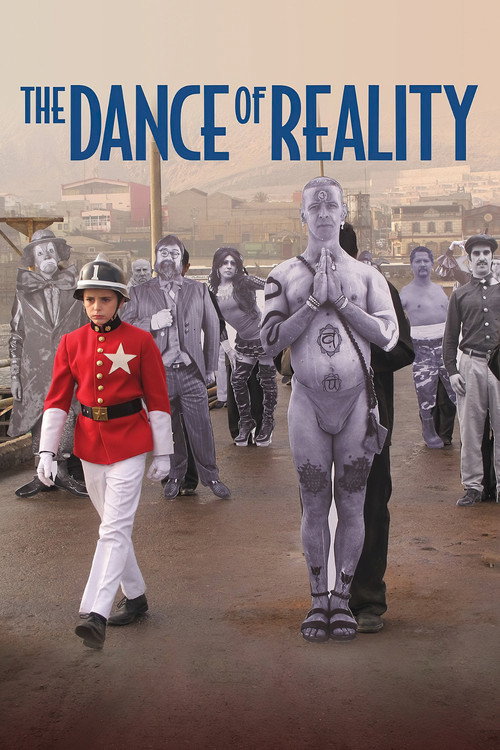
The Dance of Reality2013
Both films use the search for truth as a way to confront how institutions systematize abuse, and both reject straightforward horror in favor of something more philosophically disturbing.
Alejandro Jodorowsky's autobiographical film uses surrealism and family trauma to explore how institutions (family, Church, state) shape children into instruments of suffering. It's visually extraordinary and emotionally raw.
But It's avant-garde and deliberately difficult. Jodorowsky never explains his symbolism, and the narrative logic is dreamlike. It demands patience and won't provide conventional narrative satisfaction.
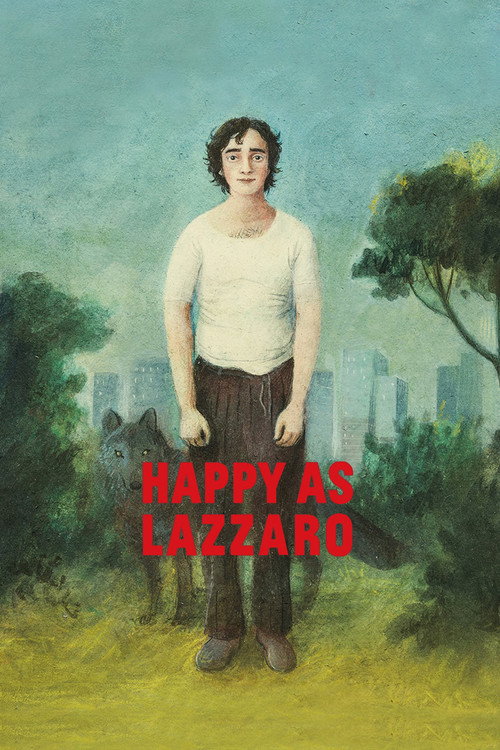
Happy as Lazzaro2018
Both films use religious or quasi-religious frameworks to explore how systems of control exploit the powerless, and both suggest that real horror is the architecture itself, not a supernatural presence within it.
Alice Rohrwacher's Italian film (same year as The Devil's Doorway) explores feudalism, faith, and institutional powerlessness with magical-realist elements. It's visually stunning and emotionally devastating, a story about what happens when systems are designed to keep people trapped.
But It's European art cinema—slow, elliptical, and in Italian. The magical-realist elements may feel tonal, and there's no sense of justice or resolution. It's deliberately melancholic.
People
Cast
 Lalor RoddyFather Thomas Riley
 Ciaran FlynnFather John Thornton
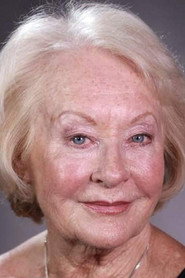 Helena BereenMother Superior
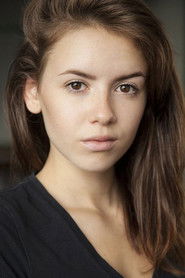 Lauren CoeKathleen O'Brien
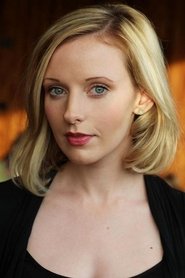 Carleen MelaughSister Maria Louise
- Dearbhail CarrEileen
- Charlie BonnerDoctor Cleary
- Cathy Brennan BradleySister Maria Agnes
- Isaac HeslipGhost Boy 1
- Iona ClarkeGhost Girl
- Maddox GulliverGhost Boy 2
- Daragh MerritNun Body Double
Directing
- Aislinn ClarkeDirector
- Darren FeeFirst Assistant Director
Writing
- Aislinn ClarkeScreenplay
- Martin BrennanScreenplay
- Michael B. JacksonScreenplay
Production
- Kevin JacksonAssociate Producer
- Carla StrongeCasting Director
- Michael HooleyCasting Director
- Aidan ElliottExecutive Producer
- Jeremy BoltExecutive Producer
- Mark HuffamExecutive Producer
- Katy JacksonProducer
- Martin BrennanProducer
- Michael B. JacksonProducer