
Film
The Dance of Reality
- Biopic
- Slow-burning
Alejandro Jodorowsky's autobiographical fever dream of his Chilean childhood, where surrealism bleeds into memory and family trauma becomes visual spectacle. Part excavation, part artistic manifesto, it's hypnotic and strange—deliberately so. For viewers willing to surrender to its logic rather than demand conventional narrative, it's extraordinary. Others will find it impenetrable or self-indulgent.
Should you watch it?
Watch it if you love surreal, operatic autobiography, where a childhood in a harsh desert town becomes a parade of myth, colour and theatrical gesture rather than a tidy memoir.
Skip it if you want a straightforward life story, since this drifts through symbol and staging, and its heightened, self-mythologising style can feel indulgent rather than revealing.
What it asks of you: Two hours and ten minutes of patience for a dreamlike, loosely stitched shape, swinging between stark poverty and vivid fantasy, with images doing the work that plot usually would.
Not sure? Find tonight's pick in a minute.
If you liked this
Memories of Murder2003
Bong Joon-ho's masterpiece about a serial killer investigation becomes a meditation on Korea itself. Visually precise and emotionally devastating, it uses genre to unlock something deeper about memory and national trauma.
But The pacing is deliberately slow, and it doesn't deliver the procedural satisfaction you might expect from a crime film. The ending will frustrate those seeking closure.

Mulholland Drive2001
Lynch fractures Los Angeles into dream and delusion, following actresses through a narrative that keeps collapsing into itself. It's a masterwork about ambition, identity, and the stories we tell ourselves. Utterly hypnotic.
But There's no single 'correct' interpretation. Some view that as profound; others find it evasive. It demands active engagement rather than passive absorption.

Stalker1979
Tarkovsky's sci-fi pilgrimage moves at a meditative crawl through a mysterious zone. It's about desire, faith, and meaning—not plot. Hauntingly beautiful and genuinely philosophical without ever feeling like a lecture.
But It's 163 minutes and almost nothing happens in the conventional sense. If you need external conflict or rapid revelation, this will test your patience severely.

Not sure tonight? Get a pick in a minute, starting from The Dance of Reality
The wildcard
Something you would not have found on your own.
Pather Panchali1955
Both use autobiographical material as a springboard into something larger and stranger. Ray excavates the poetry in poverty; Jodorowsky excavates the surrealism in family wounds. Both resist conventional biography.
Satyajit Ray's debut about a Bengali family's daily struggles seems simple but contains infinite tenderness and observation. It's poetic realism—not theatrical, just life rendered with profound attention and grace. A foundational masterpiece.
But It's slow and plotless by design, shot in grainy black-and-white with minimal music. No character learns a lesson or transforms. It's purely about being present to ordinary experience.

More like this (8)
A Prophet2009
Jacques Audiard's prison drama is a masterclass in transformation and survival. A young man's rise through prison hierarchy becomes unexpectedly mythic. Formally brilliant and deeply human, it never looks away.
But Prison brutality is depicted unflinchingly. The film demands you sit with cruelty and moral compromise without offering easy redemption or catharsis.

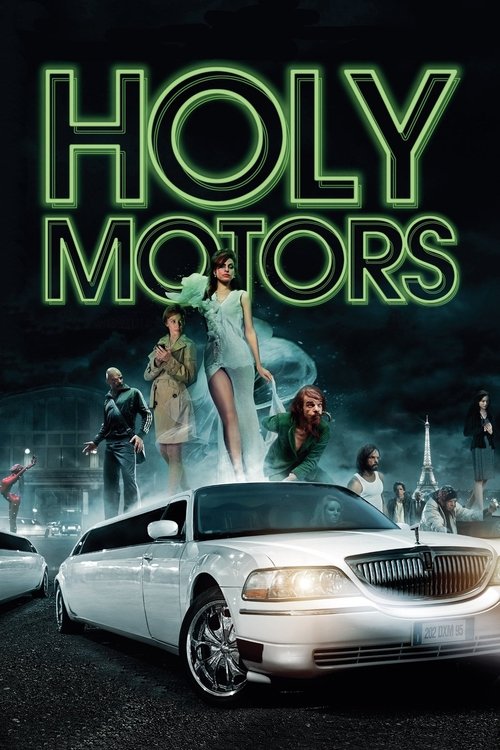
Holy Motors2012
Leos Carax's genre-defying fantasia follows a man in a limousine taking on different lives across Paris. It's playful, profound, and visually dazzling—a celebration of cinema itself and the masks we wear.
But Coherent plot is abandoned almost immediately. If you need narrative logic or thematic clarity, this sprawling, dreamlike film will frustrate you.
Come and See1985
Elem Klimov's WWII film is an apocalyptic descent into the hell of the Eastern Front. Devastating and unforgettable, it transforms war film into something almost spiritual—a confrontation with human cruelty.
But It's brutal and exhausting by design. This isn't entertainment; it's an ordeal. The violence is not exploitative but that doesn't make it easier to witness.

The Turin Horse2011
Béla Tarr's final film is a bleak apocalypse in grayscale—Nietzsche's last days reimagined as an end-times meditation. It's austere and devastating, operating almost like visual poetry about collapse.
But It's relentlessly grim with minimal dialogue and no hope whatsoever. The visual monotony is intentional but taxing. Don't come for entertainment.

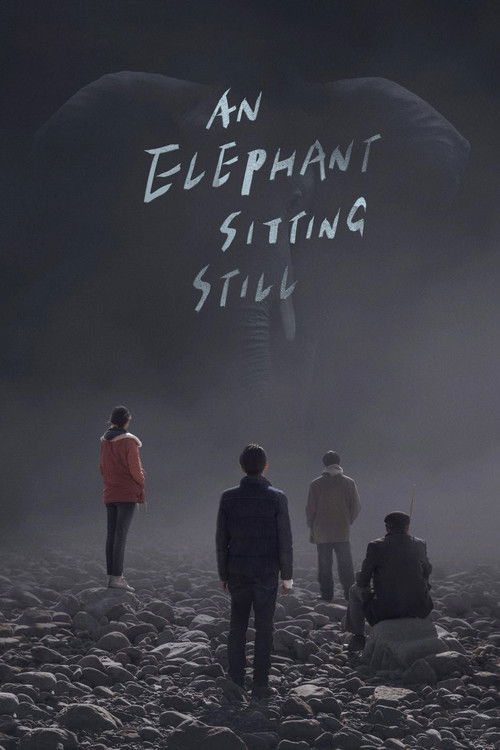
An Elephant Sitting Still2018
Hu Bo's four-hour debut follows interconnected lives in a small Chinese city toward a rumored elephant. It's patient, precise, and achingly human—a portrait of alienation and quiet desperation that accumulates crushing weight.
But At 254 minutes, it moves deliberately and offers no conventional plot relief. Long sequences of characters simply being. The emotional heaviness builds relentlessly.
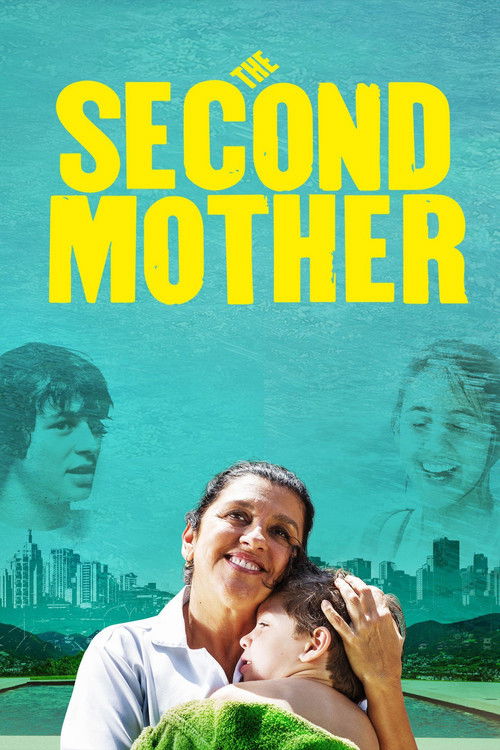
The Second Mother2015
Anna Muylaert's Brazilian drama examines class and family through a housekeeper and her adult son visiting his employer's home. It's funny and pointed without ever becoming didactic—perfectly observed social discomfort.
But The central conflict resolves in ways some find too neat. Also, subtitled Portuguese-language film means active viewing rather than background accompaniment.
Synecdoche, New York2008
Both are artists making films about the impossibility of making films, using their own lives as raw material. Both layer reality and fantasy until the distinction collapses. Both are essentially self-portraits disguised as narratives.
Charlie Kaufman's fever dream collapses art and life, past and present, real and constructed. A theater director's life becomes his play becomes his life. It's formally dizzying but emotionally rooted—about creativity, mortality, and failure to connect.
But The narrative deliberately collapses into confusion, which some experience as profound and others as pretentious self-indulgence. Also 124 minutes of unrelenting existential dread. Joylessness is the point.

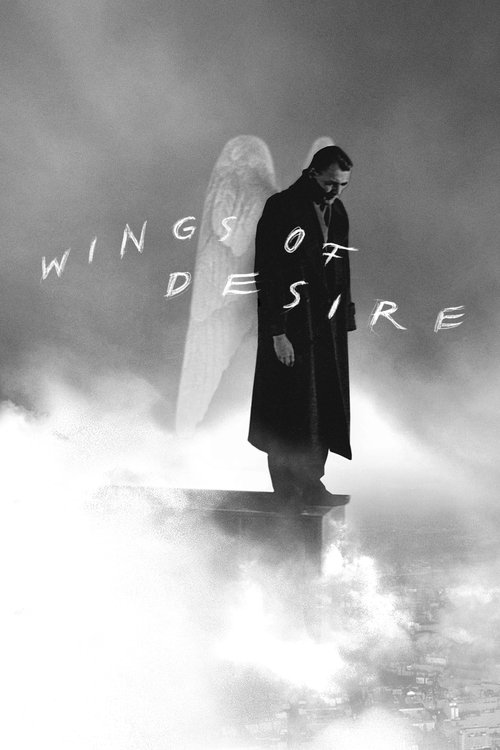
Wings of Desire1987
Both are artist-philosophers mining their own spiritual crises through surrealism and memory. Both treat cinema as an instrument for capturing something invisible—the shape of consciousness itself, the weight of the past, the hunger for meaning that transcends plot.
Wim Wenders' poem to Berlin follows angels observing humanity—past, present, history, desire. Stunningly photographed, it's philosophical and erotic and elegiac all at once. A meditation on what it means to be alive, to love, to remember.
But Nothing 'happens.' It's a tone poem about longing rather than a story with conflict and resolution. The metaphysics may feel pretentious or the pacing glacial depending on your tolerance for lyrical cinema.
People
Cast
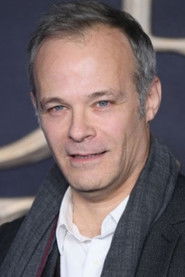 Brontis JodorowskyJaime
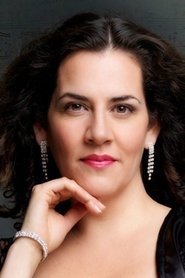 Pamela FloresSara
- Jeremias HerskovitsChild Alejandro
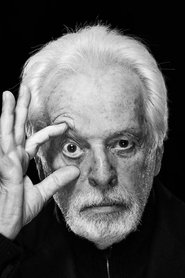 Alejandro JodorowskyOld Alejandro
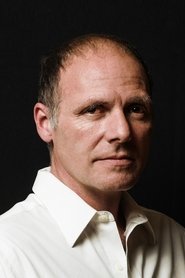 Bastián BodenhöferCarlos Ibañez
- Andrés CoxDon Aquiles
 Adan JodorowskyAnarchist
 Axel JodorowskyTeósofo
- Alizarine DucolombHunchback Woman
- Sergio VargasCarpenter
- Patricio BrambillaPropagandist
 Juan QuezadaEvangelic Pastor
Directing
- María José De la VegaContinuity
- Alejandro JodorowskyDirector
- Cristóbal ValderramaFirst Assistant Director
Writing
- Alejandro JodorowskyWriter
Production
- Roberto MatusCasting Director
- Angela MuñozCasting Producer
- Alejandro JodorowskyProducer
- Michel SeydouxProducer
- Moisés CosíoProducer
- Xavier Guerrero YamamotoProduction Director
Recommended by
The Devil's Doorway, The Brig, The Oregonian, Sweet Hunters, Tusalava