
Film
The Brig
- Prison
- Very dark
- Relentless
Jonas Mekas's 1964 film documents The Living Theatre's stage production of The Brig, a play set in a U.S. Marine brig in Japan. Shot in real time with documentary urgency, it's a visceral, uncompromising look at institutional dehumanization and abuse. Experimental in form but devastating in impact—not entertainment, but witnessing.
If you liked this
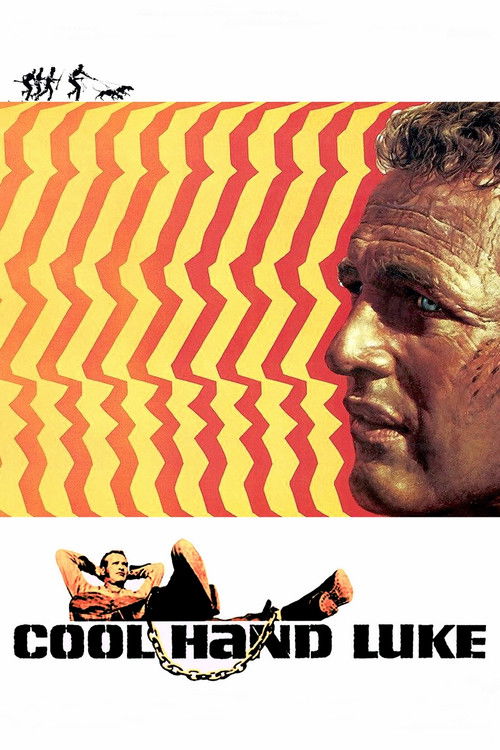
Cool Hand Luke1967
Another brutal portrait of the cage, where a man's refusal to break becomes its own kind of dignity. Paul Newman's iconic role in a system designed to crush individuality mirrors The Brig's moral engine.
But The film's famous chaingang sequences can feel dated, and Newman's charm sometimes softens the brutality in ways The Brig never does.
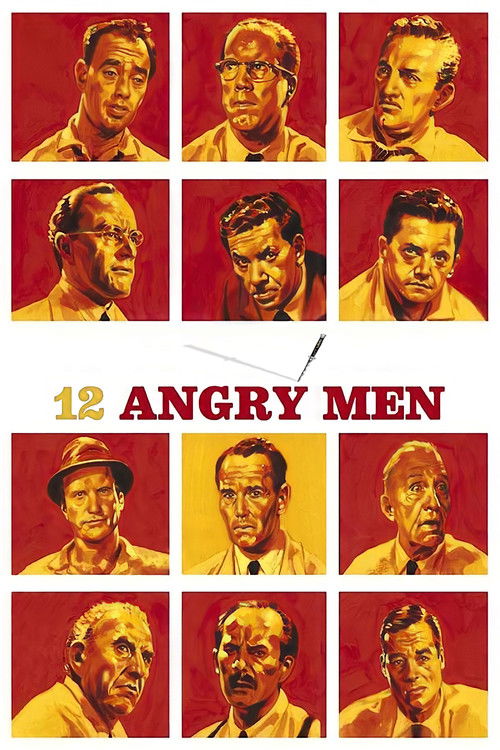
12 Angry Men1957
Reginald Rose's examination of justice and institutional machinery, shot in real time with documentary precision. The intensity comes from language and moral pressure rather than spectacle—same approach as Mekas.
But It's entirely dialogue-driven and takes place in one room. If you want movement or release, you won't find it.
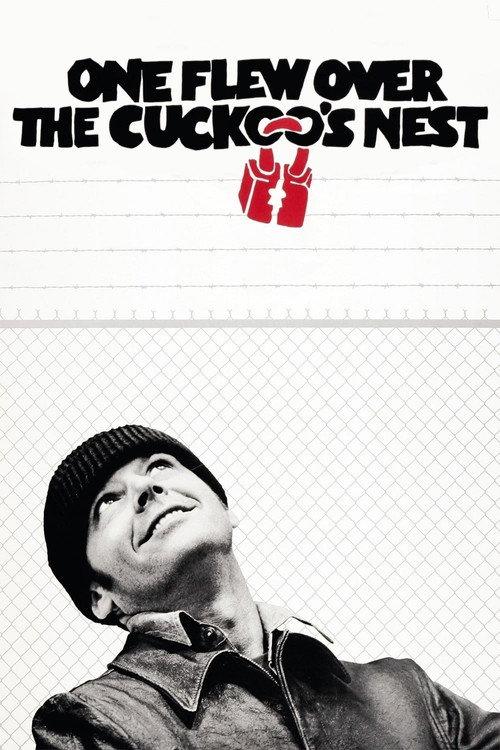
One Flew Over the Cuckoo's Nest1975
Another Milos Forman film about institutions crushing spirits, with Jack Nicholson's rebellion against Nurse Ratched's system. The stakes are clearer here, the humanity more evident—but the dehumanization is just as real.
But The tonal range is wider and sometimes lighter. It's more of a traditional narrative than The Brig's relentless now.
Not sure tonight? Get a pick in a minute, starting from The Brig
The wildcard
Something you would not have found on your own.
Sans Soleil1983
Both are about systems (military, political, historical) that grind away at human consciousness. Marker looks at the machinery of empire across time; Mekas captures it in one day in one room. Different scale, same moral question.
Chris Marker's essay-film about memory, power, and resistance across continents. It's formally radical and morally urgent in ways that echo The Brig's commitment to bearing witness without sentimentality.
But There is no plot. It's a voice-over essay over images, sometimes contradicting what we see. You must surrender to it; resistance will leave you frustrated.

More like this (7)
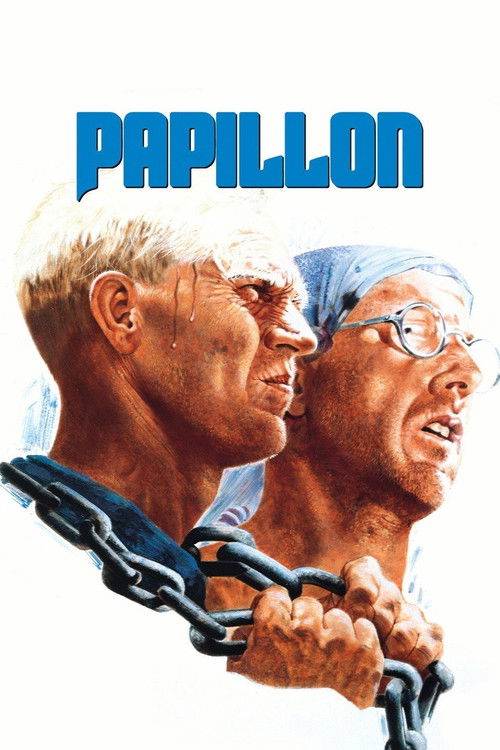
Papillon1973
Steve Reeves and Dustin Hoffman in a nightmare archipelago of prison, torture, and escape. Longer, more elaborate, but built on the same foundation: systems designed to eliminate hope.
But The film is sweeping and almost romantic about survival in ways The Brig refuses to be. You want the suffering to mean something; it does, but it still might not redeem it.
A Prophet2009
Jacques Audiard's masterpiece about a young man's education inside a French prison, shot with precision and moral clarity. It shows how institutions reshape character—not through spectacle, but through accumulated detail.
But It's long and dense. The brutality is quieter than The Brig, which some find harder to process than explicit violence.

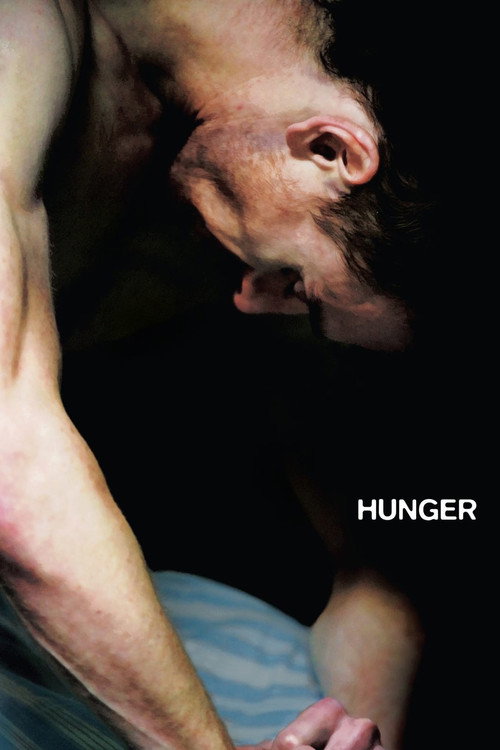
Hunger2008
Steve McQueen's film of Bobby Sands's prison protest, shot with unflinching formality. Long, silent sequences. The body as political statement. Utterly uncompromising about suffering.
But It is genuinely difficult to watch. There is very little relief, and the final sequence is almost unbearable. Not because it's graphic, but because it's true.
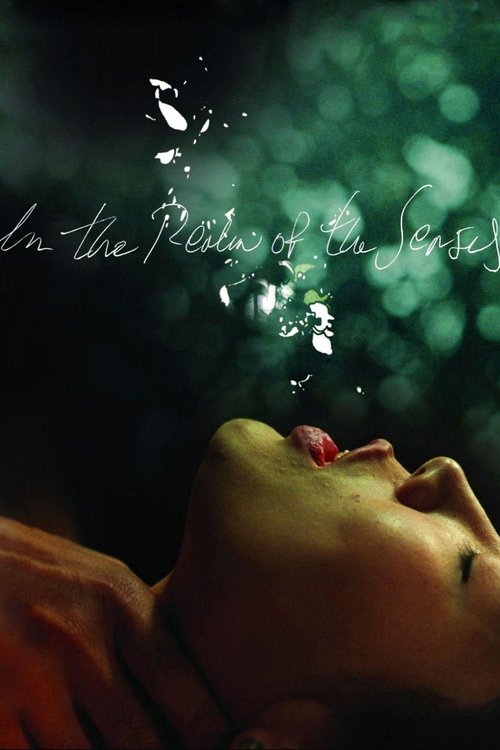
In the Realm of the Senses1976
Nagisa Oshima's film about obsession and control, shot in real time with documentary directness. The same commitment to witnessing without judgment, the same refusal to look away.
But The explicit sexual content is not titillating—it's dehumanizing by design. Many viewers find this harder than The Brig because the context is less obviously political.
Stalker1979
Andrei Tarkovsky's meditation on desire and constraint, where three men move through a mysterious landscape under strict rules. Like The Brig, it's about what institutions and discipline do to consciousness.
But It moves at its own pace, which is glacial. If you want momentum or clarity, you'll be frustrated. The connections to The Brig are structural, not obvious.

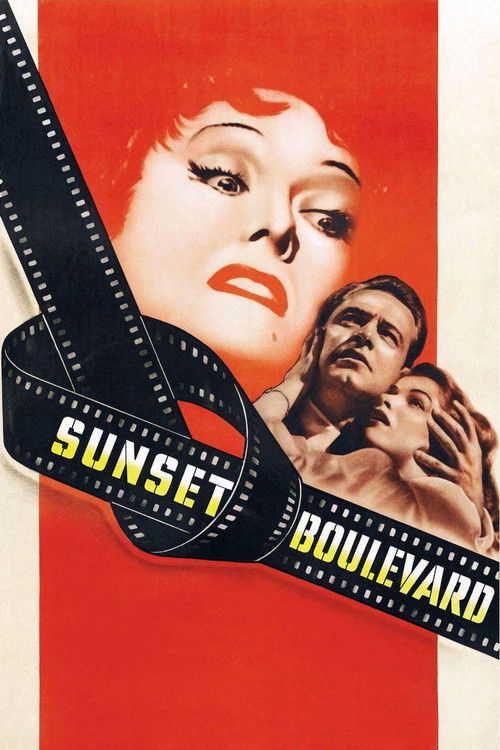
Sunset Boulevard1950
Billy Wilder's film noir about a writer trapped in a decaying mansion by an aging actress. The cage here is invisible and seductive, but it's a cage—a study of how systems (Hollywood, desire, memory) break people.
But It's a different register entirely—sophisticated, noir, darkly funny. If you want the rawness of The Brig, you won't find it here.
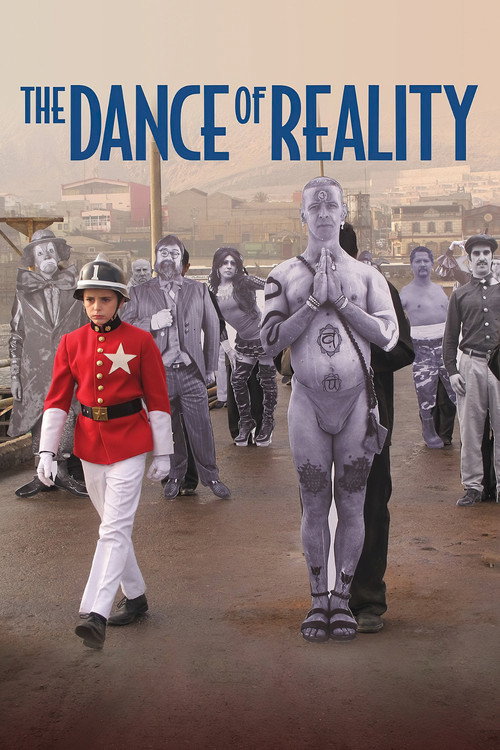
The Dance of Reality2013
Both depict systems of power and obedience destroying humanity. The Brig shows the state's machinery; Jodorowsky shows the family's. Mekas is documentary; Jodorowsky is visionary. Same refusal to soften the view.
Alejandro Jodorowsky's late autobiography, shot in a fever dream about art, family, violence, and the tyranny of the father. Experimental, spiritual, and brutally honest—no less uncompromising than The Brig, but turned inward.
But It is surreal, sometimes incoherent, and deeply personal in ways that can feel inaccessible. The violence is psychological and mythical, not institutional—which some find even harder to sit with.
People
Cast
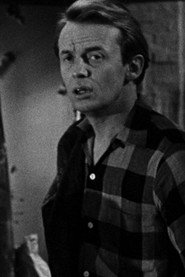 Warren FinnertyLintz
- Henry HowardCpt. Grace
- Tom LilardWarden
- James TiroffPrisoner No.1
- Steven Ben IsraelPrisoner No.2
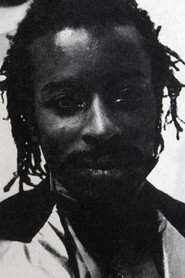 Rufus CollinsPrisoner No.3
- Gene LiptonPrisoner No.4
- Michael EliasPrisoner No.5
- William ShariPrisoner No.6
- Viktor AllenPrisoner No.7
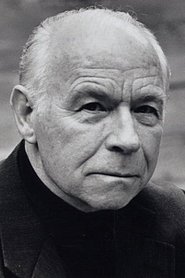 George BartenieffPrisoner No.8
- Gene GordonPrisoner No.9