
Film
Crucible of Terror
- Horror
- Serial killer
- Very dark
A 1972 British horror film about an obsessed sculptor whose dark past catches up with him when visitors arrive at his secluded home. It's a slow-burn psychological thriller that builds dread through atmosphere and twisted relationships rather than gore. For fans of intimate, claustrophobic horror where the real terror lives in what people might do to each other.
Should you watch it?
Watch it if you enjoy slow-burn British horror that builds dread around a sculptor's obsessions and a household tangled in old grudges, rather than relying on jump scares.
Skip it if you want fast pacing or modern polish, since the 1970s staging feels stagey and the middle stretches out before things escalate.
What it asks of you: Expect a sedate, dialogue-heavy build of around ninety minutes, with patience for its theatrical dread and its slow accumulation of resentment before the horror tightens.
Not sure? Find tonight's pick in a minute.
If you liked this
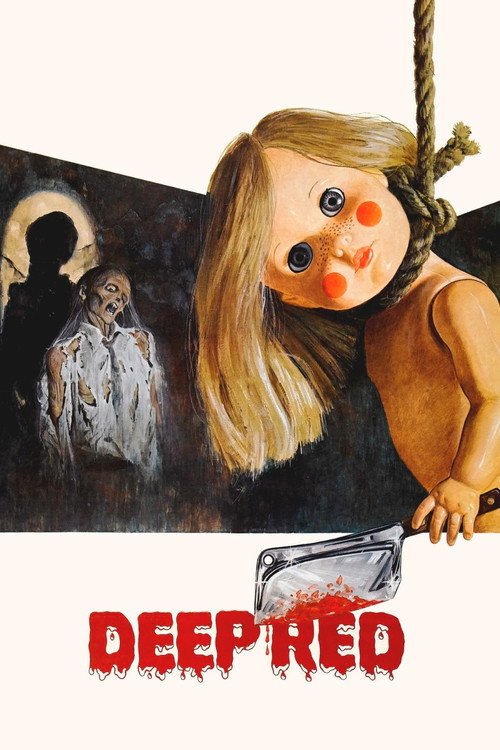
Deep Red1975
Dario Argento's masterpiece of pure visual and sonic dread. Hypnotic, surreal, and genuinely unsettling—a witch's coven revealed through murder and baroque cinematography. Essential viewing for anyone who loves horror that prioritizes mood.
But The plot is deliberately dreamlike and abstract rather than narrative-driven. Wilfully artificial performances and dubbing can feel alienating if you're expecting grounded realism.
The Wailing2016
A Korean mystery-horror that spirals into paranoia and moral ambiguity. Questions of guilt, faith, and whether evil is knowable build to a genuinely haunting conclusion. Rewards close attention and multiple viewings.
But Nearly three hours long and deliberately opaque—it doesn't hand you answers. The violence is sudden and brutal, and the ending will divide you.

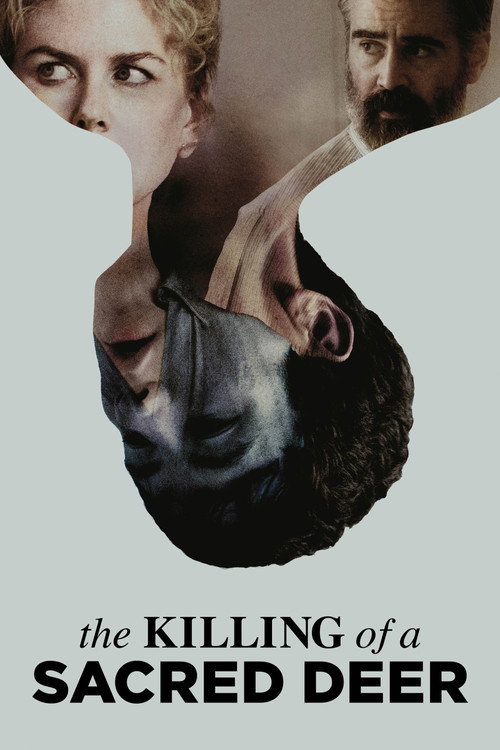
The Killing of a Sacred Deer2017
A surgeon's secret emerges when a mysterious boy insinuates himself into his family. Unsettling, methodical, and fuelled by dread rather than action. Yorgos Lanthimos makes normalcy feel deeply wrong.
But Glacially paced and emotionally cold. The dialogue sounds stilted and strange by design, which some find pretentious rather than effective.
Not sure tonight? Get a pick in a minute, starting from Crucible of Terror
The wildcard
Something you would not have found on your own.
The Ballad of Little Jo1993
Both explore obsession and the cost of building an identity in isolation—the sculptor through his art, Jo through her assumed self. Both are about people willing to kill or destroy to protect what they've created.
A woman disguises herself as a man to survive alone in the American West. It's a quietly radical Western that doubles as a portrait of survival, gender, and the violence required to exist outside society's rules. Maggie Greenwald's direction is unfussy and powerful.
But It's a slow, unglamorous film about isolation and hardship, not adventure. Some will find the gender politics interesting; others will find the pacing glacial.

More like this (8)
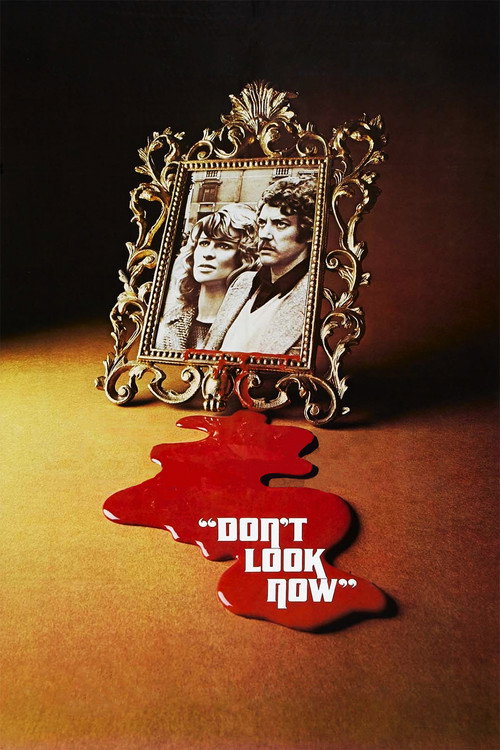
Don't Look Now1973
Nicolas Roeg's masterpiece about grief and obsession in Venice. Gorgeously shot, erotically charged, and genuinely terrifying—the best folk-horror adjacent film ever made. A complete filmmaking triumph.
But The 1970s soft-focus cinematography ages in ways that can feel dated. It's also genuinely disturbing in places, including a scene that will stay with you.
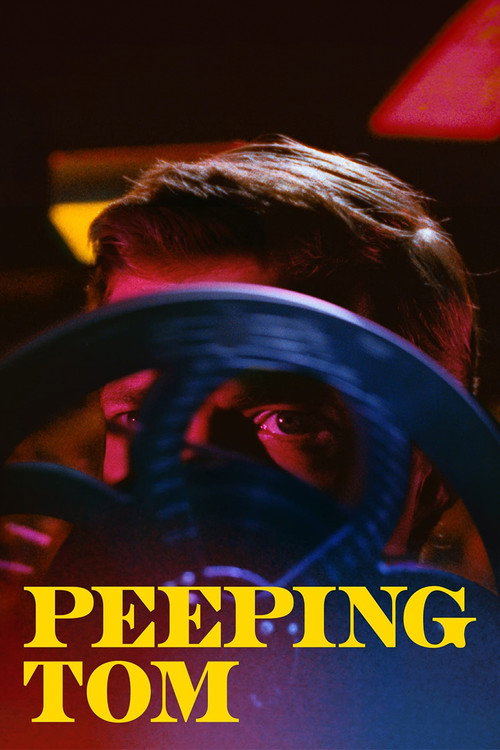
Peeping Tom1960
Michael Powell's controversial, still-shocking film about a murderer who films his victims. It invented the slasher template while asking uncomfortable questions about cinema itself. Darkly, brilliantly perverse.
But It's explicit about murder and sexual violence in ways that scandalized 1960. If you find the concept alone repugnant, no amount of artistry will make it sit right.
Possession1981
Andrzej Żuławski's hallucinatory nightmare about a marriage disintegrating in Cold War Berlin. Isabelle Adjani delivers one of cinema's greatest performances. Surreal, visceral, unforgettable.
But Aggressively weird and emotionally exhausting. The plot is deliberately incoherent, and it moves at a fever pitch that exhausts rather than entertains some viewers.

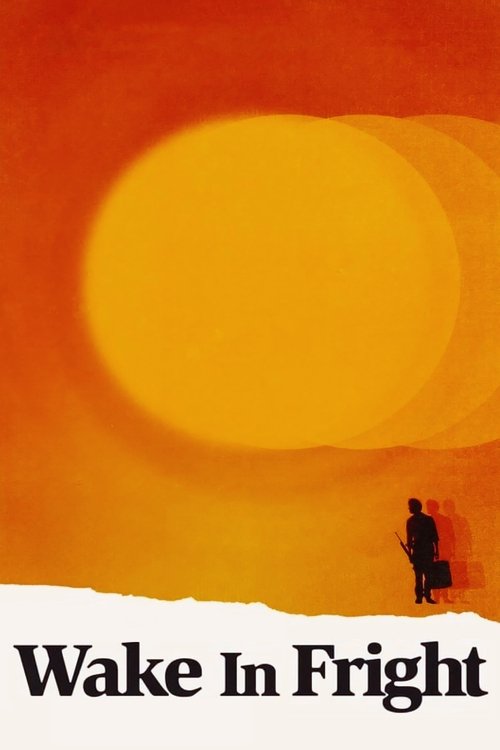
Wake in Fright1971
An Australian outback nightmare where a schoolteacher becomes trapped in a town of brutal, drunken hunters. Claustrophobic, sleazy, and viciously dark. A lost classic that deserves rediscovery.
But Deeply unpleasant and nihilistic in tone. It revels in masculine degradation and violence, which feels deliberate but can feel gratuitous.
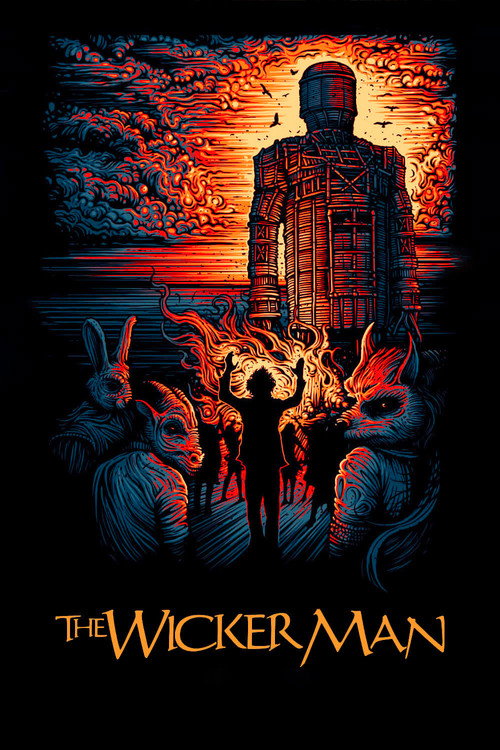
The Wicker Man1973
A police sergeant arrives on a Scottish island to investigate a missing child and stumbles into a pagan nightmare. Folk-horror at its finest: strange, hypnotic, and genuinely ominous. A cult film that earned it.
But The plot hinges on the protagonist being almost stupidly credulous. If you clock the ending early, the film's impact lessens considerably.
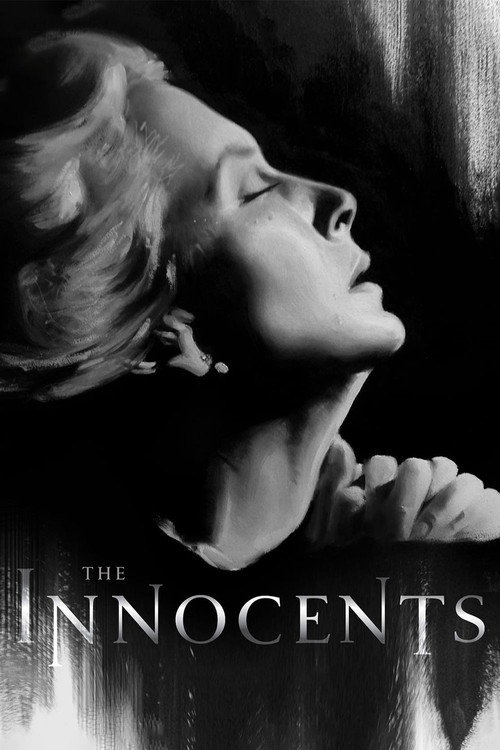
The Innocents1961
Jack Clayton's adaptation of The Turn of the Screw is ambiguous psychological horror—are the ghosts real or is the governess unstable? Beautifully shot in black and white, it builds dread through suggestion rather than spectacle.
But Its power depends on ambiguity, which means it can feel frustratingly elusive. The deliberate pacing will lose viewers expecting conventional scares.
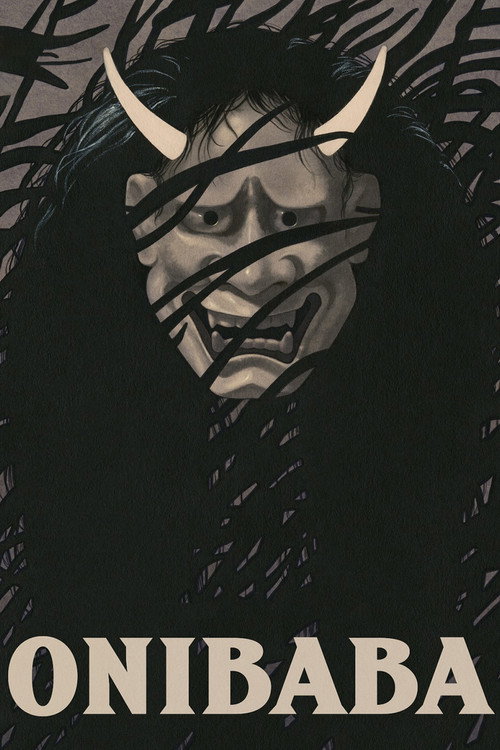
Onibaba1964
Both films use a hidden past and a grotesque physical object (sculpture, mask) as the vehicle for psychological terror. Both are about the body as a site of horror—transformed, weaponised, inescapable.
A Japanese horror set during feudal war: a mother and daughter kill samurai and steal their armor. Stunning black-and-white cinematography, primal eroticism, and a mask that becomes genuinely monstrous. Art-horror that feels visceral and alive.
But Subtitled, in black and white, with a deliberate pace. The sexual content is frank, and the final twist may feel more tragic than horrific.
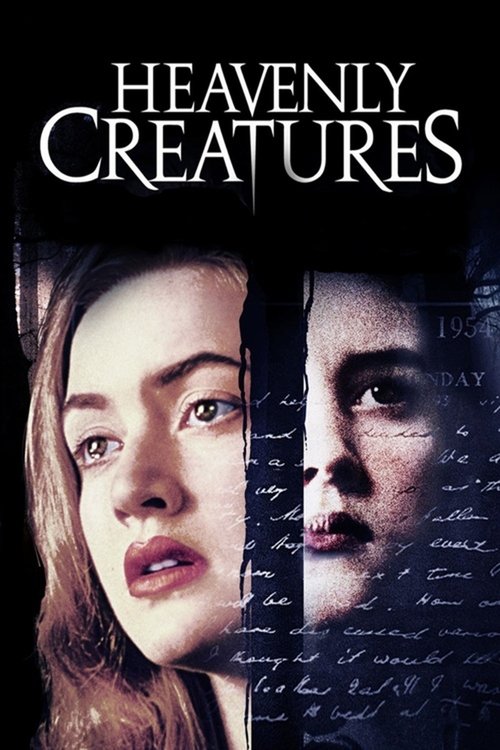
Heavenly Creatures1994
Both examine obsession that becomes murderous, and both are structured around a murder committed in the name of creating something (art, fantasy, a perfect world). Both ask: at what point does devotion become psychosis?
Peter Jackson's film about two New Zealand schoolgirls whose intense friendship curdles into delusion and murder. Visually extravagant, emotionally precise, and genuinely disturbing. A portrait of how love and madness can become indistinguishable.
But Based on a real, recent crime involving minors. The film doesn't shy away from sexuality or violence, and some will find it exploitative regardless of intent.
People
Cast
- Mike RavenVictor Clare
 James BolamJohn Davies
 Mary MaudeMillie
 Ronald LaceyMichael Clare
 Betty AlbergeDorothy Clare
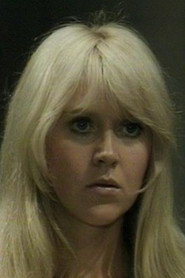 Beth MorrisJane Clare
- Judy MathesonMarcia
 Melissa StriblingJoanna Brent
- Kenneth KeelingGeorge Brent
 Me Me LaiChi-San
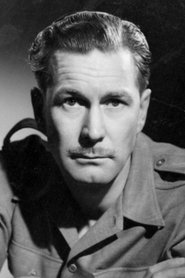 John ArnattBill
Directing
- Ted SturgisAssistant Director
- Ted HookerDirector
Writing
- Ted HookerWriter
- Tom ParkinsonWriter
Production
- Tom ParkinsonProducer
- Ted SturgisProduction Manager