
Television series
Witch Hunt: A Century of Murder
- Crime
- Very dark
Suzannah Lipscomb explores the witch trials that gripped the British Isles across the 16th and 17th centuries, examining how mass hysteria, religious panic, and judicial cruelty combined to execute hundreds of innocent people. It's meticulous historical detective work, bracingly unsentimental about how ordinary communities became complicit in atrocity. For anyone who thought they knew the witch trials, this recalibrates the story entirely.
Should you watch it?
Watch it if you want a historian's patient, source-driven argument about how fear of witchcraft became state-sanctioned killing, rather than dramatic reconstruction, and you're happy to sit with a grim subject long enough to understand it.
Skip it if you want a fast-moving narrative or a wider sweep of European witch-hunts, since this stays on the British Isles and runs at a measured, presenter-led pace.
What it asks of you: Two one-hour episodes, so it's brief and unhurried, with a sober tone that stays with the dead rather than the drama, and it rewards steady attention over channel-surfing.
Not sure? Find tonight's pick in a minute.
If you liked this
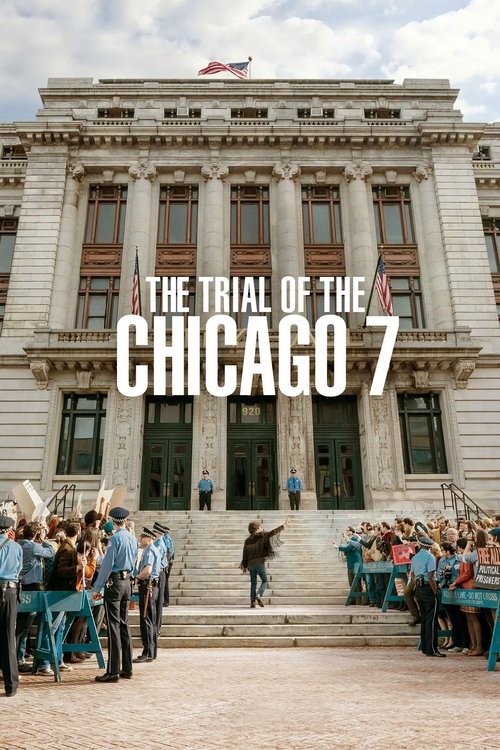
The Trial of the Chicago 72020
Aaron Sorkin dramatises a real 1969 trial with crackling dialogue and moral urgency, showing how power corrupts judicial processes when fear takes hold. The parallels to hysteria-driven prosecution are unmissable.
But Two hours of courtroom scenes and monologues can feel stagey. Some of the drama is Hollywood-smoothed rather than historically precise.
Spotlight2015
A newspaper team methodically uncovers institutional crimes hidden by authority and complicity. It has the same documentary precision and moral weight as Lipscomb's investigation—patient, unglamorous, devastating.
But It's a procedural about reporters doing paperwork. There are no action scenes. If you need momentum, this moves at the speed of real investigation.

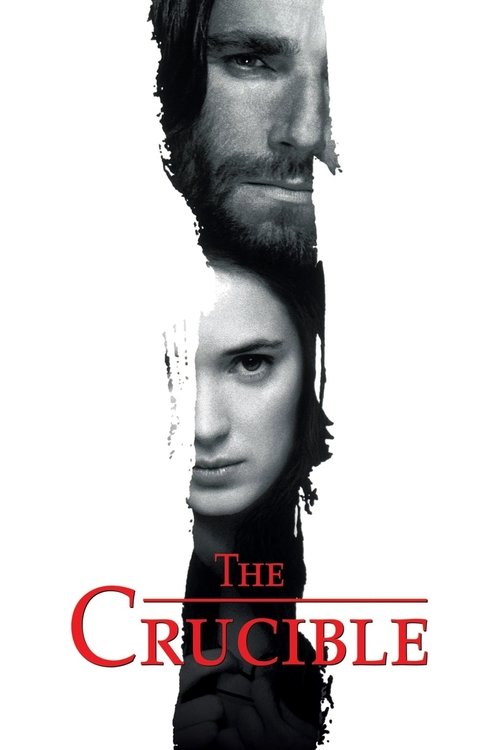
The Crucible1996
Arthur Miller's play adapted directly from the Salem trials, with Daniel Day-Lewis and Winona Ryder. It's the most faithful dramatisation of witch-trial hysteria and the psychology that drives accusation.
But It's quite dialogue-heavy and the pacing is theatrical rather than cinematic. Some find Miller's moralising a bit on-the-nose.
Not sure tonight? Get a pick in a minute, starting from Witch Hunt: A Century of Murder
The wildcard
Something you would not have found on your own.
Under the Skin2014
Both examine how communities turn against the Other when afraid; Glazel shows it from the predator's view, Lipscomb from the accused's. Opposite angles on the same psychological machinery.
Jonathan Glazel's film is structurally incomprehensible until you realise it's about predation hidden beneath civilised surfaces—the same engine as witch trials, just inverted. The alienation you feel watching it mirrors how scapegoating works: you're made the outsider.
But It's oblique, nearly silent, visually abstract, and offers no catharsis. If you need narrative clarity and emotional resolution, you will hate this.

More like this (6)
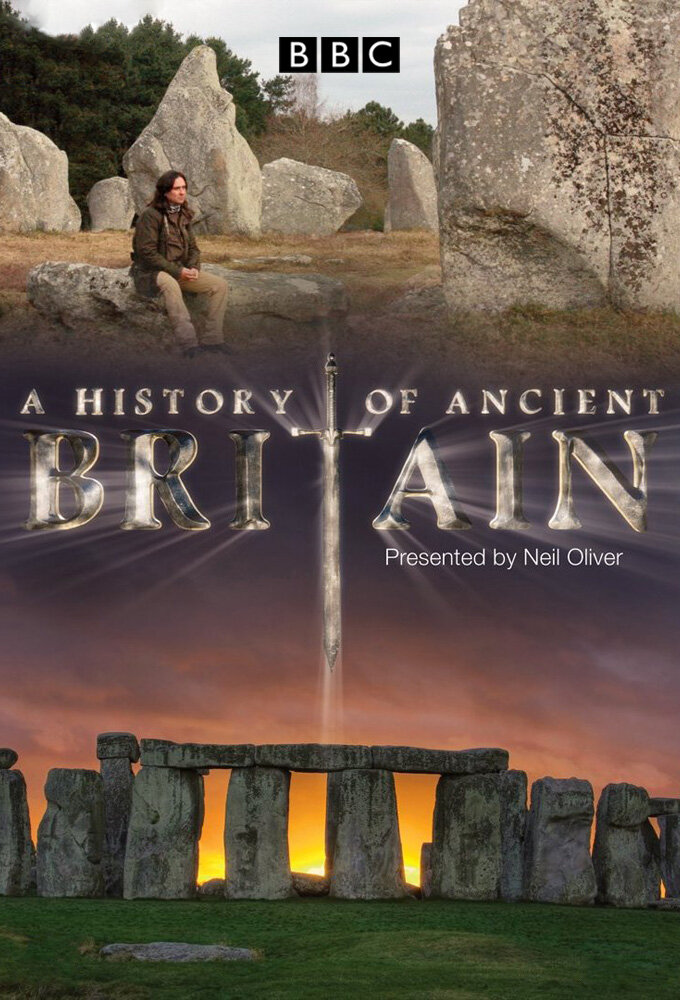
A History of Ancient Britain2011
Neil Oliver presents an earlier period of British history with the same sense of excavating hard truths from incomplete evidence. If you liked Lipscomb's approach, his archaeology-based storytelling is similarly rigorous.
But Prehistoric Britain is abstract and distant. The lack of written sources means more speculation than the witch trials offer, which some find less gripping.
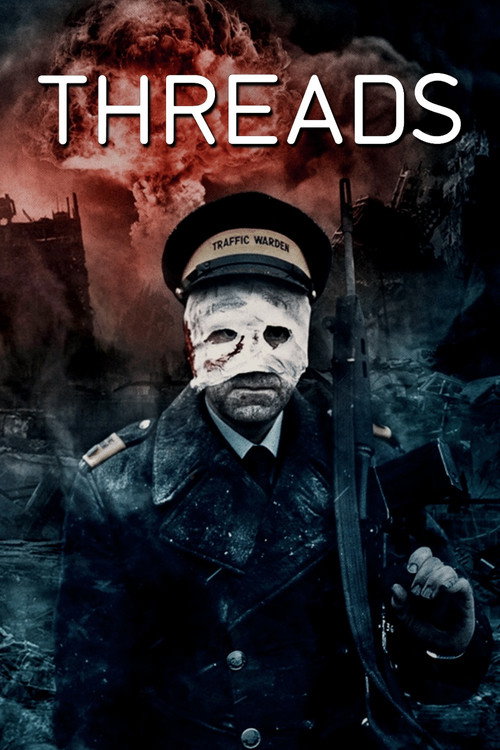
Threads1984
A BBC docudrama about nuclear war's aftermath: unsparingly realistic, deeply researched, and fundamentally about how societies collapse under catastrophic pressure. It shares Lipscomb's refusal to look away from suffering.
But It's bleak, graphic, and deliberately ugly. This is not escapism. The entire point is to make you uncomfortable.
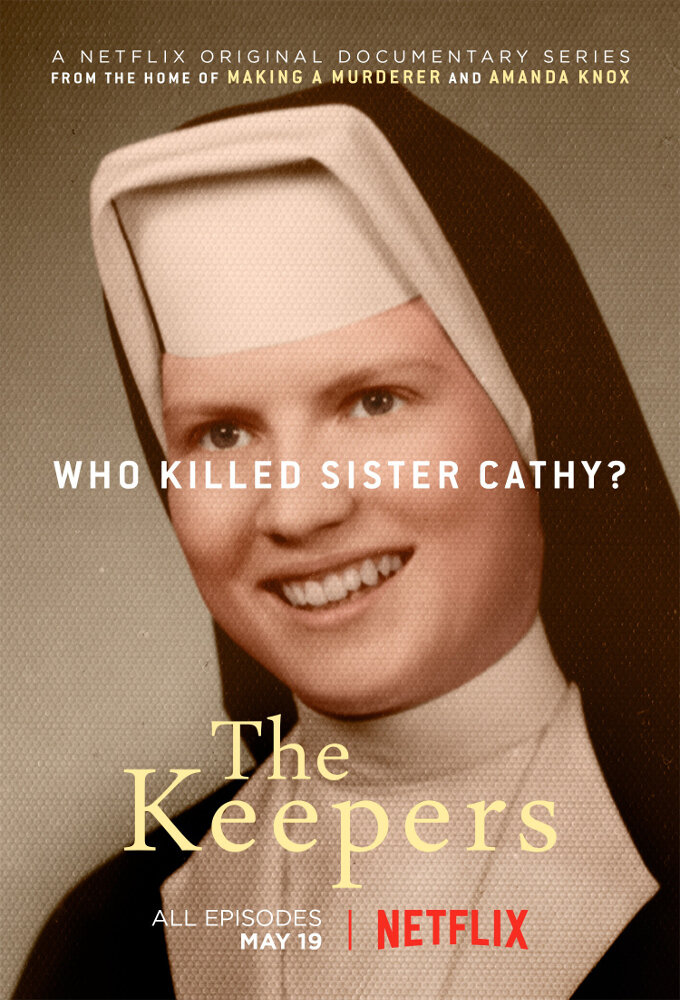
The Keepers2017
A seven-part investigation into institutional abuse and murder within the Catholic Church, using testimony and document analysis. Same structure as Lipscomb's work: piecing together a suppressed crime from fragments.
But Extremely heavy subject matter. The abuse described is real and disturbing. Not suitable if you need lighter viewing.
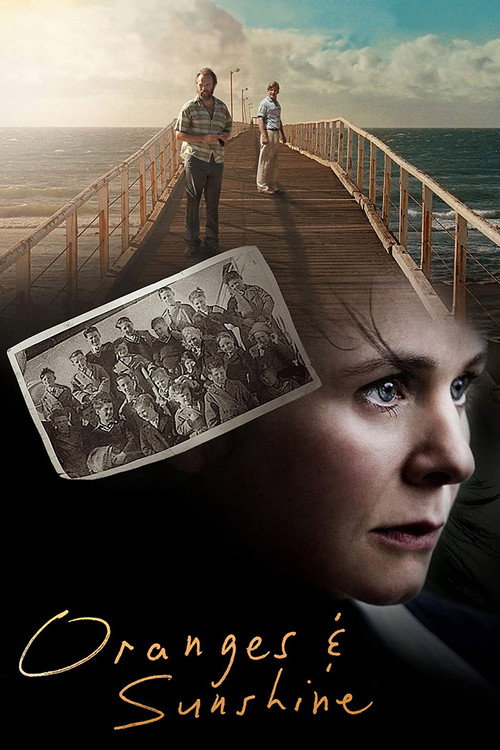
Oranges and Sunshine2010
Margaret Humphreys (Emily Watson) investigates Australia's forced child deportation scheme, exposing systemic institutional cruelty. Like Witch Hunt, it's about one person uncovering hidden atrocity through persistence.
But Slow pacing and a somewhat muted emotional register. The film's restraint, while historically appropriate, can feel distant.
The Act of Killing2012
Joshua Oppenheimer documents Indonesia's 1960s genocide by interviewing perpetrators, examining how ordinary people justify extraordinary violence. It's a different approach to Lipscomb's work but asks the same questions about complicity.
But Deeply disturbing and morally vertiginous. Watching killers perform their own crimes is deliberately disorienting and difficult.

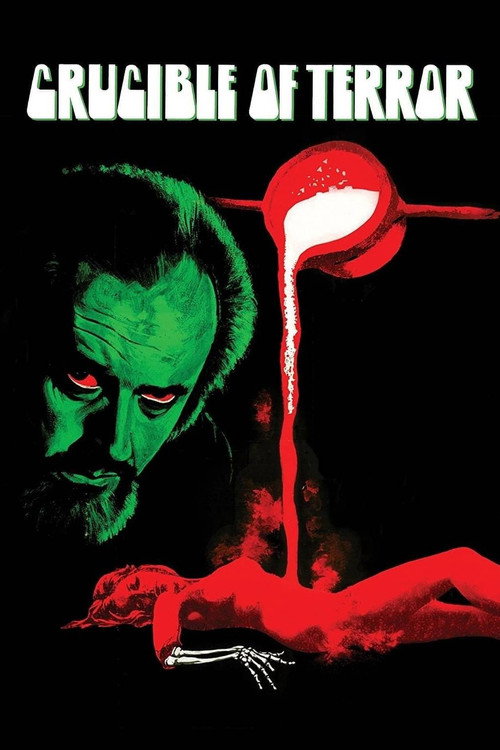
Crucible of Terror1972
It accidentally documents how witch-trial psychology persisted in 1970s British culture—villages, female targets, ritual. Where Lipscomb documents history, this film shows how that history infected genre fiction.
An obscure British horror film about a sculptor's wife who becomes a scapegoat for village superstition and murder. It's trash cinema, but it captures the irrational blame-shifting of witch hysteria through exploitation-film exploitation.
But Low budget, clumsy acting, and dated horror tropes. It's also genuinely nasty about women. You have to tolerate schlock to find the historical accident inside it.
People
Cast
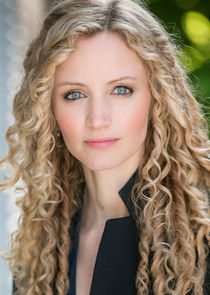 Dr. Suzannah LipscombPresenter