
Film
House on Haunted Hill
Other titles called House on Haunted Hill: the 1959 film.
A sleek, stylish haunted-house film where an eccentric billionaire pays strangers a million dollars to survive the night in a derelict psychiatric hospital. It's less about jump scares and more about watching attractive people navigate elaborate traps, backstabbing, and genuinely eerie production design. A late-90s feast for the eyes that prioritizes atmosphere and camp over credibility.
Should you watch it?
Watch it if you want a loud, gleefully overwrought haunted-house spook show with broad performances and gimmicky scares that you can enjoy with friends on a Friday night.
Skip it if you need a tense, slow-building chiller or grim, serious subject matter, since this leans on gags, camp and flashy set pieces rather than dread.
What it asks of you: Ninety-three minutes, brisk and busy, with little quiet time; it wants you to tolerate loud showmanship rather than sit with slow unease.
Not sure? Find tonight's pick in a minute.
If you liked this
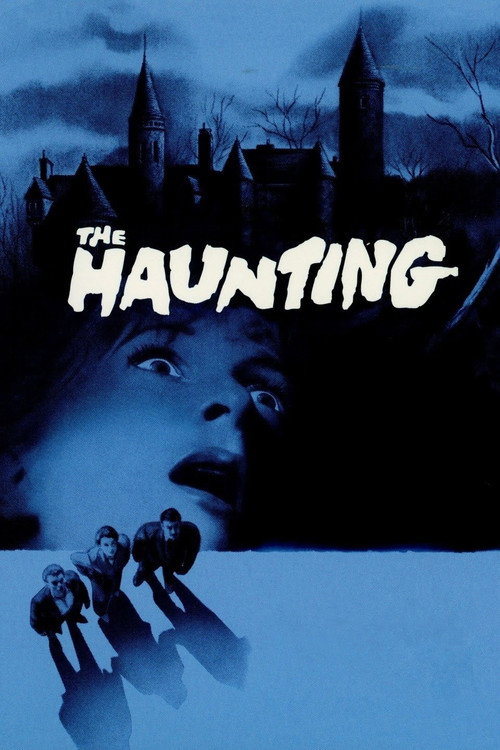
The Haunting1963
The original psychological haunted-house masterpiece. Slow-burn dread, brilliant cinematography, and Eleanor's descent into madness feel genuinely unsettling. It understands that what you don't see terrifies more than gore.
But Black-and-white, deliberate pacing, and ambiguity about what's real will frustrate anyone craving clear answers or modern jump-scare syntax.
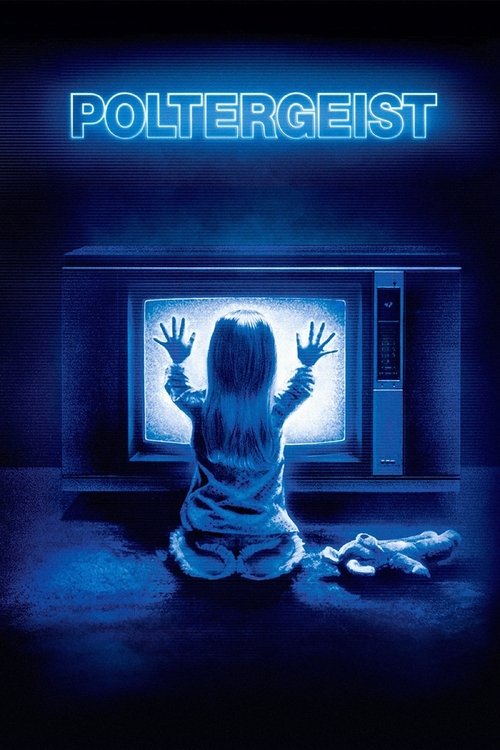
Poltergeist1982
A visceral, imaginative haunting where a house weaponizes itself against a suburban family. Spielberg's sensibility meets practical horror; genuinely scary and deeply entertaining, with a sense of humour about its own extremity.
But The PG rating feels absurd by today's standards—some moments clash tonally. Also, the production is haunted by real tragedy, which some find hard to separate from the film.
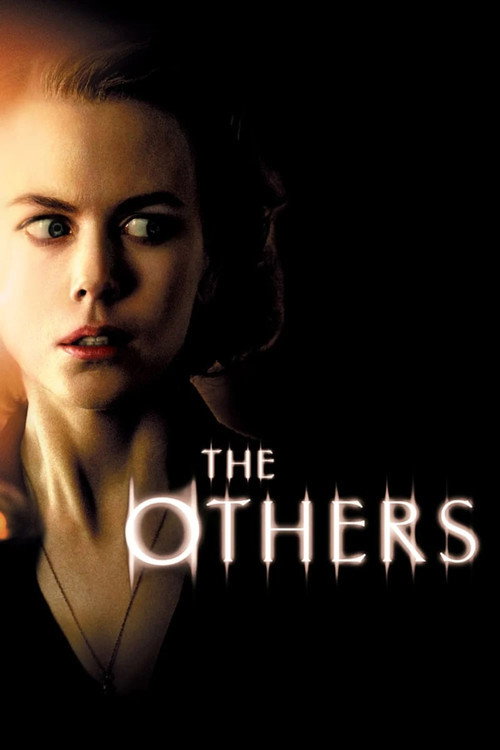
The Others2001
Atmospheric, elegantly plotted ghost story with impeccable cinematography and a twist that recontextualizes everything. Nicole Kidman's restraint and the film's formal control create unease without cheap scares.
But It's mannered and slow. If you need momentum and action, you'll find it precious. The twist, once you know it, doesn't invite rewatching.
Not sure tonight? Get a pick in a minute, starting from House on Haunted Hill
The wildcard
Something you would not have found on your own.
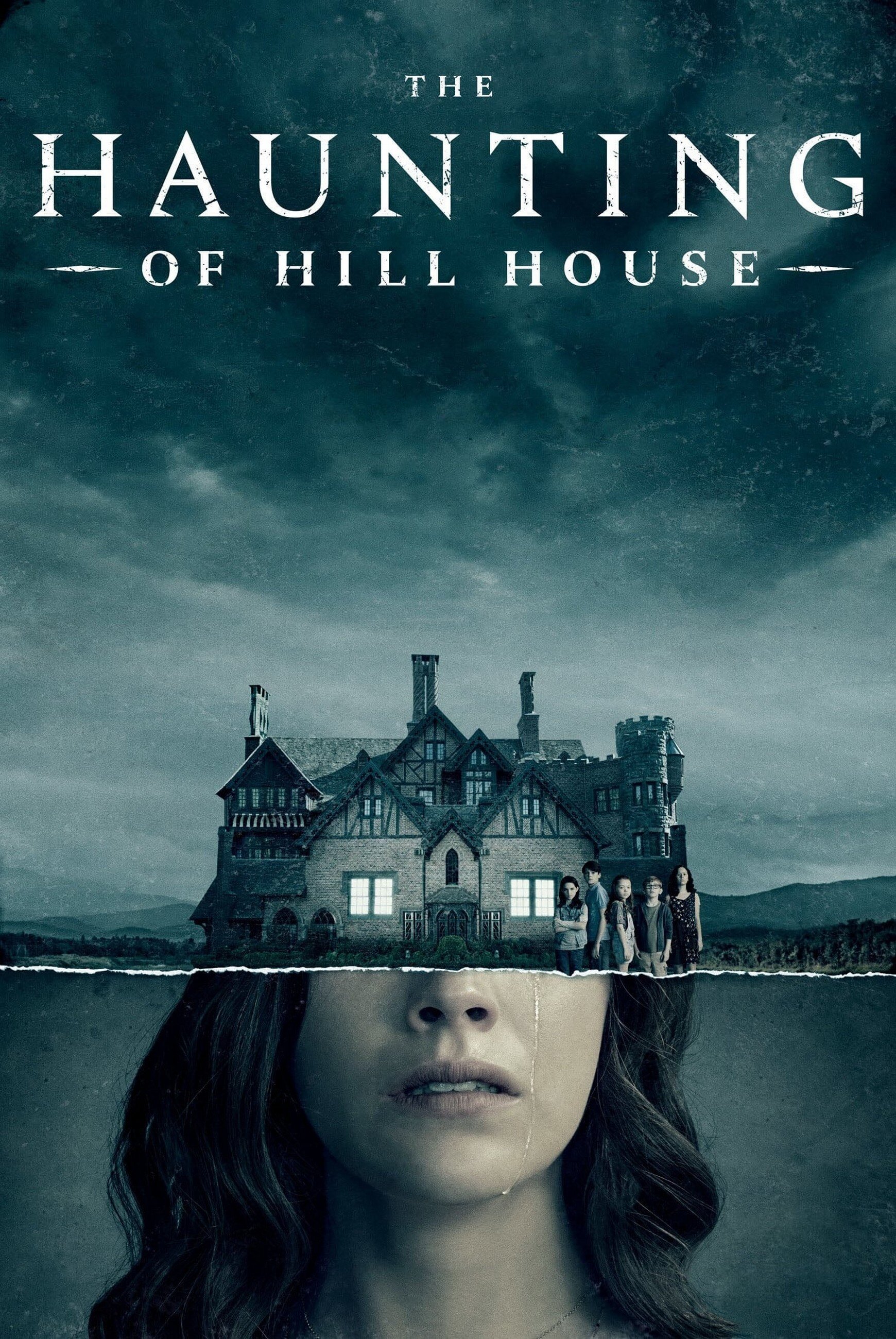
The Haunting of Hill House2018
Both use a house as a lens for exploring what the human mind brings to fear—the setting is real, but the terror is internal. Both ask whether we're being haunted or haunting ourselves.
Netflix's serialized reimagining takes the psychological-haunting premise seriously. Each episode deepens the dread and character trauma. It's less about jump scares and more about how a house can damage a family across generations.
But The show is bleak and emotionally exhausting. It prioritizes character drama over horror spectacle, and some episodes drag. If you want fun scares, this will depress you instead.
More like this (8)
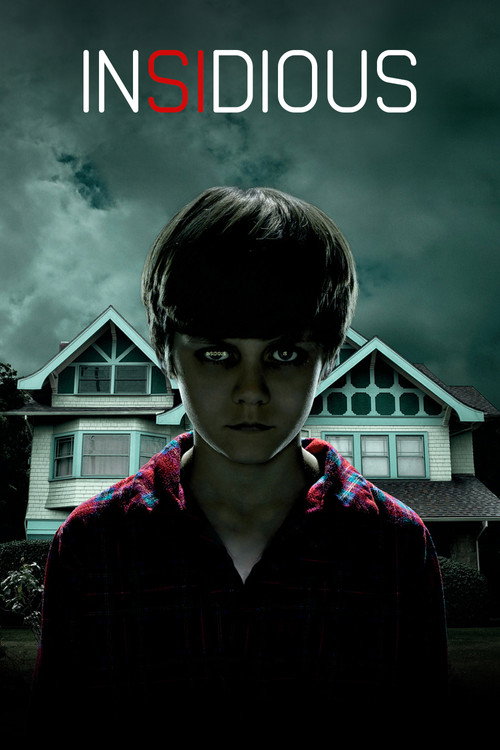
Insidious2011
James Wan weaponizes sound design and negative space. The film's best scares come from nothing happening, then something happening fast. An elegant architectural approach to haunting that influenced a decade of horror.
But The third act leans into spectacle and loses the first act's subtlety. Some of the creature design tips toward silly rather than scary.
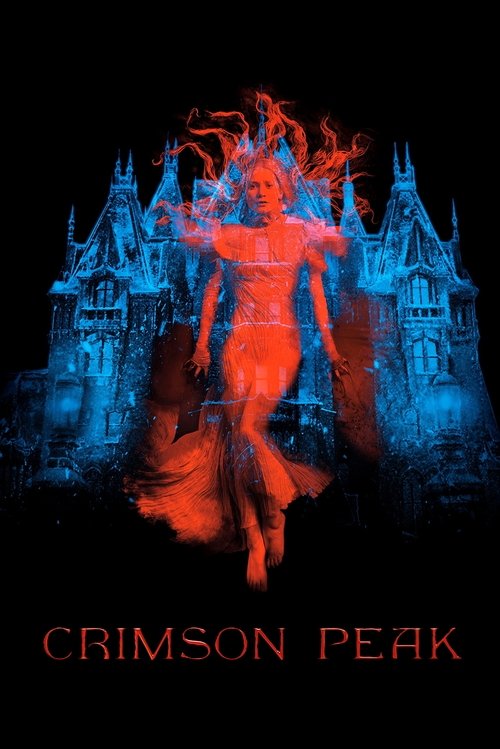
Crimson Peak2015
Guillermo del Toro's love letter to Gothic romance and practical effects. Gorgeously composed, genuinely creepy, and committed to being beautiful even when it's disturbing. A haunted house film that understands atmosphere as character.
But The mystery isn't mysterious if you're paying attention. It's more interested in mood and design than plot coherence or scares.
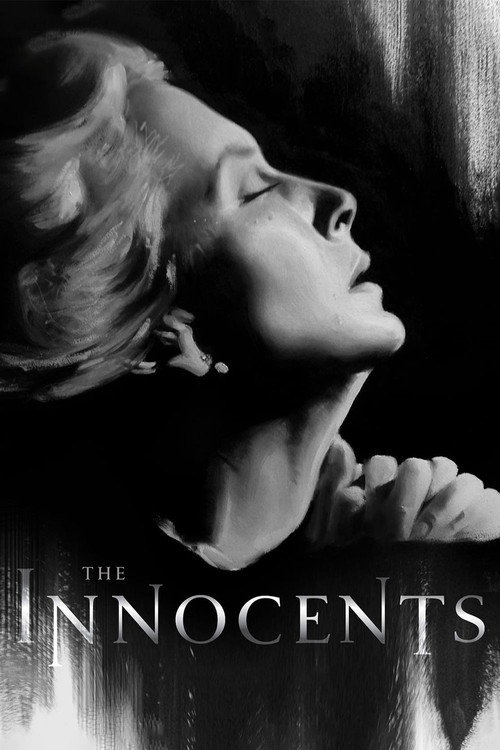
The Innocents1961
A disturbing, ambiguous tale of ghosts or madness in a grand estate. Stunning black-and-white cinematography and a performance by Deborah Kerr that carries the film's moral weight. Genuinely haunting.
But The pacing is glacial and the conclusion deliberately unresolved. Modern viewers may find it frustratingly vague and slow.
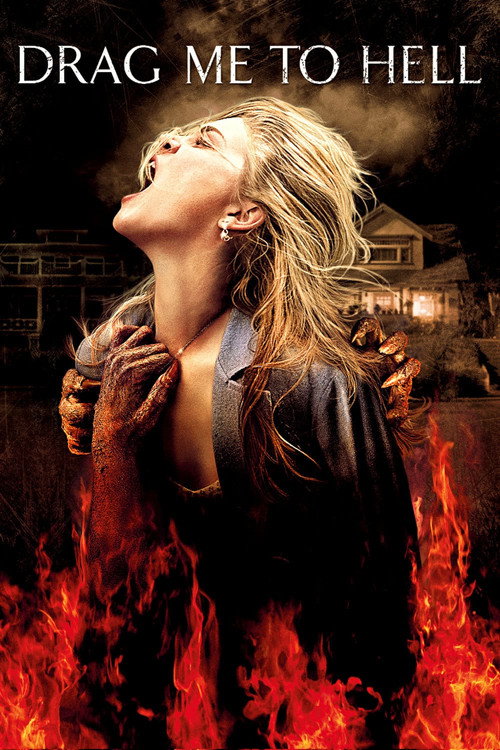
Drag Me to Hell2009
Sam Raimi's operatic, darkly funny supernatural horror. It commits fully to its pulp premise, scales the escalation beautifully, and never winks at the audience even as it goes completely absurd. Pure cinema.
But The gore is cartoonish and the protagonist is deliberately unsympathetic. If you need grounded realism or likeable characters, this isn't it.
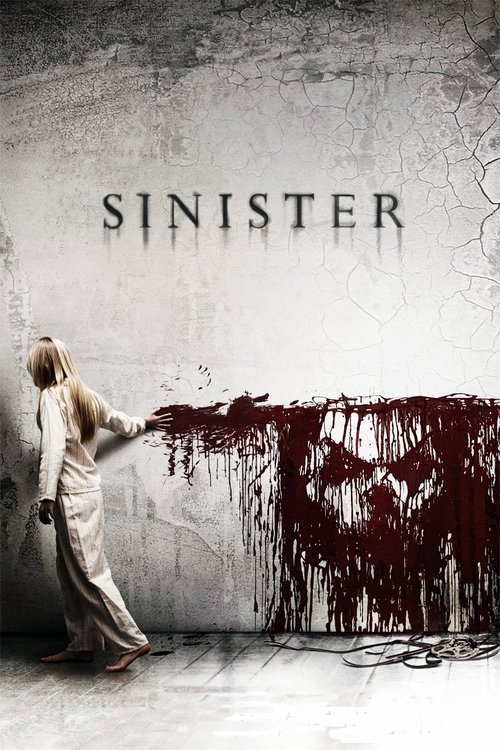
Sinister2012
A methodical descent into dread. Ethan Hawke as an obsessed true-crime writer uncovering something genuinely malevolent. The film trusts you to fill in blanks, and those blanks are horrifying.
But It's relentlessly bleak with no catharsis or redemption. The jump scares, while effective, become repetitive. Some find the premise exploitative.
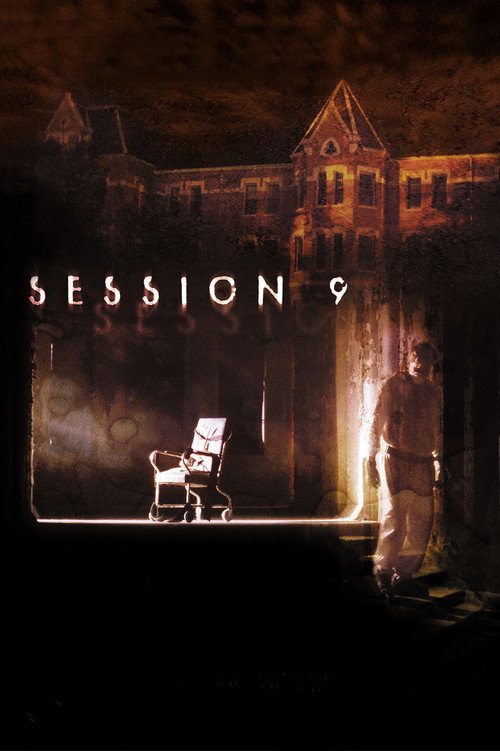
Session 92001
Found-footage-adjacent psychological horror set in an abandoned psychiatric hospital. Claustrophobic, atmospheric, and genuinely disorienting. The film's commitment to dread over spectacle is rewarding.
But Minimal plot, no clear villain, and an ending that some find underwhelming. It's deliberately obscure and makes no effort to spoon-feed answers.
The Cabinet of Dr. Caligari1920
Both deploy a grand building and the insane as their central horror. Both blur the line between what's real and what's psychological. Both suggest the horror isn't in the place but in the people trapped there.
German Expressionist horror from a century ago that invented modern psychological horror. Distorted sets, shadows as weapons, and a deeply unsettling meditation on madness and authority. It looks like nothing else and influenced everything.
But Silent film with stark, geometric design language. If you need dialogue, naturalistic acting, and contemporary pacing, you'll find it alienating. It demands active interpretation.

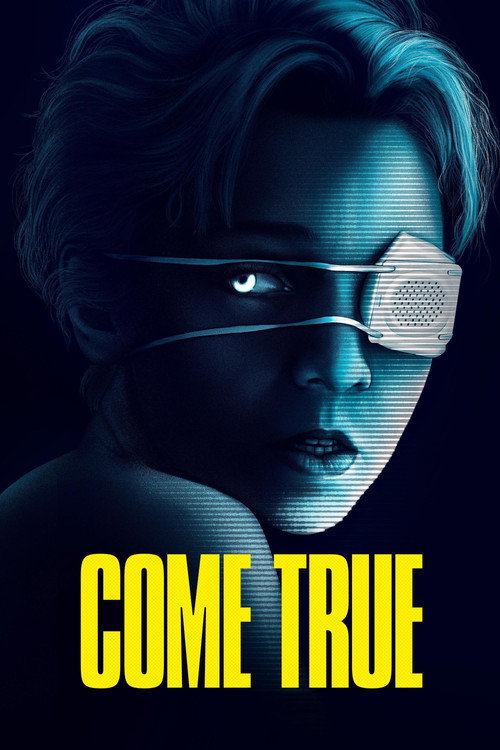
Come True2020
Both trap people in a contained space to test their limits. Both suggest that the real horror isn't external but what the space reveals about the people inside it—their desires, their breaking points, their capacity for betrayal.
An experimental sci-fi horror about sleep deprivation and body horror disguised as a haunted-house film. Synth-drenched, visually striking, and deeply unsettling in ways that linger. It's about invasion but offers no catharsis.
But It's deliberately vague and abstract. Plot takes a backseat to mood and imagery. If you need clarity, traditional narrative, or a satisfying resolution, you'll hate it.
People
Cast
 Geoffrey RushStephen Price
 Famke JanssenEvelyn Stockard-Price
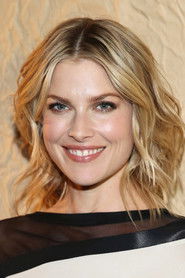 Ali LarterSara Wolfe
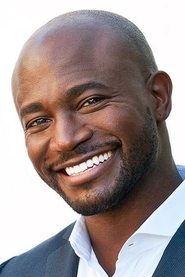 Taye DiggsEddie Baker
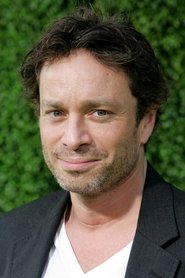 Chris KattanWatson Pritchett
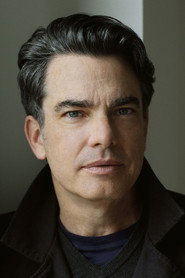 Peter GallagherDonald W. Blackburn, M.D.
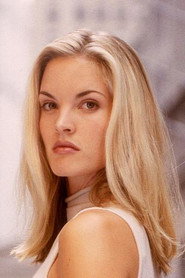 Bridgette WilsonMelissa Margaret Marr
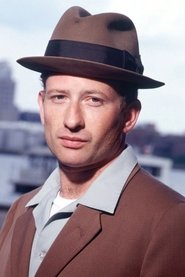 Max PerlichCarl Schecter
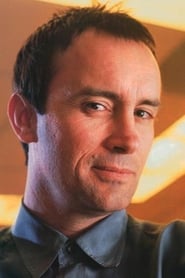 Jeffrey CombsDr. Vannacutt
- Dick BeebeMale Nurse
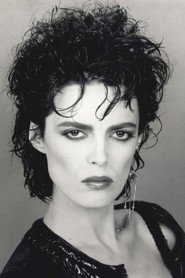 Slavitza JovanTwisted Nurse
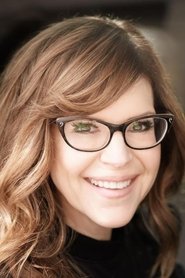 Lisa LoebChannel 3 Reporter
Directing
- William MaloneDirector
- Scott CameronFirst Assistant Director
- Mary Anne SewardScript Supervisor
- Simone FarberSecond Assistant Director
- Dinah LeHovenSecond Second Assistant Director
- Gregg BrazzelSecond Unit Director
Writing
- Dick BeebeScreenplay
- Robb WhiteStory
Production
- Brandon L. HullArt Department Production Assistant
- Gina D'OrazioAssistant Production Coordinator
- Ed TapiaAssociate Producer
- Laura KennedyCasting
- Kristy CarlsonCasting Associate
- Terry CastleCo-Producer
- Kate NeumannExecutive Assistant
- Bill DraperExecutive In Charge Of Production
- Dan CracchioloExecutive Producer
- Steve RichardsExecutive Producer
- Alison RothmanFirst Assistant Accountant
- Deborah J. PageLocation Manager
- Taffy SchweickhardtPayroll Accountant
- Eva WinklePost Production Coordinator
- Gilbert AdlerProducer
- Joel SilverProducer
- Robert ZemeckisProducer
- Matt StoryProduction Accountant
- Steve RodriguezProduction Assistant
- Paul CroghanProduction Coordinator
- Iris DubinskyProduction Secretary
- F.A. MillerUnit Production Manager