
Film
Legend of the Mountain
King Hu's otherworldly 1979 masterpiece follows a scholar translating a sacred sutra while haunted by supernatural forces. It's a hypnotic blend of lyrical atmosphere, practical ghost effects, and philosophical depth—shot through with eerie beauty. For viewers who want horror that operates on mood and metaphysics rather than jump scares.
If you liked this
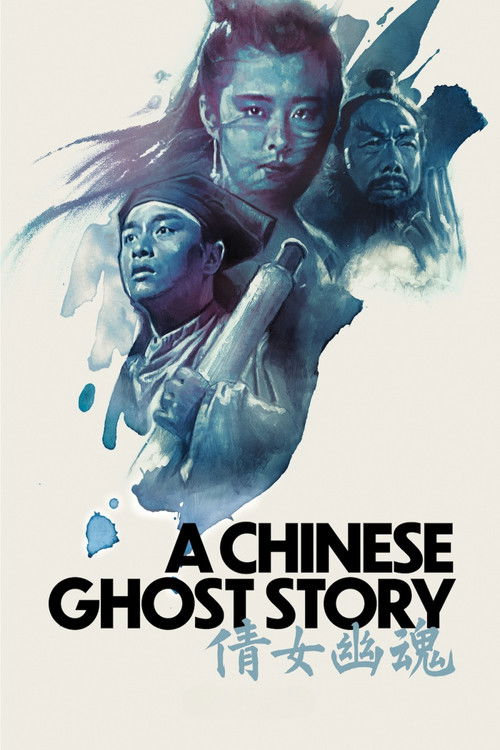
A Chinese Ghost Story1987
Another Tsui Hark adventure that pairs romance with ghosts and swordplay, equally supernatural but breezier. If you loved Mountain's atmosphere, this hits some of the same emotional notes with more action and spectacle.
But It's flashier and less meditative than Mountain. The tonal shifts are abrupt, and it prioritises visual thrills over the slow-burn dread you came for.
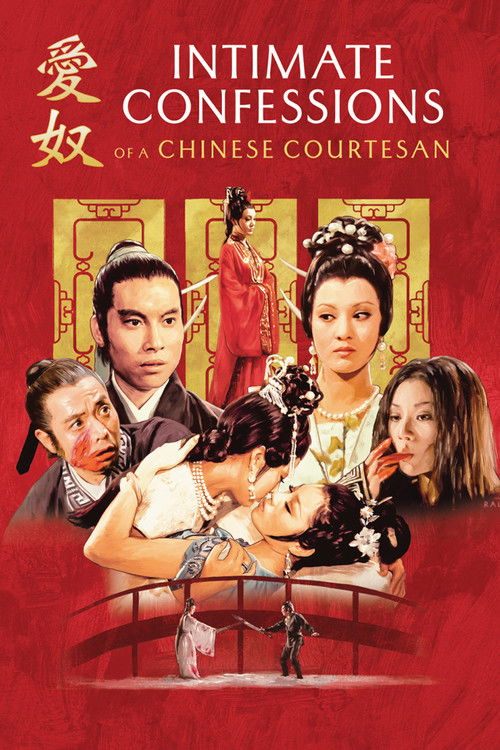
Intimate Confessions of a Chinese Courtesan1972
Cathy Yan in an equally transgressive role, navigating supernatural entanglement with the same mixture of vulnerability and agency. Another Taipei classic that refuses neat morality.
But It's much more explicitly sexual and violent. The film's power comes from transgression rather than atmosphere, which is a completely different register.
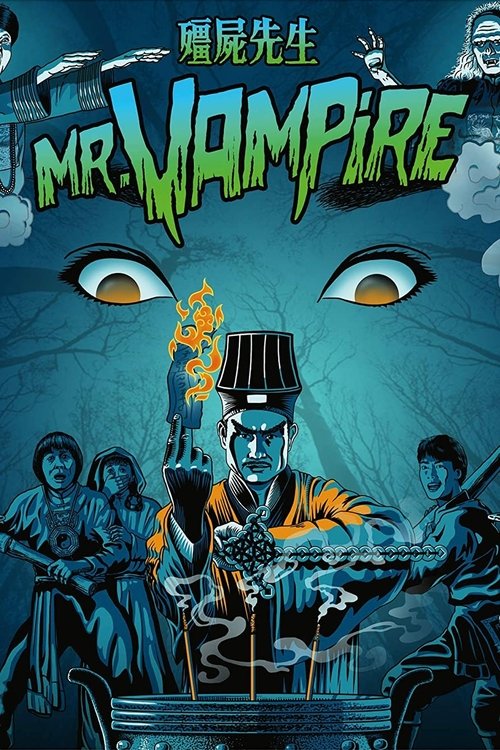
Mr. Vampire1985
Ricky Lau's comedy-horror balances genuine scares with levity and spirituality. It's got the same practical magic, Buddhist worldview, and playful treatment of the undead that Mountain explores.
But The tone is deliberately comedic and self-aware. If you want your horror unsettling rather than entertaining, this undercuts that entirely.
Not sure tonight? Get a pick in a minute, starting from Legend of the Mountain
The wildcard
Something you would not have found on your own.
Meshes of the Afternoon1943
Both use supernatural entanglement as a metaphor for losing agency to recurring cycles. Mountain extends Deren's technique across narrative cinema.
Maya Deren's experimental short rewired avant-garde cinema around repetition and female agency trapped in ritual. Sixteen minutes that do what Mountain does across three hours: use supernatural logic to map psychological entrapment. No dialogue, no plot, pure metaphysics.
But It's an experimental film from 1943 shot on 16mm. If you need narrative momentum or actors or conventional beauty, this is abstract to the point of opacity.

More like this (8)
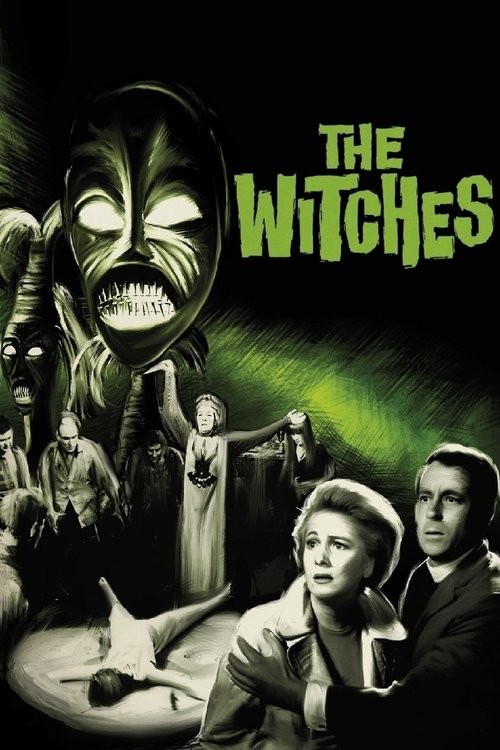
The Witches1966
Visconti's Renaissance nightmare about witchcraft and desire. Dense, painterly, morally claustrophobic—it shares Mountain's conviction that corruption and the supernatural are inseparable.
But Italian cinema demands patience in a different way. It's slower, more literary, and the eroticism may feel remote from the spiritual stakes you want.
Mulholland Drive2001
Lynch's three-hour fever dream about identity and Hollywood delusion. Like Mountain, it builds an uncanny atmosphere from small details and refuses to resolve cleanly. Both are about losing yourself to forces you don't control.
But It's set in modern LA, not ancient mountains. The surrealism is psychological rather than supernatural, so the metaphysics feel different.

The Cabinet of Dr. Caligari1920
German Expressionism's blueprint for psychological horror. Like Mountain, it's interested in how evil operates through persuasion and beauty rather than gore. Both use their visual style to make the irrational feel credible.
But Silent film with intertitles. The technology distances you from the performance, and the architecture of suspense feels quaint compared to Mountain's modern craft.

Suspiria1977
Argento's occult nightmare uses colour, sound, and pattern to create pure unease. Mountain and Suspiria both trust atmosphere over explanation—both leave you drained and uncertain.
But It's an Italian giallo, not a philosophical horror. The plot is thin, and the film's beauty comes from surface rather than meaning.

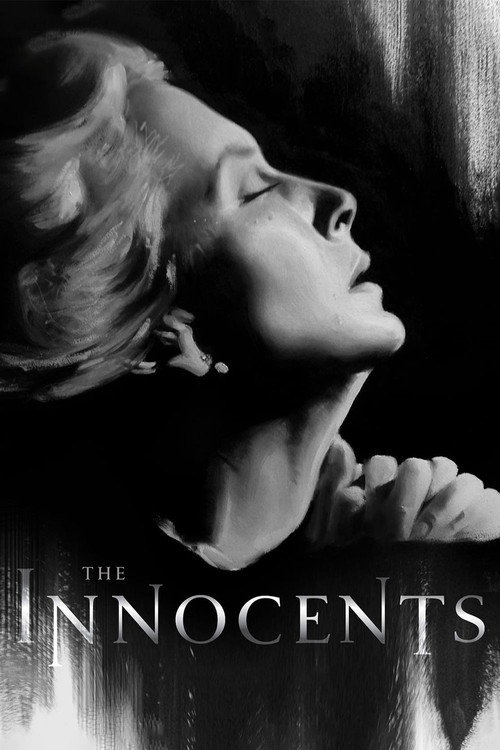
The Innocents1961
Jack Clayton's ghost story leaves you never quite sure if the supernatural is real or psychological. That ambiguity, and the way it poisons everything around it, mirrors Mountain's moral vertigo.
But The horror is entirely internal and domestic. If you want spectacle and spiritual warfare, this intimate chamber piece will feel small.
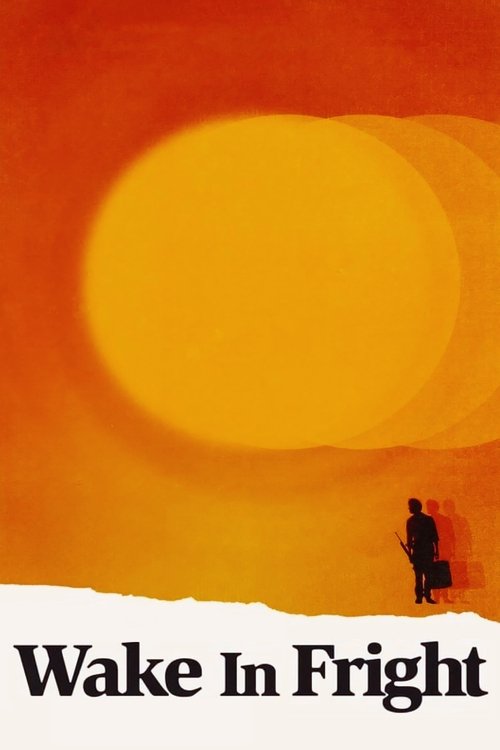
Wake in Fright1971
Ted Kotcheff's Australian descent into madness uses landscape and social claustrophobia as horror. Both films make the environment as much a threat as any creature.
But It's nasty, blunt, and offers no metaphysical comfort. Mountain finds philosophy in darkness; this just finds darkness.
Stalker1979
Parallel masterworks from 1979 about men seeking transformation in places that corrupt rather than reveal. Both use slowness as a form of dread.
Tarkovsky released this the same year as Mountain—another three-hour pilgrimage into a mysterious zone where desire warps reality. Both are metaphysical journeys that distrust easy answers, shot through with spiritual yearning and creeping dread.
But It's Soviet science fiction, not Asian supernatural horror. The pacing is glacial even by Mountain's standards, and offers no resolution, no catharsis, no comfort.

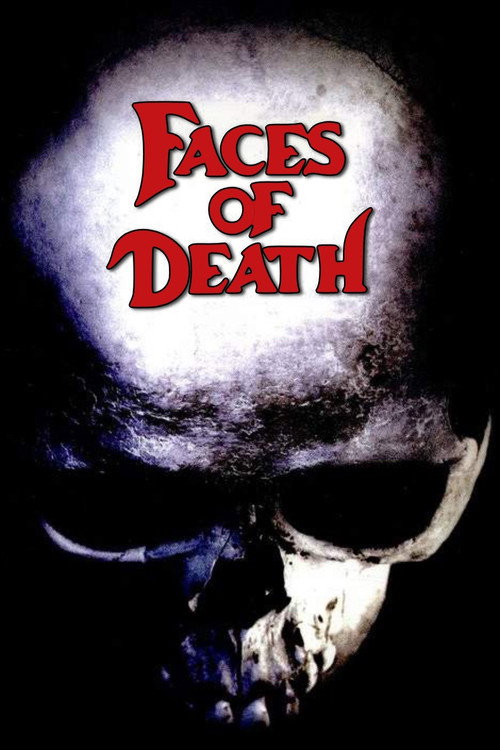
Faces of Death1978
Mountain spiritualises death; Faces refuses to let you escape its physical reality. Inverse approaches to the same question.
This banned documentary collage (real and staged footage of death) occupies a tonal universe Mountain never enters—immediate, visceral, nauseating—yet both use horror as philosophical inquiry. Death as subject rather than escape. Both ask: what do we see when we look at dying?
But It's traumatising by design, often in ways that feel gratuitous. Many scenes are genuinely unwatchable, and the film offers no poetry to transform what you're seeing.
People
Cast
 Shih ChunScholar Ho Yunqing
 Hsu FengMelody
 Sylvia ChangCloud
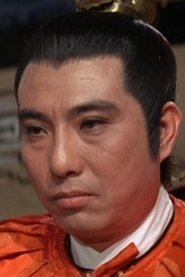 Tung LinTsui
- Rainbow HsuMadame Wang
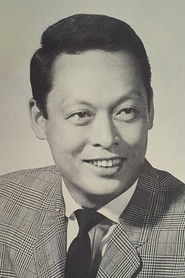 Tien FengOld Chang
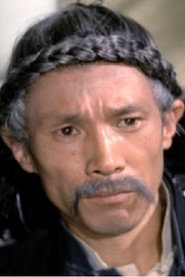 Chen Hui-LouTaoist Priest
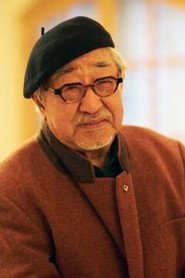 Sun YuehGeneral Han
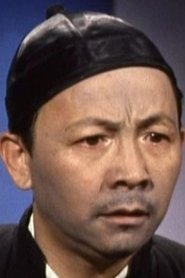 Wu Chia-HsiangWoodcutter
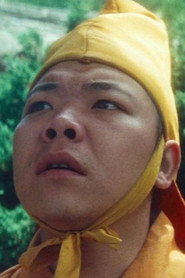 Ng Ming-ChoiLama
- Jeon SookCloud's Mother
Directing
- King HuDirector
- Catherine Lau Ga-WaiScript Supervisor
Writing
- King HuWriter
- Ling ChungWriter
Production
- King HuProducer
- Wong Cheuk-HonProducer