
Film
The House That Dripped Blood
A Scotland Yard detective investigates four eerie tales connected to a sinister house. This 1971 portmanteau horror film weaves together supernatural mysteries with darkly inventive twists, anchored by Hammer's finest character actors. It's playful but genuinely unsettling—perfect if you enjoy horror that trusts mood over gore and rewards attention to detail.
Should you watch it?
Watch it if you enjoy old-fashioned portmanteau horror, where three separate chilling tales are stitched together by a wry frame and each one builds a neat, creeping chill.
Skip it if you want a single, sustained story with real momentum, since this moves through self-contained chapters that each settle into their own quiet, dated rhythm.
What it asks of you: Roughly a hundred minutes split into short, distinct segments, so you settle in for three brisk slabs of eerie storytelling rather than one long build.
Not sure? Find tonight's pick in a minute.
If you liked this
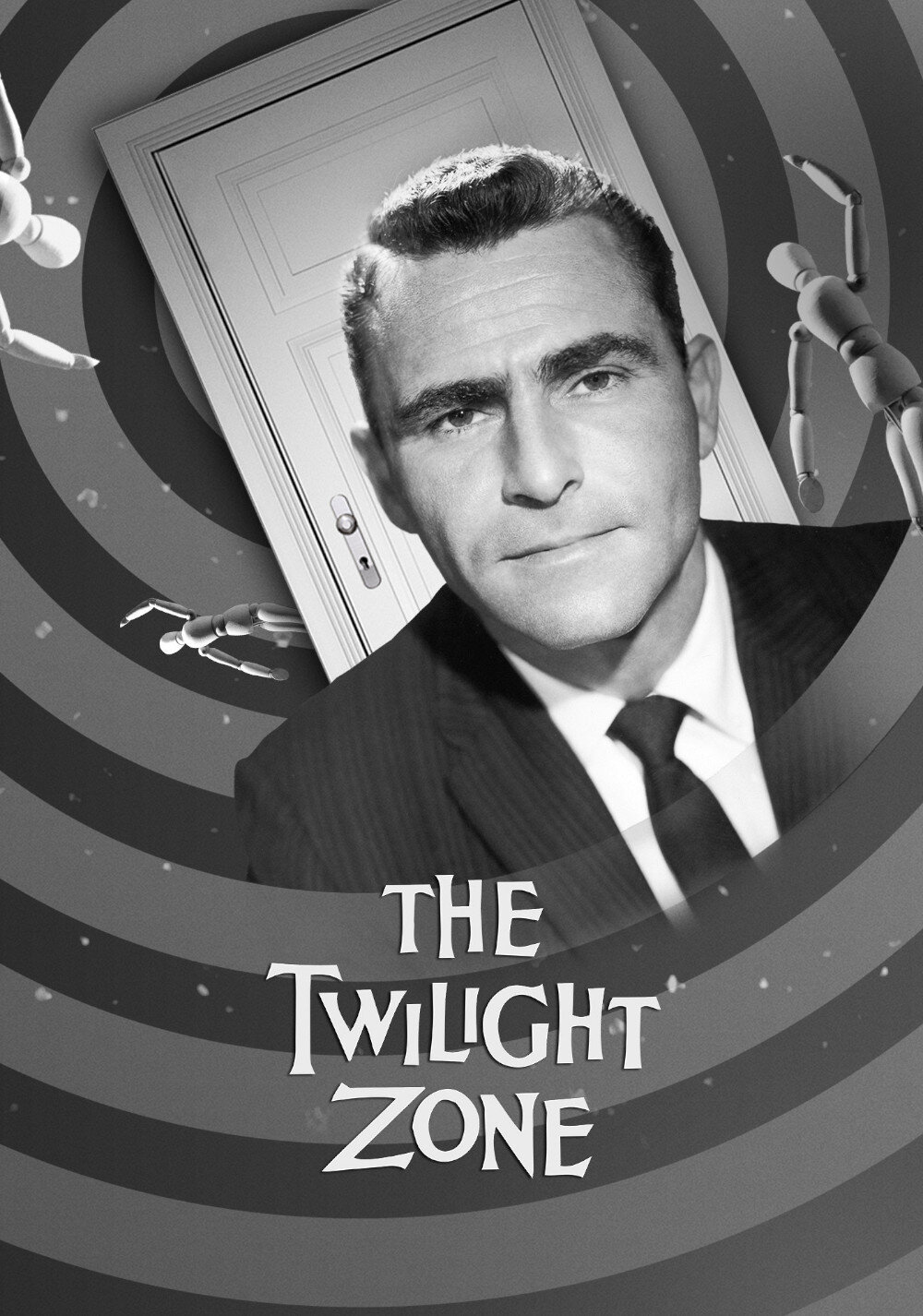
The Twilight Zone1959
Episodic storytelling with ironic supernatural twists and an almost delighted misanthropy. Each segment builds dread through mundane setups that explode into the impossible, exactly like The House That Dripped Blood.
But Some episodes haven't aged well visually, and the pacing can feel slow if you're used to modern television rhythm.
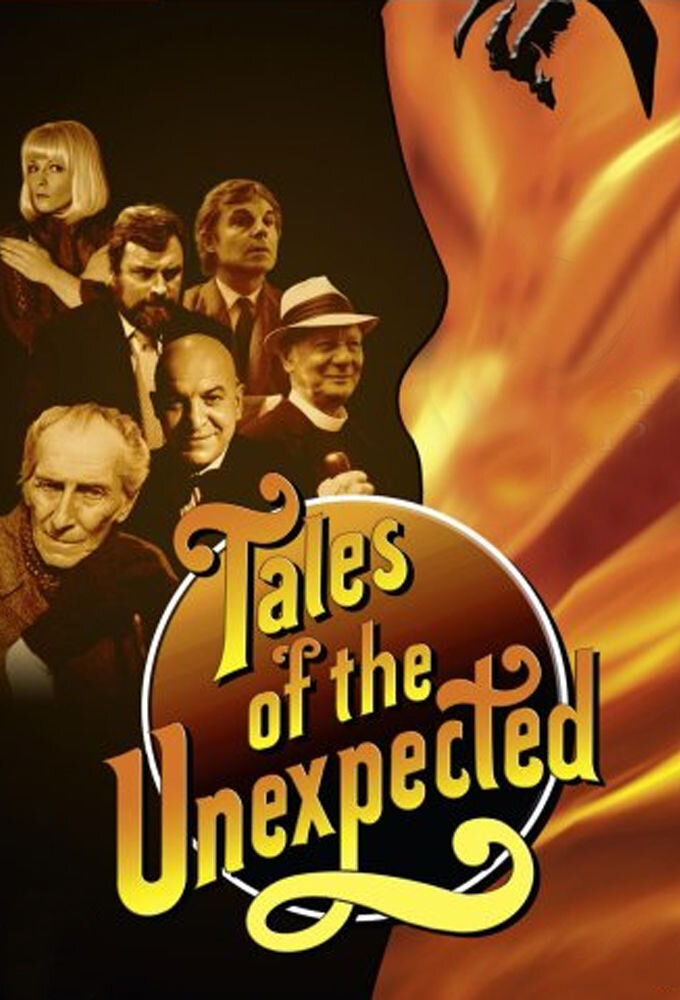
Tales of the Unexpected1977
Roald Dahl's nasty, perfectly-crafted twist stories adapted with the same wry British sensibility and elegant cruelty. Each story is a small masterpiece of misdirection and human wickedness.
But The production values are very 1970s-80s TV—cheap-looking sets and soft-focus cinematography that some find distracting rather than atmospheric.
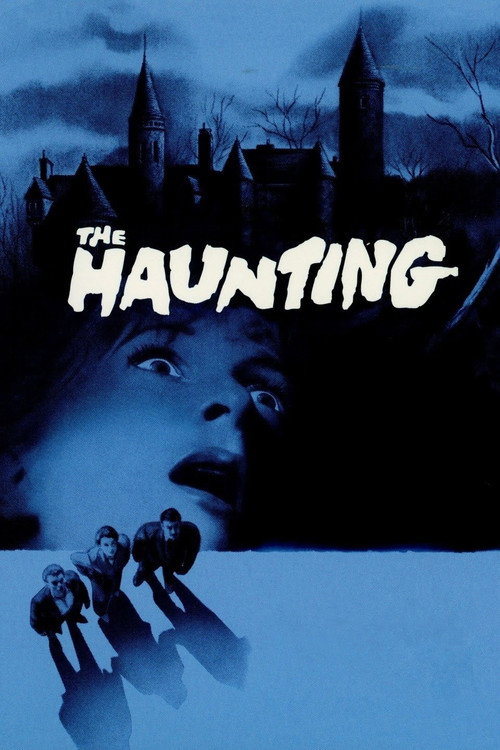
The Haunting1963
Robert Wise's masterpiece of psychological horror that proves you need no gore or jump scares, only suggestion and the camera's ability to make spaces feel conscious and malevolent.
But It's austere and slow. Some viewers find the ambiguity about what's real frustrating rather than elegant.
Not sure tonight? Get a pick in a minute, starting from The House That Dripped Blood
The wildcard
Something you would not have found on your own.
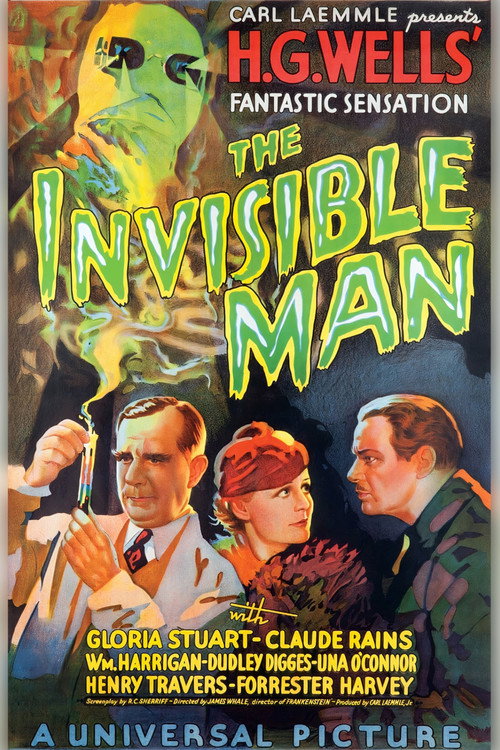
The Invisible Man1933
Both use architecture and hidden spaces (the unseen investigator in Dripped Blood's house; the invisible man hiding in plain sight) as metaphors for violation and the uncanny made tangible.
James Whale's mad-scientist horror with Claude Rains is pure mischievous mayhem—a scientist who becomes invisible and spirals into sociopathy. It has the same dark comic edge and the same fascination with invisibility and what we can't see haunting what we can.
But It's early sound-era cinema with stage-bound sets and dialogue-driven scenes that feel static. The invisibility effects, while clever, are obviously practical tricks.
More like this (7)
Suspiria1977
Dario Argento's witch-house nightmare: lurid, operatic, visually hypnotic. A completely different tone from Dripped Blood but the same commitment to architecture as menace and color as mood.
But It's deliberately artificial and stylized in ways that can feel camp rather than scary. The plot barely matters; you're watching tone and design.

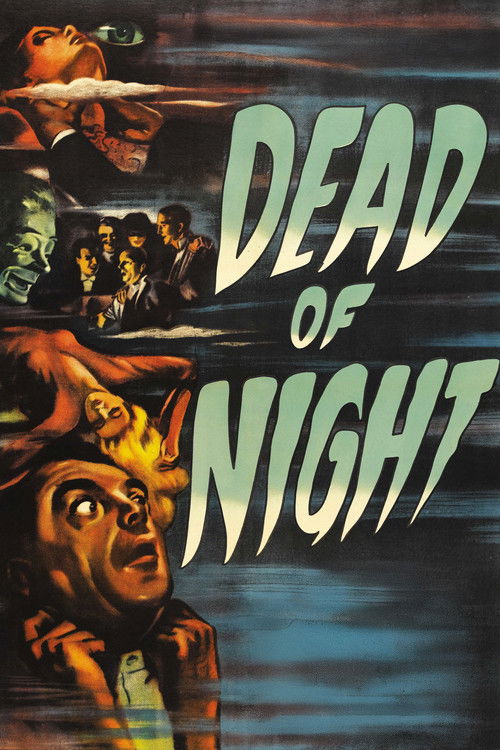
Dead of Night1945
The original British portmanteau horror, and it remains the best. Five interlocking stories that build to a brilliant cyclical finale—proof that this form, when done right, is pure narrative alchemy.
But It's in black and white and the pacing is very of its era. You have to lean in; it won't grab you by the throat.
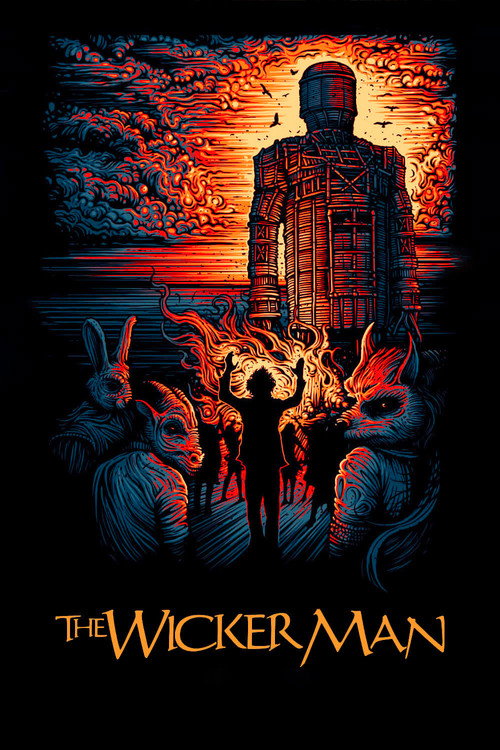
The Wicker Man1973
Pagan horror with a detective investigation and an entire village as antagonist. Beautifully made, genuinely uncanny, and endlessly rewatchable. A masterpiece that feels as lived-in as Dripped Blood's house.
But The ending is devastating. If you watch it for the mystery and expect a reassuring resolution, you'll feel gutted.
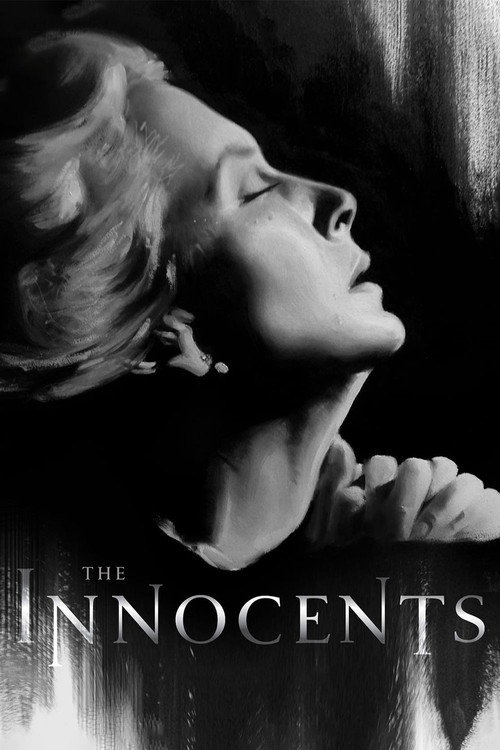
The Innocents1961
Jack Clayton's adaptation of The Turn of the Screw is ambiguous, beautifully composed, and deeply unsettling. It trusts you to sit with dread and never fully explain itself—like Dripped Blood, but even quieter.
But Very little actually happens plot-wise. It's a mood piece, and if you need incident or clarity, you'll find it frustratingly vague.
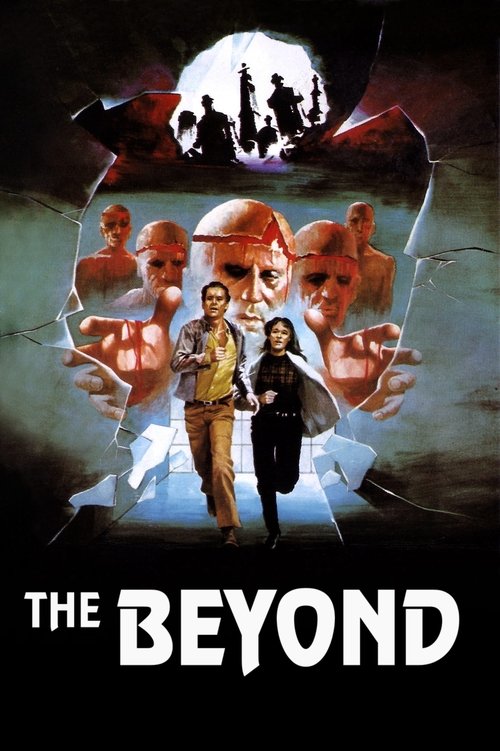
The Beyond1981
Lucio Fulci's surreal haunted-house nightmare: dreamlike, gorgeously photographed in primary colors, with a logic that's emotional rather than narrative. Totally absorbing if you surrender to its logic.
But The plot makes no rational sense and the dialogue is occasionally baffling. It prioritizes atmosphere over coherence in ways that can feel pretentious or just confused.
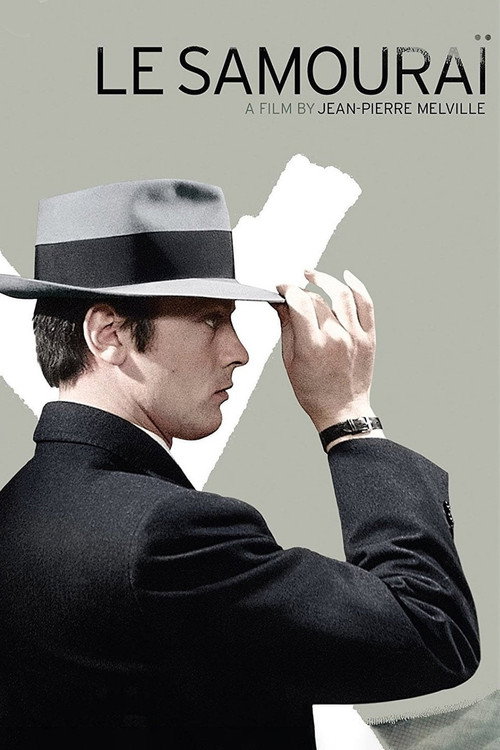
Le Samouraï1967
Both are methodical investigations into human wickedness using genre conventions (detective work, mystery) that turn inward—less 'whodunit' than 'what are we really looking at?'
Melville's glacial noir about a hitman ensnared by his own professionalism. Visually precise, morally cool, hypnotic. It shares Dripped Blood's fascination with surfaces hiding corruption and the detective-story structure used for something darker.
But It's slow, austere, and emotionally cold. If you want warmth or psychology, this is alienating by design.
Mulholland Drive2001
Both use a specific location (the house, the city) as a repository of buried stories and secrets, and both suggest that investigation itself might be corrupting—that looking too closely changes what you find.
Lynch's fractured Los Angeles mystery where the house and the city are as much characters as the people. Gorgeous, maddening, and eventually heartbreaking—a mystery that interrogates itself rather than solving itself.
But It's 147 minutes, formally demanding, and explicitly refuses a coherent plot. Many viewers feel manipulated or simply lost by the end.

People
Cast
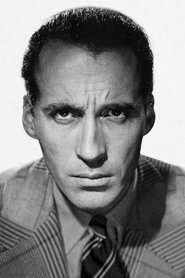 Christopher LeeJohn Reid (segment 3 "Sweets to the Sweet")
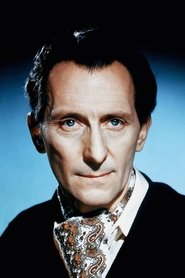 Peter CushingPhilip Grayson (segment 2 "Waxworks")
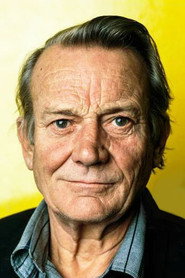 Denholm ElliottCharles Hillyer (segment 1 "Method for Murder")
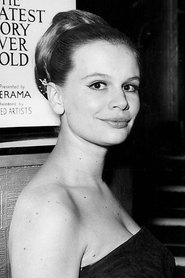 Joanna DunhamAlice Hillyer (segment 1 "Method for Murder")
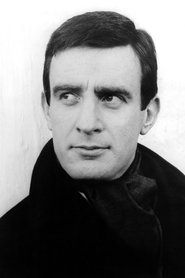 Tom AdamsDominick / Richard (segment 1 "Method for Murder")
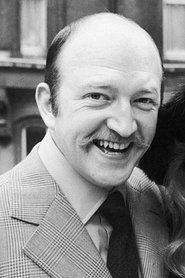 Robert LangPsychiatrist (segment 1 "Method for Murder")
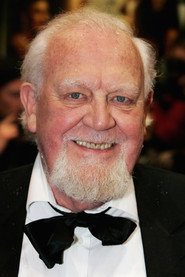 Joss AcklandNeville Rogers (segment 2 "Waxworks")
- Wolfe MorrisWaxworks Proprietor (segment 2 "Waxworks")
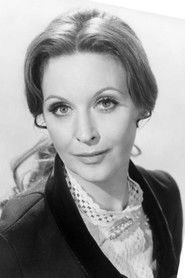 Nyree Dawn PorterAnn Norton (segment 3 "Sweets to the Sweet")
 Chloe FranksJane Reid (segment 3 "Sweets to the Sweet")
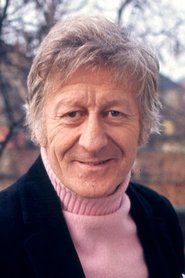 Jon PertweePaul Henderson (segment 4 "The Cloak")
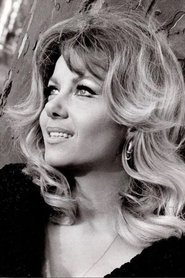 Ingrid PittCarla Lind (segment 4 "The Cloak")
Directing
- Peter DuffellDirector
Writing
- Robert BlochWriter
- Russ JonesWriter
Production
- Gordon WescourtExecutive Producer
- Paul EllsworthExecutive Producer
- Max RosenbergProducer
- Milton SubotskyProducer