
Film
Brimstone & Treacle
- Family drama
- Very dark
Sting plays a deeply unsettling stranger who insinuates himself into a grieving family's home, ostensibly to help care for their comatose daughter. It's a slow-burn psychological horror that trades jump scares for creeping dread, ambiguous about whether he's saviour or predator. A film that sits with you uneasily, asking uncomfortable questions about faith, vulnerability, and what we're willing to believe.
Should you watch it?
Watch it if you like unsettling domestic dramas where the menace creeps in through politeness, and a sly, black-comic unease matters more than explanations.
Skip it if your patience for slow, talky scenes is thin, or the idea of a sinister outsider leaning on a fragile household feels too familiar to bother with.
What it asks of you: Its 87 minutes unfold at a deliberate pace, largely within a handful of rooms, with unease that accumulates through talk and glances.
Not sure? Find tonight's pick in a minute.
If you liked this
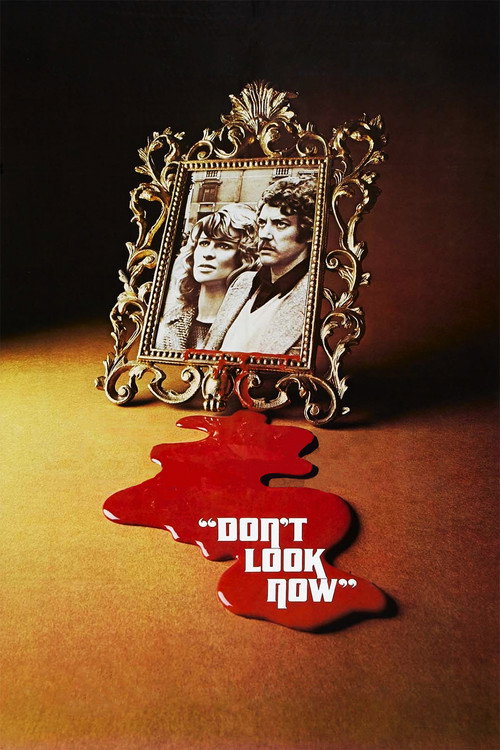
Don't Look Now1973
Nicolai Roeg's masterpiece about a couple undone by grief and premonition, suffused with the same sense that something awful is circling. Venice becomes a trap; beauty and menace intertwine.
But It's slow and oblique, and the payoff depends entirely on accepting its supernatural logic. If you need clarity, you'll be frustrated.
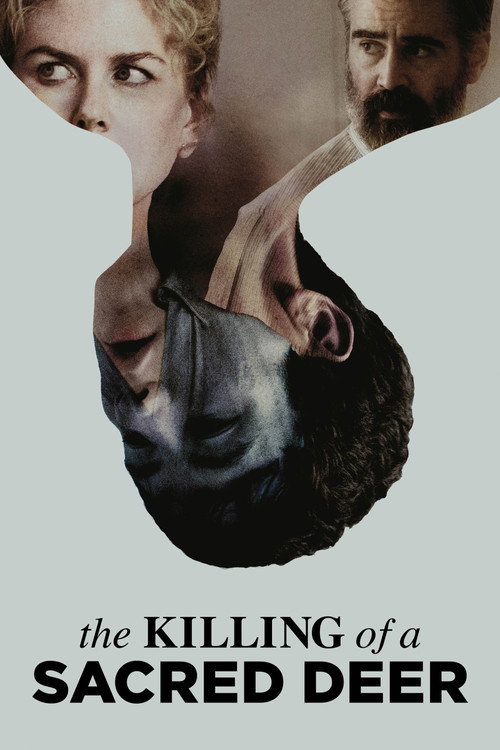
The Killing of a Sacred Deer2017
Yorgos Lanthimos crafts an ice-cold family horror where a mysterious man's presence corrodes everything. Formally precise and deeply unsettling, it asks what hospitality costs.
But The pacing is glacial and the tone is arch in a way that keeps you at a distance. It does not warm up.
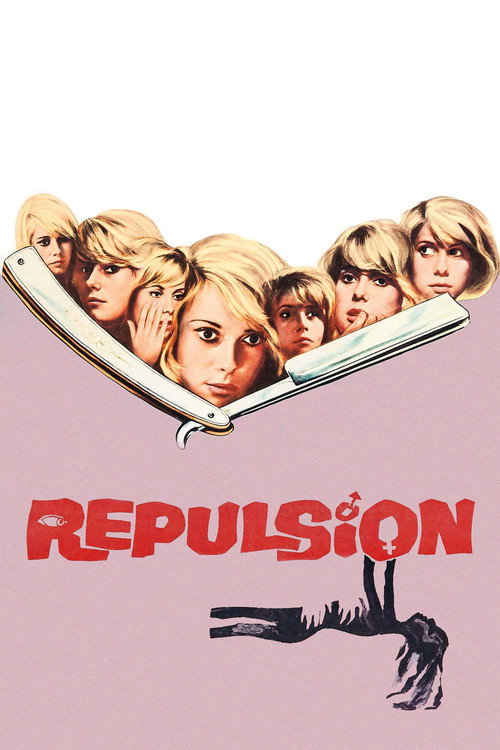
Repulsion1965
Polanski's descent into madness in a London apartment feels like watching someone's sanity splinter in real time. Claustrophobic, visceral, and the performance is extraordinary.
But It's relentlessly dark and the sexual violence is graphic for 1965—still unsettling now. Not a comfort watch by any measure.
Not sure tonight? Get a pick in a minute, starting from Brimstone & Treacle
The wildcard
Something you would not have found on your own.
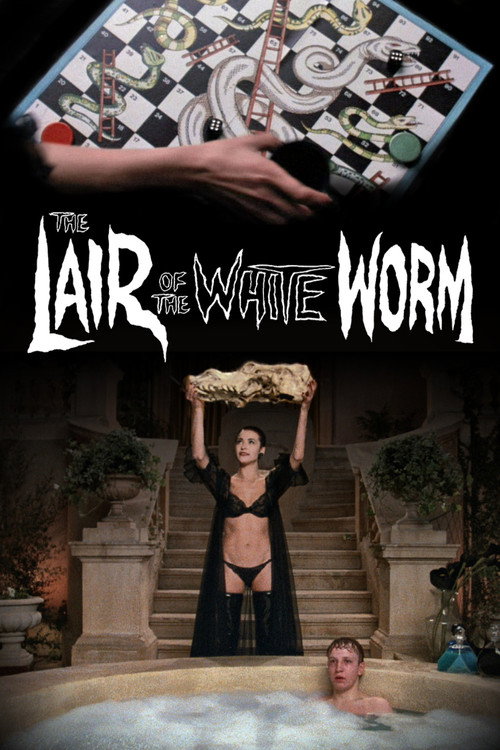
The Lair of the White Worm1988
Both are British horror films from the early 1980s where a stranger's arrival corrupts a household, and both traffic in the idea that hospitality to the wrong person can be fatal. They share a DIY theatrical quality and a willingness to leave ambiguity unresolved.
Ken Russell adapts Bram Stoker into surreal, sexually charged horror where Amanda Donohoe is a snake cult priestess. Defiantly weird, visually baroque, utterly committed to its own strangeness.
But The 1980s effects are visibly cheap and the dialogue occasionally veers into unintentional comedy. Russell's style is aggressively theatrical—some will find it arch.
More like this (8)
The Wailing2016
A stranger arrives in a village and illness follows; is he a demon, a saviour, or a mirror? Na Hong-jin builds this into a theological mystery that spirals beautifully outward.
But It's 156 minutes and deliberately refuses to resolve its central ambiguity. Patience and comfort with uncertainty are prerequisites.

Possession1981
Andrzej Żuławski's film about a marriage collapsing into nightmare—fever-dream direction, performances that feel unhinged, a sense that something is deeply, cosmically wrong.
But It's utterly bizarre, shot through with bodily horror and sexual dysfunction. The plot barely exists; the mood is everything.

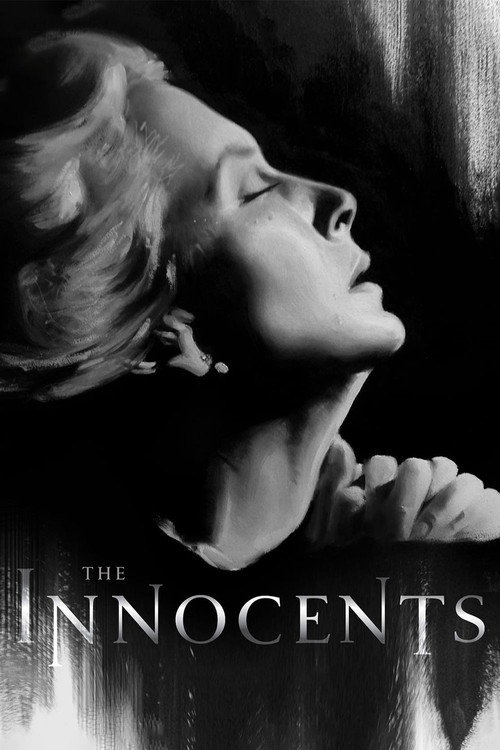
The Innocents1961
A governess arrives at an English manor to find two children who may—or may not—be haunted. Jack Clayton's direction is impeccable; the ambiguity is maddening in the best way.
But The pacing is deliberate and the film trusts you to sit with uncertainty. Modern audiences often find it too measured.
Suspiria1977
Dario Argento's fever dream about a ballet academy hiding something ancient and evil. Visually stunning, aurally unsettling—pure atmosphere, pure dread.
But The plot is thin and the dubbed dialogue is odd. If you need a story with weight and logic, the surface-level narrative may frustrate you.

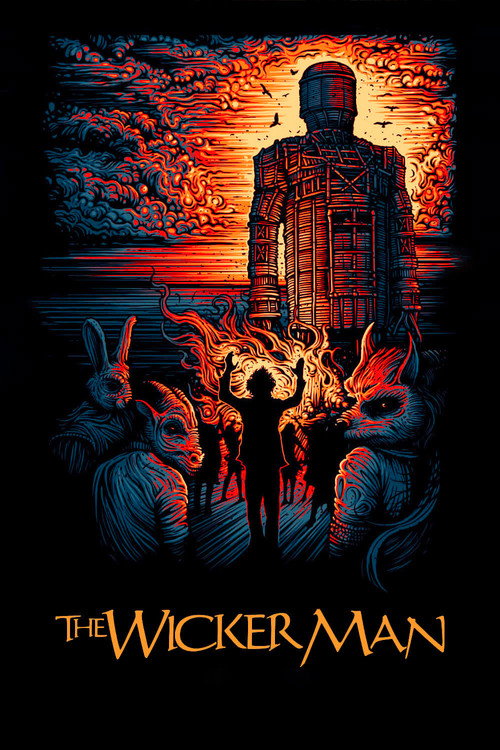
The Wicker Man1973
A policeman arrives on a Scottish island where the locals seem far too welcoming. Folk horror perfection—the slow realization of what's actually happening is beautifully engineered.
But The pagan premise and sexual frankness offended audiences then and can still feel dated. Some find the folk music more unsettling than intended.
Mulholland Drive2001
David Lynch's Los Angeles nightmare where nothing is quite what it seems, and a mysterious woman upends everything. Intoxicating, fractured, formally brilliant.
But The narrative deliberately collapses. If you need a film that makes conventional sense, this will infuriate rather than enchant you.

Under the Skin2014
Both films cast a rock star (or rock-star-adjacent figure) as an inscrutable alien presence, and both use that casting to create unease—we're not sure who or what we're watching. Both prioritize mood and dread over plot. Both ask: what if the stranger is not human?
Jonathan Glazel's film of Sting's own territory—a mysterious figure (Scarlett Johansson) moving through the world, seducing men. Slow, hypnotic, science-fiction horror that unfolds like a nightmare.
But It's 104 minutes of glacial pacing with minimal dialogue or conventional narrative. Many will find it punishing rather than rewarding.

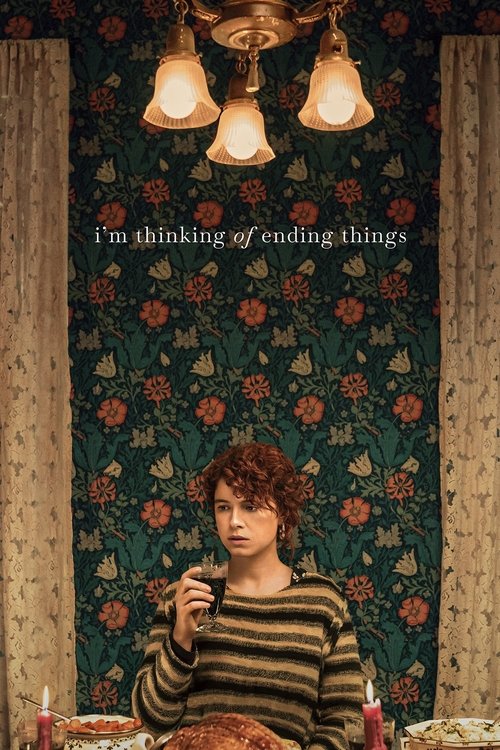
I'm Thinking of Ending Things2020
Both films are deeply concerned with the corruption that happens when strangers enter intimate domestic spaces—but Kaufman approaches it through metaphysics and psychology rather than supernatural horror. Both use a visitor to expose what was already rotten beneath the surface of family life.
Charlie Kaufman's film follows a woman on a car journey to meet her boyfriend's parents—and reality slowly peels away. Philosophical horror, formally daring, deeply unsettling about identity and time.
But It's abstract, deliberately frustrating, and structured to confuse. The emotional payoff is bleak. Most audiences will find it alienating rather than profound.
People
Cast
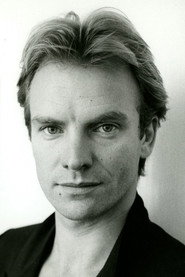 StingMartin Taylor
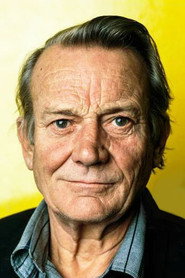 Denholm ElliottTom Bates
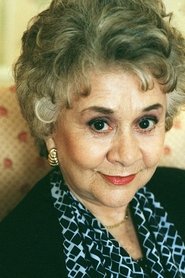 Joan PlowrightNorma Bates
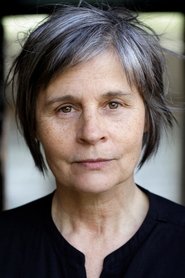 Suzanna HamiltonPatricia Bates
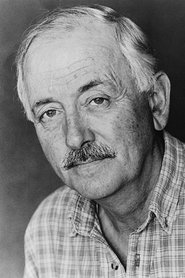 Benjamin WhitrowBusinessman
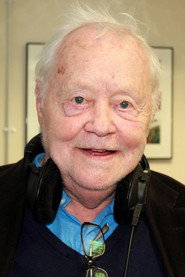 Dudley SuttonStroller
- Mary MacLeodValerie Holdsworth
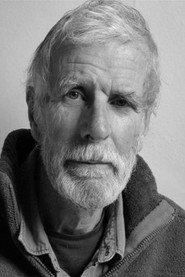 Tim PreeceClergyman
- Elizabeth BradleyWoman Passer By
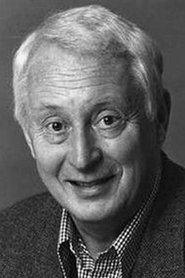 Hugh WaltersMan
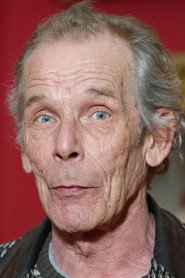 Christopher FairbankDrunk
Directing
- Jonathan BensonAssistant Director
- Richard LoncraineDirector
Writing
- Dennis PotterOriginal Story
- Dennis PotterScreenplay
Production
- Simone ReynoldsCasting Director
- Alan E. SalkeProducer
- Herbert F. SolowProducer
- Kenith TroddProducer
- Robin DouetProduction Manager