
Film
Diary of a Madman
- Horror
- Dark fantasy
- Very dark
Vincent Price stars as a French magistrate slowly unraveling after encountering an invisible, malevolent force he calls the Horla. Part psychological horror, part supernatural thriller, it's a Portrait of Dorian Gray-style descent into madness that uses Price's theatrical intensity to blur the line between genuine haunting and mental collapse. For fans of ambiguous horror and actors chewing elegant scenery.
Should you watch it?
Watch it if you love old-fashioned gothic chills built on a single unreliable man slowly losing his grip, with Vincent Price doing the unraveling in a tidy, theatrical way.
Skip it if you want modern scares with fast cuts and gore, since this runs on atmosphere, polite dread and talky scenes that move at a stately, creaky pace.
What it asks of you: Ninety-six minutes of patient setup and a lot of sitting in rooms while suspicion builds, so settle in for a measured, mostly indoor watch rather than a jolt-a-minute one.
Not sure? Find tonight's pick in a minute.
If you liked this
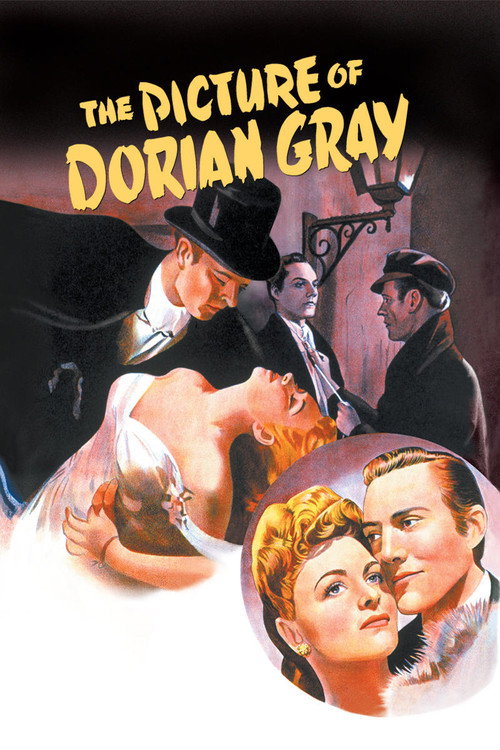
The Picture of Dorian Gray1945
Slow corruption of a beautiful man through supernatural bargain, with that same 1940s Technicolor polish and moral dread. George Sanders is magnificent as the tempter, and like Diary, it asks whether the curse is real or simply vanity run monstrous.
But At 110 minutes it moves at a stately pace, and the philosophical debates can feel dated if you're after genuine scares rather than existential unease.
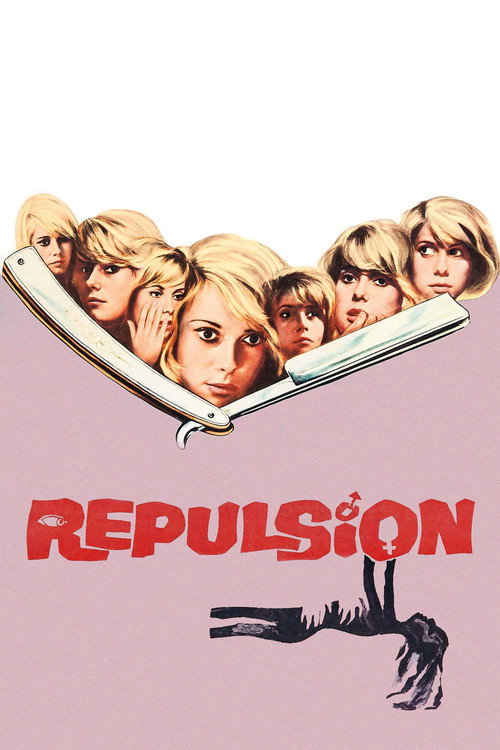
Repulsion1965
Catherine Deneuve's descent into psychological horror as a woman alone in London, pursued by invisible threats that may or may not exist. Polanski captures that same slippery uncertainty between real menace and fractured perception that Price explores here.
But Shot in black-and-white and deliberately claustrophobic; some viewers find Polanski's slow-burn style more frustrating than frightening.
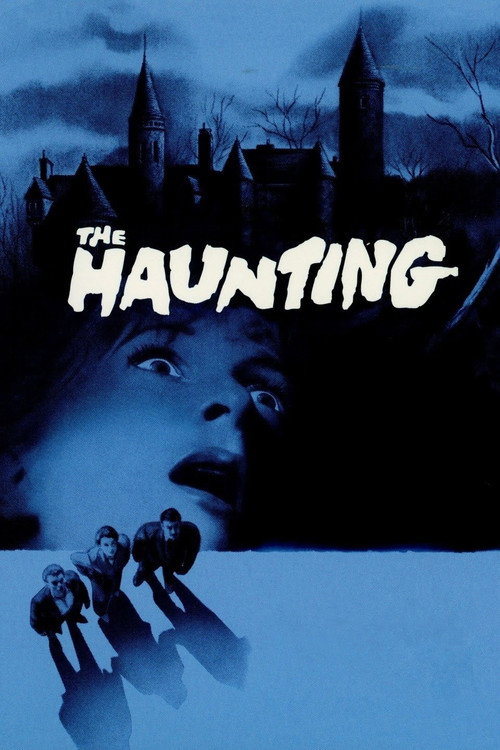
The Haunting1963
Released the same year, Robert Wise's masterpiece uses suggestion and ambiguity to suggest a house may be genuinely haunted or may simply exploit the vulnerabilities of fragile people. Eleanor's spiral echoes Cordier's beautifully.
But The dated effects and slow pacing won't satisfy anyone wanting jump scares or explicit supernatural phenomena.
Not sure tonight? Get a pick in a minute, starting from Diary of a Madman
The wildcard
Something you would not have found on your own.
Possession1981
Both use supernatural horror as the external manifestation of a mind coming apart; both blur the line so thoroughly that 'real' and 'imagined' become meaningless categories.
Andrzej Żuławski's hallucinogenic apocalypse uses a crumbling marriage and a tentacled creature as metaphor for psychological disintegration. Isabelle Adjani's performance rivals Price's in raw intensity, and the film achieves that same slippage between interior and exterior horror.
But Deeply obscure, structurally chaotic, and genuinely difficult to parse; it demands active work from the viewer and rewards almost no one equally.

More like this (8)
The Cabinet of Dr. Caligari1920
The grandfather of psychological horror: a German Expressionist fever dream where the protagonist's sanity—and the reality around him—becomes impossible to trust. Visually grotesque and genuinely unsettling without a single special effect.
But Silent film with extreme theatrical acting and heavy intertitles; the aesthetic barrier is real, and it requires patience.

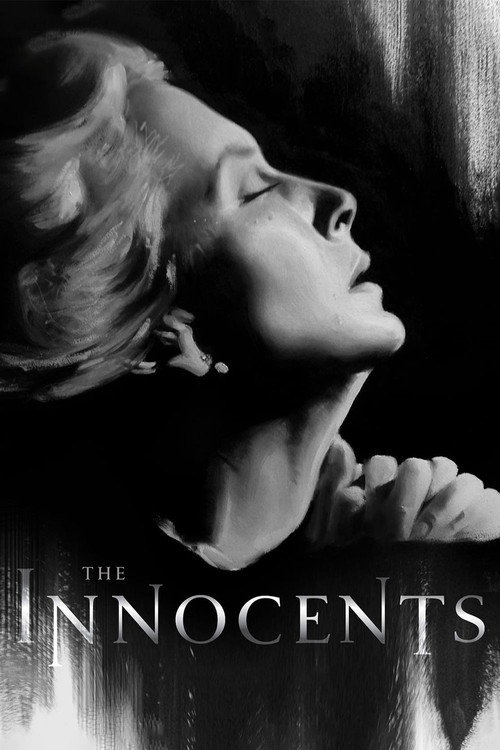
The Innocents1961
Deborah Kerr as a governess haunted by possible ghosts or her own hysteria in an isolated mansion. Jack Clayton's masterpiece achieves that same maddening uncertainty—you leave the theatre unable to swear what you saw.
But Deliberately restrained and visually cold; it withholds the satisfaction of a clear answer, which some find infuriating rather than brilliant.
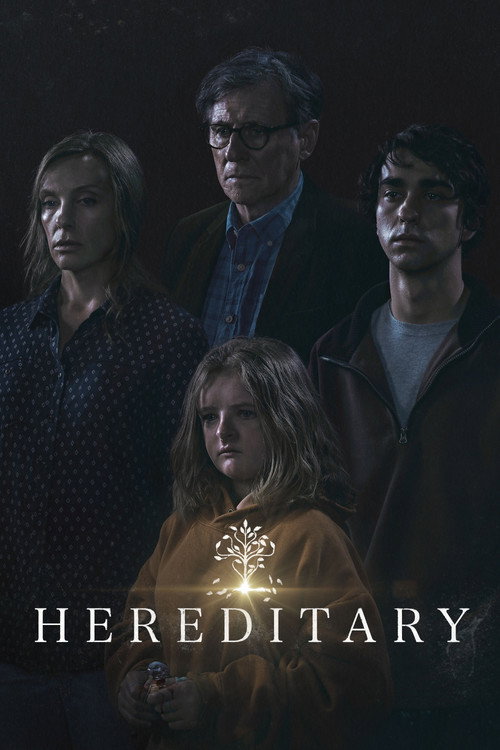
Hereditary2018
Ari Aster's modern horror about a family's spiraling catastrophes—supernatural or inherited madness? Toni Collette delivers a performance as raw as Price's is theatrical, both exploring how tragedy corrodes the mind.
But Extremely graphic violence and sustained family trauma; this is horror for people who want to feel emotionally devastated, not entertained.
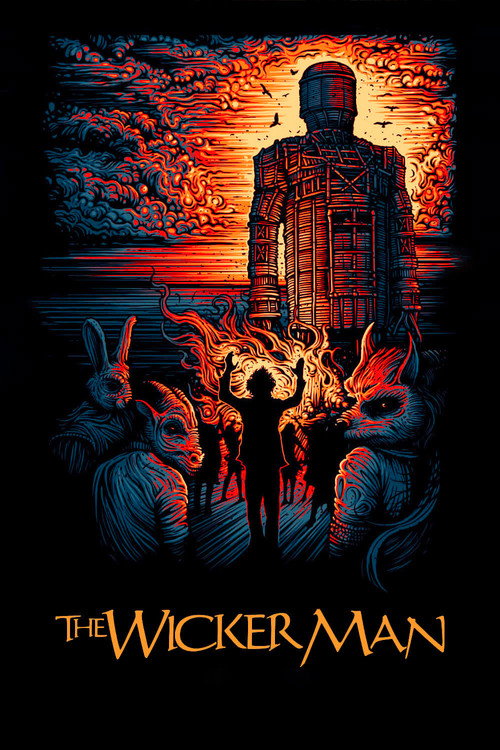
The Wicker Man1973
Edward Woodward's policeman arrives on a remote island to investigate a missing girl and encounters increasingly unsettling rituals. Like Diary, it slowly suffocates its protagonist—uncertain whether the threat is real conspiracy or his own prejudice.
But The pagan folklore elements feel dated, and the climax divides viewers sharply on whether it pays off the build-up.
Mulholland Drive2001
Naomi Watts and Laura Harring navigate a Los Angeles that becomes increasingly dreamlike and sinister. Lynch's fractured narrative mirrors Cordier's unraveling perception—you're never sure which reality you're watching.
But Three hours of deliberate obscurity that rewards obsessive viewing but punishes casual watching; some will find it pretentious rather than profound.

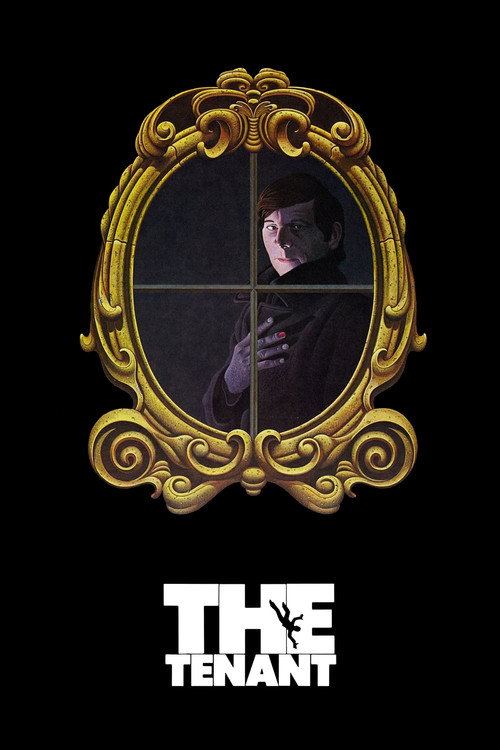
The Tenant1976
Roman Polanski as a meek man renting an apartment where the previous tenant died, slowly becoming convinced his neighbors are conspiring against him. A companion piece to Repulsion: paranoia, isolation, and the question of whether the persecution is real.
But Deliberately antagonistic toward the viewer; Polanski makes his protagonist actively unsympathetic, which distances many audiences.
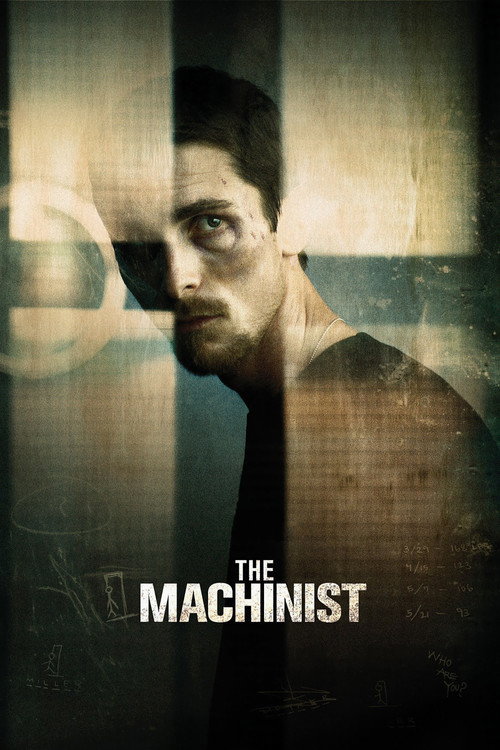
The Machinist2004
Both are descent narratives where the protagonist's grip on reality fractures slowly and the audience descends with them—by the end, you share their uncertainty about what's happening.
Christian Bale (skeletal from extreme weight loss) plays an insomniac factory worker stalked by an inexplicable stranger in a grayscale industrial hellscape. A modern reimagining of psychological horror as intimate personal apocalypse rather than grand supernatural event.
But Relentlessly grim and claustrophobic; the twist some find ingenious, others resent as invalidating the entire film's premise.
The Wailing2016
Like Diary, it asks whether the horror is objectively real or whether multiple contradictory realities can coexist depending on which interpretive framework you choose to believe.
Na Hong-jin's Korean thriller about a village plagued by inexplicable murders where a priest, a shaman, and a detective offer contradictory explanations—possibly all true, possibly all wrong. It achieves ambiguity through layered worldviews rather than psychological instability.
But Over two and a half hours; requires extreme attention; subtitled; and resists all attempts at definitive interpretation or closure.

People
Cast
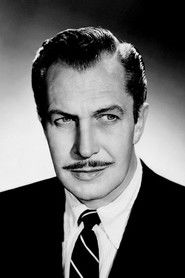 Vincent PriceSimon Cordier
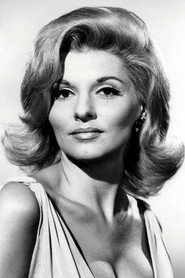 Nancy KovackOdette Mallotte
 Chris WarfieldPaul Duclasse
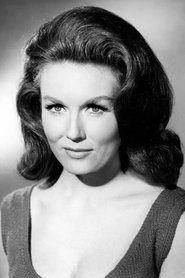 Elaine DevryJeanne D'Arville
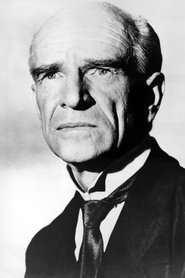 Ian WolfePierre
- Stephen RobertsCaptain Robert Rennedon
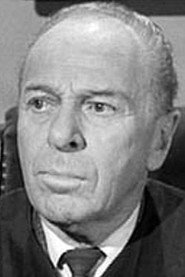 Lewis MartinFather Raymonde
- Mary AdamsLouise
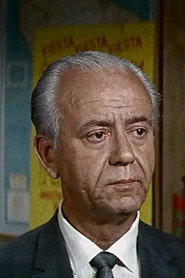 Edward ColmansAndre D'Arville
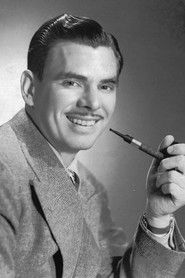 Nelson OlmstedDr. Borman
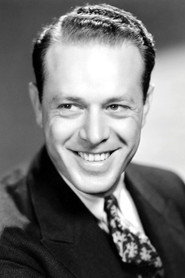 Harvey StephensLouis Girot
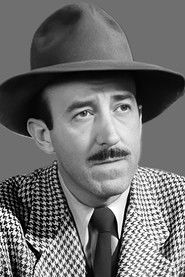 Don BrodieMarcel
Directing
- Al WestenAssistant Director
- Reginald Le BorgDirector
- Jane FickerScript Supervisor
Writing
- Robert E. KentScreenplay
- Guy de MaupassantShort Story
Production
- Edward SmallProducer
- Robert E. KentProducer
- Joseph SmallProduction Manager