
Film
The Eyes of Orson Welles
- Slow-burning
A visual essay built from Welles's own sketches, paintings, and drawings—not film criticism but a portrait of how his eye worked. Mark Cousins narrates as Welles's voice, tracing the man through his visual imagination rather than his biography. Poetic, intimate, and strange in the best way.
Should you watch it?
Watch it if you love artists' sketchbooks and essay films that treat a director's visual imagination as the main subject, and you don't mind a meditative voice guiding you through it.
Skip it if you want a conventional life story told in order, since this roams through paintings, sketches and archive images rather than marching through his career.
What it asks of you: Settle in for nearly two hours of unhurried looking, where images linger and the narrator's voice sets a drifting, reflective pace rather than a plot.
Not sure? Find tonight's pick in a minute.
If you liked this
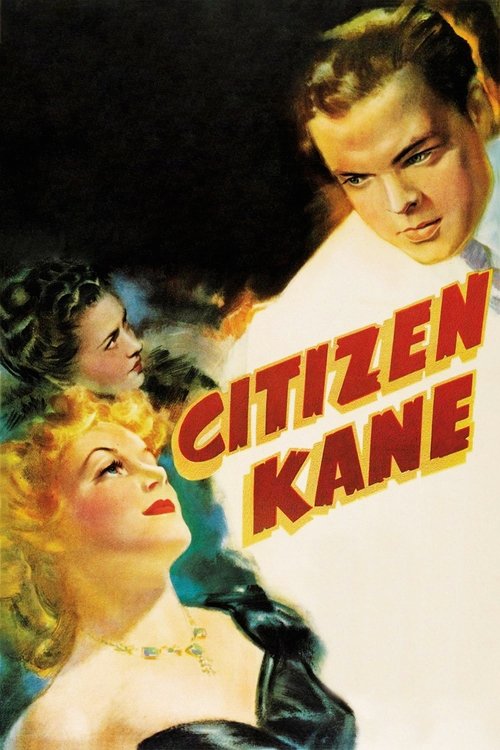
Citizen Kane1941
The masterpiece itself, the thing that changed cinema forever. If you want to understand what made Welles tick, this is where the gift announces itself. Nothing else quite like it exists.
But It's 119 minutes of deep focus and overlapping dialogue, made in 1941. Patient watching required; instant gratification, it isn't.
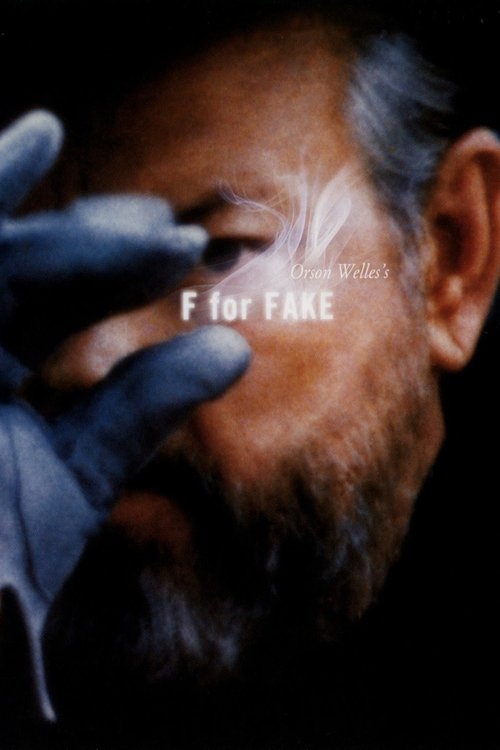
F for Fake1973
Welles at his most playful and personal, a film essay about forgery and truth that's also a magic trick performed on you. It moves like jazz and feels like the man himself holding court.
But Deliberately confusing and structurally loose. If you need a clear narrative spine, this will drive you sideways.
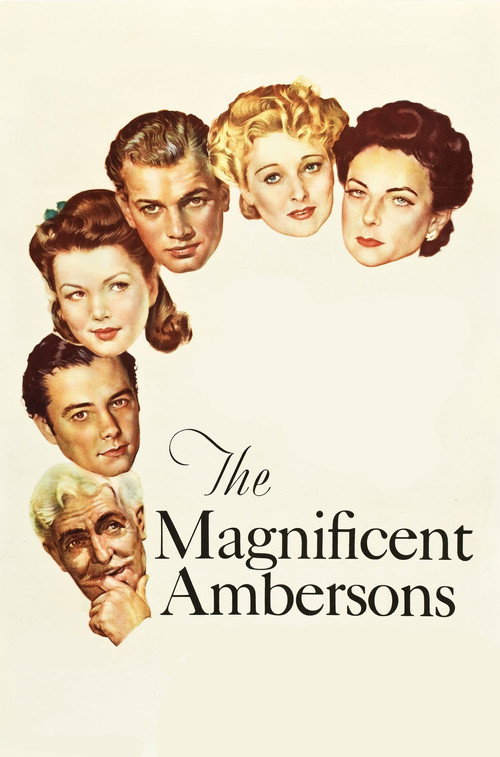
The Magnificent Ambersons1942
Welles's second film, a tragedy about American decline told with visual poetry and something close to rage. It shows a different side of his genius—melancholy, architectural, almost unbearably beautiful.
But The studio cut it from 131 minutes and the original is lost. What remains is brilliant but haunted by what it might have been.
Not sure tonight? Get a pick in a minute, starting from The Eyes of Orson Welles
The wildcard
Something you would not have found on your own.
A Prophet2009
Both use visual composition as a language of power and corruption. Welles sketched buildings and frames; Audiard photographs them as cages and kingdoms.
Jacques Audiard's prison film about transformation and power, shot with compositions of architectural precision that recall Welles's formal genius. It's visual storytelling as moral argument—image as meaning, never decoration.
But A brutal film set inside a French prison. The violence is real and the vision is relentless.

More like this (8)
Chungking Express1994
Wong Kar-wai's visual language speaks the same poetic language as Welles's sketches—colour, light, and feeling before plot. If Eyes makes you hungry for cinema that thinks in images, start here.
But Hong Kong pop sensibility and a fragmented narrative structure. The mood matters more than clarity.

Contempt1963
Godard's film about filmmaking and art versus commerce, with Welles in a small role. A meditation on the creative ego and the price of vision—thematically perfect company for this documentary.
But Slow, intellectually dense, and deliberately artificial. Requires active engagement; passive viewing won't work.

La Haine1995
Mathieu Kassovitz's black-and-white masterpiece about rage and inequality, shot with the visual clarity and compositional brilliance Welles pioneered. Cinema as argument made visible.
But Angry, uncompromising, and set in the Paris suburbs. The subject matter is heavy and the tone gives no comfort.

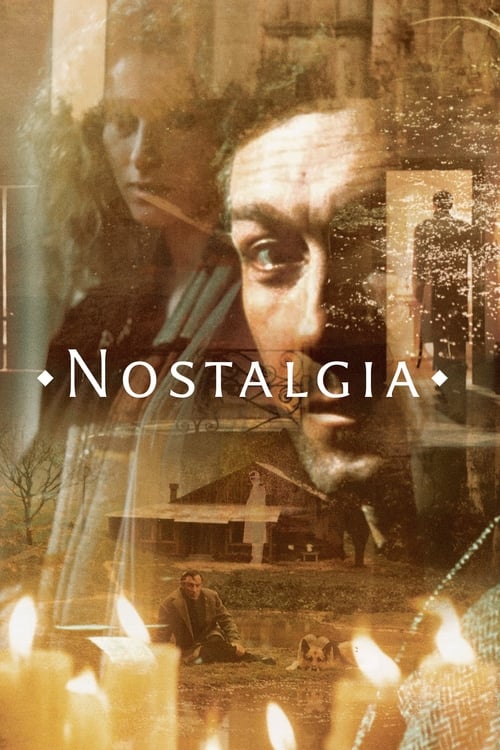
Nostalgia1983
Andrei Tarkovsky's meditation on memory and artistic legacy. Long, painterly shots that let you live in images rather than rush through plot—the visual thinking that Welles lived by.
But 163 minutes of slow cinema. If you're not in the mood to surrender to it, you'll feel every second.
The Third Man1949
Shot by Gregg Toland, the cinematographer who made Citizen Kane possible, with Welles in a supporting role. The visual sophistication comes straight from that partnership. Corrupt, beautiful, perfect.
But Post-war Vienna noir can feel distant and austere. The charm is subdued.

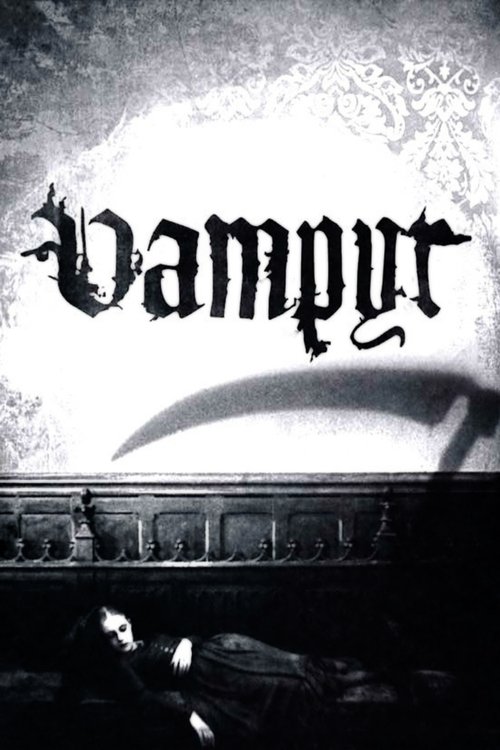
Vampyr1932
Carl Theodor Dreyer's dreamlike horror film proves visual storytelling existed before Welles. If you want to trace the lineage of what made him possible, start here: pure cinema.
But Silent film conventions and a skeletal plot. The strangeness is the whole point, which won't appeal to everyone.
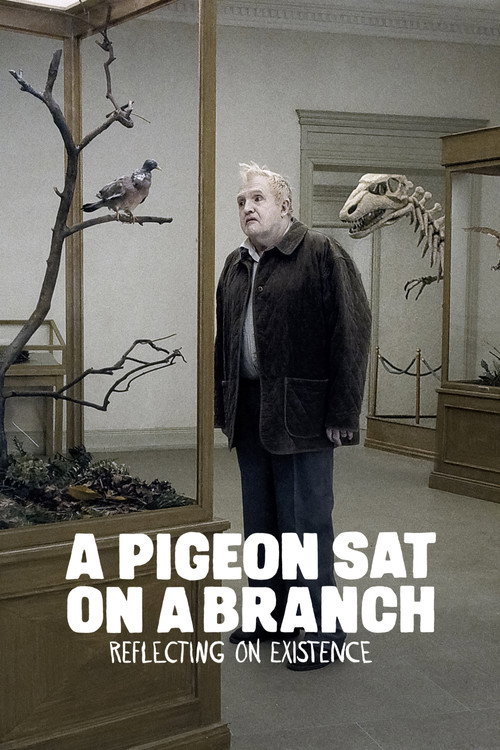
A Pigeon Sat on a Branch Reflecting on Existence2014
Both Welles and Andersson compose images first and let narrative serve vision. The frame is the story.
Roy Andersson's film is built like a series of paintings—static shots of human oddness and beauty, formally obsessive, visually ravishing. It's how a visual artist thinks about cinema, which is exactly what this documentary reveals.
But It's deadpan and virtually plotless. Many will find it alienating; some will find it transcendent.
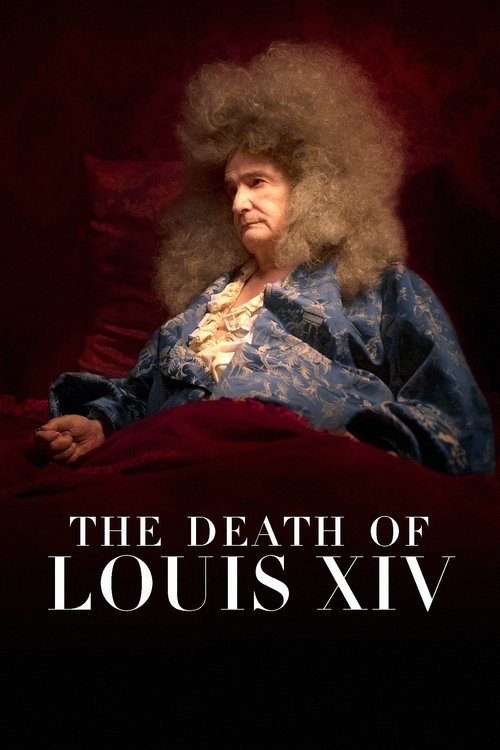
The Death of Louis XIV2016
Like Welles's own sketches, it's an artist thinking through images without apology. Form, color, and composition as the entire substance of cinema.
Albert Serra's film is an extreme act of visual composition—baroque, absurd, formal to the point of strangeness. It reminds you that cinema is paint and light, not dialogue. A rebuke to narrative cinema in favor of pure visual language.
But 90 minutes of a dying man in a room, shot in long takes with minimal plot. It's as challenging as cinema gets, and it doesn't care if you're bored.
People
Cast
 Jack KlaffVoice of Orson Welles (voice)
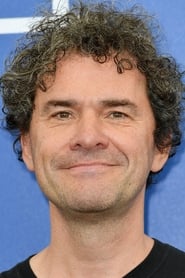 Mark CousinsSelf - Filmmaker / Narrator (voice)
 Beatrice WellesSelf - Orson's 3rd Daughter
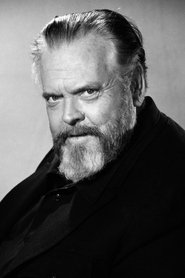 Orson WellesSelf - Filmmaker / Various Roles (archive footage)
- Bernard LevinSelf - TV Host (archive footage)
Directing
- Mark CousinsDirector
Writing
- Beatrice WellesScript Consultant
- Mark CousinsWriter
Production
- Mark BellExecutive Producer
- Mark ThomasExecutive Producer
- Michael MooreExecutive Producer
- Diego Almazán de PabloLocation Manager
- Seán BurkeLocation Manager
- Vincent LongoLocation Manager
- Adam DawtreyProducer
- Mary BellProducer
- Glen ShepherdResearcher
- Vincent LongoResearcher