
Film
Lifespan
- Drama
- Very dark
A 1975 European art-thriller about obsession and mortality, built on Kinski's hypnotic menace. A young scientist gets trapped in an older man's quest for immortality across Amsterdam's atmospheric canals. It's deliberately paced, philosophically dark, and feels like a fever dream. For viewers who want cinema that disturbs rather than entertains.
Should you watch it?
Watch it if you enjoy slow-burning European paranoia where a canal-laced city and a manipulative stranger do most of the talking, and you don't mind being left to puzzle over who is pulling the strings.
Skip it if you need brisk plotting and clear answers, since this is an oblique, dreamlike film whose logic deliberately stays murky and its tone stays cold and gloomy throughout.
What it asks of you: Your attention for its full seventy-seven minutes, since it builds through ambiguous encounters and atmosphere rather than explaining itself, so expect to sit with unanswered questions.
Not sure? Find tonight's pick in a minute.
If you liked this
Stalker1979
Tarkovsky's masterpiece about desire and the hunt for meaning. Like Lifespan, it moves slowly through psychological territory, building dread through atmosphere rather than plot mechanics. Both films trust their audiences completely.
But Meditative to the point of glacial. If you need constant forward momentum or clear narrative payoff, this will test your patience severely.

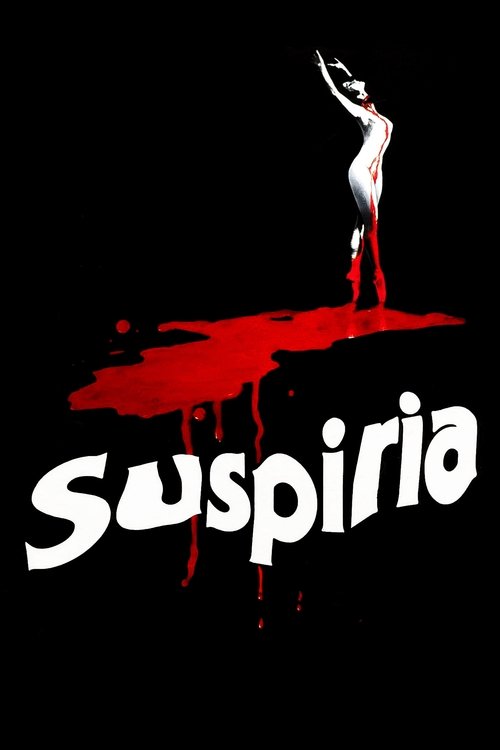
Suspiria1977
Argento's vivid nightmare about a dance academy harboring dark secrets. Shares Lifespan's European setting, obsessive protagonist, and willingness to be visually and morally unsettling without explaining itself away.
But The plot is thin and often nonsensical. You're watching for mood and dread, not a coherent mystery—which frustrates viewers who need logical resolution.
Possession1981
Zulawski's psychosexual horror about a marriage dissolving into madness. Like Lifespan, it uses a European city and escalating psychological torment to explore obsession and the collapse of reason.
But Genuinely nauseating and deliberately incoherent. The chaos is the point, but that point isn't for everyone, and some will find it gratuitous rather than meaningful.

Not sure tonight? Get a pick in a minute, starting from Lifespan
The wildcard
Something you would not have found on your own.
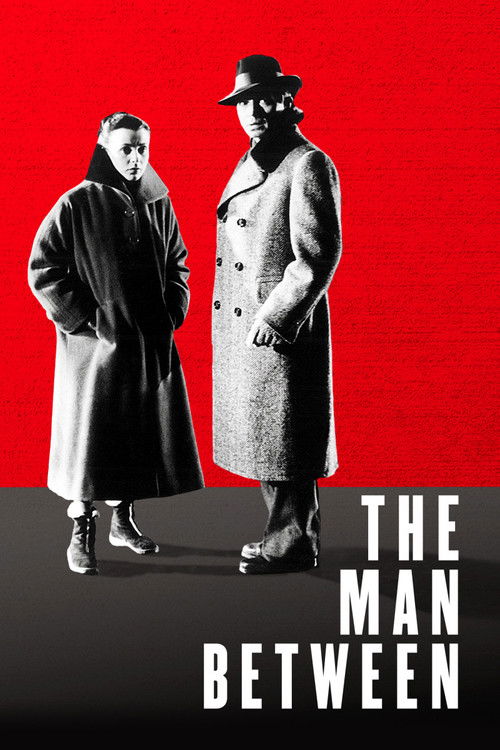
The Man Between1953
Same plot DNA: naive foreigner meets charming older man; the city itself becomes a trap; what seemed like mentorship was always predation.
Carol Reed's post-war Berlin noir about a young woman manipulated by an older man's hidden agenda. It's Lifespan's closest thematic ancestor—both about youth corrupted by age, set in ruins of broken cities, with deception as the real architecture.
But British spy film from the 1950s, so it privileges restraint over the psychological intensity Lifespan builds. Slower burn and less visually stylized than you might expect.
More like this (8)
The Third Man1949
Post-war Vienna thriller where atmosphere and moral ambiguity matter more than plot clarity. Shares Lifespan's European labyrinth setting and interest in deception as a form of control.
But Shot in black-and-white and rooted in 1940s realism. If you need contemporary pacing or modern sensibilities, it can feel slow and remote.

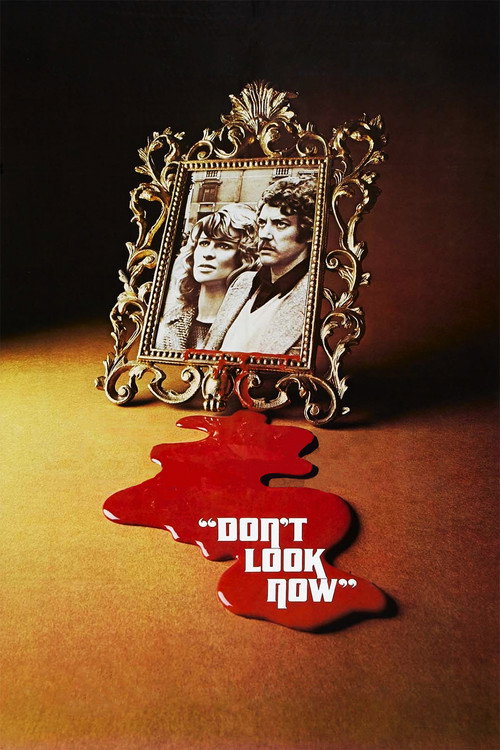
Don't Look Now1973
Roeg's masterpiece of paranoia set in Venice. Like Lifespan, it uses a beautiful European city as a maze where perception becomes unreliable and manipulation is invisible until it's too late.
But The plot hinges on grief and loss that some find emotionally manipulative. Also, that famous scene—if you're watching with others, awkwardness may ensue.
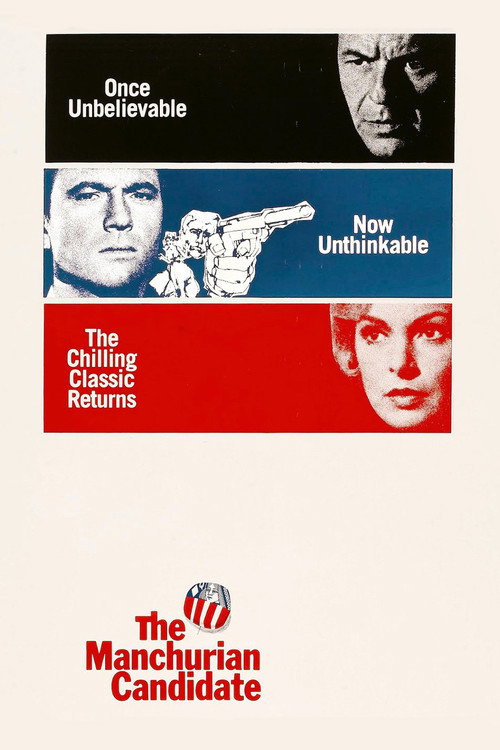
The Manchurian Candidate1962
Cold War thriller about control and manipulation. It shares Lifespan's interest in how people become puppets, and the horror of realizing you've been played all along.
But Very much a product of its moment. The politics feel dated, and modern viewers sometimes find the pacing overly theatrical.
Vampyr1932
Dreyer's silent-era nightmare about a man drawn into a village's supernatural conspiracy. The atmosphere and visual logic resemble Lifespan more than plot—both prefer dread to explanation.
But It's nearly a century old, silent, and moves like a ghost itself. Requires patience and comfort with very old cinema language.

Eyes Wide Shut1999
Kubrick's final film about a man descending into an obsessive maze of conspiracy and desire. Matches Lifespan's interest in how easily rational people are manipulated by mystery.
But Three hours, deliberately repetitive, and sexually charged in ways some find either pretentious or just boring. The ending divides people sharply.

Under the Skin2014
Glazer's abstract sci-fi thriller about an alien seductress in Scotland. Like Lifespan, it privileges mood, strangeness, and visual unease over narrative clarity or character psychology.
But Experimental and elliptical to the point where some viewers find it opaque rather than intriguing. Very little dialogue; long stretches of observation.

Aguirre, the Wrath of God1972
Both films are really about a charismatic obsessive and the people he ruins in pursuit of immortality—literal in Aguirre, literal again in Lifespan. Both direct their fury at the desire itself.
Herzog's obsession-is-madness masterpiece about a conquistador chasing El Dorado into the jungle. Kinski's performance there is the spiritual twin to Ulrich in Lifespan—the fanatic consumed by the hunt for the impossible.
But Shot on 16mm on actual location in Peru with no safety net. The roughness some admire others find technically amateurish, and the pacing is uncompromising.

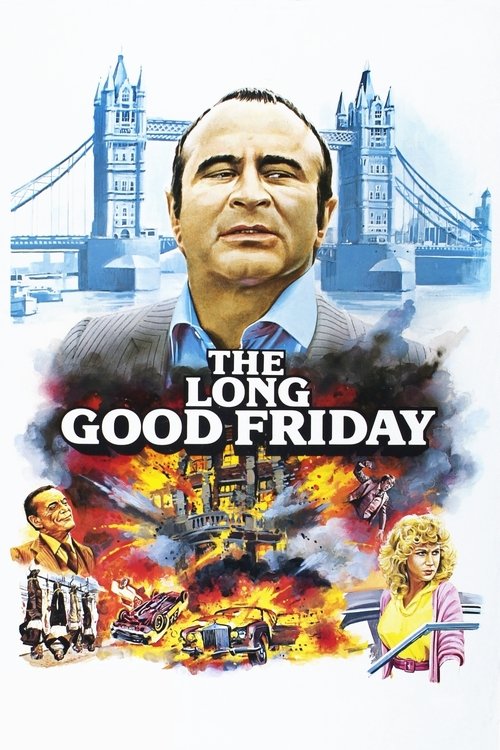
The Long Good Friday1980
Both are about intelligent men who think they're in control of their cities and their fates. Both reveal that the maze is not what it appeared to be, and escape comes too late.
John Mackenzie's gangster thriller set in a crumbling, neon-soaked London. Like Lifespan, it's a European city noir about power, manipulation, and a man realizing he's trapped in a game he doesn't understand.
But British crime film, so it's grounded in grit and dialogue rather than philosophy. If you want the abstract unease of Lifespan, this trades it for visceral realism.
People
Cast
 Hiram KellerDr. Ben Land
 Tina AumontAnna
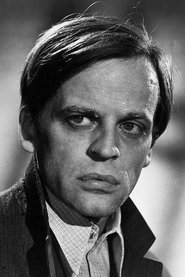 Klaus KinskiNicholas Ulrich
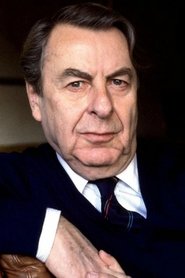 Fons RademakersProf. van Arp
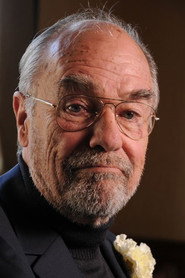 Eric SchneiderDr. Linden
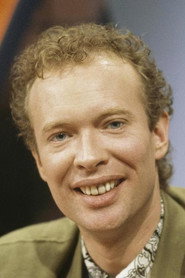 Frans MulderPim Henke
- Lyda PolakLydia
- Joan RemmeltsFamily doctor
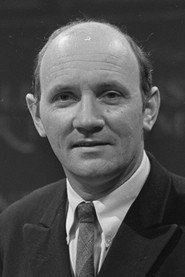 André van den HeuvelFelix Dolda
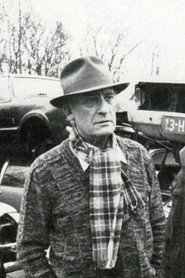 Onno MolenkampDirector of old age home
Directing
- Eva van der VoortAssistant Director
- Olga MadsenAssistant Director
- Sandy WhitelawDirector
Writing
- Judith RascoeWriter
- Sandy WhitelawWriter
Production
- Matthijs van HeijningenAssociate Producer
- Sandy WhitelawProducer