
Film
The Day of the Locust
- Drama
- Very dark
John Schlesinger's unsettling 1975 adaptation of Nathanael West's novel captures 1930s Hollywood as a fever dream of desperation, greed, and spiritual emptiness. It's hallucinogenic and grotesque, shot through with genuine tragedy. For viewers drawn to cinema that doesn't flinch from ugliness or offer easy catharsis. A masterpiece that demands something from you.
Should you watch it?
Watch it if you like Hollywood satire that stares at the dream factory's underside with a painter's eye, and you don't mind your comedy curdling into unease.
Skip it if you need a story with a clear spine, since this drifts through crowds of drifters and parties, and its nastiness is relentless rather than pointed.
What it asks of you: Its runtime is a little under two and a half hours, and it simmers slowly, letting heat, boredom and sour humour pile up before the sudden flare-ups.
Not sure? Find tonight's pick in a minute.
If you liked this
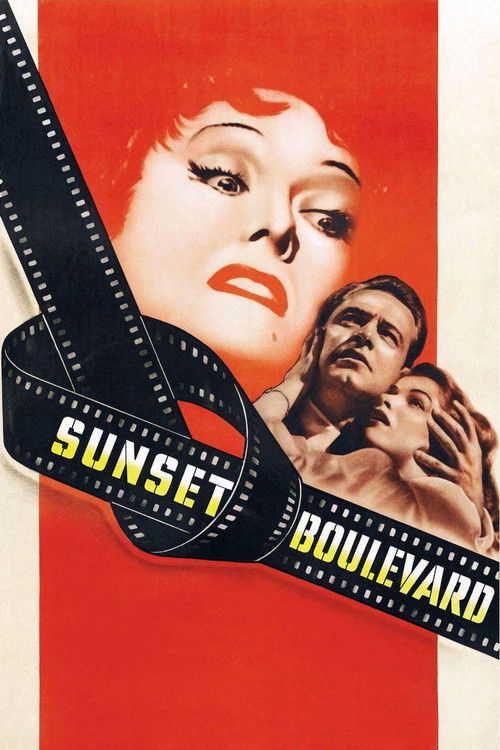
Sunset Boulevard1950
Billy Wilder's portrait of Hollywood's dark side, where ambition feeds on delusion and beauty becomes a commodity. Cynical, blackly comic, and structurally masterful. Essential viewing for anyone interested in what the industry does to people.
But The pacing is deliberate and the worldview is relentlessly bleak. If you need hope or forward momentum in your stories, this will feel suffocating.
Mulholland Drive2001
David Lynch's Los Angeles is a dreamscape where Hollywood's promises curdle into nightmare. Visually stunning, narratively fractured, with performances that haunt you. It captures the same sense of corruption seeping through glamour.
But The structure actively resists coherence. Some find it pretentious; others find it absolutely demands a second viewing to make sense.

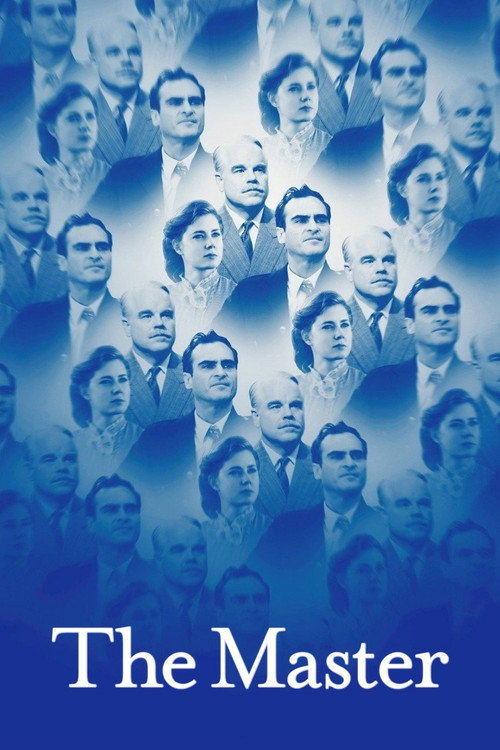
The Master2012
Paul Thomas Anderson's portrait of charisma, manipulation, and the hunger for meaning in post-war America. Joaquin Phoenix and Philip Seymour Hoffman deliver performances of devastating intensity. A film that trusts you to feel discomfort.
But It's deliberately obscure about its intentions. The ending offers no resolution, only perspective. Requires patience and willingness to sit with unease.
Not sure tonight? Get a pick in a minute, starting from The Day of the Locust
The wildcard
Something you would not have found on your own.
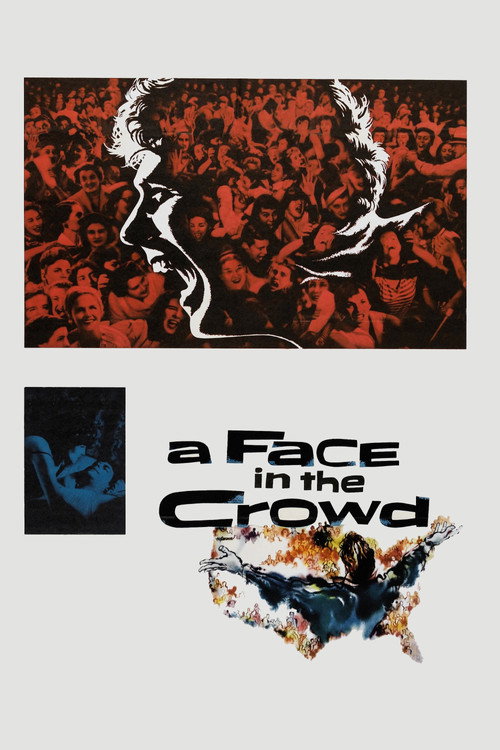
A Face in the Crowd1957
Both films are obsessed with how American systems—here media and performance, there cinema itself—promise everything and deliver corruption. Both see the machinery as predatory.
Elia Kazan's portrait of how charisma becomes power, and how systems corrupt those who wield it. Andy Griffith, against his image, plays a demagogue made of charm and poison. It predates modern media anxiety but prophesies it perfectly. A film about the machinery of desire and control.
But It's blunt about its message and doesn't trust you to infer anything. The righteousness can feel strained to contemporary eyes. Griffith's performance is deliberately hateful.
More like this (8)
In a Lonely Place1950
Ray's film traces how Hollywood chews people up. Humphrey Bogart gives perhaps his finest performance as a man whose talent can't save him from his own nature. Intimate, claustrophobic, heartbreaking.
But The romance at its center doesn't redeem anything. Some viewers expect that structure; this film refuses to provide it.

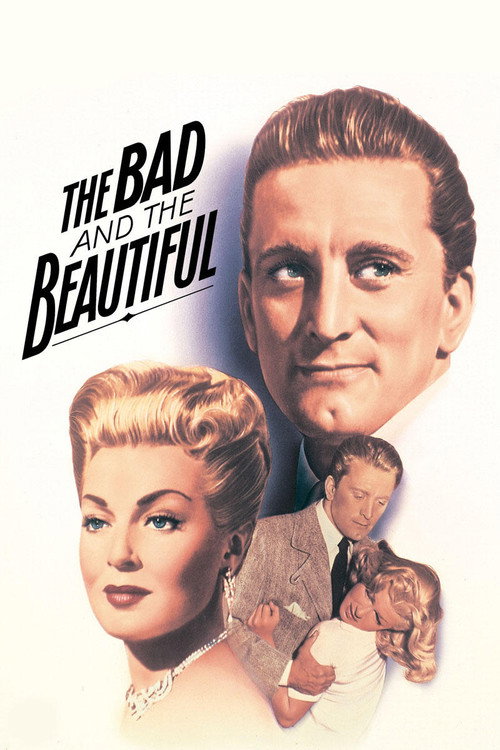
The Bad and the Beautiful1952
Vincente Minnelli's jeweled, glittering examination of artistic ambition and betrayal in the studio system. Kirk Douglas is magnetic and morally corrosive. It's cynical without ever becoming cheap.
But It's more sophisticated than it first appears, which means casual viewing misses what makes it work. The style can seem dated if you're not attuned to it.
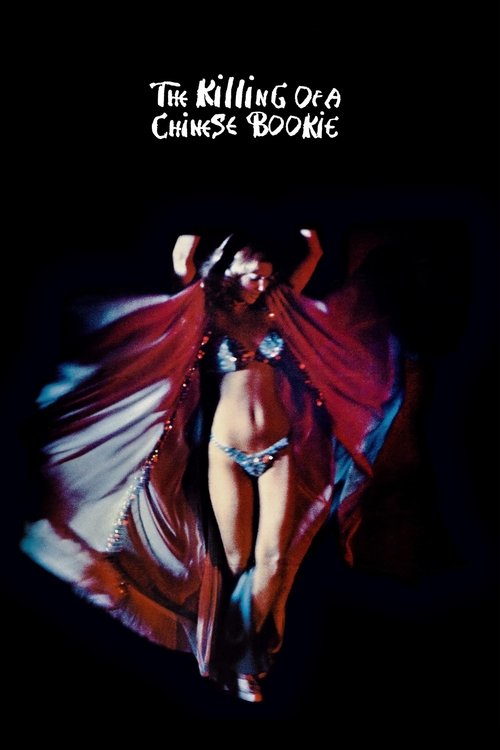
The Killing of a Chinese Bookie1976
John Cassavetes' fever dream of Los Angeles gambling, debt, and masculine performance. Shot in grainy 16mm, it feels like fever and paranoia made visible. Ben Gazzara is riveting. Rough, urgent, alive.
But The narrative is deliberately murky and the film trusts almost nothing to clarity. Many find it impenetrable; some find that the point.
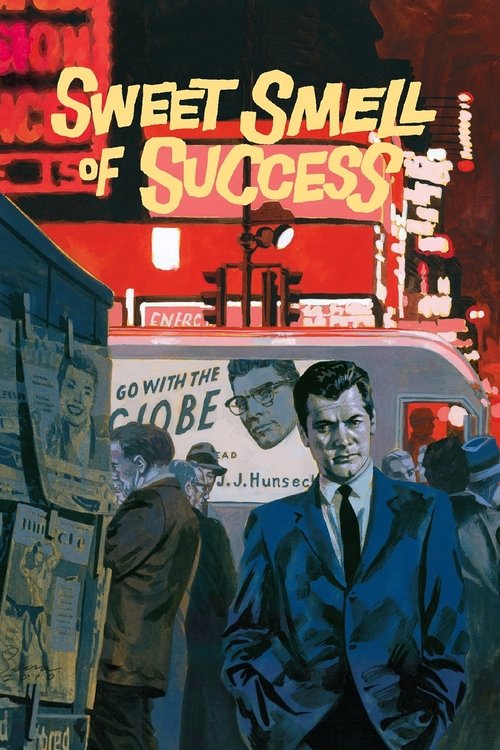
Sweet Smell of Success1957
Alexander Mackendrick's study of corruption, gossip, and the parasitic relationships that feed New York's nightlife. Tony Curtis against type; dialogue like poisoned honey. Morally vicious and utterly gripping.
But Everyone in it is contemptible. If you need a character to root for, this will leave you unmoored. The black-and-white cinematography is stunning but relentless.
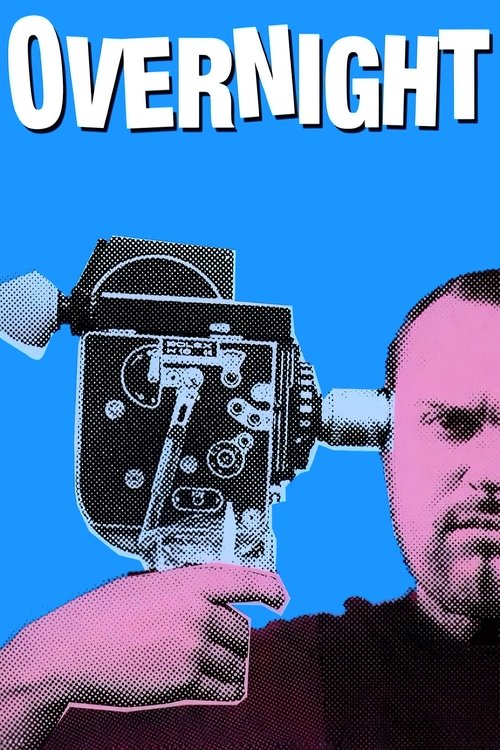
Overnight2003
This documentary follows a young filmmaker as his debut gets made, and watches his talent curdle into entitlement. It's a real-time portrait of corruption and hubris. Simultaneously funny and devastating. A portrait of dreaming badly.
But It feels cruel, and the subject never gains self-awareness. Some viewers feel complicit in the mockery. The handheld style takes getting used to.
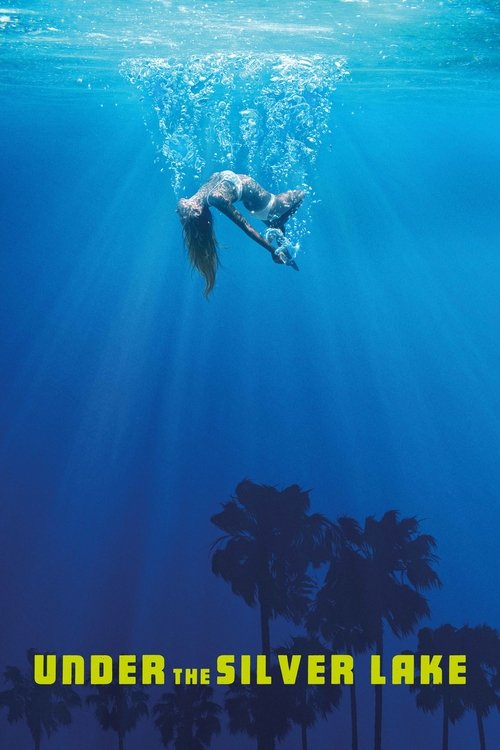
Under the Silver Lake2018
David Robert Mitchell's hallucinatory Los Angeles conspiracy thriller. A young drifter pulls threads in the city's dark fabric. Visually dazzling, narratively daring, absolutely committed to strangeness. Everything connects and nothing quite makes sense—like a fever dream.
But It's nearly three hours. The plot becomes increasingly opaque and the payoff is deliberately unsatisfying. If you need closure or conventional narrative logic, it will frustrate you badly.
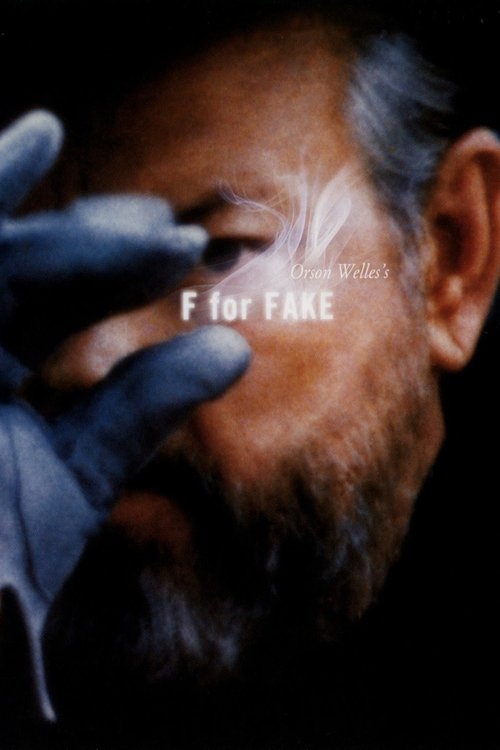
F for Fake1973
Both films are fundamentally about the nature of performance and whether there's anything real underneath. Welles asks it as a formal question; Schlesinger asks it as a moral one.
Welles' essay film about fraud, art, identity, and the stories we believe. It's playful, mischievous, formally radical. Partly about cinema itself as the ultimate con. Fast, dense, and exhilarating. A film that questions what cinema is capable of lying about.
But It's not a narrative; it's an argument in motion. The editing is deliberately disorienting. If you want clarity and linear progression, you won't find it.
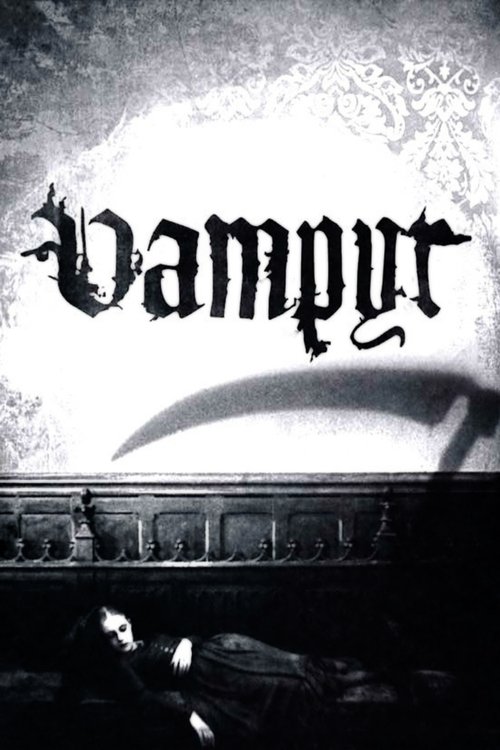
Vampyr1932
Both are fever dreams of corruption spreading through a closed world. Both use visual disorientation to convey moral sickness. Both are ultimately about people who cannot escape the systems that are feeding on them.
Carl Theodor Dreyer's hallucinatory silent horror film about a young man drawn into a village's supernatural decay. Visually extraordinary—shadows move independently, rooms shift meaning, reality becomes unreliable. It's less about plot than pure mood and dread. A film that functions like a fever or a nightmare.
But It's silent, obscure, and the narrative is deliberately fragmented. The pacing is glacial. If you need clarity or conventional scares, this will feel slow and impenetrable.
People
Cast
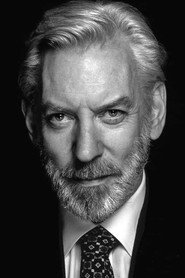 Donald SutherlandHomer Simpson
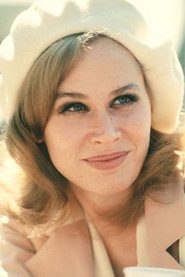 Karen BlackFaye Greener
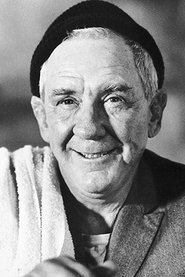 Burgess MeredithHarry Greener
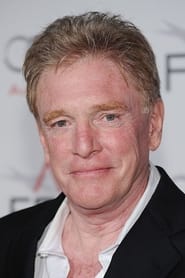 William AthertonTod Hackett
 Geraldine PageBig Sister
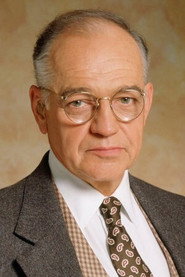 Richard DysartClaude Estee
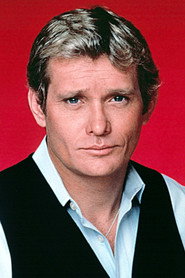 Bo HopkinsEarle Shoop
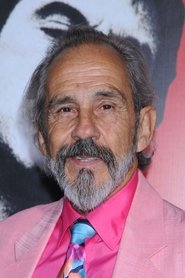 Pepe SernaMiguel
 Lelia GoldoniMary Dove
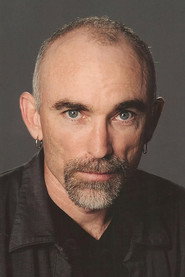 Jackie Earle HaleyAdore Loomis
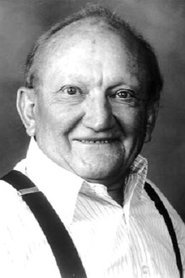 Billy BartyAbe Kusich
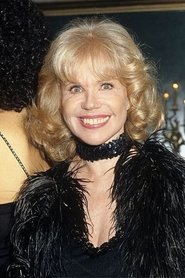 Gloria LeRoyMrs. Loomis
Directing
- Tim ZinnemannAssistant Director
- John SchlesingerDirector
- Karen Hale WookeyScript Supervisor
Writing
- Nathanael WestNovel
- Waldo SaltScreenplay
Production
- Michael ChildersAssociate Producer
- Sheldon SchragerAssociate Producer
- Dianne CrittendenCasting
- Marion DoughertyCasting
- Jerome HellmanProducer
- Sheldon SchragerUnit Production Manager