
Film
The Jungle Captive
The third and final film in Universal's Ape Woman series. A mad scientist resurrects the titular creature to use her blood for his twisted experiments, while his grotesque assistant goes on a kidnapping spree. It's a brisk, cheerfully disreputable B-movie that knows exactly what it is: pulp horror with rubber suits, creaky sets, and gloriously unhinged ambition. Perfect for a double feature if you're in the mood for pre-war monster movies that don't take themselves seriously.
If you liked this
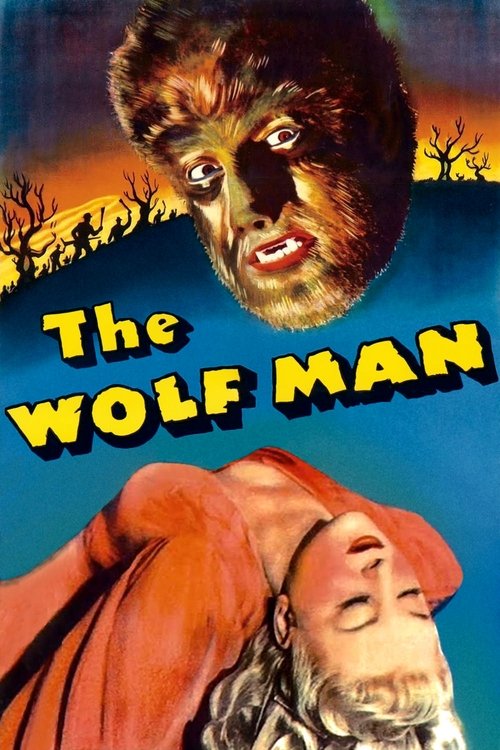
The Wolf Man1941
Lon Chaney Jr. becomes a sympathetic werewolf in Universal's most successful monster picture. Atmospheric, genuinely eerie, and the template for everything that followed. A masterclass in how to make transformation genuinely tragic.
But The pacing meanders, and the romantic subplot grinds the horror to a halt. At 70 minutes it feels longer than it should.
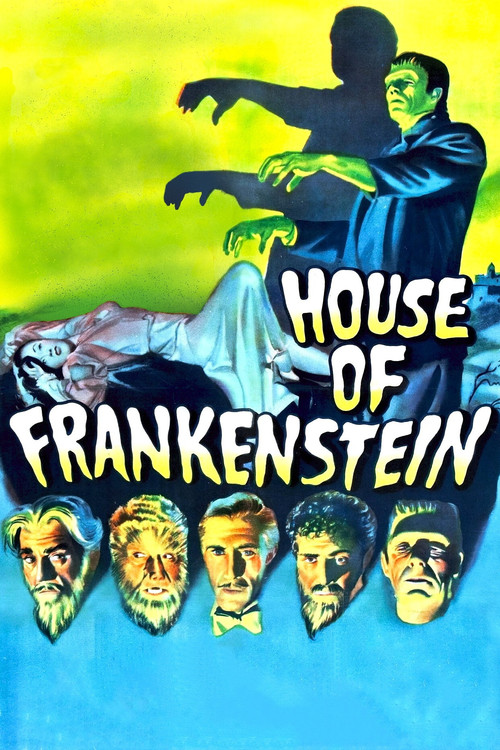
House of Frankenstein1944
Boris Karloff orchestrates a mad-scientist revenge plot that brings together Frankenstein's monster, the Wolf Man, and Dracula. It's gloriously overstuffed, with real atmosphere and the kind of plotting that doesn't care if it makes perfect sense.
But The monster roster means none of them get enough screen time. Some sequences feel rushed, and the ending deflates everything quickly.
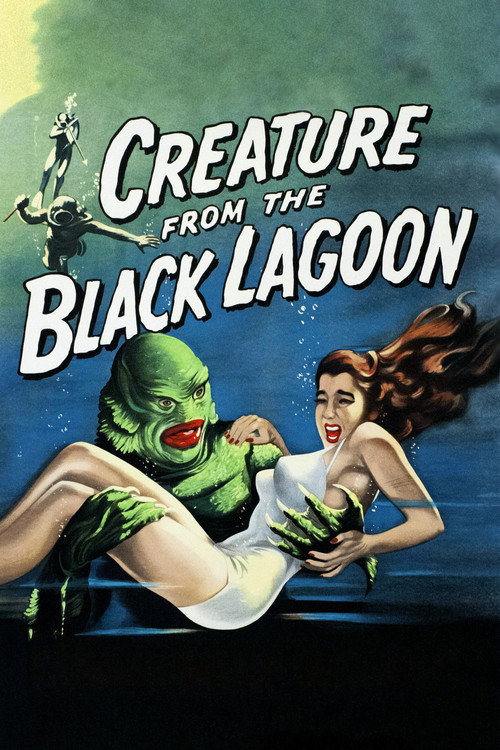
Creature from the Black Lagoon1954
A beautiful, lonely monster is discovered in the Amazon and hunted. Shot in 3D and gorgeous black-and-white, it's got real suspense and a creature design that still holds up. The sadness underneath the scares lingers.
But The female lead is there mostly to scream and be rescued. The love triangle feels obligatory and slows the good parts down.
Not sure tonight? Get a pick in a minute, starting from The Jungle Captive
The wildcard
Something you would not have found on your own.
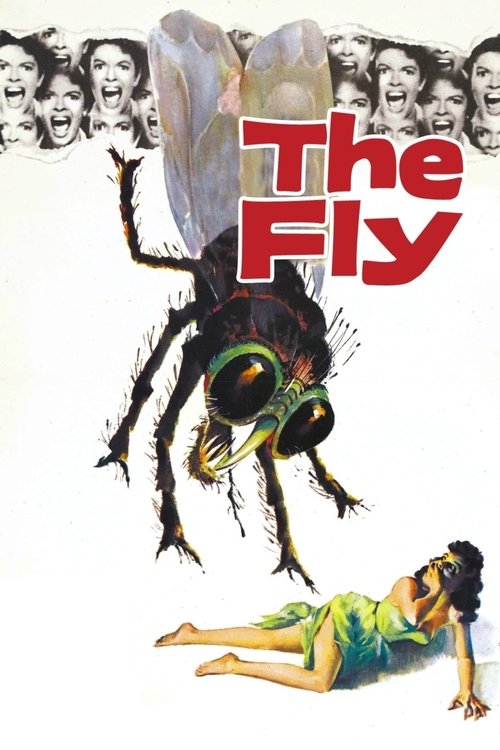
The Fly1958
Both pivot on mad doctors performing irreversible transformations on unwilling subjects. Both are about science as hubris with bodies as the cost.
A scientist becomes part-insect through a teleportation accident. Body horror rendered with restraint and pathos—the transformation is genuinely tragic, and the ending is one of cinema's boldest. Creature effects that still disturb. Different era, same engine: mad science as a path to monstrosity and loss.
But The setup takes forever, and the climax moves fast and brutally. If you want a movie that explains itself, this one trusts you to keep up.
More like this (7)
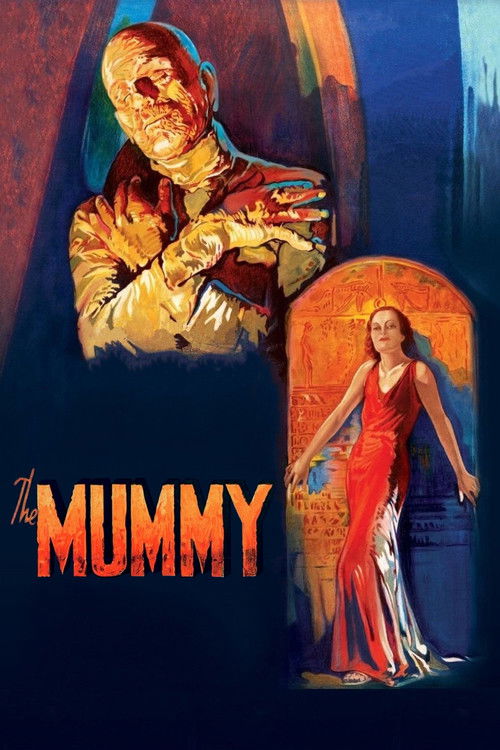
The Mummy1932
Boris Karloff as Imhotep is pure cinema magic—all yearning and otherworldly menace. The atmospherics are pitch-perfect, the pacing hypnotic, and it works as both horror and romance. Universal's most elegantly made monster film.
But Not much actually happens plot-wise. Long stretches are just mood and wandering, which works if you're in that headspace but feels static if you're not.
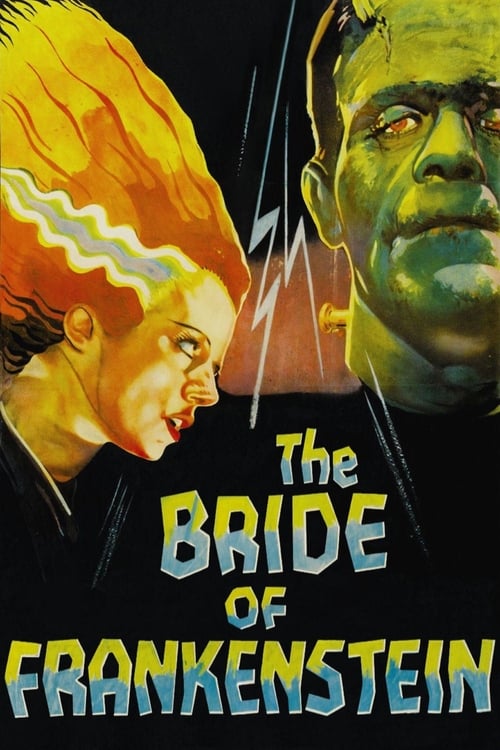
Bride of Frankenstein1935
James Whale's mad genius peaks here. A demented, operatic romp that treats its monster as tragic, its scientist as magnificently insane, and the whole enterprise as a perverse love story. Endlessly inventive and weirdly touching.
But The humor is arch and creaky in ways that haven't aged perfectly. Some of the comedy undercuts the horror intentionally, which isn't for everyone.
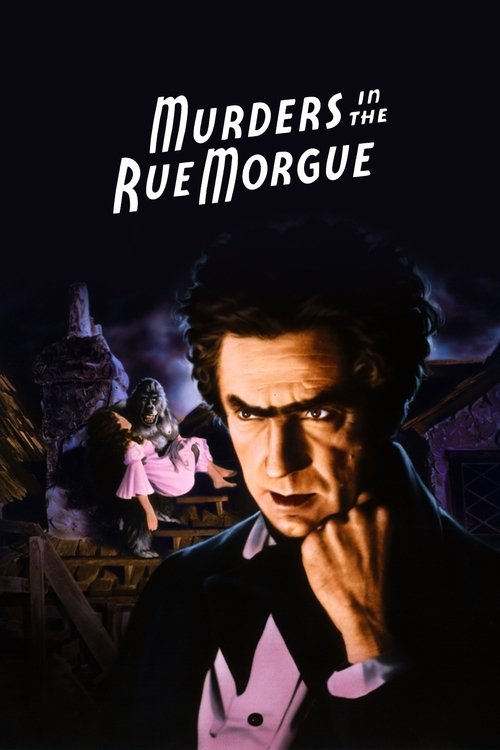
Murders in the Rue Morgue1932
Bela Lugosi as a mad scientist who uses an ape as his instrument of revenge. It's grotesque, darkly funny, and utterly unhinged. The kind of B-movie ambition that occasionally produces something genuinely strange and memorable.
But The dialogue is stiff, the plotting meandering, and the ape effects are obviously just a man in a suit. Patience required.
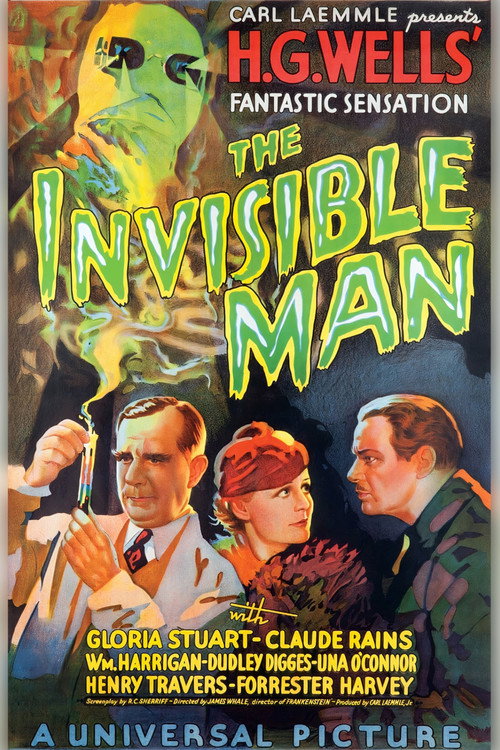
The Invisible Man1933
Claude Rains as a man driven mad by invisibility, articulate and seductive and completely unhinged. James Whale's direction is inventive, the effects revolutionary for the time, and the psychological horror genuinely disturbing.
But The second half devolves into a manhunt that's less interesting than the first hour. Pacing gets choppy as it shifts from character study to action.
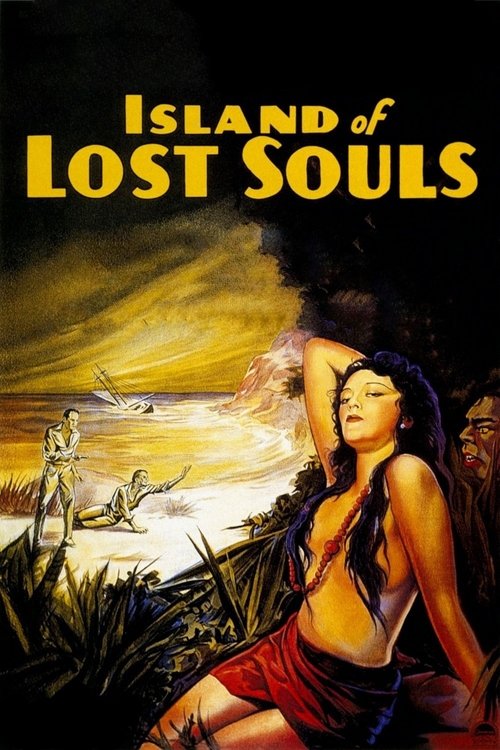
Island of Lost Souls1932
Charles Laughton as a mad doctor creating a race of beast-men on a remote island. Genuinely unsettling in ways that transcend its B-movie budget. Laughton is magnificent, the atmosphere is thick, and it's got real bite.
But The pacing is sluggish and the themes are uncomfortable in ways the film doesn't always handle well. Some sequences feel exploitative without payoff.
The Cabinet of Dr. Caligari1920
Doctor as manipulator. Assistants and subjects as extensions of the doctor's will rather than people. Both are about the authority of mad science over the body.
German Expressionist nightmare in which a doctor uses his sleepwalking subject as a puppet killer. It's visually delirious, structurally ingenious, and unsettling in ways that feel completely different from anything you've seen. Pure cinema language.
But Silent film with intertitles. The distorted sets and performance style are genuinely alienating if you're not prepared. Slow, hypnotic, and strange.

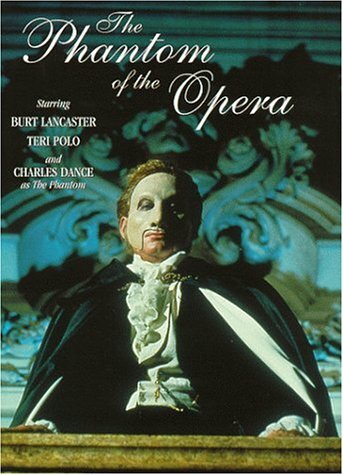
The Phantom of the Opera1990
Both feature tragic disfigured characters who inspire simultaneous revulsion and pity, and both treat monstrosity as a consequence of science or circumstance rather than innate evil.
Terrifying NBC miniseries where the Phantom is fully, grotesquely disfigured—a creature born from acid damage. Bill Nighy brings genuine pathos to the monstrosity. It's visually strange, committed to the horror, and the disfigurement is never prettified.
But 1989 TV production value shows. Pacing is deliberately slow and melodramatic. Romance subplot between people who barely know each other might feel overwrought.
People
Cast
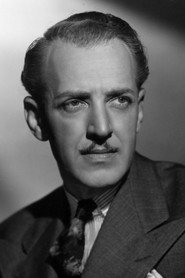 Otto KrugerDr. Stendahl
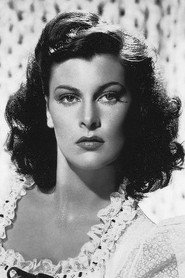 Vicky LanePaula Dupree - the Ape Woman
 Amelita WardAnn Forrester
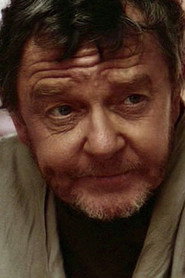 Phil BrownDon Young
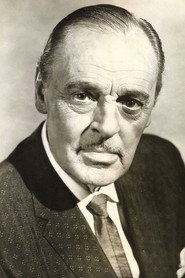 Jerome CowanDetective W.L. Harrigan
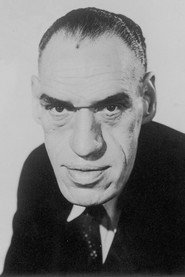 Rondo HattonMoloch the Brute
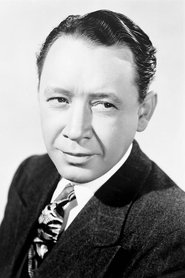 Eddie AcuffBill
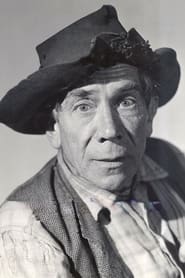 Ernie AdamsJim
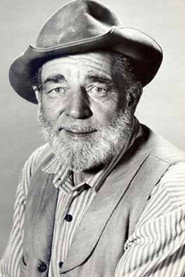
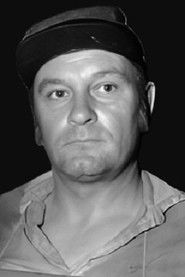 Eddy ChandlerMotorcycle Cop
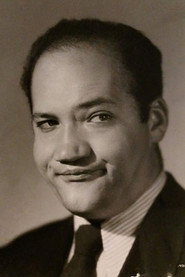 Jack OvermanDetective - George
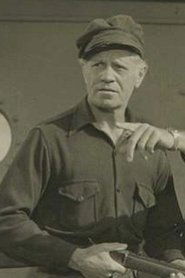 Pat GleasonTom - Second Morgue Attendant (uncredited)
Directing
- Charles S. GouldAssistant Director
- Harold YoungDirector
Writing
- Dwight V. BabcockScreenplay
- M. Coates WebsterScreenplay
- Dwight V. BabcockStory
Production
- Morgan CoxAssociate Producer