
Film
See No Evil
Other titles called See No Evil: the 2006 film.
A 1971 thriller about a newly blinded woman arriving at her uncle's country house, only to find herself hunted by an unseen killer. It's taut and clever about disability—Sarah's blindness is genuinely disorienting for the audience too. A slow-burn cat-and-mouse game that trusts you to sit in the dark.
If you liked this
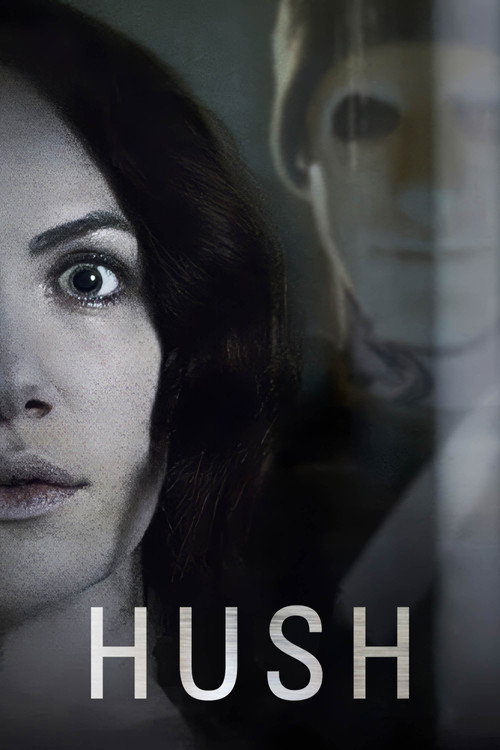
Hush2016
Modern variation on the same premise: a deaf woman alone in her house with a killer outside. Smart, visceral, and genuinely inventive about how disability becomes strategy rather than vulnerability.
But Relies on jump-scares and home-invasion violence that feel more gratuitous than See No Evil's psychological dread. Harder to watch.
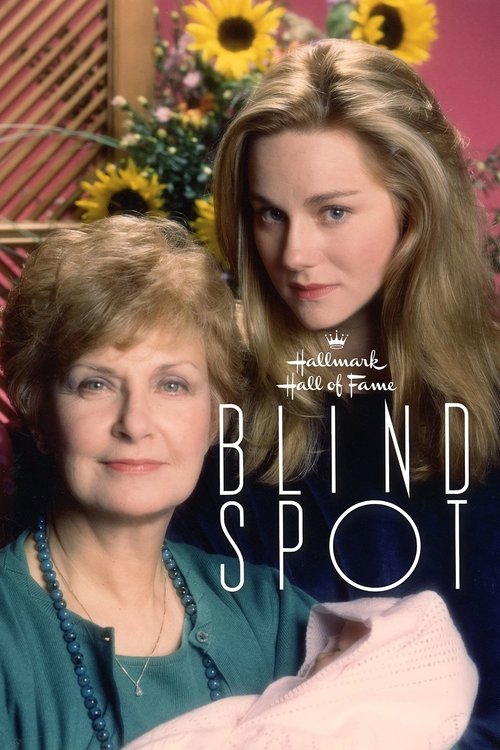
Blind Spot1993
Yugoslav film about a woman pretending to be blind to escape her abuser. Builds unbearable tension from the lie itself—you're constantly afraid she'll be discovered. Moral and formal inventiveness in equal measure.
But Deliberately paced and bleak. Some subtitled dialogue is difficult to follow; the film doesn't make it easy.
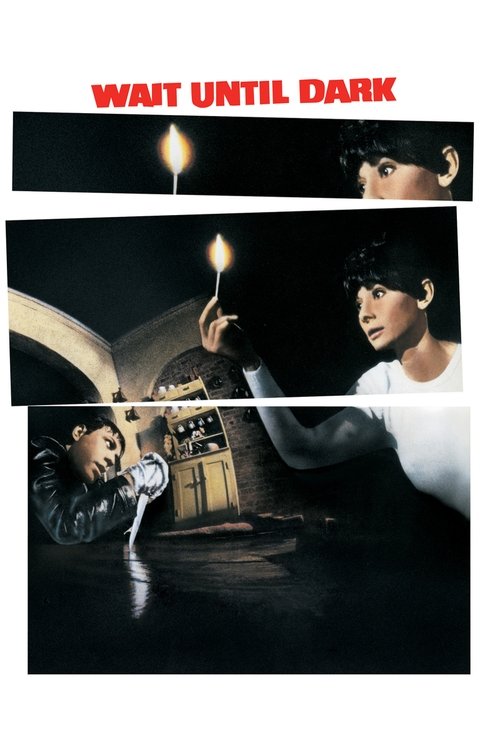
Wait Until Dark1967
Audrey Hepburn as a blind woman terrorised in her own home by criminals. Tense, well-crafted, and Hepburn is extraordinary. The definitive version of this story in many ways.
But Slightly stagey—it's adapted from a play and you feel it. The ending is a bit tidy compared to real stakes.
Not sure tonight? Get a pick in a minute, starting from See No Evil
The wildcard
Something you would not have found on your own.
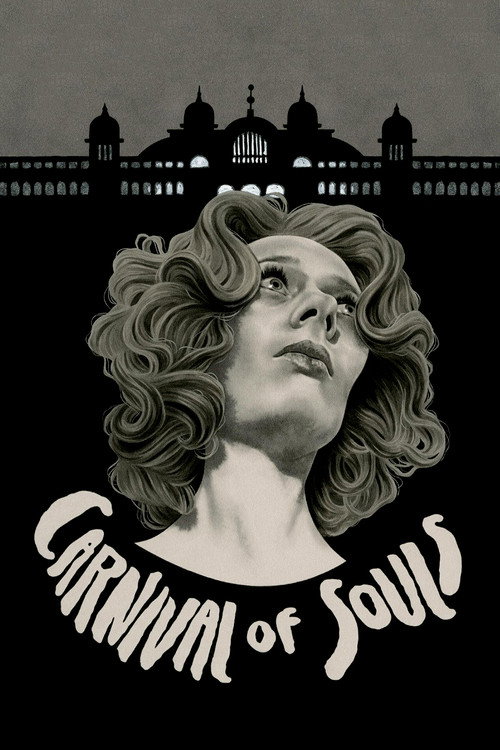
Carnival of Souls1962
Both films use sensory isolation—blindness here, invisibility there—to create existential horror. Both understand that the real terror is not the killer but the complete severance from the world around you.
Woman survives a car crash and discovers she's invisible to the living world, haunted by ghostly figures. A fever-dream of isolation and slow-dawning horror. Black-and-white, low-budget, hypnotic—cinema that feels like a nightmare.
But Deliberately strange and dreamlike. Very little conventional plot; it demands you sit with atmosphere and dread rather than following a story.
More like this (7)
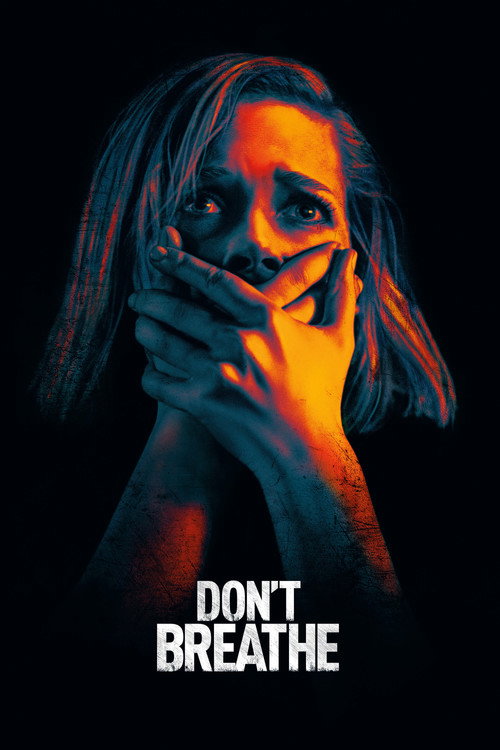
Don't Breathe2016
Burglars break into a blind veteran's home and discover he's far more dangerous than they are. Brilliantly constructed inversion: his disability becomes his weapon. Visceral and darkly funny.
But Graphically violent and sexually brutal. Not for someone wanting subtlety or restraint.
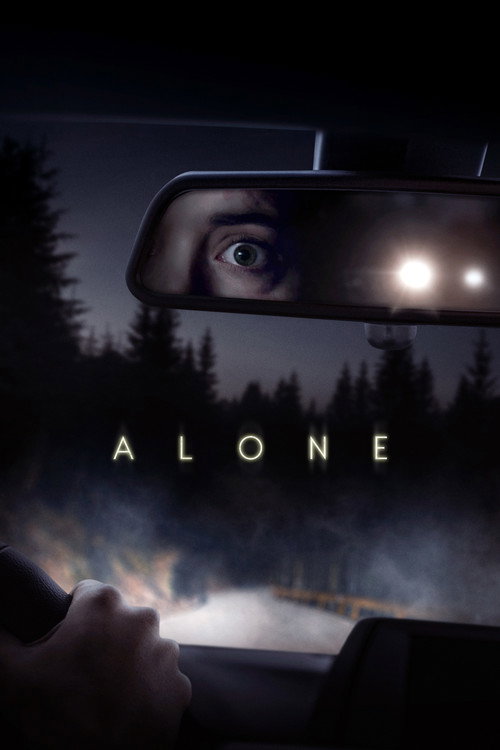
Alone2020
Woman on a road trip pursued by a kidnapper. Minimal dialogue, maximum atmosphere. Uses landscape and isolation the way See No Evil uses darkness and blindness—the environment becomes another character.
But Very slow and very quiet. If you need plot momentum or dialogue, this will feel empty.
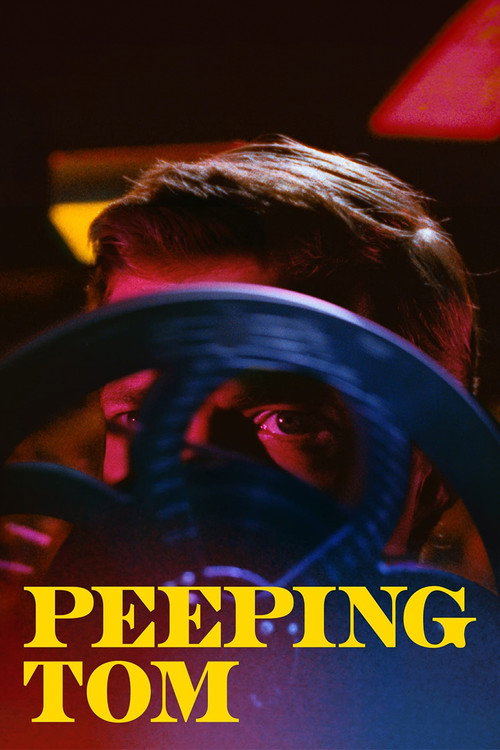
Peeping Tom1960
A cameraman murders women while filming them. Inverts the voyeurism of See No Evil: here the killer needs to see, and that need is pathological and tragic. Genuinely unsettling.
But Controversial on release for its sympathy toward the killer. Some viewers will find that morally queasy.
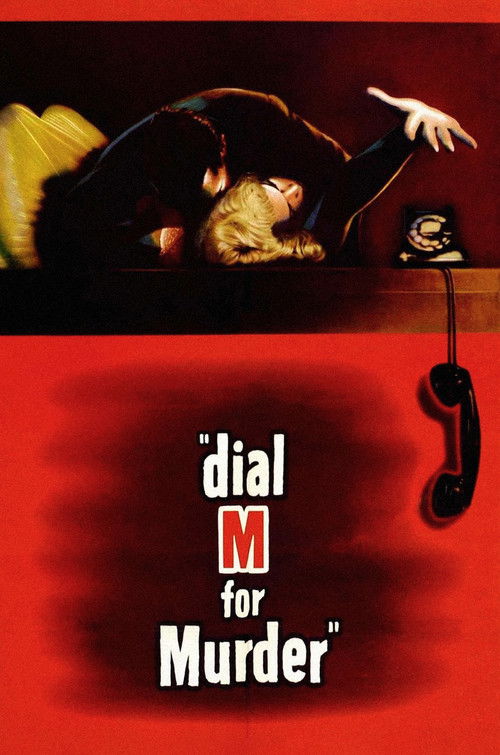
Dial M for Murder1954
Hitchcock's chamber piece about a husband plotting his wife's murder. Claustrophobic, darkly witty, and constructed like a locked-room puzzle. A masterclass in tension from talk alone.
But Theatrical and occasionally camp. The pacing is deliberate to the point of slowness; it's a film about conversation, not action.
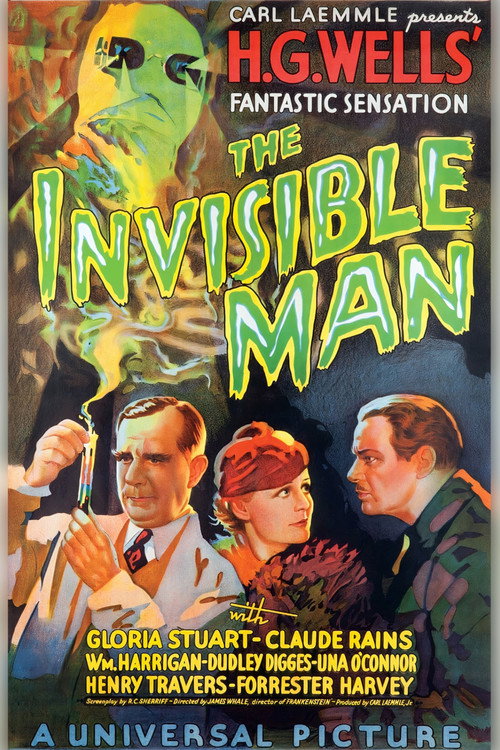
The Invisible Man1933
A scientist becomes invisible and descends into murderous madness. Like See No Evil in reverse: instead of blindness creating vulnerability, invisibility creates godlike power and corruption.
But Very old and shot in a theatrical style. The special effects are quaint. Comedy elements undercut some of the terror.
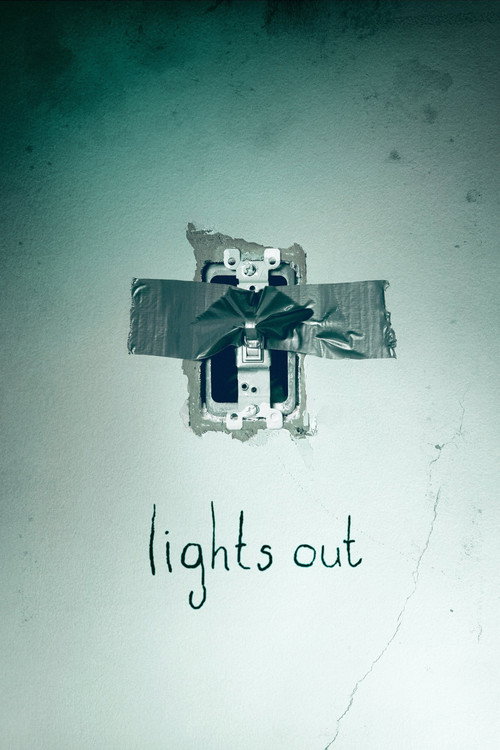
Lights Out2016
Creature that exists only in darkness hunts a family. Uses light and shadow the way See No Evil uses blindness—as sensory deprivation and dread. Short, punchy, and genuinely creepy.
But Relies on jump-scares. The creature design is not particularly original. Plot is thin.
Mulholland Drive2001
Both are about seeing and not-seeing, truth and performance. See No Evil uses blindness literally; Mulholland Drive uses cinema itself—the unreliable narrator, the false memories, the masks of identity—to make the audience as lost and disoriented as its characters.
Lynch's labyrinthine Hollywood nightmare about identity, obsession, and delusion. Visually stunning, narratively impossible to pin down, emotionally devastating. A three-hour dream you can't wake from.
But Deliberately resistant to interpretation. You will not 'solve' it. If you need clarity and closure, this will frustrate you.

People
Cast
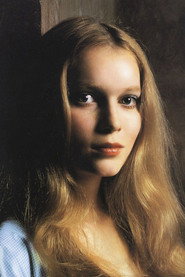 Mia FarrowSarah
 Dorothy AlisonBetty Rexton
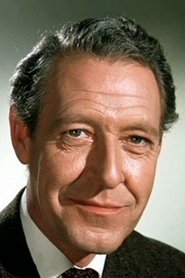 Robin BaileyGeorge Rexton
- Diane GraysonSandy Rexton
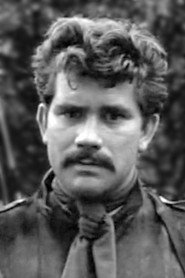 Brian RawlinsonBarker
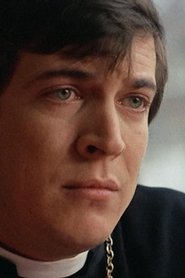 Norman EshleySteve Reding
 Paul NicholasJacko
- Christopher MatthewsFrost
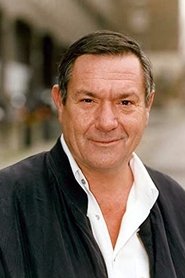 Michael ElphickGypsy Tom
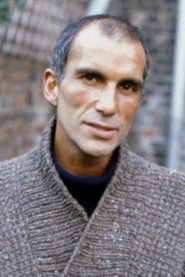 Barrie HoughtonGypsy Jack
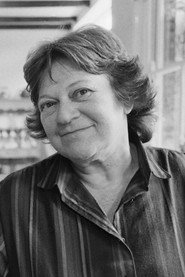 Lila KayeGypsy Mother
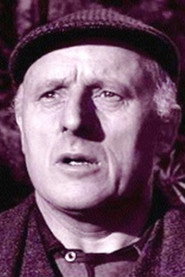 Donald BissetDoctor
Directing
- Richard FleischerDirector
Writing
- Brian ClemensWriter
Production
- Leslie LinderProducer
- Martin RansohoffProducer