
Film
Vidocq
Vidocq is a lavishly visual 2001 thriller about a legendary 19th-century detective vanishing into Paris's criminal underworld. It's a fever dream of a film—all shadow, gold leaf, and baroque production design—that treats historical crime fiction as pure visual storytelling. For viewers who want style to overwhelm substance, who loved *The Cell* or *League of Extraordinary Gentlemen*.
If you liked this
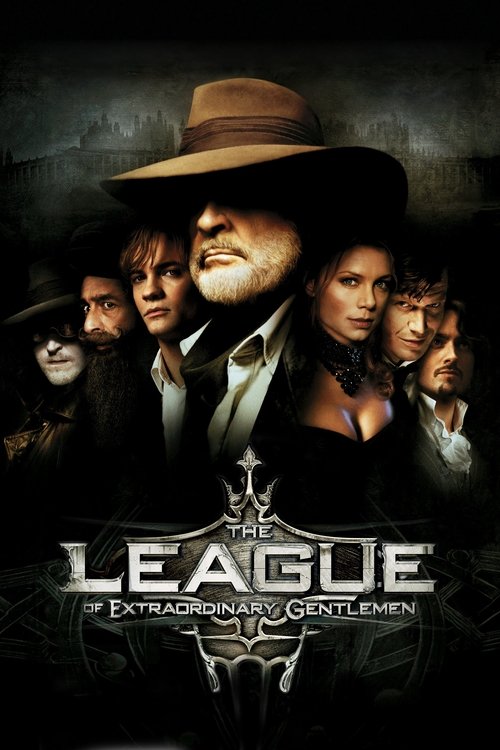
The League of Extraordinary Gentlemen2003
Shares Vidocq's love of steampunk aesthetics, ensemble casts of historical rogues, and the idea that Victorian-era pulp is inherently cinematic. Both films swing for the fences.
But The excess can tip into incoherence; plot takes a backseat to spectacle. Some find it exhausting rather than exhilarating.
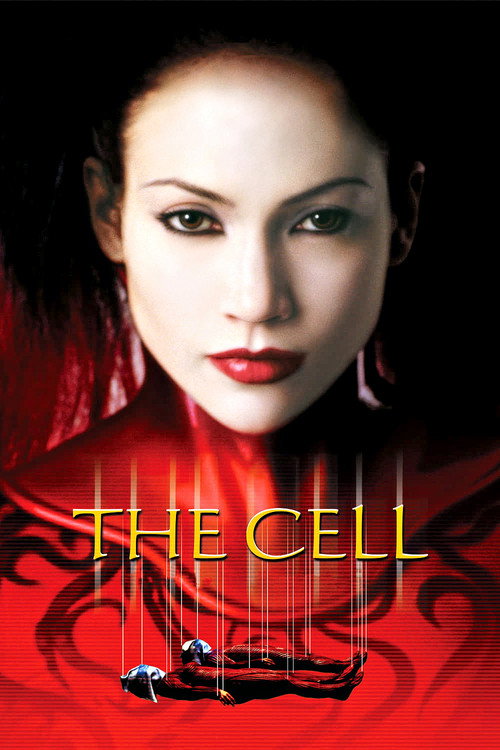
The Cell2000
Tarsem Singh's visual masterclass in making a serial-killer thriller look like fever-dream gallery installation. Like Vidocq, it prioritizes overwhelming imagery over narrative clarity—the style *is* the story.
But The plot is thin and sometimes nonsensical. If you need psychology and logic, this will frustrate you.
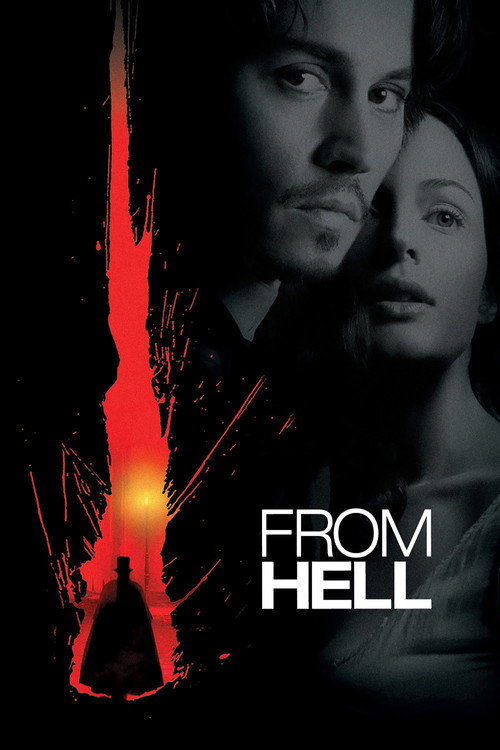
From Hell2001
Another historical crime story dressed in Gothic atmosphere and baroque production design, with Johnny Depp as an obsessive detective. Shares Vidocq's commitment to mood over plausibility.
But Comes across as derivative of better Jack the Ripper tales. The historical revisionism may annoy purists.
Not sure tonight? Get a pick in a minute, starting from Vidocq
The wildcard
Something you would not have found on your own.
In the Mood for Love2000
Both are 2000-era films that treat narrative as almost incidental to visual supremacy. Both create worlds that exist primarily for the eye, not the brain.
Wong Kar-wai's film is pure visual intoxication—every frame composed like a painting, the story secondary to atmosphere. Like Vidocq, it proves that cinema can be primarily an experience for the eyes.
But The plot is almost secondary; it's about color, texture, and the feeling of watching rather than understanding. Some find it inaccessible.

More like this (8)
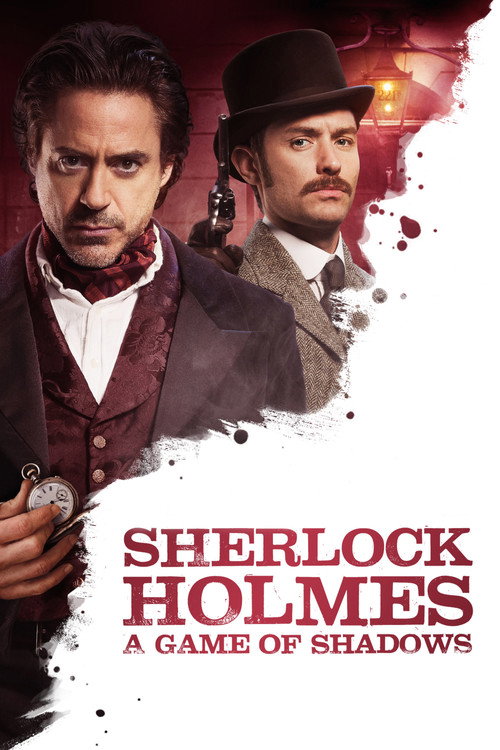
Sherlock Holmes: A Game of Shadows2011
Robert Downey Jr. as a detective navigating shadowy European locations and elaborate set pieces. Blends action, mystery, and visual extravagance with period-appropriate flair.
But Favors action sequences over detective work. Some find it too bombastic for what should be a cerebral film.
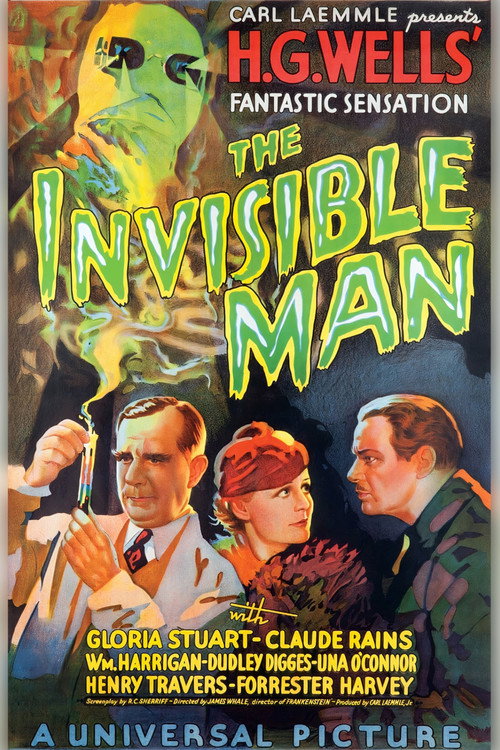
The Invisible Man1933
A pulp-era masterpiece that influenced everything that came after it, including Vidocq. Universal Gothic Horror with genuine creativity and technical innovation that still holds up.
But It's ninety years old. The pacing is slow by modern standards, and the invisibility effects, while clever, won't dazzle you.
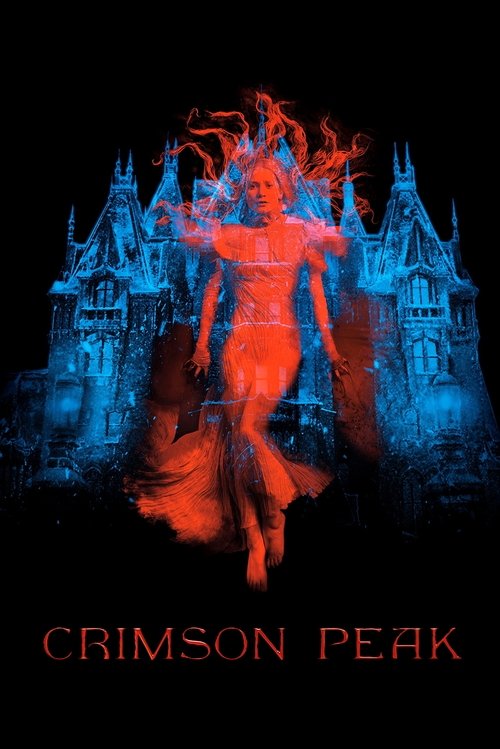
Crimson Peak2015
Guillermo del Toro's Gothic mansion mystery that treats Victorian-era storytelling as a canvas for lush, almost operatic visuals. Murder, mystery, and production design as the main event.
But The plot is fairly conventional once you see where it's going. Some feel the style overwhelms the substance a bit much.
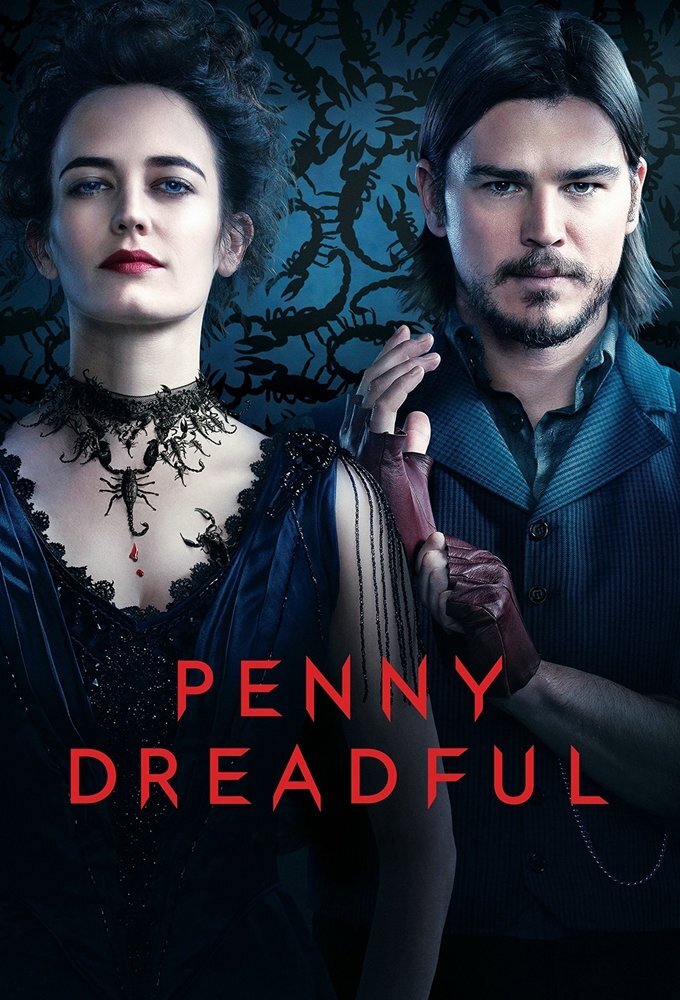
Penny Dreadful2014
Victorian London full of monsters, literary characters, and visual richness. Treats pulp historical fiction with genuine sophistication while maintaining that sense of overheated melodrama.
But Slow-burn storytelling with long stretches of introspection. The occult plotting can feel meandering.
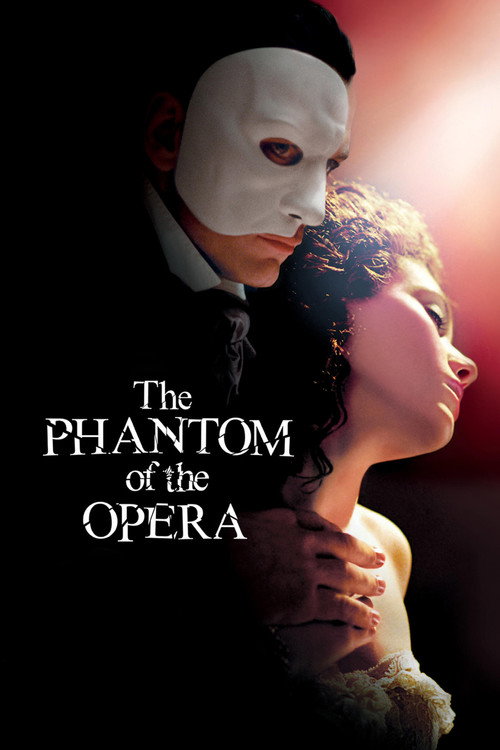
The Phantom of the Opera2004
Joel Schumacher's operatic excess applied to Leroux's classic. Pure visual romance with practical sets, grand design, and a commitment to sensation over subtlety.
But The plot is familiar and the pacing drags. Romantic subplot overwhelms the mystery elements.
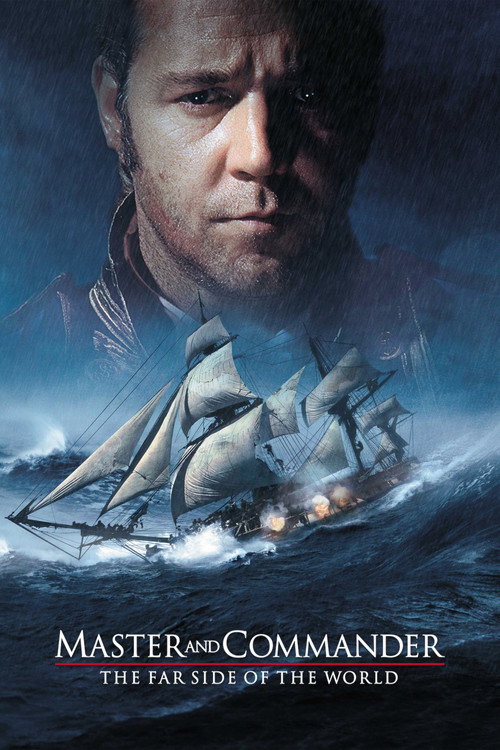
Master and Commander: The Far Side of the World2003
Early-2000s period filmmaking at its most ambitious: meticulous production design, lived-in atmosphere, and an older actor (Russell Crowe) commanding the frame with authority.
But Nautical terminology and military strategy overwhelm some viewers. The pacing is deliberate, not brisk.
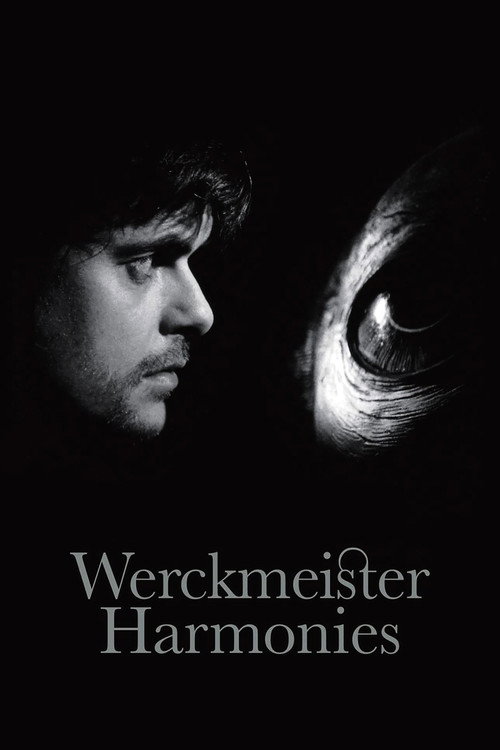
Werckmeister Harmonies2001
Where Vidocq is color and chaos, Werckmeister Harmonies is grayscale and stillness—but both prioritize visual language over narrative. Both are films where the director's visual obsession overwhelms plot. Opposite ends of the same spectrum.
Béla Tarr's monumental, black-and-white meditation on apocalypse and social collapse. A three-and-a-half-hour slow-cinema masterpiece that uses long takes and composition the way other films use cutting.
But It moves at a glacial pace. There is no conventional plot, no catharsis, and minimal dialogue. It is forbidding, not inviting.
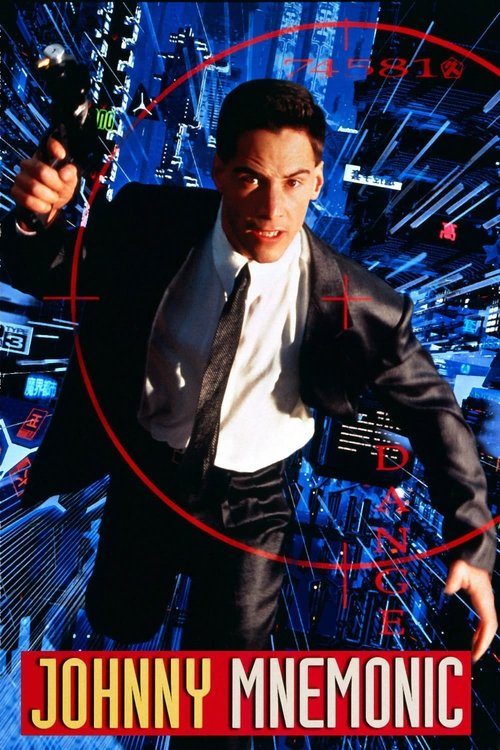
Johnny Mnemonic1995
Both are films where the director's visual ambitions—the production design, the color palette, the obsession with how things look—completely overwhelm the story's ability to function. Both are beautiful disasters.
Keanu Reeves in Robert Longo's cyberpunk mess—a film so visually confused and narratively incoherent it somehow achieves its own unintentional poetry. Like Vidocq, it's a gorgeous failure that's worth experiencing.
But The plot makes almost no sense, the dialogue is wooden, and the special effects have aged badly. It's campy in ways that aren't always intentional.
People
Cast
 Gérard DepardieuVidocq
 Guillaume CanetEtienne Boisset
 Inés SastrePreah
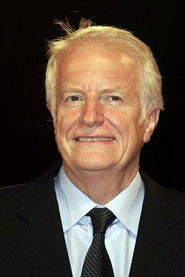 André DussollierLautrennes
 Édith ScobSylvia
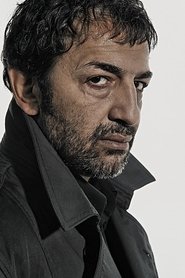 Moussa MaaskriNimier
 Jean-Pierre GosTauzet
 Isabelle RenauldMarine Lafitte
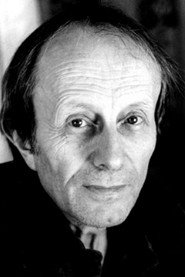 Jean-Pol DuboisBelmont
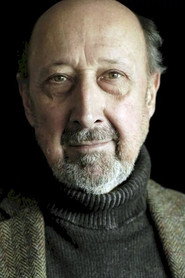 André PenvernVeraldi
 Gilles ArbonaLafitte
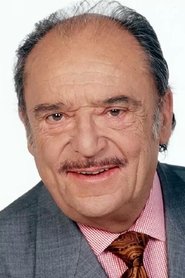 Jean-Marc ThibaultLeviner
Directing
- PitofDirector
Writing
- Eugène-François VidocqAuthor
- Jean-Christophe GrangéScreenplay
- PitofScreenplay
Production
- Brigitte MoidonCasting
- Olivier GranierExecutive Producer
- Dominique FarrugiaProducer