
Film
Curse of the Fly
The third film in the Fly saga abandons the original's visceral body horror for a darker, more cynical family tragedy. It's about obsession and inherited damage—scientific ambition that poisons generations. Visually austere and surprisingly bleak for mid-60s sci-fi, it asks what legacy really means.
Should you watch it?
Watch it if you enjoy creaky, earnest 1960s science fiction where the lab-coat gravity is sincere and the dread arrives through family shame rather than gore.
Skip it if you need a tightly plotted thriller, since this sequel leans on melodrama and convenient coincidence, and its sense of wonder has mostly worn off.
What it asks of you: Its eighty-six minutes move briskly, shifting between lab experiments, family arguments and damage control, with little patience for slow, brooding stretches.
Not sure? Find tonight's pick in a minute.
If you liked this
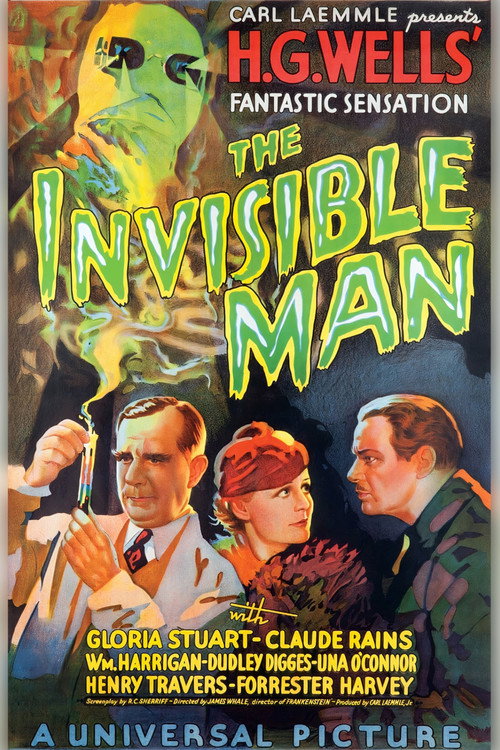
The Invisible Man1933
Universal's prototype for the obsessed scientist undone by his own discovery. Claude Rains turns invisibility into corrosive madness and isolation. Direct ancestor of every film about genius becoming monstrosity.
But The pacing is deliberate—1933 slow—and the social commentary sits heavier than the spectacle. Some restoration work leaves the image grainy.
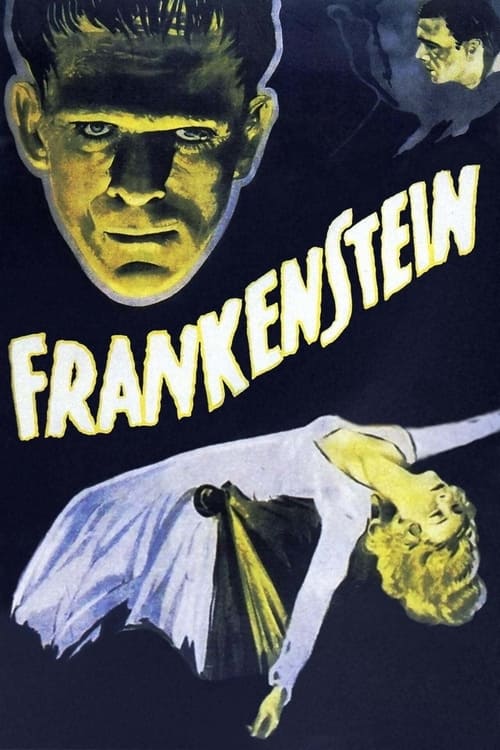
Frankenstein1931
Another mad scientist and his creation, but done with genuine pathos. Boris Karloff's monster is tragic, the lab sequences still crackle with electricity and dread. Foundational horror that respects its premise.
But The plot meanders in the middle act. The creature's fate hinges on plot devices rather than character, which can feel arbitrary.
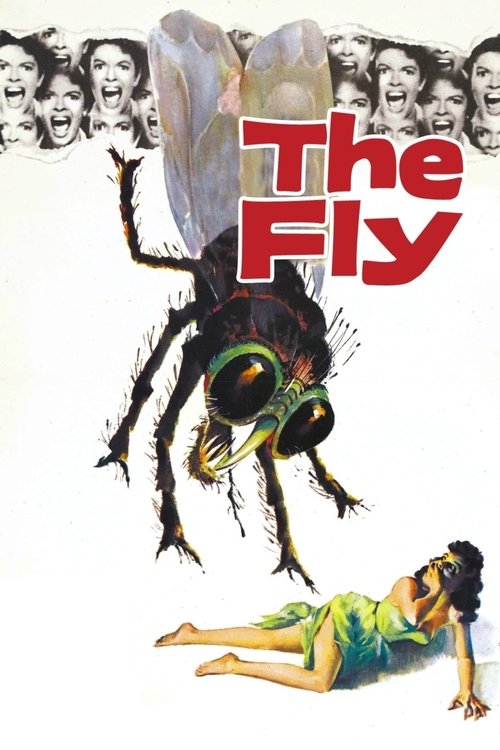
The Fly1958
The original, and it's magnificent—body horror that doesn't look away, a transformation so visceral it haunts you. David Hedison's performance makes the scientific and the human inseparable. Tighter and more brutal.
But The practical effects, while genius, can feel slow-reveal to modern viewers used to instant spectacle. The ending is devastating in a way some find bleak rather than cathartic.
Not sure tonight? Get a pick in a minute, starting from Curse of the Fly
The wildcard
Something you would not have found on your own.
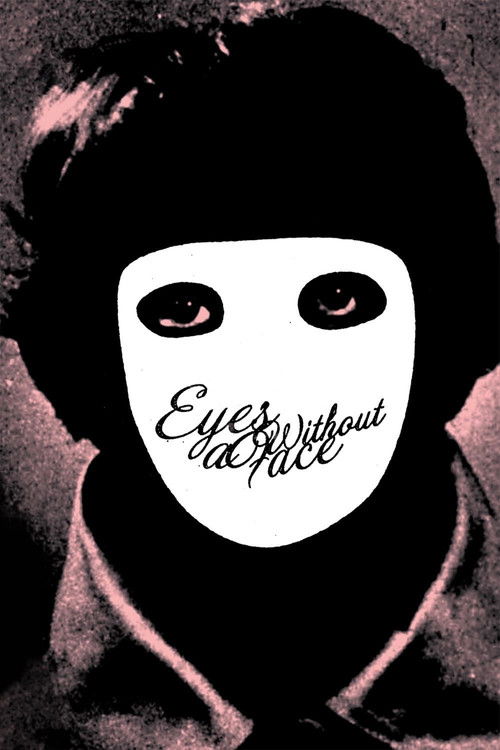
Eyes Without a Face1960
Both are about fathers whose scientific/medical obsession destroys their families. Both understand that monstrosity can be a gift from parent to child. Both are slow-burn tragedies in disguise.
A father's obsession to restore his daughter's face through surgical theft and transplant. French New Wave horror—glacial, beautiful, morally devastating. The real body horror is psychological: love as violation. Scored by Maurice Jarre.
But Surgical violence is explicit and methodical, not quick. The pacing is European-arthouse: contemplative, sparse, sometimes wordless. It won't rush or comfort you.
More like this (8)
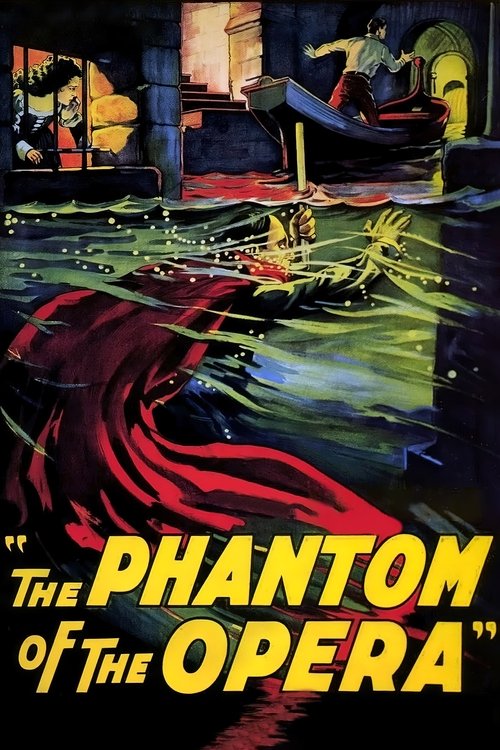
The Phantom of the Opera1925
Silent-era expressionism at its height. Lon Chaney's deformity and obsession mirror the Fly's descent into monstrosity, but the focus is psychological—beauty corrupting from within. Visually intoxicating.
But It's silent film. That alone filters an audience. The pacing assumes you're patient with long stretches of image over dialogue.
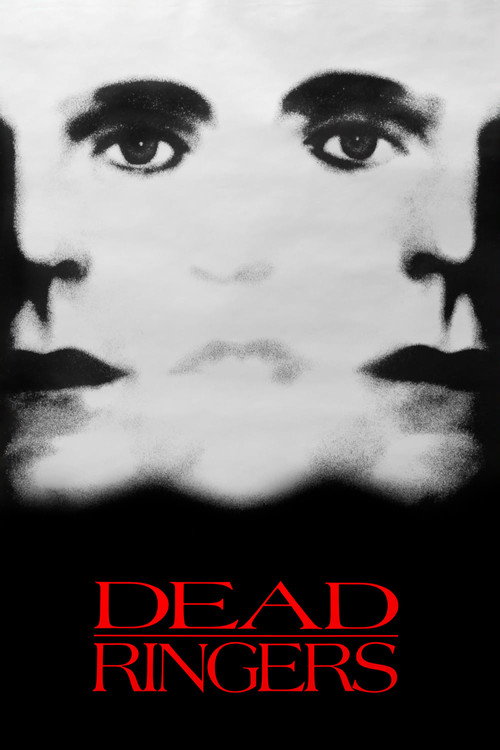
Dead Ringers1988
Cronenberg's meditation on bodies, medicine, and how genius breeds dysfunction. Twin scientists spiralling together in parasitic codependency. It understands inherited pathology the way Curse does, but with surgical precision.
But Visceral, often nauseating. Sexual violence is part of the texture. Not a comfort film—it's clinical observation of disintegration, not catharsis.
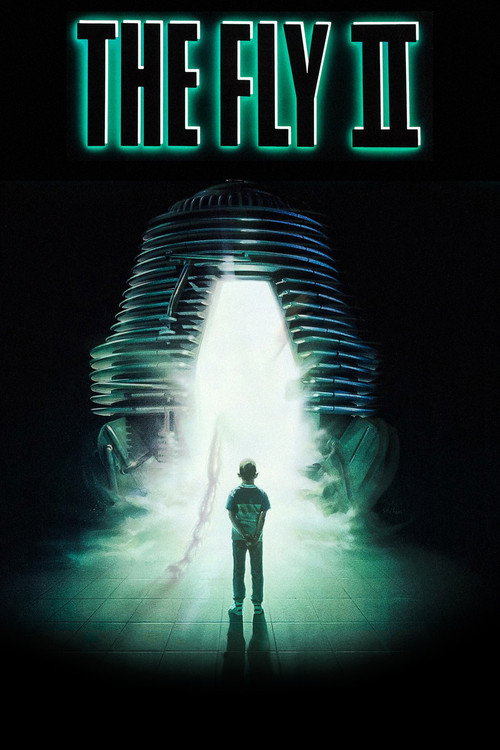
The Fly II1989
Surprisingly thoughtful sequel about the son inheriting his father's monster-nature. Taps into genuine family tragedy and the burden of impossible legacy. Better scaffolding than Curse, with 80s intensity.
But Early CGI body horror doesn't age gracefully. Relies on spectacle where the 1958 original relied on suggestion and dread. The second half turns into creature-feature action.
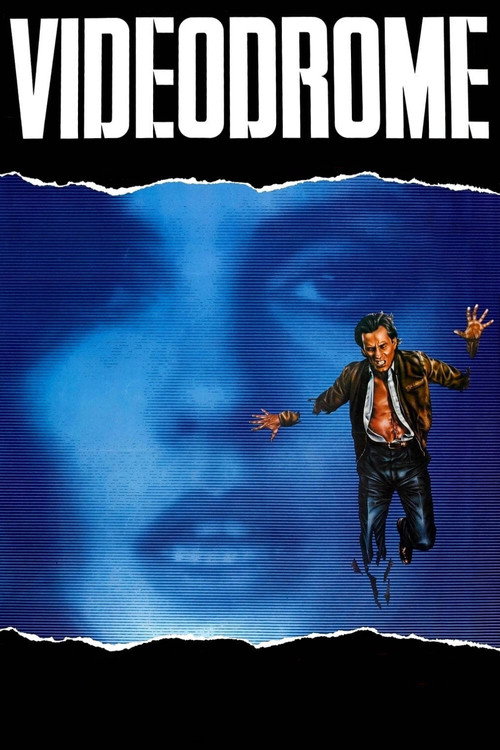
Videodrome1983
Cronenberg again, but on transformation through obsession and media contamination. Like Curse, it's about corruption of the body and mind through proximity to something seductive and wrong. Nightmarish and disorienting.
But The plot is deliberately opaque. The special effects are grotesque. You won't feel clean after watching it—it's designed to disturb rather than resolve.
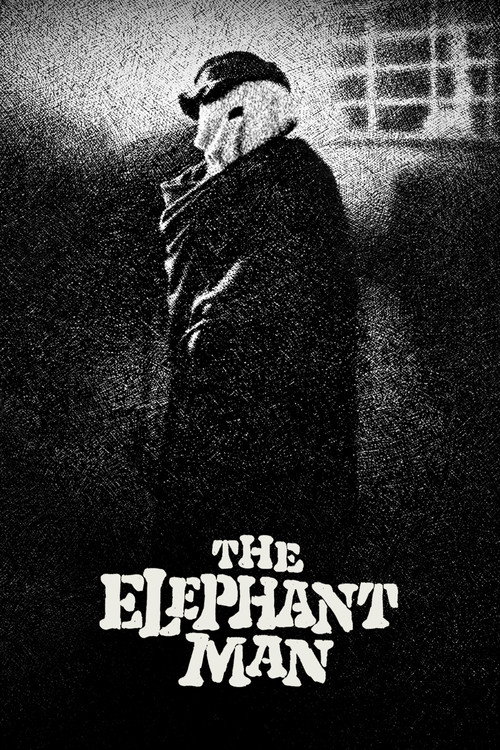
The Elephant Man1980
Genius about deformity, dignity, and how the world treats the monstrous. David Lynch finds tragedy and compassion where others see spectacle. Black-and-white cinematography is heartbreaking.
But Slow and somber throughout. If you want plot momentum or entertainment, this will feel like punishment. It's demanding emotionally.
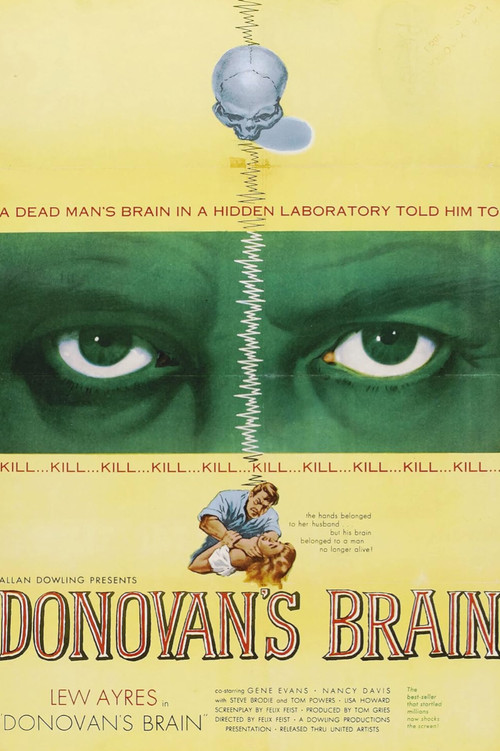
Donovan's Brain1953
Overlooked 50s sci-fi about ambition eating ambition—a scientist becomes psychologically enslaved by the brain he's been studying. Paranoia and obsession in a small setting. Tense and eerie.
But B-movie budget shows in the effects. The central premise—a disembodied brain—requires suspension of disbelief that wears thinner as the film goes on. Dialogue-heavy in ways that can drag.
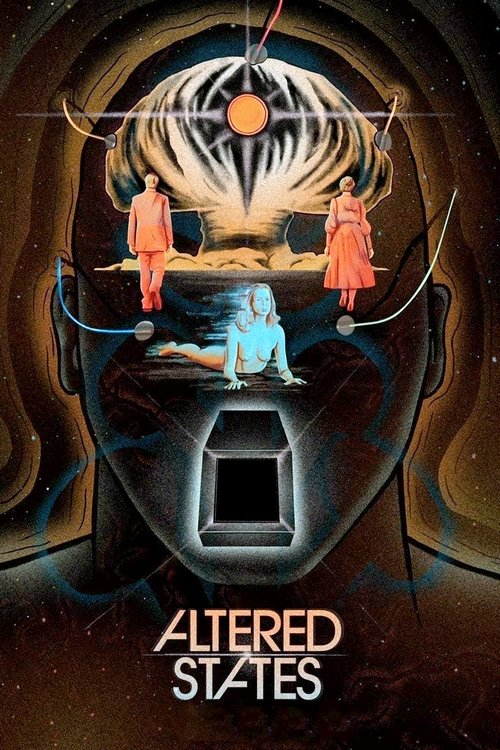
Altered States1980
Like Curse, it's about a man becoming something inhuman through his own research. But instead of insects, it's human regression. Instead of inherited curse, it's chosen self-destruction. The monstrosity is philosophical rather than physical.
Paddy Chayefsky's savage script about a scientist who alters his own brain chemistry and regresses into primordial mutation. Body horror born from consciousness, not machinery. Haunting, hallucinogenic, philosophically wrathful.
But Dated effects, though that adds to the acid-trip quality. It's interested in metaphysics and altered consciousness more than plot. Some find it pretentious; others find it profound.
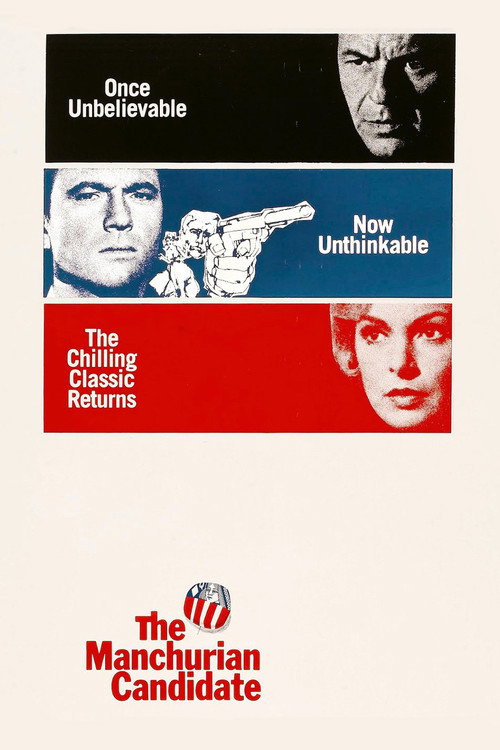
The Manchurian Candidate1962
Both explore how parents pass damage to children as inheritance. Both treat family bonds as potential vectors for corruption and control. But where Curse is sci-fi tragedy, this is political thriller—same emotional engine, different genre costume.
Frankenheimer's political paranoia thriller: corruption breeding corruption, children weaponized by parents, loyalty as a form of enslavement. Frank Sinatra and Laurence Harvey in roles against type. Thrilling and morally sick.
But Tone shifts unpredictably between farce and darkness. Cold War politics date it slightly. The ending is brutal and abrupt—no catharsis, just consequence.
People
Cast
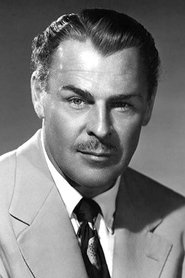 Brian DonlevyHenri Delambre
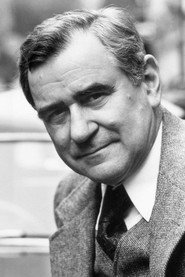 George BakerMartin Delambre
 Carole GrayPatricia 'Pat' Stanley
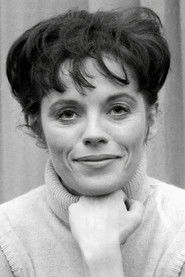 Yvette ReesWan
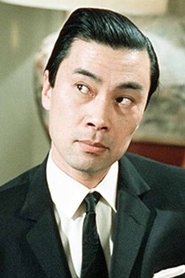 Burt KwoukTai
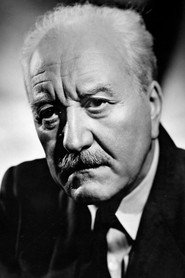 Charles CarsonInspector Charas
 Rachel KempsonMadame Fournier
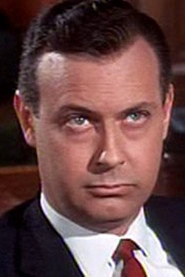 Warren StanhopeHotel Manager
- Michael GrahamAlbert Delambre
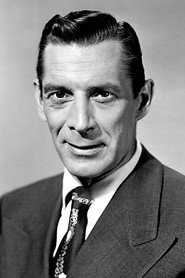 Reed HadleyIke
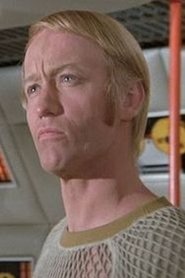 Jeremy WilkinInspector Ronet
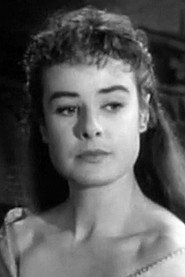 Mary MansonJudith Delambre
Directing
- Gordon GilbertAssistant Director
- Don SharpDirector
- Alex Carver-HillSecond Assistant Director
Writing
- George LangelaanCharacters
- Harry SpaldingWriter
Production
- Jack ParsonsProducer
- Robert L. LippertProducer
- Teresa BollandProduction Manager