
Film
The Weak and the Wicked
- Social drama
- Prison
- Slow-burning
A 1954 British drama following an upper-class woman's descent into a women's prison for gambling debts, and her gradual discovery of friendship and humanity within its walls. It's compassionate without being sentimental, interested in the particular lives and dignity of its inmates rather than sensationalism. For anyone drawn to character-driven stories about people pushed to society's margins.
If you liked this
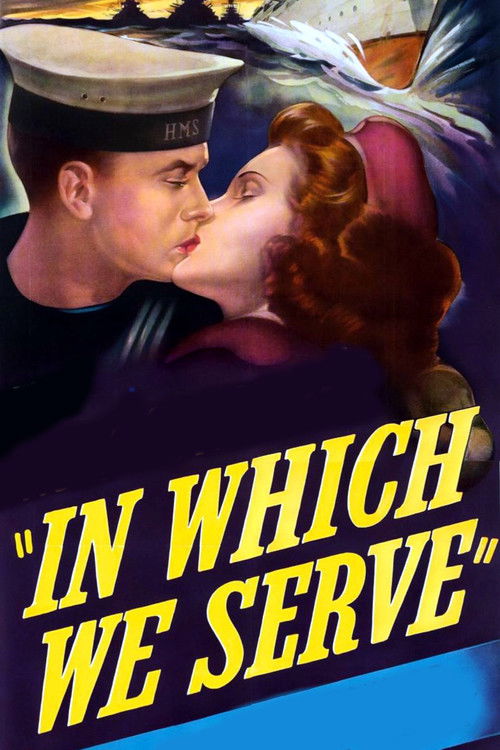
In Which We Serve1942
Noël Coward's naval drama has the same clear-eyed warmth about ordinary people in extraordinary circumstances. It finds dignity and humour in constraint, never patronizing its characters even when life is brutal.
But The war-film framework feels dated now, and Coward's directorial style is deliberately restrained—there's no sweep to it, which some find boring.
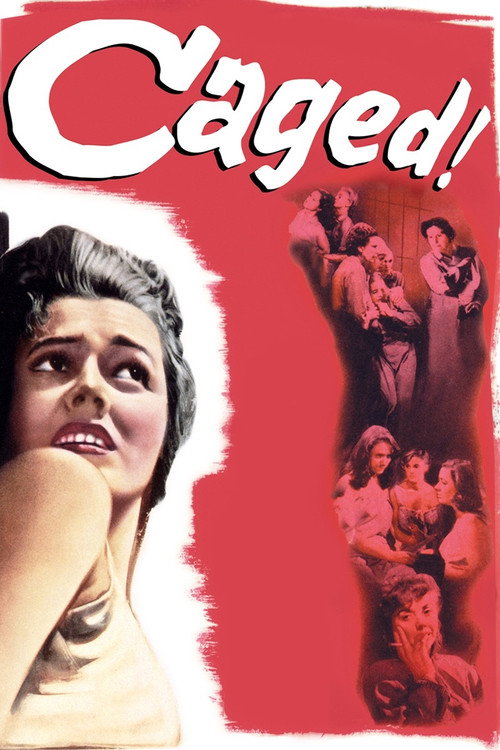
Caged1950
An American women's prison film that shares the same unflinching eye for institutional damage and human resilience. Where *The Weak and the Wicked* emphasizes connection, this emphasizes survival—they're haunting complements.
But It's considerably darker and more brutal. The happy moments feel harder-won, which some viewers find exhausting rather than moving.
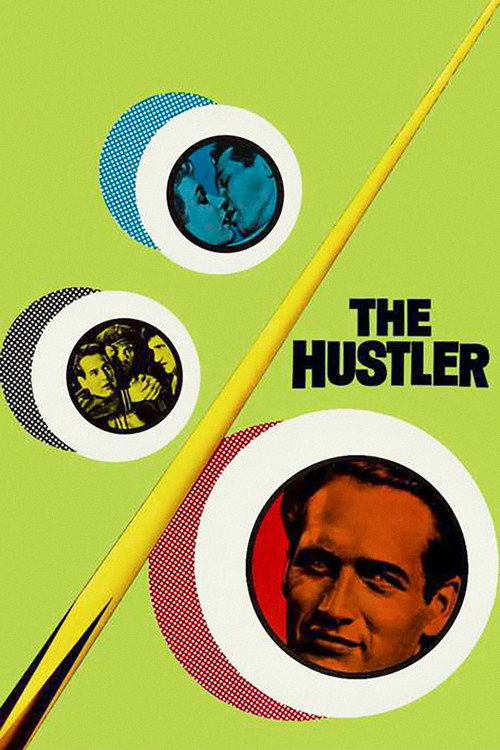
The Hustler1961
Paul Newman's portrait of addiction and moral drift has the same unsentimental clarity about how good people make bad choices. It trusts the audience to sit with moral ambiguity without judgment or easy redemption.
But It's a men's world story (pool halls, not prisons), and some find its fatalism bleak rather than honest. Quite slow by modern standards.
Not sure tonight? Get a pick in a minute, starting from The Weak and the Wicked
The wildcard
Something you would not have found on your own.
Stalker1979
Both films are fundamentally about how people find meaning and connection within systems designed to diminish them. Where the prison is literal in one, it's metaphorical in the other—but the emotional architecture is identical.
Tarkovsky's meditation on desire, constraint, and what we're willing to sacrifice feels abstract until you realize it's asking exactly what *The Weak and the Wicked* asks: what makes a life worth living when the system has already decided your worth?
But It's a science-fiction philosophical film from 1979 USSR, running 163 minutes. If you want narrative momentum or clarity, you will be profoundly disappointed. It demands patience and rewards it slowly.

More like this (8)
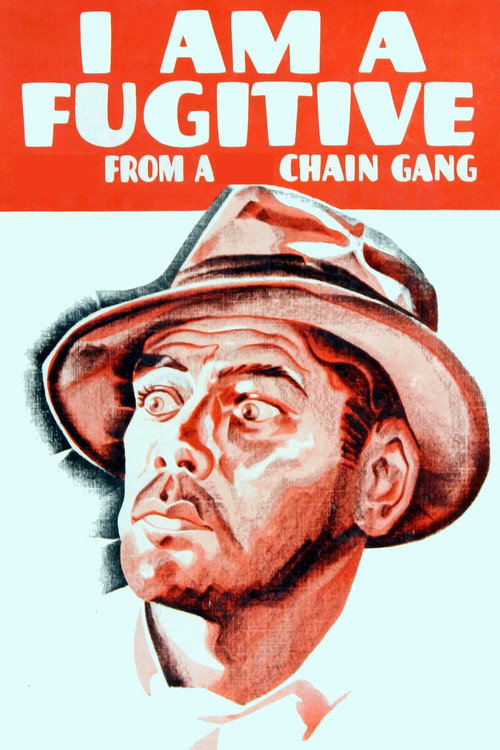
I Am a Fugitive from a Chain Gang1932
An American precursor about institutional cruelty and the impossibility of escape once the system has you. Mervyn LeRoy's film has the same humanitarian rage as *The Weak and the Wicked*, but expressed differently—more overtly political.
But It's nearly a century old now, and the acting style is theatrical by current standards. The message can feel heavy-handed to modern ears.
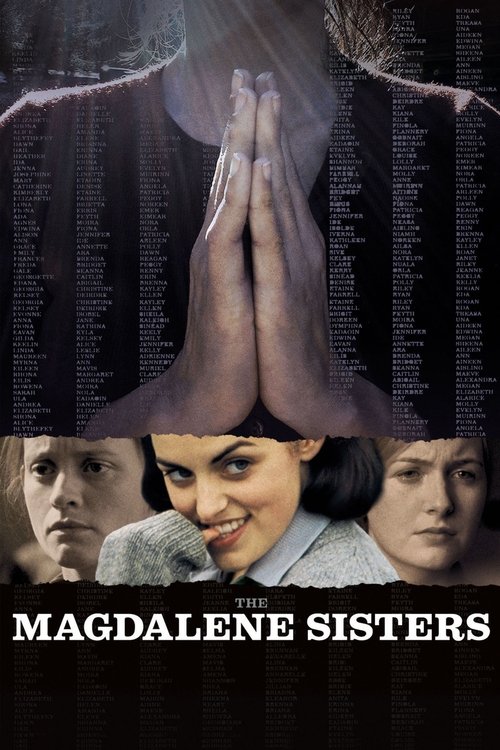
The Magdalene Sisters2002
Peter Mullan's film about women imprisoned in Irish Catholic institutions has the same structure—cruelty, solidarity, the small rebellions that keep dignity alive. It's angry where *The Weak and the Wicked* is gentle, but they're asking the same questions.
But It's much harsher and more explicitly focused on abuse. Some find its righteousness self-congratulatory, and it can feel like a sermon rather than a story.
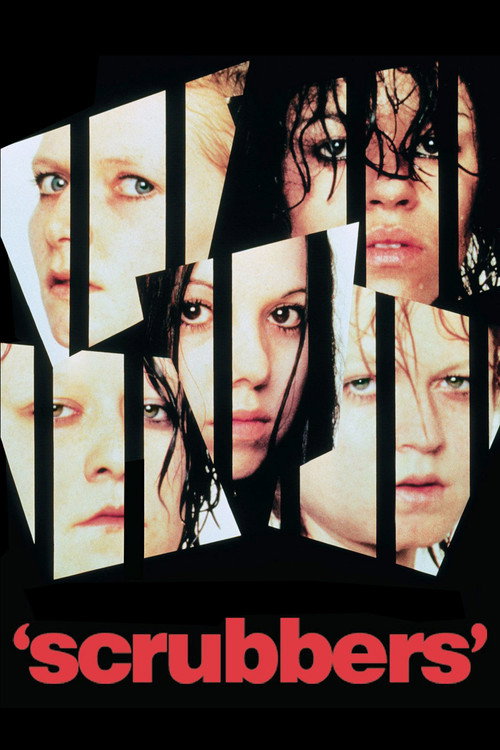
Scrubbers1982
A British women's prison film from thirty years later, but it carries forward the same interest in female friendship and resistance within constraint. Josie Foster and Amanda York bring real chemistry to a bleak story.
But It's genuinely unpleasant in places and doesn't offer much comfort. The 1980s punk aesthetic has dated unevenly, and some scenes feel exploitative.
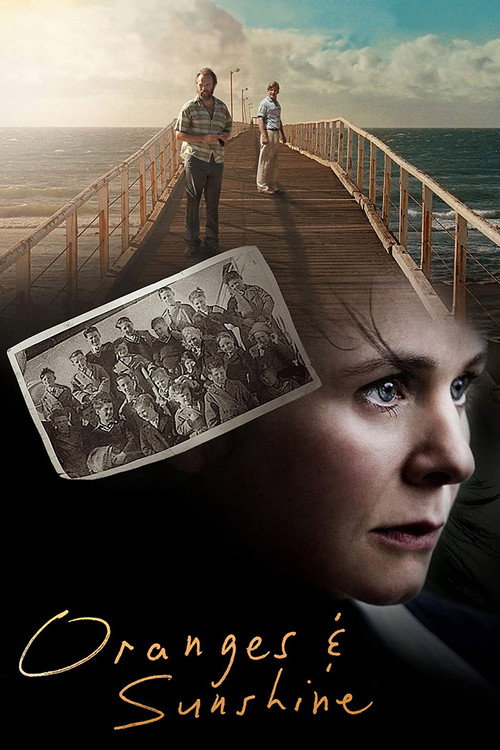
Oranges and Sunshine2010
Emily Watson investigates the true story of British child migrants sent to Australia. It shares *The Weak and the Wicked*'s interest in institutional systems and their human cost, with the same quiet fury underneath the civility.
But It's slower and more melancholic than dramatic. Some find the investigative structure less engaging than a more focused narrative would be.
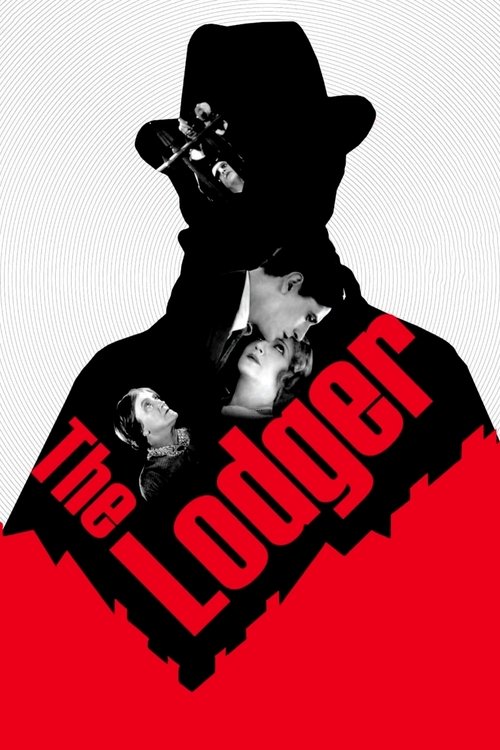
The Lodger: A Story of the London Fog1927
Hitchcock's silent film has the same class tensions and social suspicion running underneath a polite British surface. It's about how quickly respectability can curdle into suspicion, which echoes *The Weak and the Wicked*'s themes.
But It's a silent film from 1927, and the plot's a bit thin. Some find the acting and pacing frustratingly distant compared to sound cinema.
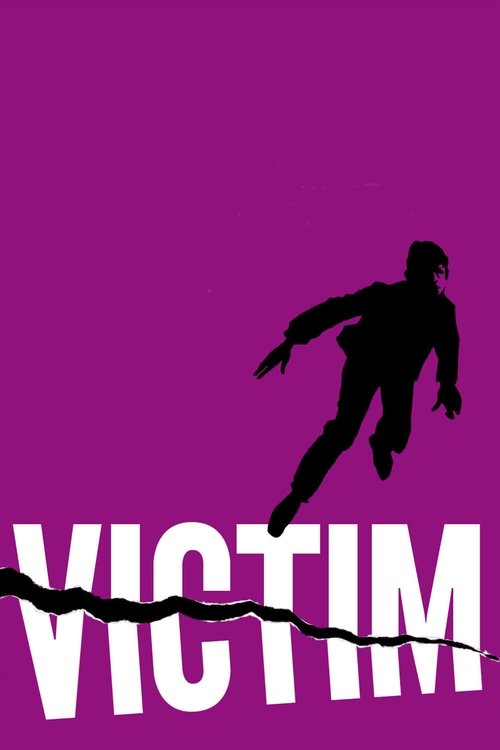
Victim1961
Basil Dearden's film about blackmail and homosexuality in 1960s Britain has the same interest in how institutions grind down ordinary people. It's a political drama disguised as a thriller, with real compassion for its characters.
But The politics can feel didactic now, and the thriller plot feels secondary to the message. Some find it dated in its assumptions about what constitutes transgression.
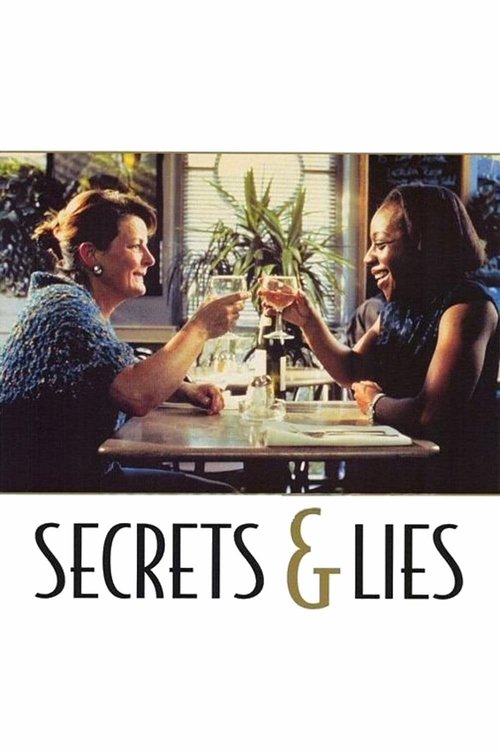
Secrets & Lies1996
Both films trust ensemble casts and close observation over narrative drive. They're interested in what people reveal about themselves through small choices, and how solidarity forms between people who start as strangers. Both are fundamentally optimistic about human connection without being naive about human pain.
Mike Leigh's improvisational ensemble drama about a Black British woman discovering her white birth mother. It's funny and devastating in equal measure, interested in the specific texture of how people talk to each other and what remains unsaid.
But It's three hours long and built entirely on dialogue and performance. Nothing happens in the conventional sense. If you're watching for plot, you've come to the wrong place. Some find the emotional intensity exhausting.
The Ballad of Little Jo1993
Both films are about women finding agency within constraint—not by breaking the system but by understanding it, working within it, and maintaining their dignity and connections. Both resist the urge to make their heroines martyrs or saviors. They're just people, doing what they can.
Maggie Greenwald's Western about a woman who passes as a man to survive on the frontier. It shares *The Weak and the Wicked*'s interest in how women navigate systems not built for them, and finds quiet heroism in the daily work of survival and small rebellion.
But It's a low-budget indie Western with a deliberately muted visual palette. The pacing is unhurried and some scenes feel almost documentary in their slowness. It won't give you the catharsis you might expect from the premise.

People
Cast
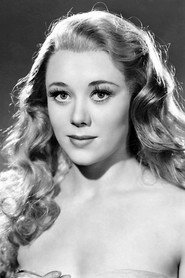 Glynis JohnsJean Raymond
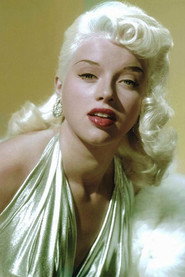 Diana DorsBetty Brown
 John GregsonDr. Michael Hale
- Olive SloaneNellie Baden
 Jane HyltonBabs Peters
 Athene SeylerMillie Williams
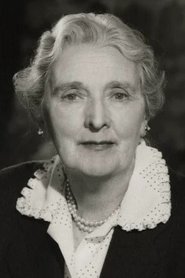 Sybil ThorndikeMabel Wicks, Millie's friend
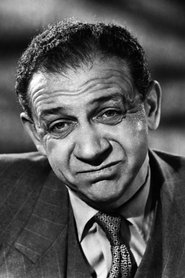 Sidney JamesSyd Baden
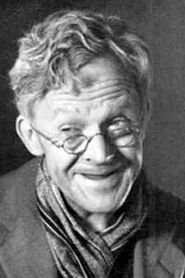 Eliot MakehamGrandad Baden
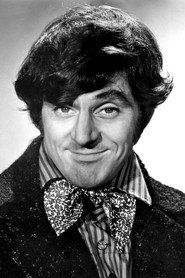 Anthony NewleyBob Baden
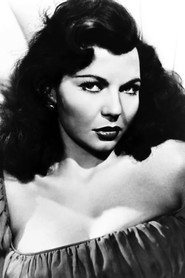 Simone SilvaTina
Directing
- George PollardAssistant Director
- June FaithfullContinuity
- J. Lee ThompsonDirector
Writing
- Joan HenryNovel
- Frederick GotfurtScript Editor
- Anne BurnabyWriter
- J. Lee ThompsonWriter
Production
- Robert LennardCasting Director
- Victor SkutezkyProducer
- Gordon ScottProduction Manager