
Film
The Strange One
A charismatic cadet at a military academy uses manipulation and psychological cruelty to dominate his peers. Directed by Jack Garfein, this 1957 drama is a bleak, tense study of power dynamics and institutional failure—a predator thriving in a system designed to break wills. It's unsettling but mesmerizing, for viewers who want cinema that looks unflinchingly at human corruption.
If you liked this
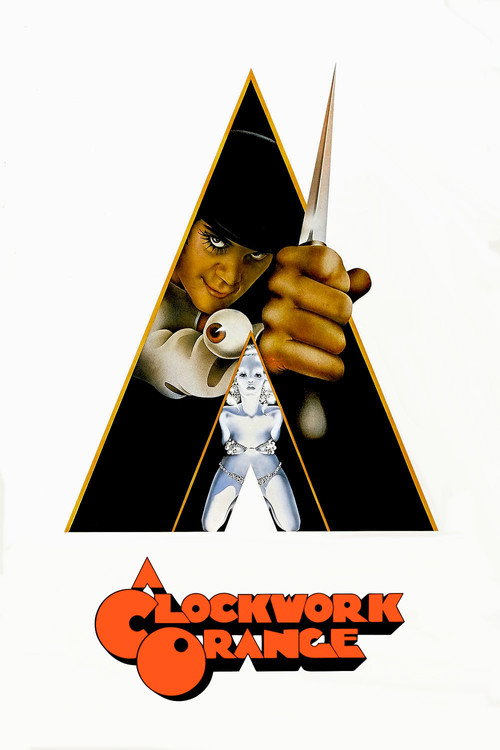
A Clockwork Orange1971
Kubrick's violent, charismatic protagonist corrupts everything he touches in a system that can't contain him. Both films examine how charm weaponizes institutional control and moral vacancy.
But Graphic violence and sexual assault make it brutal to sit through. Some find Kubrick's detachment morally glib.
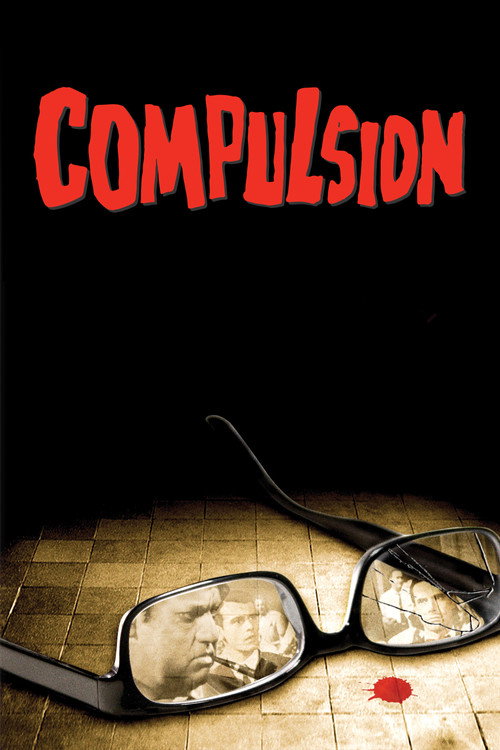
Compulsion1959
Two brilliant young men commit murder for intellectual sport. Like The Strange One, it's a taut examination of how intelligence and charm mask pathology, and how institutions fail to stop predators.
But Courtroom drama can feel stagey. The pace slackens in the final act, and the denouement is less ambiguous than you might want.
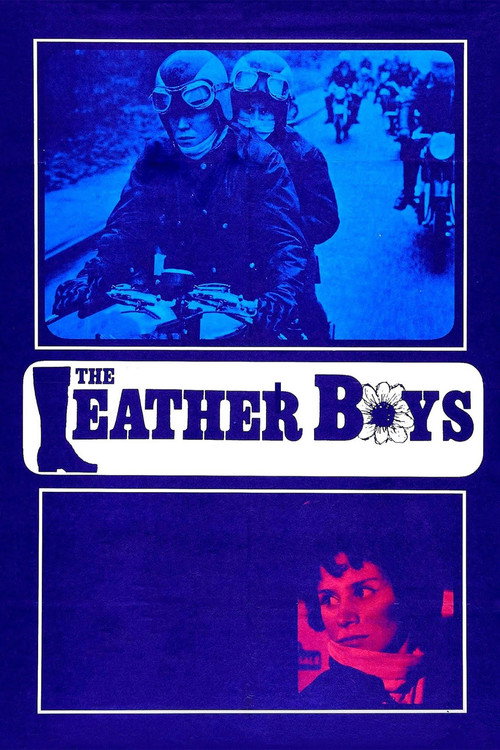
The Leather Boys1964
A caustic look at conformity pressure and desire within a rigid, masculine subculture. Both films capture the suffocating hierarchies of all-male institutions and the cruelty that flourishes there.
But It's quieter and more melancholic than you'd expect. The ending's resignation might frustrate viewers wanting sharper catharsis.
Not sure tonight? Get a pick in a minute, starting from The Strange One
The wildcard
Something you would not have found on your own.
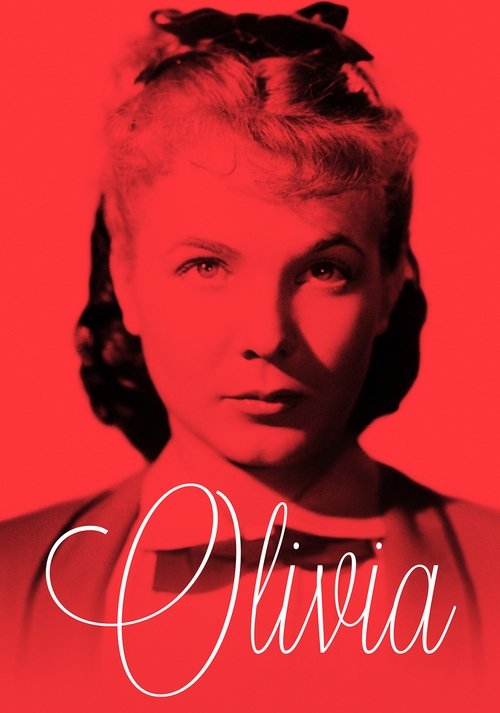
Olivia1951
Both examine how charm and intelligence become weapons within closed institutions where authority goes unquestioned. The Strange One uses masculine aggression; Olivia uses seduction and emotional dependency—different tools, identical corruption.
A repressed lesbian teacher at a girls' school seduces a student through psychological manipulation. It's a gender-inverted study of institutional predation and charismatic corruption—the same moral anatomy as The Strange One, differently dressed.
But It's subtle to the point of opacity. Sexual content is implicit and coded; modern viewers may miss the film's real subject entirely.
More like this (7)
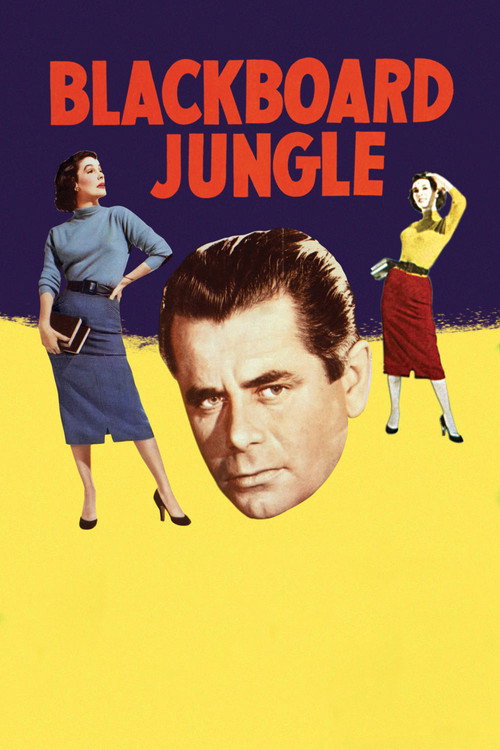
Blackboard Jungle1955
A teacher confronts violence and chaos in an urban high school. Like The Strange One, it's an institutional drama about power, respect, and how systems fail when predatory behavior goes unchecked.
But Released in '55, some elements feel dated. The moralizing can overshadow the rawer moments.
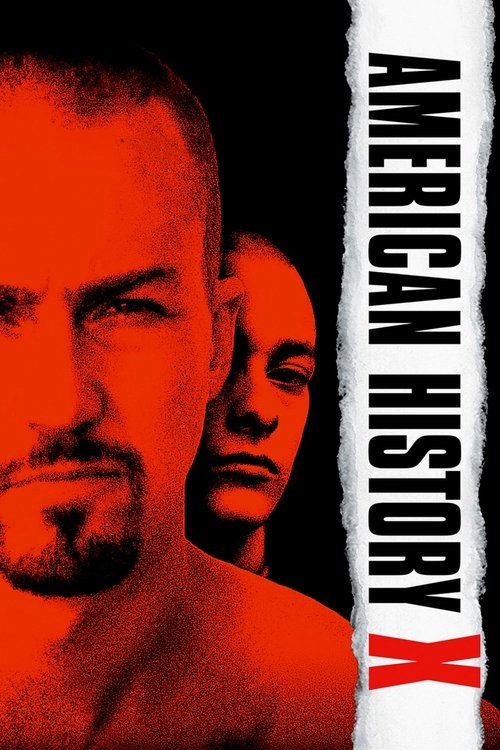
American History X1998
A disturbing portrait of radicalization and how charisma converts others into cruelty. Both examine how power-hungry personalities exploit institutional loyalty and shared identity.
But Extreme violence, racism, and graphic brutality. The film pulls no punches, and some viewers find the trajectory manipulative.
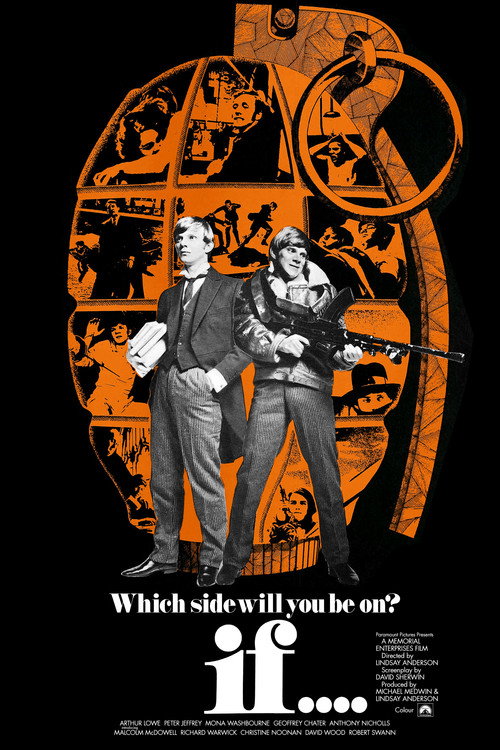
if....1968
Rebellion and resentment boil over at a British boarding school; the film captures institutional rigidity and the violence it provokes. Both explore masculine hierarchies in closed systems.
But It's surreal and sometimes opaque. The final act abandon realism entirely, which alienates viewers wanting grounded narrative.
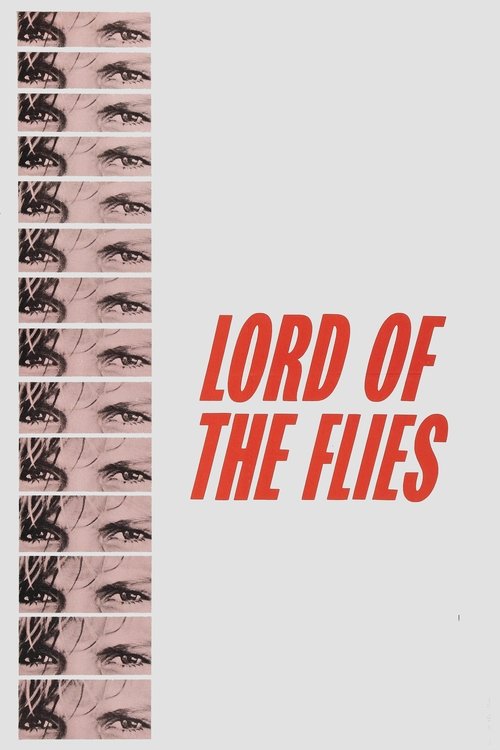
Lord of the Flies1963
Boys left without authority quickly establish their own cruel hierarchies. The film shares The Strange One's interest in how power structures form and how individuals dominate through will and manipulation.
But The child actors are uneven. Pacing sags in the middle, and the moral message overshadows suspense.
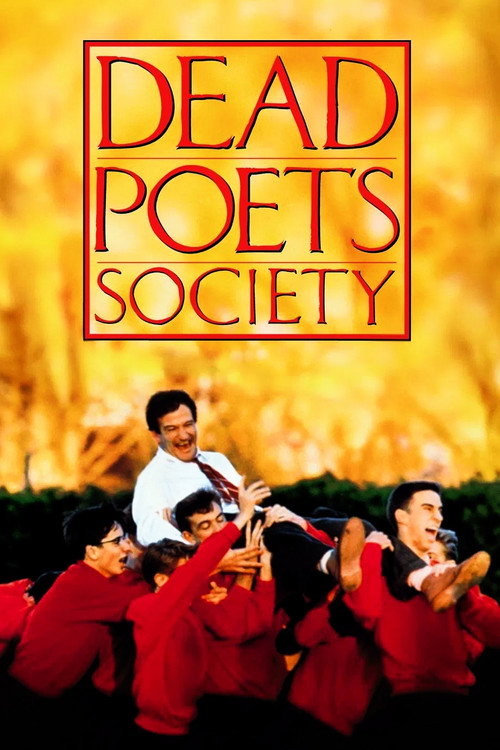
Dead Poets Society1989
An elite boarding school, masculine institutions, and how authority shapes young men. It's the optimistic mirror to The Strange One's darkness—both examine institutional power from different angles.
But It's sentimental and occasionally heavy-handed. Robin Williams' whimsy can undercut the film's sincerity.
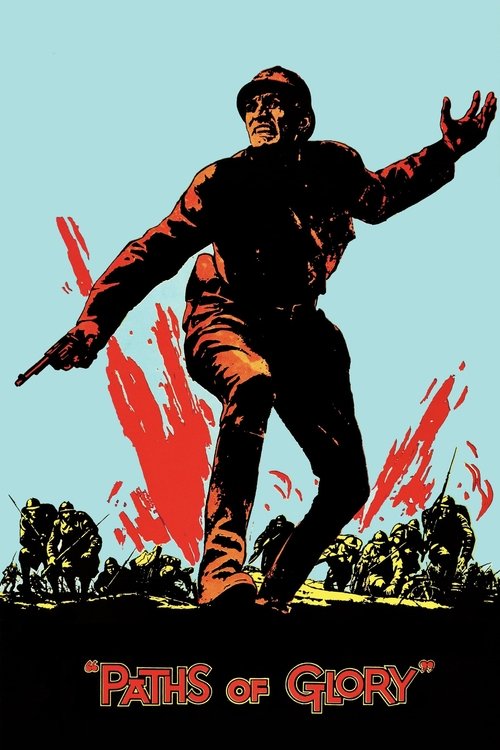
Paths of Glory1957
Kubrick's film about military hierarchy and institutional betrayal. Released the same year as The Strange One, both examine how systems protect the guilty and punish the vulnerable.
But It's bleak and offers no comfort. Pacing is glacial by modern standards, and the emotional impact relies on patience.
The Leopard1963
Both films capture the slow decay of institutions through the eyes of characters embedded in them. The Strange One shows a predator exploiting the system; The Leopard shows an insider watching it rot. Both are cold-eyed about human nature's compatibility with hierarchy.
Visconti's sprawling epic about a Sicilian aristocrat watching power slip away. It's formally nothing like The Strange One, but both are mordant studies of how systems preserve themselves through human compromise and moral surrender.
But At 205 minutes, it's demanding and painterly. Pacing is unhurried; viewers wanting plot-driven narrative will find it glacial and remote.

People
Cast
 Ben GazzaraJocko de Paris
 Pat HingleHarold Koble
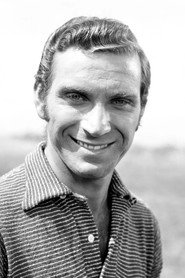 Peter Mark RichmanCadet Colonel Corger (as Mark Richman)
- Arthur StorchSimmons
- Paul E. RichardsPerrin McKee
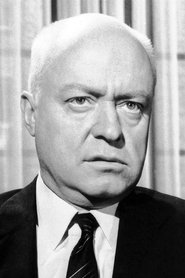 Larry GatesMajor Avery
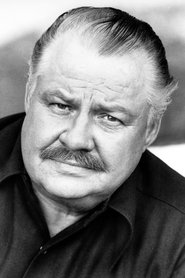 Clifton JamesColonel Ramey
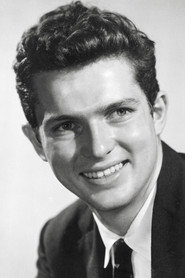 Geoffrey HorneGeorgie Avery
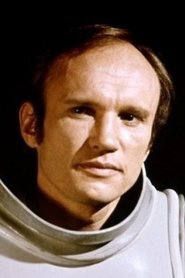 James OlsonRoger Gatt
 Julie WilsonRosebud
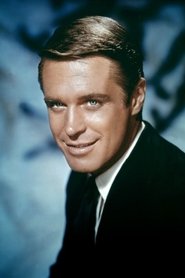 George PeppardRobert Marquales
Directing
- Jack GarfeinDirector
- Arthur StecklerFirst Assistant Director
- Winifred Leah LauranceScript Supervisor
- Jack GrossbergSecond Assistant Director
Writing
- Calder WillinghamNovel
- Calder WillinghamScreenplay
- Calder WillinghamTheatre Play
Production
- Sam SpiegelProducer
- Charles J. MaguireProduction Manager