
Film
The Dark Past
A lean 1948 B-thriller about escaped convicts who invade a family home, only for their leader's psychological unraveling to become the real threat. William Holden carries the moral weight of a man haunted by his own past, while the film probes whether anyone—criminal or otherwise—can escape what they've done. Taut and surprisingly thoughtful for its seventy-four minutes.
Should you watch it?
Watch it if you enjoy tight, claustrophobic crime pictures where the menace is psychological as much as physical, and a dash of 1940s talk-therapy curiosity.
Skip it if you want big set pieces or a brisk modern pace; this is a talky, stagey chamber piece with dated psychology and a slow build.
What it asks of you: Under seventy-five minutes long and largely confined to one house, it is unhurried at first and rewards patience more than close reading.
Not sure? Find tonight's pick in a minute.
If you liked this
In a Lonely Place1950
Humphrey Bogart as a volatile film director suspected of murder, wrestling with rage and self-destruction. Like *The Dark Past*, it's a character study masquerading as noir, where the real danger lives inside the protagonist's mind.
But The pacing is deliberate and the ending bleak in ways that won't satisfy anyone looking for clear resolution or catharsis.

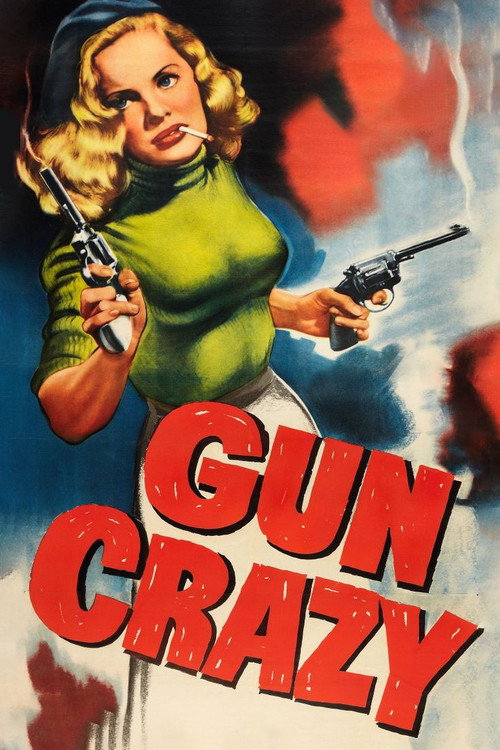
Gun Crazy1950
A couple on the run after a robbery, told with genuine intimacy and moral ambiguity. It shares *The Dark Past*'s interest in how circumstances and psychology collide, and its influence on crime cinema is quietly enormous.
But It's slight and occasionally meandering, and the lovers' dynamic might feel thin compared to the supporting cast.
The Killers1946
Burt Lancaster and Ava Gardner in a noir that unfolds backwards from an assassination, asking what makes a man worth killing for. The same tensile energy and moral complexity as Holden's performance in *The Dark Past*.
But It's fractured by design, cutting between timelines in ways that can feel unnecessarily complicated on first viewing.

Not sure tonight? Get a pick in a minute, starting from The Dark Past
The wildcard
Something you would not have found on your own.
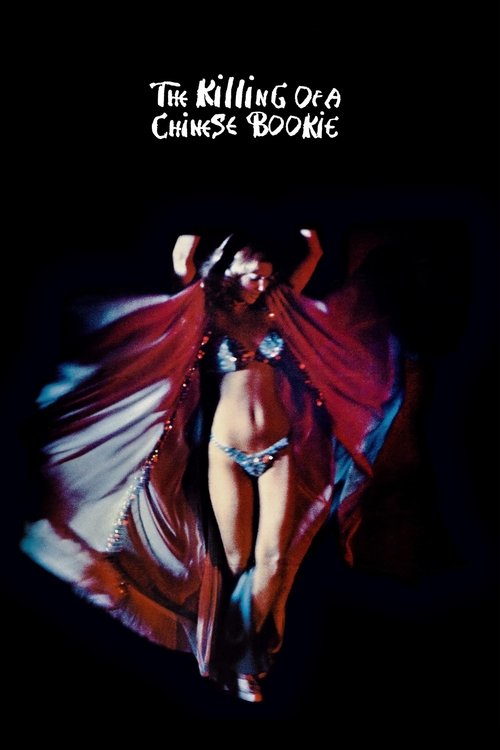
The Killing of a Chinese Bookie1976
Both films locate true danger in the protagonist's internal fractured state rather than external threat. The real enemy is not the situation but the self trapped inside it.
John Cassavetes' improvisational masterpiece about a strip club owner in hock to the mob, spiraling into existential dread. Like *The Dark Past*, it finds the psychological damage—the recurring nightmare, the inability to act—more devastating than any plot.
But It's deliberately messy, with overlapping dialogue and no clear plot; shot like a home movie by a visionary. Requires active engagement, not passive consumption.
More like this (8)
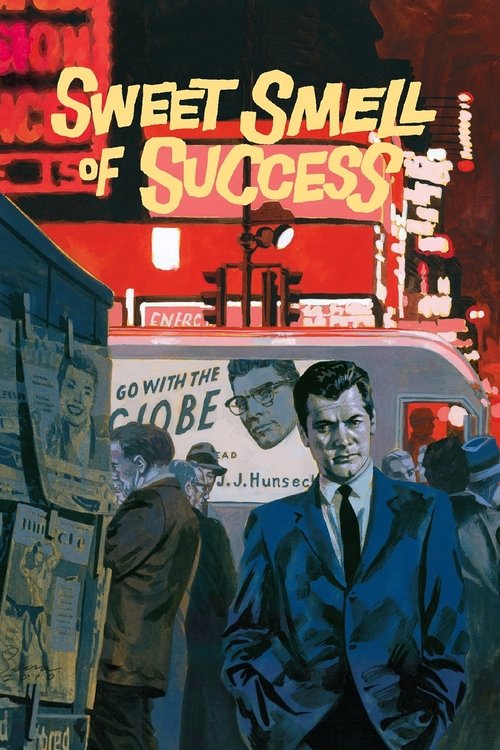
Sweet Smell of Success1957
A vicious portrait of manipulation and moral corruption set in the New York night. The dialogue crackles, the characters are trapped by their own nature, and the film understands human weakness with surgical precision.
But It's deeply cynical and the protagonist is genuinely detestable; there's no one to root for or feel safe with.
The Asphalt Jungle1950
John Huston's heist masterpiece, a blueprint for the genre that treats its criminals with dignity and psychological realism. The ensemble work and moral economy match *The Dark Past*'s seriousness about criminal life.
But The pacing is leisurely by modern standards, and the heist itself is almost an afterthought to character study.

The Killing1956
Kubrick's fractured heist film about a racetrack robbery that spirals into paranoia and self-betrayal. Formally inventive and psychologically acute, with the same sense that criminals are undone by what they are, not just what they've done.
But The non-linear structure can feel gimmicky, and the ending is deliberately punishing rather than satisfying.

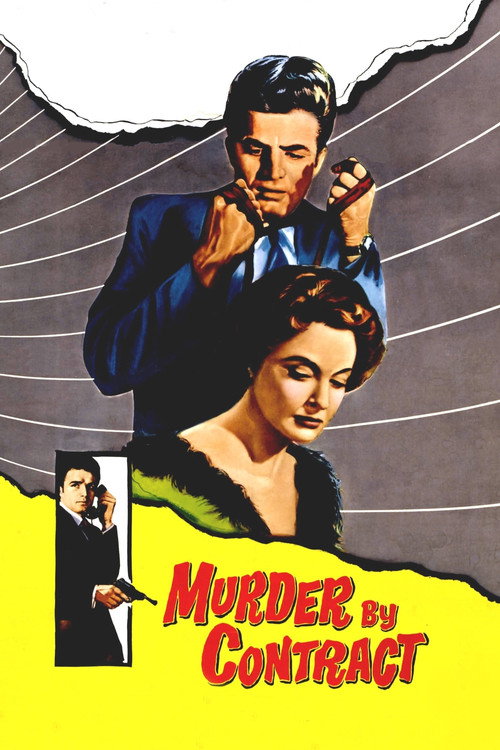
Murder by Contract1958
A hitman hired to kill a woman discovers she's harder to murder than expected—and more human. It's a tight, weird little film about moral slippage and the failure of professionalism in the face of actual connection.
But The dialogue is oddly stiff and theatrical, and the pace is dreamlike in ways that test patience.
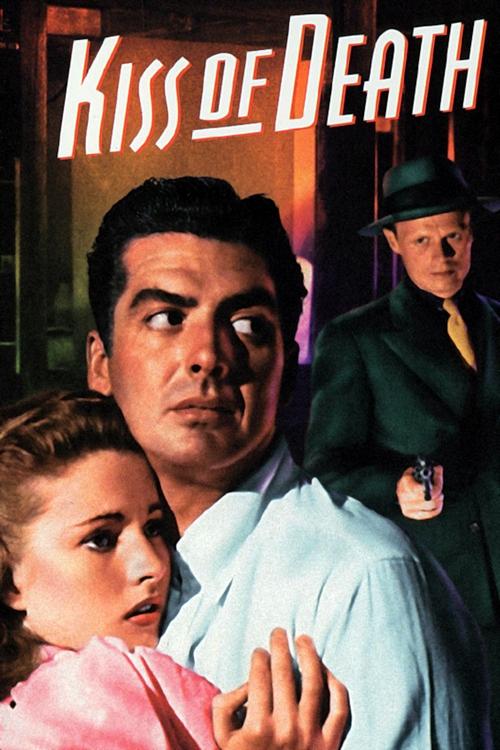
Kiss of Death1947
Richard Widmark's debut as a sadistic career criminal, with Victor Mature caught between his criminal past and the law. It's a direct precursor to *The Dark Past*'s interest in men unable to escape their nature.
But Some of it feels pulpy and dated, particularly in its treatment of female characters and morality.
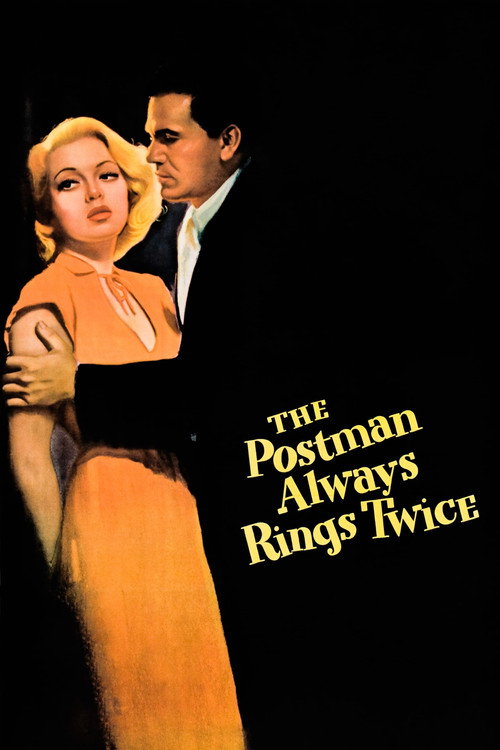
The Postman Always Rings Twice1946
A drifter and a femme fatale plot a murder that unravels into paranoia and self-destruction. It shares *The Dark Past*'s belief that crime is less about action than psychology—the damage comes from inside.
But It's sexually coded in ways that now read as evasive, and the plot mechanics occasionally strain credibility.
Night and Fog1956
Both films are obsessed with how the past intrudes on the present through memory and dream, and how confession—the doctor listening to the convict—is both salvation and illusion.
Alain Resnais' thirty-minute documentary about Auschwitz, filmed in color, asking how atrocity becomes memory. It's unbearably precise about how humans rationalize evil and how the past refuses to stay buried.
But It is not entertainment. It is a confrontation. The brief runtime makes it almost worse—no escape, no narrative comfort, only the facts and their weight.

The Turin Horse2011
Both are structured around psychological states made visible—the convict's nightmare in *The Dark Past*, the philosopher's repetitive horror in *The Turin Horse*. The past becomes a loop you cannot escape.
Béla Tarr's final film, a bleak meditation on decline and repetition set in the last days of a philosopher's life. It's visually hypnotic and philosophically devastating—the psychological pressure builds like a recurring nightmare you can't wake from.
But It's in black and white, nearly dialogue-free, and consists largely of the same few scenes repeating with slight variations. It's a test of endurance, not entertainment.

People
Cast
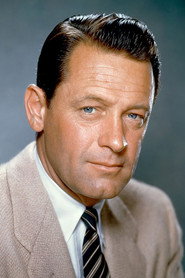 William HoldenAl Walker
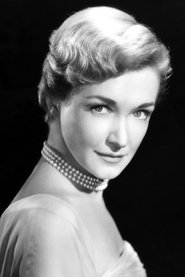 Nina FochBetty
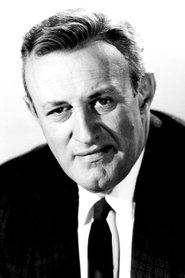 Lee J. CobbDr. Andrew Collins
 Adele JergensLaura Stevens
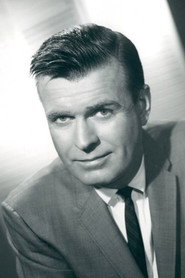 Stephen DunneOwen Talbot
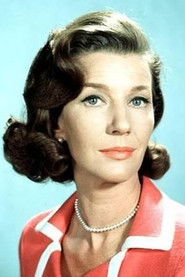 Lois MaxwellRuth Collins
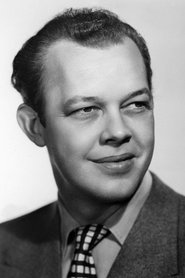 Berry KroegerMike
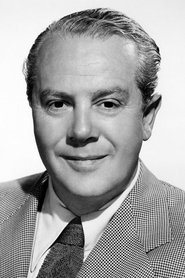 Steven GerayProf. Fred Linder
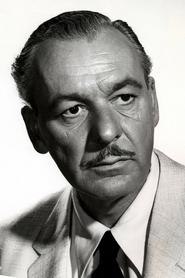 Wilton GraffFrank Stevens
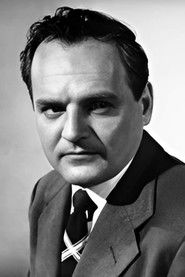 Robert OsterlohPete
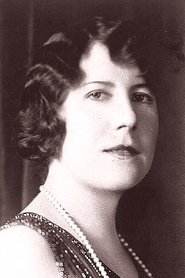 Kathryn CardNora
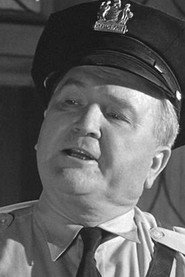 Charles CaneSheriff (uncredited)
Directing
- Rudolph MatéDirector
Writing
- Malvin WaldAdaptation
- Oscar SaulAdaptation
- James WarwickTheatre Play
- Albert DuffyWriter
- Michael BlankfortWriter
- Philip MacDonaldWriter
Production
- Buddy AdlerProducer