
Film
Yuli
Yuli charts the unlikely journey of Carlos Acosta from Havana's streets to the world's premier ballet stages. It's a character study dressed as a dance film—less interested in virtuosity than in the boy who resists, rebels, and gradually discovers discipline as freedom. A story about breaking barriers that never feels preachy, told with warmth and grit.
Should you watch it?
Watch it if you like sports-style underdog stories where the body's discipline is the drama, and a father-son fight that's rough, funny and sometimes tender, with dance shown as sweat and bruises rather than costume gloss.
Skip it if its familiar biopic rhythm, with a childhood of street trouble followed by a rise, can feel predictable if you want something looser or less tidy.
What it asks of you: Around two hours, which is brisk for the material; it moves between childhood defiance and grown-up stakes with a good deal of cutting, so you need to keep up.
Not sure? Find tonight's pick in a minute.
If you liked this
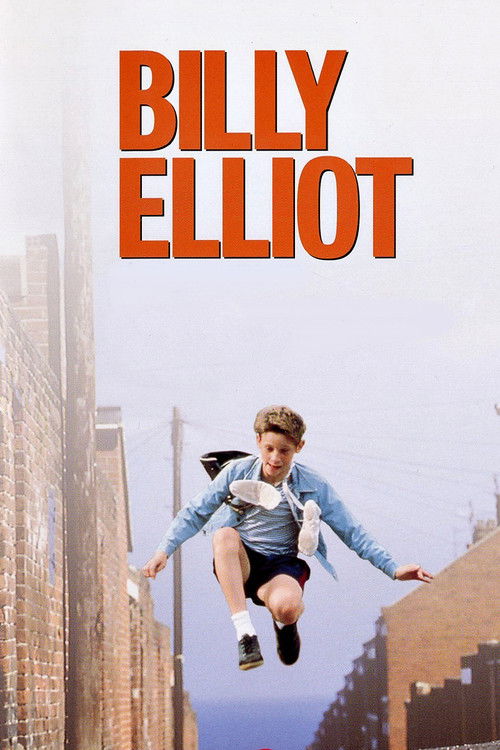
Billy Elliot2000
Like Yuli, it captures a working-class boy discovering ballet as an escape route and identity. Both films understand dance as rebellion and salvation, anchored by electrifying performances from their young leads. The emotional architecture is similar: family resistance, personal transformation, and hard-won dignity.
But If you're expecting constant dance spectacle, you'll find long stretches of dialogue and family drama. The film moves at the pace of discovery, not performance.
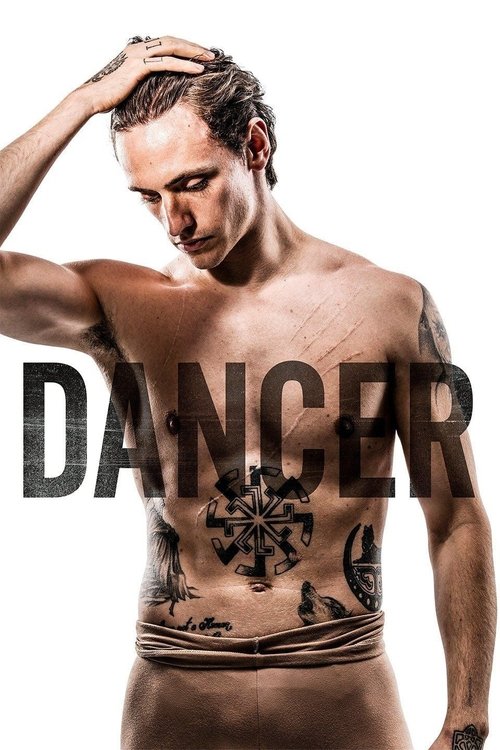
Dancer2016
Follows a real-world ballet dancer breaking into a male-dominated art form, with Sergei Polunin giving a raw, vulnerable performance. It shares Yuli's interest in the human cost of excellence and the body as both prison and portal. The cinematography treats dance as lived experience rather than staged beauty.
But The film is deliberately bleak and introspective. If you want uplift or classical elegance, this offers something more bruised and contemporary instead.
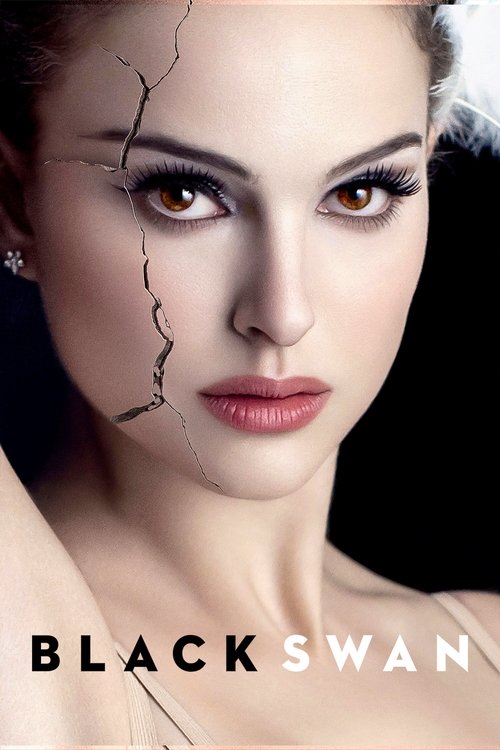
Black Swan2010
Explores the psychological toll of pursuing perfection in ballet, with Natalie Portman's performance descending into magnificent obsession. Both films understand that ballet demands a kind of self-erasure. Yuli shows survival through it; Black Swan shows what happens when survival fails.
But It's a descent into psychological horror. If you want a straightforward biography, this is the dark mirror version—visually stunning but genuinely unsettling.
Not sure tonight? Get a pick in a minute, starting from Yuli
The wildcard
Something you would not have found on your own.
Before Sunrise1995
Both films place character development and self-discovery at the absolute center, trusting that watching someone change is enough. They're both about becoming who you're meant to be through collision with another person or place.
Linklater's film is almost entirely dialogue and ideas—two people talking through a single night in Vienna. But it shares Yuli's fascination with becoming through conversation and encounter. The film trusts its audience to find drama in the ordinary, in how we're shaped by what we say and who listens. It's minimalist and searching.
But Nothing happens. There are no action sequences, no dramatic reversals, no climax in any conventional sense. If you need external plot, this is verbal and interior to a degree that can feel static.

More like this (6)
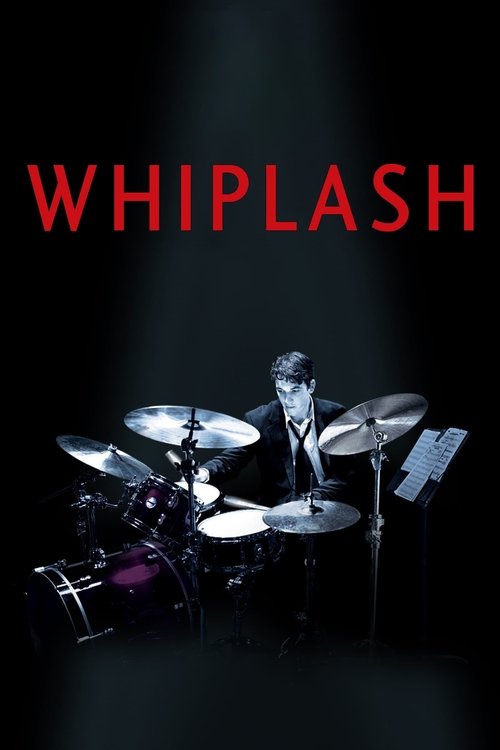
Whiplash2014
Different art form, identical obsession: a mentor demanding perfection from a talented young person willing to bleed for it. The interrogation of what we sacrifice for greatness mirrors Yuli's reckoning with discipline. Both films pulse with that unbearable tension between creation and destruction.
But It's brutal and claustrophobic, focused almost entirely on the relationship between abuser and student. Some find it punishing rather than cathartic.
Moonlight2016
A poetic meditation on Black identity, masculinity, and escape through art in environments that offer few exits. Like Yuli, it refuses to make poverty or struggle didactic—instead it flows through lived moments. The sensibility is completely different but the emotional weight is comparable.
But It's deliberately fragmented and lyrical, with long silences. If you need plot momentum or explicit storytelling, the film's dreamlike structure may feel distant.

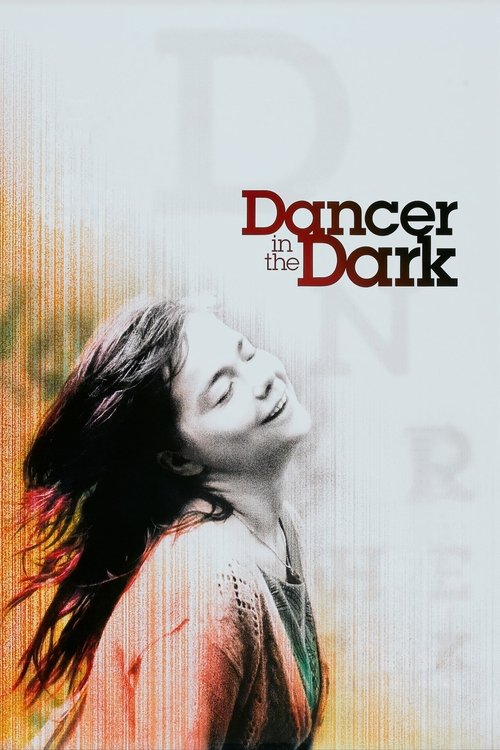
Dancer in the Dark2000
Björk plays a single mother whose relationship to dance is survival, defiance, and heartbreak. Like Yuli, it's about how movement and rhythm can articulate what words cannot. The film shatters the myth of dance as pure transcendence and shows its desperation too.
But Lars von Trier's film is bleak and deliberately painful. The ending is devastating in a way that offers no catharsis. Approach with caution if you need hope.
La Haine1995
Depicts young men trapped in a Parisian housing project with minimal ways out. It shares Yuli's unflinching portrayal of poverty and urban abandonment, and both films show how individual talent can be a lifeline. The visual language is stark and electric, the humanity never condescended.
But This is an angry political film about systemic racism and police violence. It offers diagnosis without resolution, which some find admirable and others find bleak.

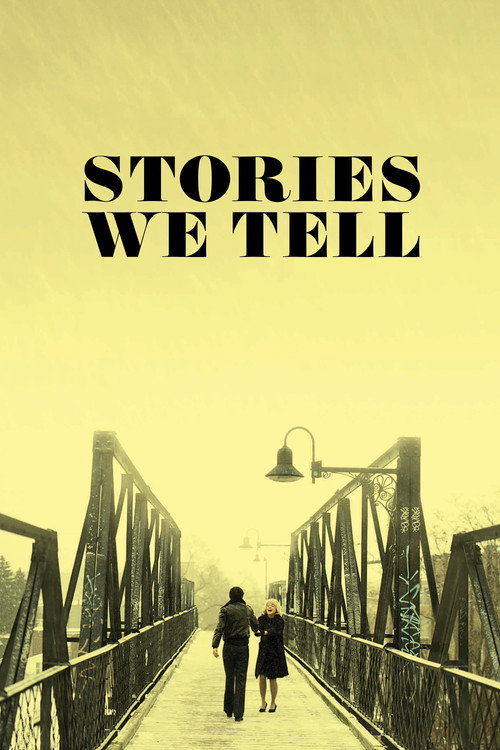
Stories We Tell2012
Michael Haneke's meditation on family narrative and what gets hidden in our own histories. Yuli also grapples with how we construct identity through the stories we're told—by fathers, by institutions, by ourselves. Both films distrust neat redemption narratives.
But It's abstract and demanding, more interested in philosophy than plot. Viewers seeking conventional structure will find it deliberately evasive.
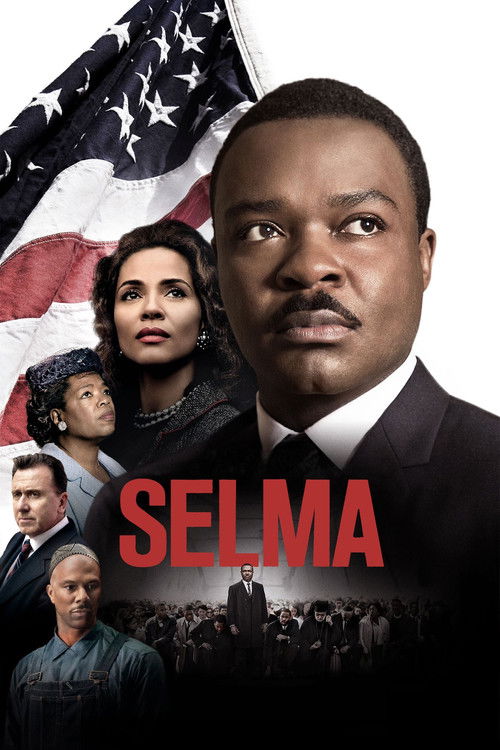
Selma2014
Chronicles the fight for civil rights through one figure's determination and the cost it demands. Like Yuli, it understands that breaking barriers is simultaneously personal and political—a man transforming himself while transforming history. Ava DuVernay's direction is urgent and human-scaled.
But It can feel didactic at times, and some viewers find its moral clarity more like a pamphlet than a mystery. The film sometimes tells rather than shows.
People
Cast
 Santiago AlfonsoPedro
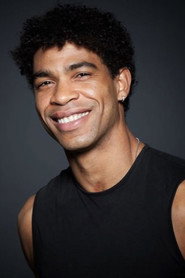 Carlos AcostaCarlos Acosta (Actual)
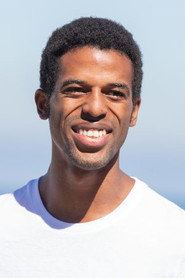 Keyvin MartínezCarlos Acosta (Joven)
 Edison Manuel OlberaCarlos Acosta (1983)
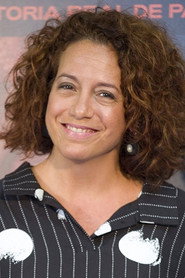 Laura de la UzMaestra Chery
- Yerlín Pérez LópezMaría
- Carlos Enrique AlmiranteEnrique
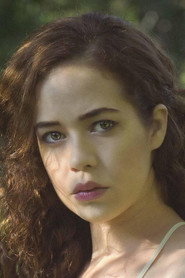 Andrea DoimeadiosBerta
 Alexandra ProkhorovaAmiga Inglesa
 Tamara RojoJulieta
 Héctor NoasGuía
Directing
- Icíar BollaínDirector
Writing
- Paul LavertyWriter