
Film
Boycott
Boycott dramatizes the Montgomery bus boycott of 1955–56, focusing on the ordinary people and careful organizing that made a pivotal civil rights victory possible. Jeffrey Wright's King is thoughtful rather than oracular. It's a film about strategy, faith, and coalition-building under pressure, made for television but serious in intent.
If you liked this
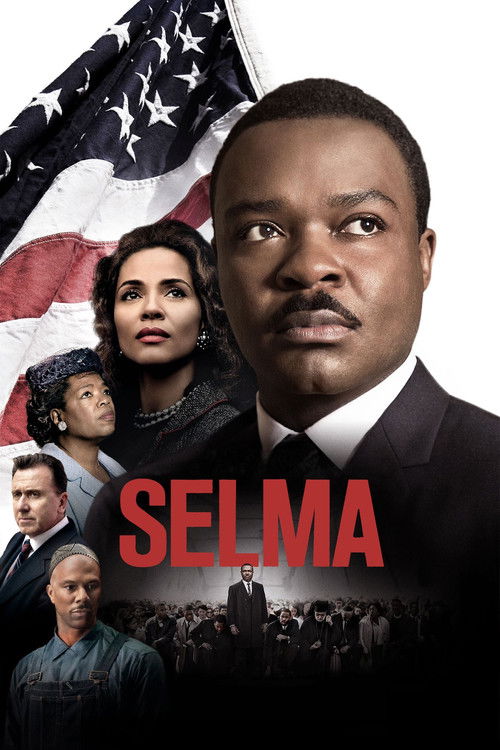
Selma2014
A more recent, theatrically released account of King and the voting rights march, with David Oyelowo bringing vulnerability and rage to the role. Complements Boycott by showing how the movement evolved.
But Oyelowo's performance is intensely internal; if you prefer a King who speaks in the grand register, this won't satisfy you.
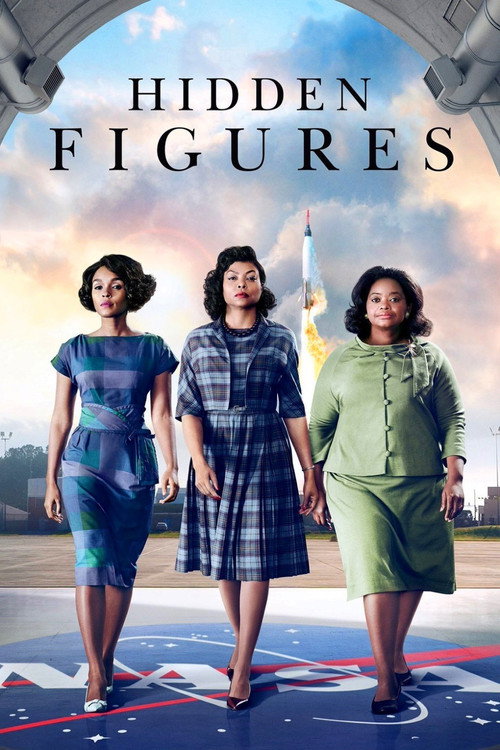
Hidden Figures2016
Another undersung-heroes civil rights story, this one about Black women mathematicians at NASA. Same spirit—ordinary people doing extraordinary work while the system resists.
But It's more accessible and less politically rough than Boycott, which some find safer but others find more comfortable than they wanted.
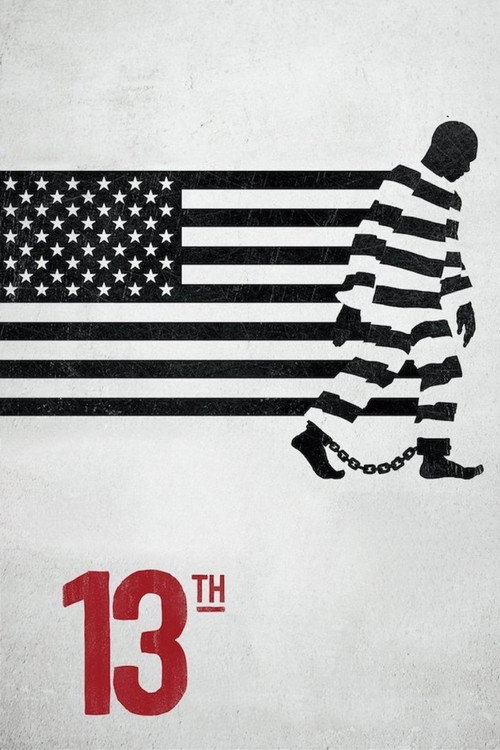
13th2016
Ava DuVernay's incisive documentary about mass incarceration as the successor to slavery. Not about the past alone—it draws a direct line to today, which Boycott does not attempt.
But It's an argument, not a narrative. Denser and more taxing than a drama, and some find its perspective too polemical.
Not sure tonight? Get a pick in a minute, starting from Boycott
The wildcard
Something you would not have found on your own.
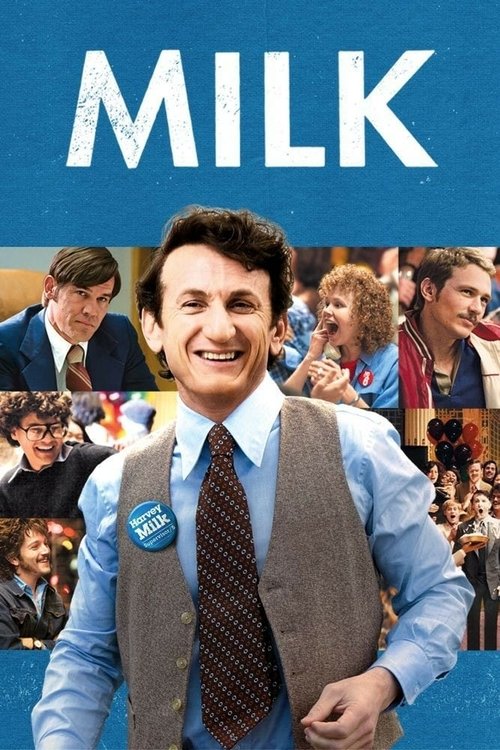
Milk2008
Both films center a nonviolent movement organized from the ground up, led by a charismatic figure of faith, and both end with assassination. Both ask: what does it cost to stand?
Sean Penn as Harvey Milk in San Francisco, 1974–78. Like Boycott, it's about how ordinary people organize a movement from nothing, how faith sustains it, and how violence can end it. Same structure, different struggle.
But It's about gay rights in the 1970s, not race in the 1950s. If you came to Boycott only for the specific history, the parallel won't move you.
More like this (7)
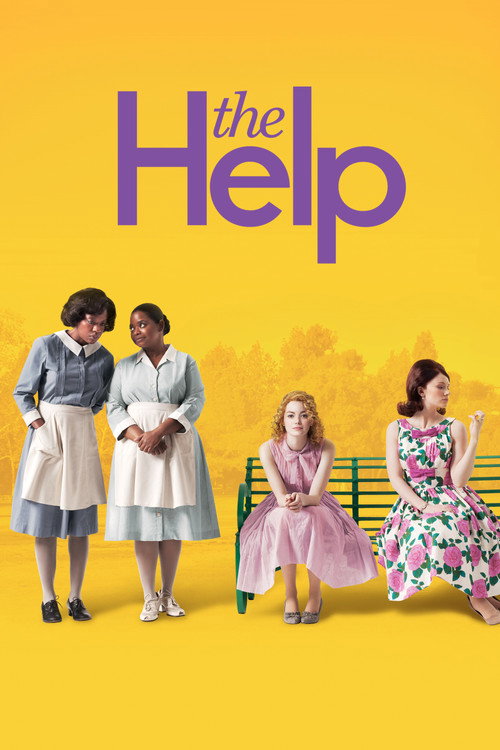
The Help2011
Ensemble civil rights drama set in the 1960s South, focused on domestic workers and a young white journalist. Strong performances and a narrative engine that keeps you watching.
But Critics have rightly noted it centers the white character's awakening rather than the maids' own stories. Boycott avoids this trap far better.
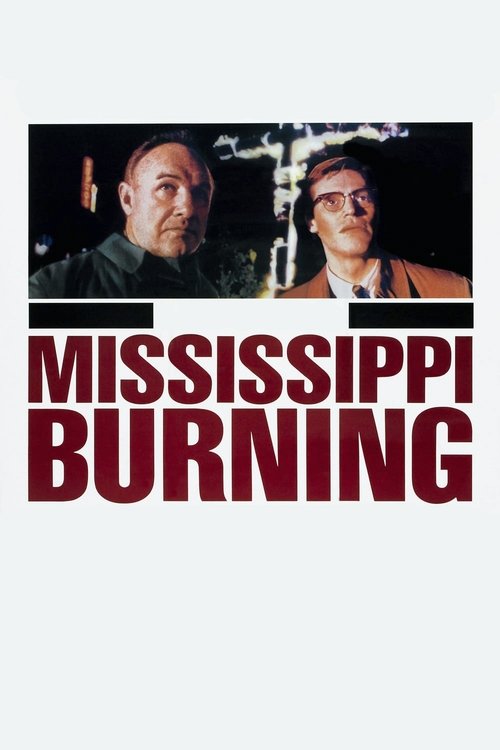
Mississippi Burning1988
A procedural about FBI agents investigating a murder during Freedom Summer. Taut, angry, and gorgeously shot in period detail. Excellent supporting cast.
But It privileges the white agents as heroes, which is the opposite of what actually happened. Historically irresponsible in ways that will bother you if you care about accuracy.
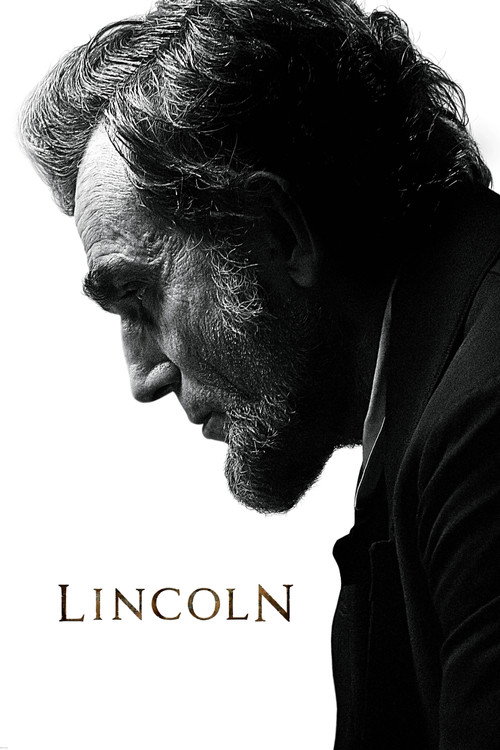
Lincoln2012
Daniel Day-Lewis as Lincoln, wrestling with the 13th Amendment in its final days. A film about politics, negotiation, and the moral weight of historical change.
But It's a costume drama of conversations and parliamentary procedure. If you need movement and spectacle, it will feel glacial.
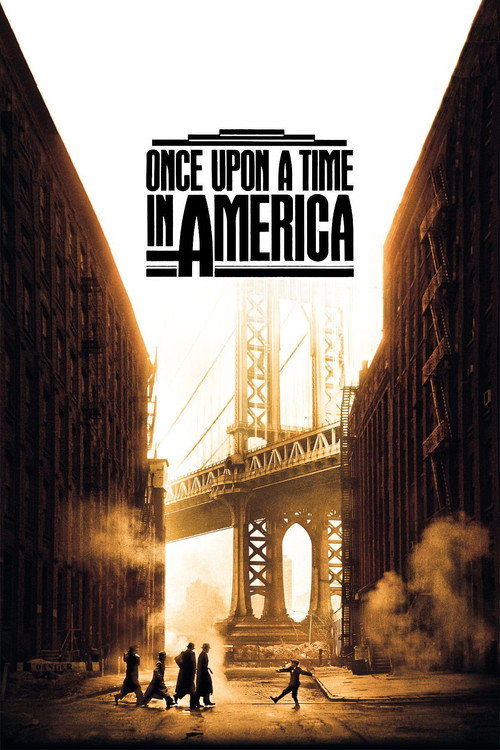
Once Upon a Time in America1984
Sergio Leone's epic about friendship, betrayal, and the American dream told in fragmented time. A masterpiece of mood and regret, entirely different in subject but similar in moral seriousness.
But It's three and a half hours, cryptically structured, and offers no easy catharsis. Some find it slow; others find it profound. No middle ground.
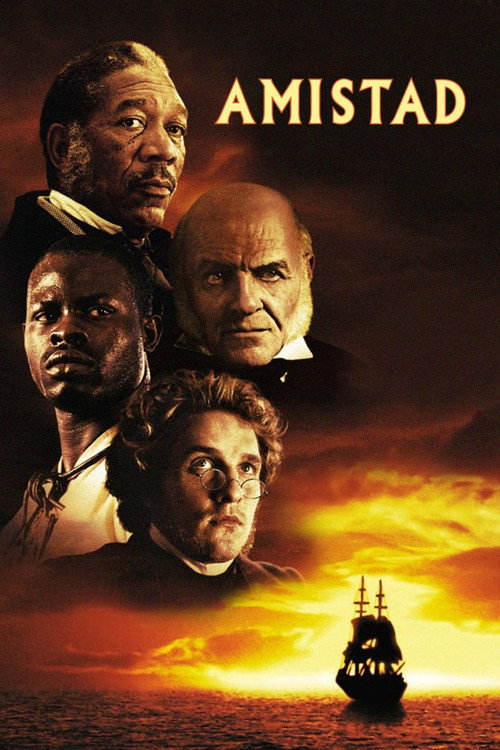
Amistad1997
Spielberg's account of the slave ship revolt and the trial that followed. Anthony Hopkins and Morgan Freeman lead a large cast through a story of legal fight and dignity reclaimed.
But The film's treatment of race is muddled at best; it's been fairly criticized for softening and sentimentalizing its subject matter for white comfort.
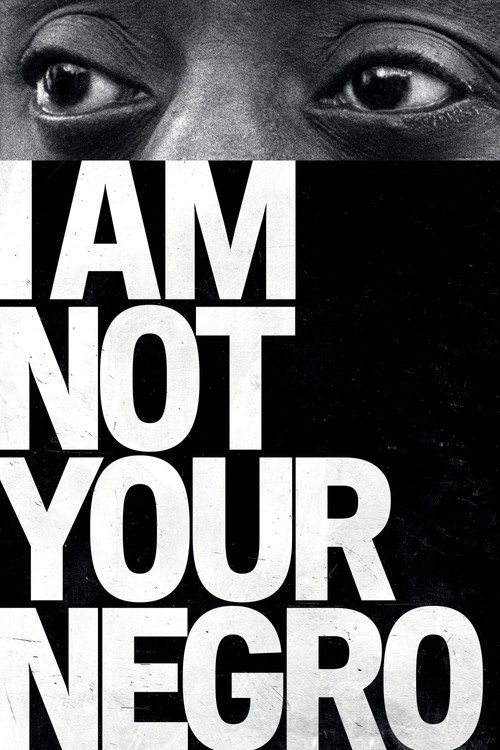
I Am Not Your Negro2017
Where Boycott shows us the movement's triumph, Baldwin and Peck show us what the movement's victory was never permitted to mean. They're not contradictory—they're complementary truths.
Raoul Peck's documentary essay, narrated by actor Samuel L. Jackson, built from James Baldwin's unfinished manuscript. Connects the civil rights era directly to today's police violence and white supremacy. Brilliant and unflinching.
But It's essayistic, not narrative. No plot to follow, no arc of victory. Some find it exhausting; others find narrative victory itself a lie told to white audiences.
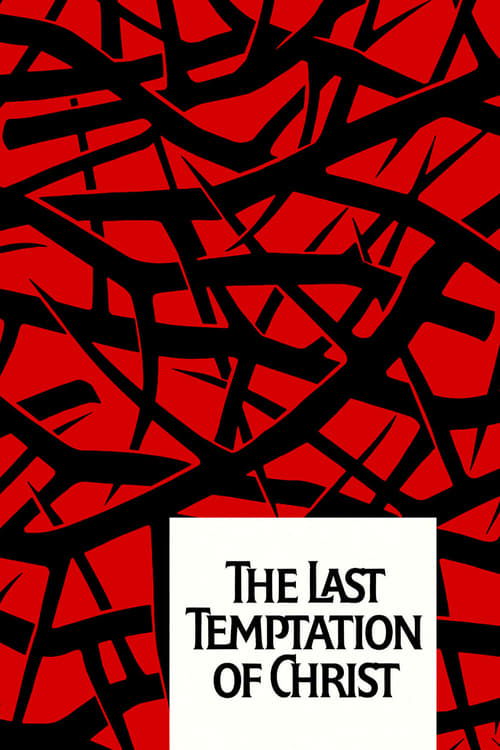
The Last Temptation of Christ1988
Both films examine how a figure of faith sustains a movement through their own interior struggle, visible to those around them. Both treat the spiritual leader as human, not myth.
Scorsese's controversial retelling of Jesus' ministry as a man struggling with faith, doubt, and the weight of his calling. Jeffrey Wright plays a figure of spiritual authority; Scorsese shows how that authority is built from doubt, not certainty.
But It's explicitly blasphemous to many Christian traditions, banned in some countries. It's also slow, interior, and offers little comfort. Not a crowd-pleaser.
People
Cast
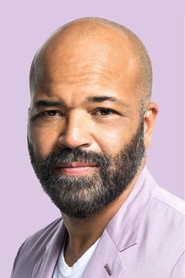 Jeffrey WrightDr. Martin Luther King, Jr.
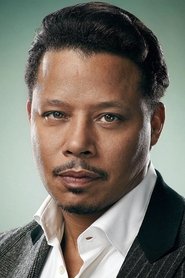 Terrence HowardRalph Abernathy
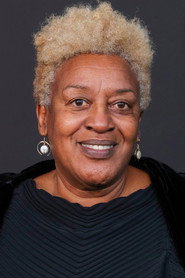 CCH PounderJo Ann Robinson
 Carmen EjogoCoretta Scott King
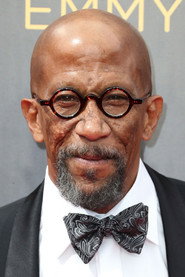 Reg E. CatheyE.D. Nixon
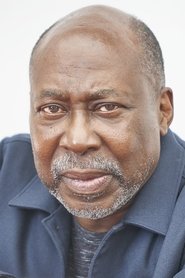 Brent JenningsRufus Lewis
 Iris Little ThomasRosa Parks
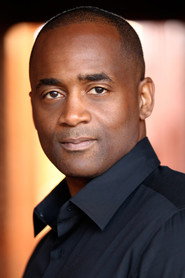 Shawn Michael HowardFred Gray
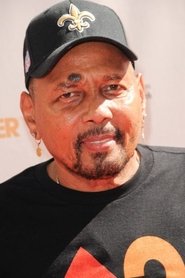 Aaron NevilleAngry Neighbor
 Erik DellumsBayard Rustin
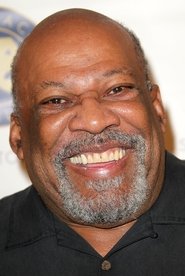 Mike HodgeDaddy King
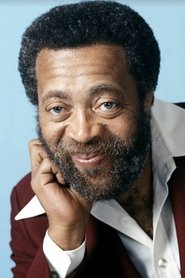 Whitman MayoReverend Banyon
Directing
- Clark JohnsonDirector
- H.H. CooperFirst Assistant Director
Writing
- Stewart BurnsBook
- Herman Daniel FarrellWriter
- Timothy J. SextonWriter