
Film
Native Son
- Social drama
- Very dark
Rashid Johnson's adaptation of Richard Wright's unflinching 1940 novel transplants a Black man's collision with systematic injustice to contemporary Chicago. It's visually restless and morally uncompromising, tracking how circumstance, fear, and a rigged system can compress a life into moments of terrible consequence. For viewers ready to sit with discomfort.
Should you watch it?
Watch it if you want a slow, unflinching character study that makes you sit inside a young man's shrinking options and feel the walls close without anyone raising their voice.
Skip it if you want brisk pacing or easy comfort, because this is heavy, deliberate and often grim, and its tension lives in long silences rather than set-pieces.
What it asks of you: Roughly 104 minutes of close, unhurried attention; the mood stays heavy and watchful, with few moments to exhale.
Not sure? Find tonight's pick in a minute.
If you liked this
Moonlight2016
Three interconnected chapters of a Black man's life, each achingly observed. Intimate cinematography and minimal dialogue create space for what's unsaid—trauma, desire, identity—to speak loudest.
But Deliberately paced and poetic rather than plot-driven. If you need narrative momentum, this will feel like watching someone else's private moment.

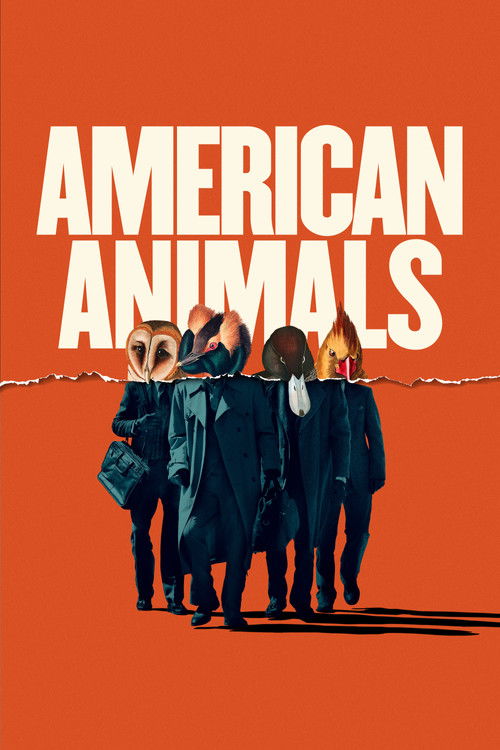
American Animals2018
Bart Layton's ingenious hybrid of crime film and meta-documentary about four college friends who plan a library heist. Playful but morally serious about how fantasy collides with consequence.
But The tonal shifts between reenactment, interview, and stylized sequences might feel scattered if you want a straight story.
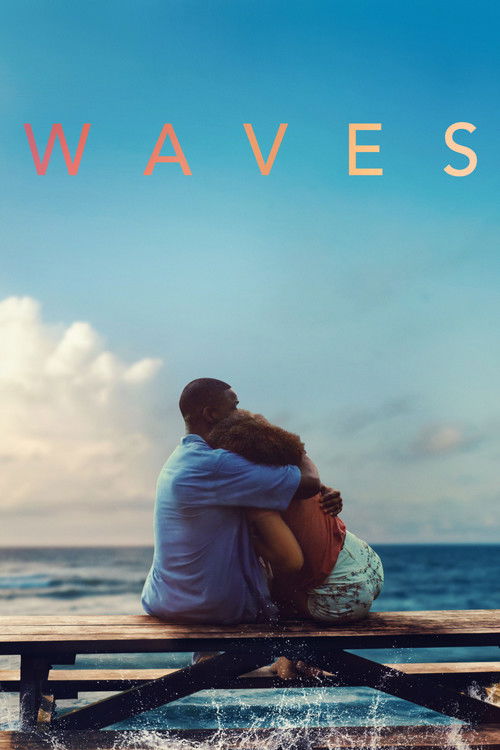
Waves2019
A family's life fractured by one catastrophic choice. Cinematically gorgeous and emotionally devastating, it tracks how quickly everything can spin into chaos and whether recovery is possible.
But The first half is almost unbearably tense. Some find the tonal shift in the second half manipulative rather than cathartic.
Not sure tonight? Get a pick in a minute, starting from Native Son
The wildcard
Something you would not have found on your own.
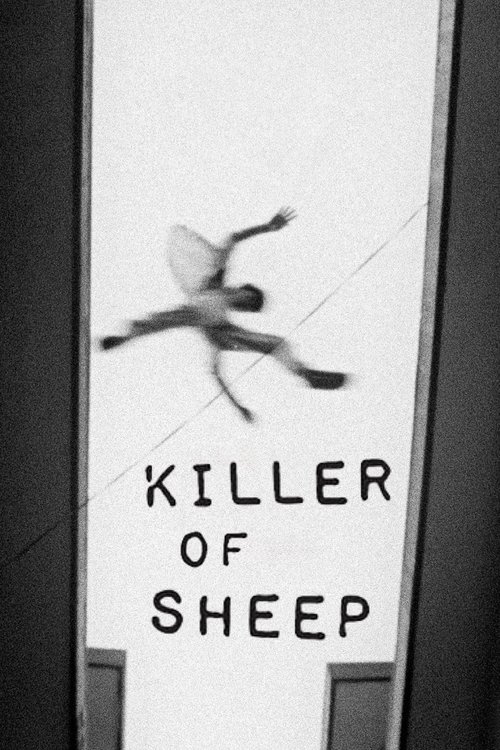
Killer of Sheep1978
Both use meticulous visual language to render the interior life of a Black man navigating a world structured to diminish him. Both refuse sentimentality as a response to systemic cruelty.
Charles Burnett's astonishing debut follows a slaughterhouse worker in Watts with observational precision and heartbreaking humanity. Black-and-white, fragmentary, almost documentary in its attention to daily life and its undercurrent of despair.
But No conventional plot. Nearly plotless, which some experience as experimental indulgence rather than profundity. Demands active attention.
More like this (8)
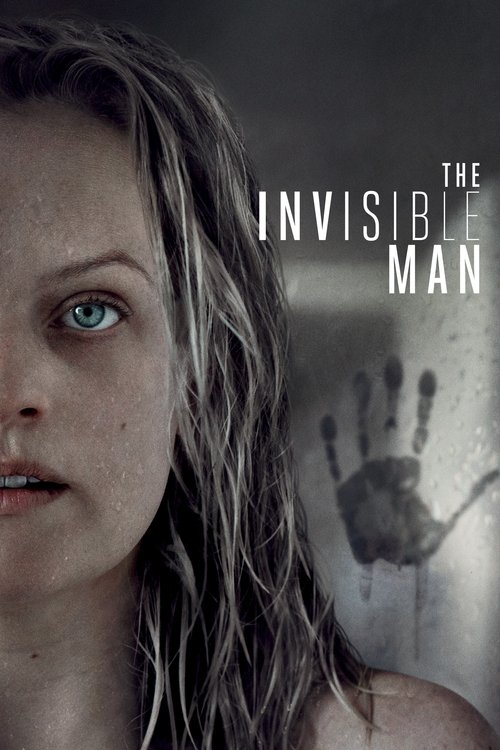
The Invisible Man2020
Leigh Whannell's update uses sci-fi to visualize systemic abuse—the terror of a threat you can't see coming. Formally inventive and genuinely frightening.
But Horror film aesthetics. If you're watching for intimate character study, the genre framework keeps emotional access at arm's length.
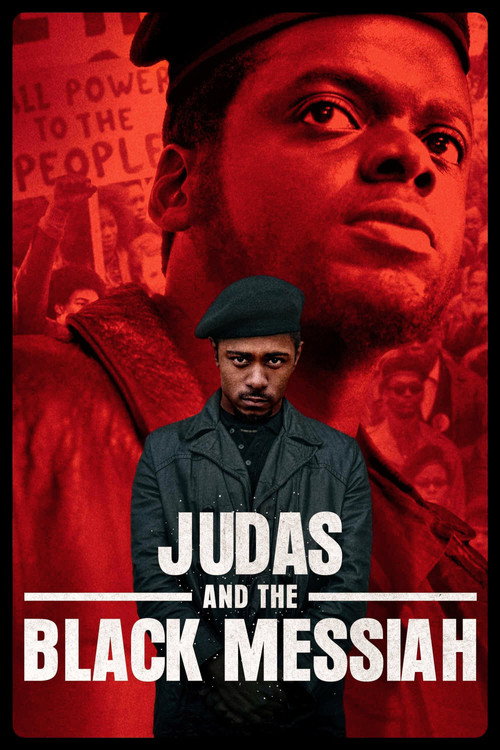
Judas and the Black Messiah2021
Shaka King's account of the Black Panther infiltration moves with urgency and moral clarity. Dynamically acted, visually striking, and angry in ways that feel earned.
But The historical moment it depicts—and the systems it exposes—remain active. Not distant enough to feel safely historical.
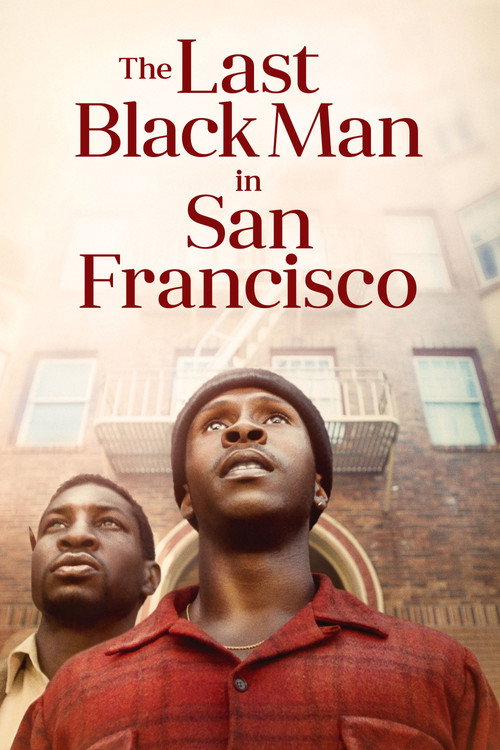
The Last Black Man in San Francisco2019
Joe Talbot's meditative exploration of gentrification, displacement, and memory through a grandson trying to reclaim his family home. Poetic without being precious.
But Plot is secondary to mood and visual storytelling. If you're looking for conventional narrative satisfactions, you'll be frustrated.
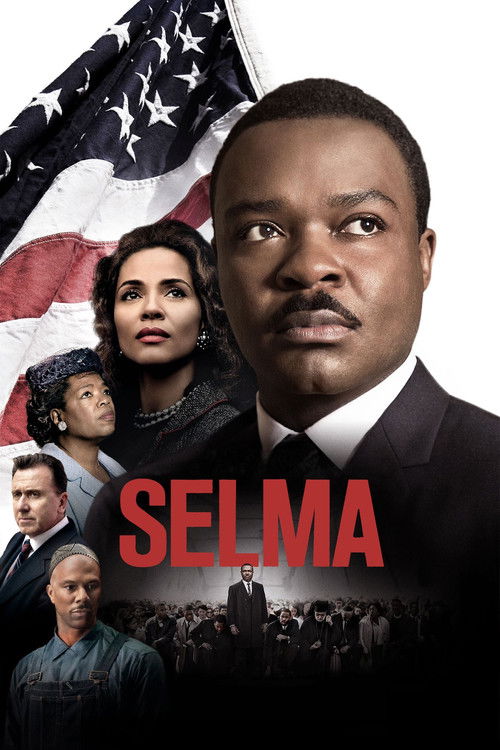
Selma2014
Ava DuVernay focuses on the Selma marches as tactical mobilization, not sanitized inspiration porn. Tense, strategically detailed, and grounded in real people's choices.
But Some feel it softens the scope of King's vision to fit a conventional hero's journey. The ending can feel formulaic.
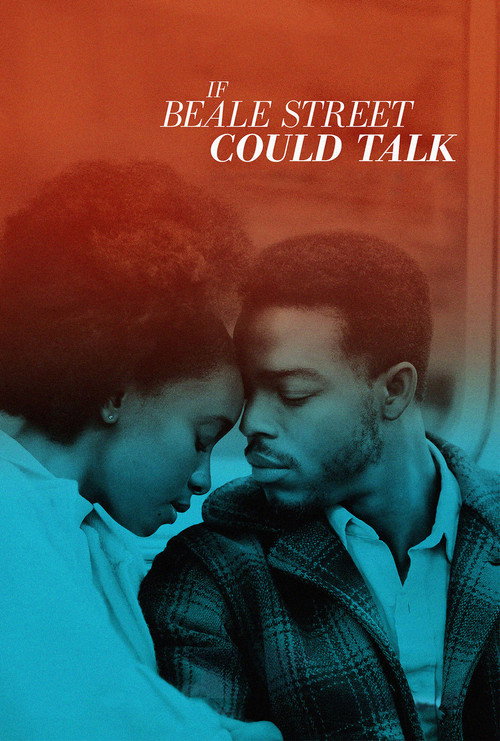
If Beale Street Could Talk2018
Barry Jenkins adapts James Baldwin with visual and emotional precision. A love story weaponized against the machinery of injustice; tender and furious at once.
But Deliberately sensuous filmmaking that prioritizes feeling over plot momentum. Patient pacing won't be for everyone.
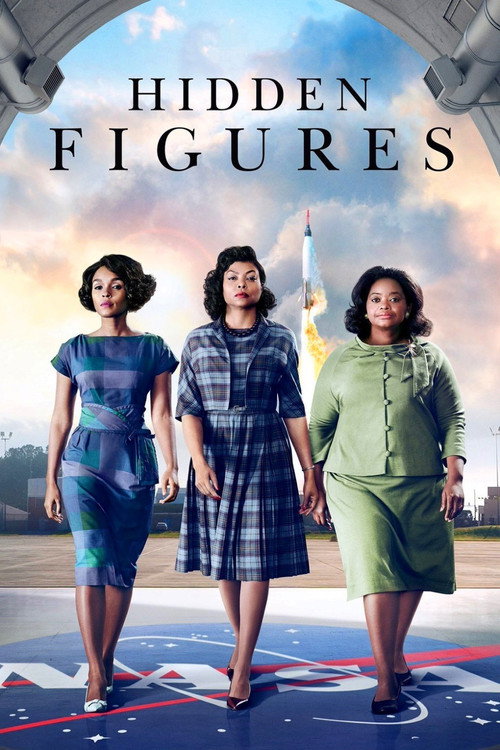
Hidden Figures2016
Ensemble story of Black women mathematicians essential to the space program, told with clarity and humor. Strategically optimistic without erasing the obstacles they faced.
But The pleasantness of the tone and the feel-good arc mean it skims the surface of deeper structural racism compared to films that sit in darker territory.
The Godfather Part II1974
Both examine how institutional systems—whether organized crime or American racism—offer impossible choices where every decision exacts a price. Bigger and Michael face the same architecture from opposite sides.
Coppola's parallel narratives of power, corruption, and the cost of survival—one in Sicily, one in 1950s New York. Formally audacious and morally complex about how systems consume those who try to navigate them.
But Three hours and deliberately paced. It's a crime epic about organized power structures, not a personal drama—if you want interiority, Godfather is glacial about withholding it.

Parable of the Sower
Both are rooted in how powerlessness and systemic violence shape the interior world of a young Black protagonist. Both ask what happens when the ground beneath you dissolves and survival means spiritual and moral reconfiguration.
Octavia Butler's unfinished novel, dramatized by DaMi Corces, follows a young Black woman in 2020s California navigating societal collapse through prescient horror and spiritual resilience. Sci-fi as social prophecy, grounded and devastating.
But Speculative fiction rather than realism. Butler's vision of near-future dystopia may feel too fantastical for viewers wanting present-day social realism, though it arrives sooner each year.
People
Cast
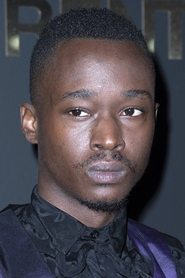 Ashton SandersBigger Thomas
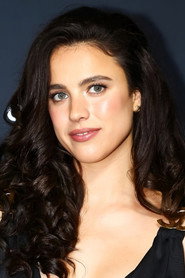 Margaret QualleyMary Dalton
 Nick RobinsonJan Erlone
 KiKi LayneBessie Mears
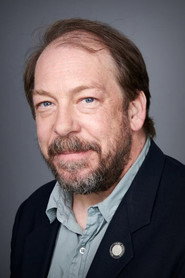 Bill CampHenry Dalton
 Sanaa LathanTrudy Thomas
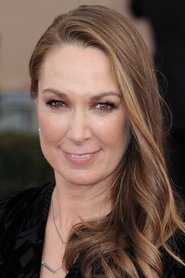 Elizabeth MarvelMrs. Dalton
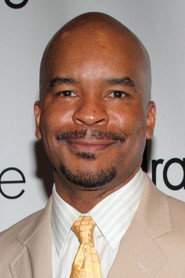 David Alan GrierMarty
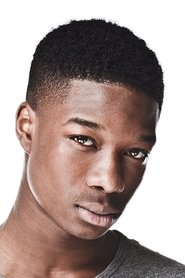 Lamar JohnsonJackson
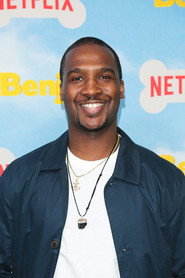 Jerod HaynesGus
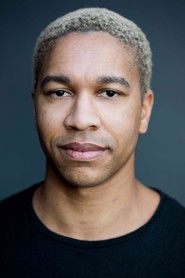 Aaron MotenTony
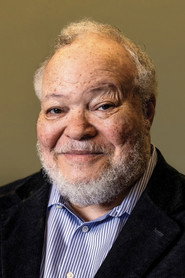 Stephen McKinley HendersonMr. Green
Directing
- Rashid JohnsonDirector
- Jake HeinekeSecond Assistant Director
- Joe SorzanoSecond Second Assistant Director
Writing
- Richard WrightNovel
- Suzan-Lori ParksWriter
Production
- Mary VernieuCasting
- Raylin SaboCasting
- Matthew LibatiqueCo-Producer
- Stephanie MeurerExecutive Producer
- Matthew PerniciaroProducer
- Michael ShermanProducer