
Film
The New Black
A documentary following African-American activists, families, and clergy debating same-sex marriage and homophobia within Black institutions, particularly the church. Set against Maryland's marriage equality campaign, it captures the tension between civil rights movements and explores how the Christian right weaponized religious tradition. Intimate and unflinching, essential viewing for understanding intra-community solidarity and faith.
If you liked this
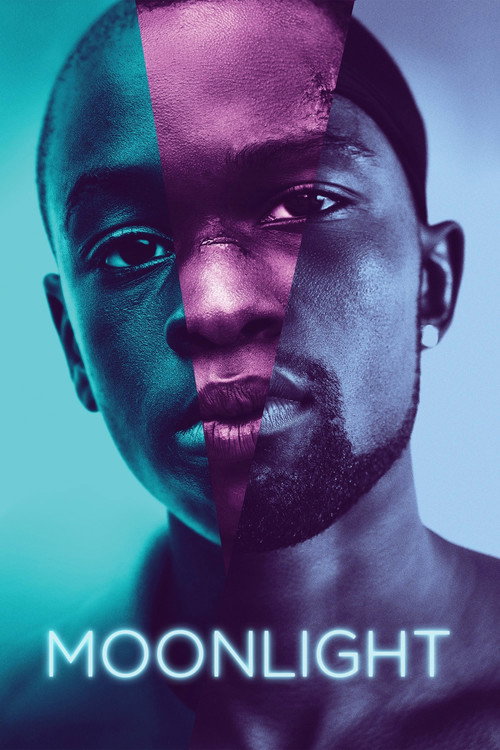
Moonlight2016
A tender, visually luminous portrait of a Black queer man's coming-of-age in Miami. It moves with poetry rather than plot, offering the interior emotional life that documentaries can only gesture toward. A necessary counterweight to institutional debates.
But Very slow and deliberately paced. If you want narrative momentum or clear story beats, this will feel deliberately evasive.
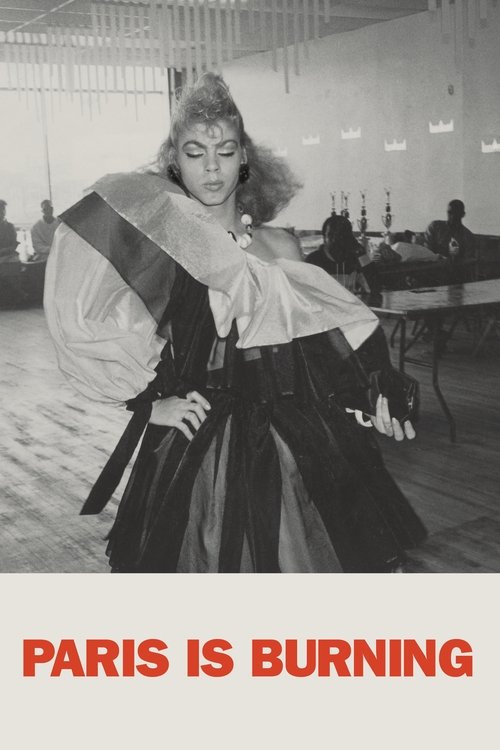
Paris Is Burning1991
Jennie Livingston's landmark documentary captures the ballroom culture of Black and Latino queer communities in 1980s New York. Raw, joyful, defiant—it's the spiritual ancestor to The New Black's conversation about identity and survival.
But Grimy VHS-era image quality takes adjustment. Some viewers find the film's distance from its subjects occasionally uncomfortable, though that distance is part of its honesty.
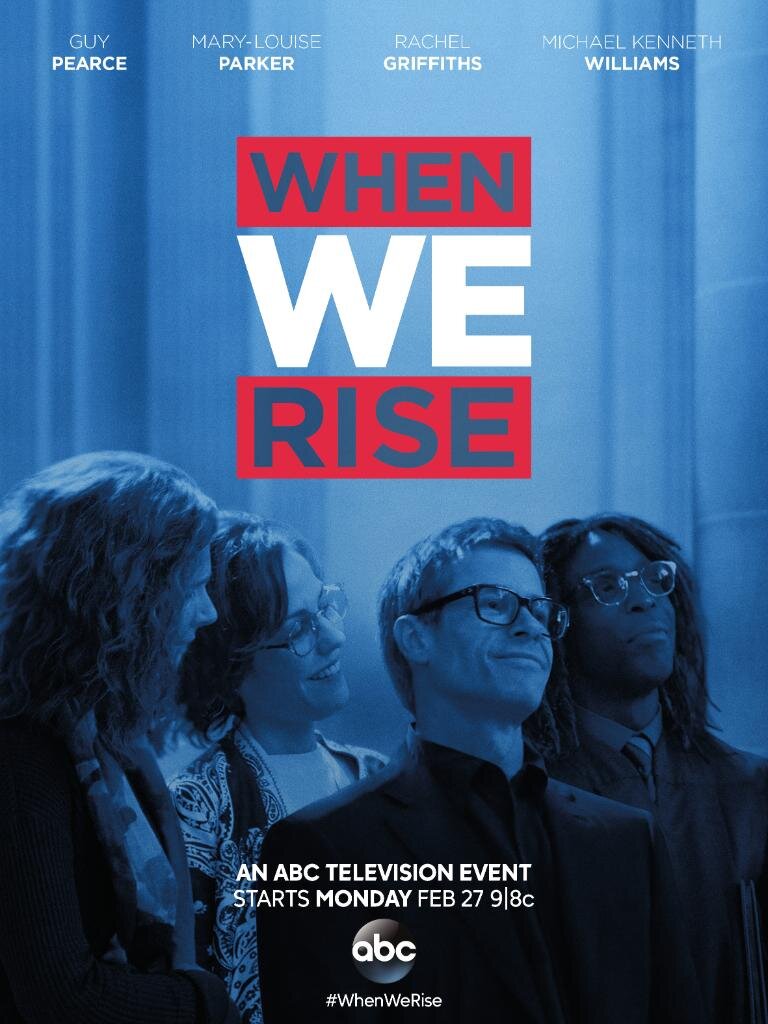
When We Rise2017
Gus Van Sant's miniseries chronicles the LGBTQ+ rights movement from the 1970s onward, following multiple generations and communities. Expansive, generous storytelling that contextualizes The New Black's moment within a longer struggle.
But Eight hours is a commitment. Some episodes drift toward melodrama when the real history is compelling enough on its own.
Not sure tonight? Get a pick in a minute, starting from The New Black
The wildcard
Something you would not have found on your own.
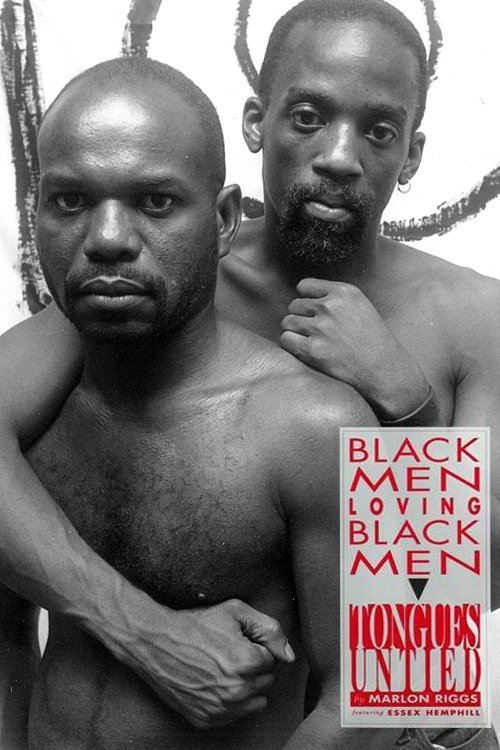
Tongues Untied1990
Both center Black queer testimony and institutional faith as inseparable from questions of freedom and self-definition. Riggs asks the interior questions that The New Black documents on the streets and in sanctuaries.
Marlon Riggs's watershed documentary-essay about Black gay men, sexuality, and representation. A direct ancestor to The New Black—it asks the same question about visibility and voice, but from the inside out, with poetry and fury and love. Foundational.
But Experimental and formally challenging. Shot on grainy video with overlapping voices and imagery that doesn't resolve neatly. Some find it didactic; others, essential art.
More like this (7)
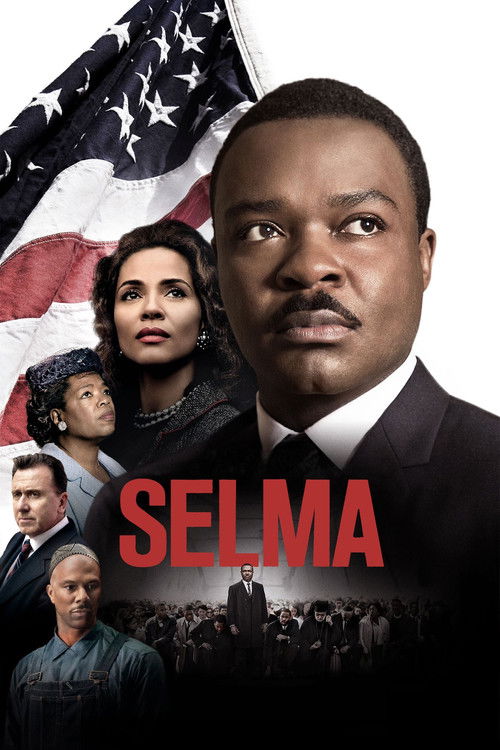
Selma2014
Ava DuVernay's portrait of the 1965 voting rights campaign shows the Black church as a site of moral witness and courage. It's about an earlier civil rights moment, but the echoes with The New Black's question—how do communities define justice?—are profound.
But Focuses on a specific historical event rather than ongoing theological debate. If you want the film to grapple with the complexity The New Black foregrounds, you won't find it here.
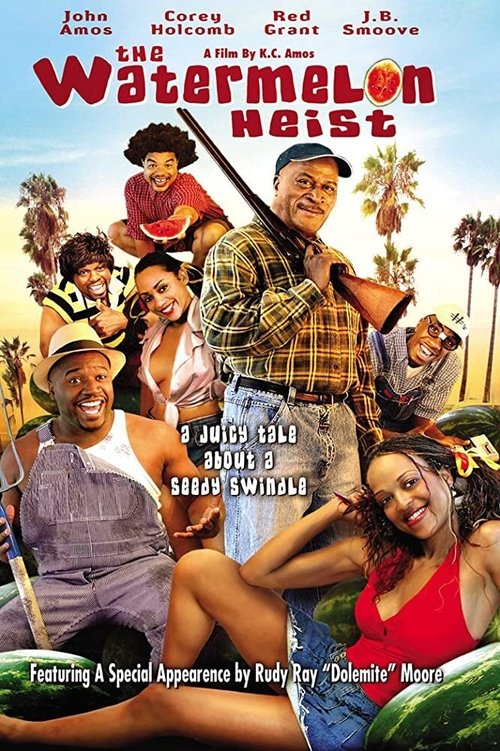
The Watermelon Heist2003
A documentary about Black entrepreneurship, institutional barriers, and economic self-determination. Different topic, same question: how do communities build power within systems designed to exclude them?
But Dated production values and a somewhat didactic tone. Less cinematically sophisticated than you might want.
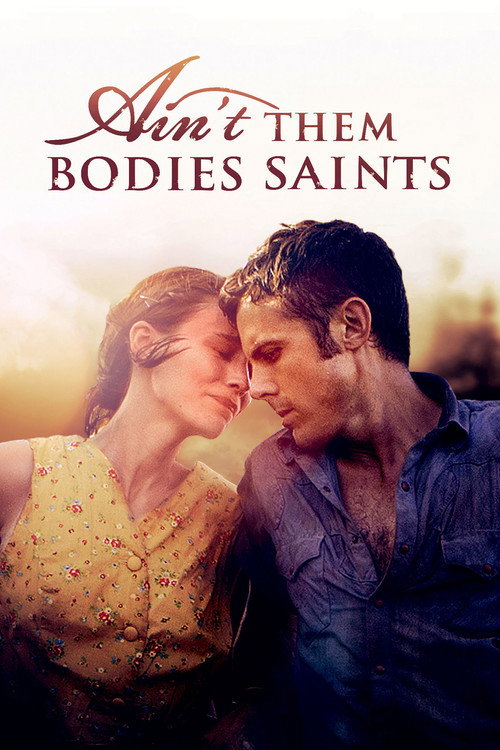
Ain't Them Bodies Saints2013
David Lowery's elliptical crime drama explores loyalty, redemption, and what we owe each other across difference. Not directly about queerness or faith, but it's meditating on the same moral territories.
But Extremely slow and visually abstract. Plot barely exists. If you need conventional narrative, this will feel like watching paint dry.
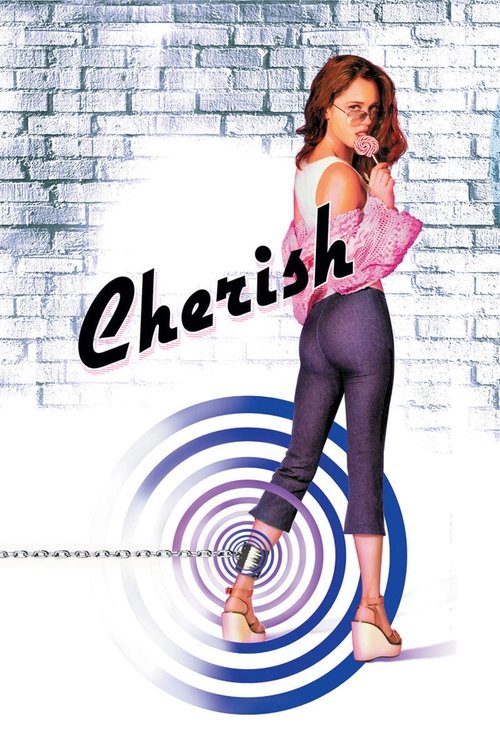
Cherish2002
A queer indie drama about community and belonging. Works as a gentle complement to The New Black's harder institutional critique—what does chosen family look like when institutions fail you?
But Obscure for good reason. Low budget shows in every frame, and the pacing assumes infinite patience from viewers.
The Divine Comedy
An experimental documentary about religion, identity, and the sacred. Oblique and challenging, but rewards attention for anyone thinking about spirituality outside institutional boxes.
But Genuinely difficult to follow. No clear narrative logic. You need to come to it already thinking about these questions to stay engaged.
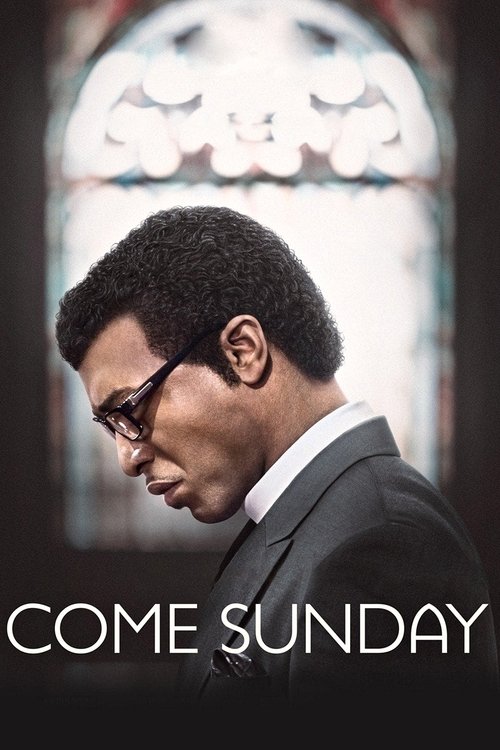
Come Sunday2018
Both documents the collision between institutional Christianity and personal liberation in Black communities. Where The New Black observes from outside, Come Sunday lives inside the contradiction.
Directed by Joseph Brewster and Marcus A. Clarke, this tells the true story of a Black megachurch pastor who comes out as gay and challenges his congregation's homophobia from within. It's The New Black from the pulpit—urgent, intimate, and theologically ambitious.
But Heavy emotional subject matter. Depicting faith crisis and family rupture isn't cathartic; it's devastating. Some viewers find the ending too tidy for the wounds it opens.
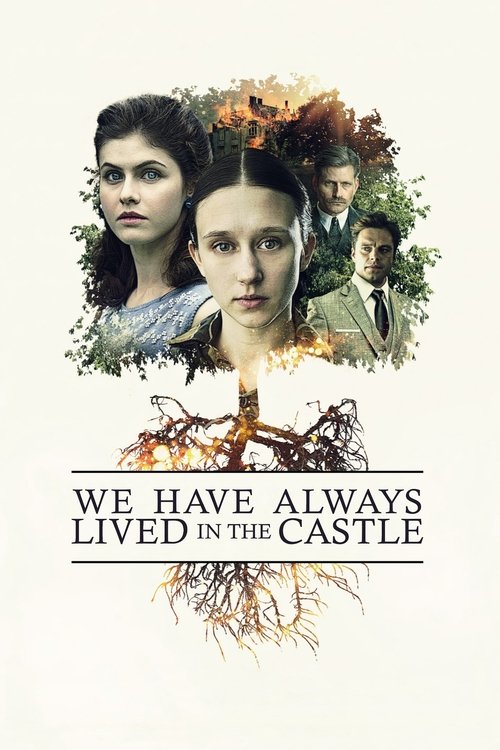
We Have Always Lived in the Castle2019
Both examine how institutions (whether family, church, or town) weaponize shame and exclusion to maintain control. The New Black documents it; this film dramatizes the interior cost of defying those boundaries.
An adaptation of Shirley Jackson that's really about how communities police their margins and define belonging. Sounds unrelated, but it's fundamentally asking the same question as The New Black: who decides what's normal, and what happens to those who resist?
But A haunted-house indie that moves at its own pace. If you come for a thriller, you'll leave disappointed. The horror is social, not supernatural.
People
Directing
- Yoruba RichenDirector
Writing
- Erin CasperWriter
- Yoruba RichenWriter
Production
- Samantha StarkAssociate Producer
- Veena RaoAssociate Producer
- Angela TuckerCo-Producer
- Samantha StarkExecutive Producer
- Yoruba RichenProducer
- Yvonne WelbonProducer