Film
A Soldier's Story
Other titles called A Soldier's Story: the 1984 film.
A quietly devastating film about an injured soldier nursed back to consciousness by a stranger in a ravaged landscape. It's a two-character study that builds its power through silence and gesture rather than exposition. For viewers who prize restraint and emotional specificity over plot momentum.
If you liked this
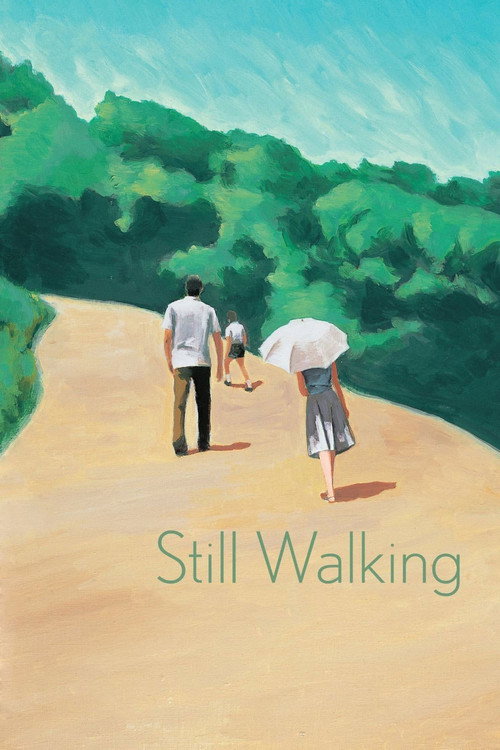
The Straight Story1999
David Lynch's gentlest film: a man and his tractor journey across Iowa to reconcile with his estranged brother. Transcendent in its commitment to slowness, grace, and the weight of small gestures.
But Almost nothing happens in the plot sense. If you watch films for narrative momentum rather than mood and earned emotion, this will feel glacial.
Cargo2017
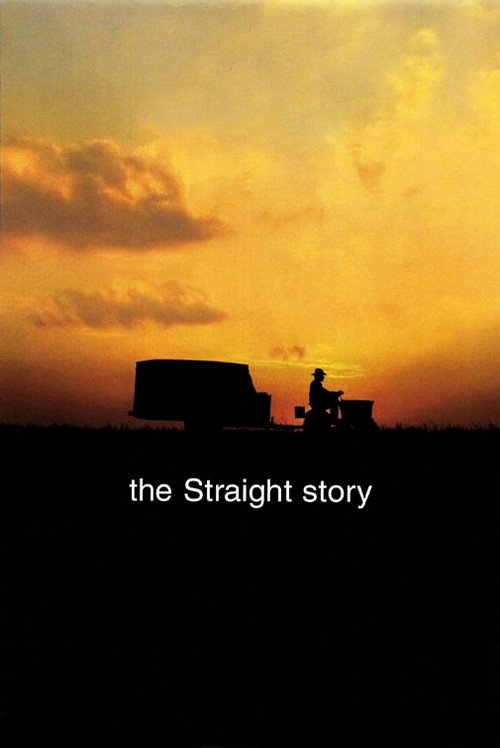
A father infected with a zombie virus races against his own transformation to get his daughter to safety. Reimagines the genre entirely as intimate desperation rather than spectacle or gore.
But The premise sounds genre-familiar. It's not flashy or entertaining in conventional ways; it's achingly human in a manner some find depressing rather than moving.
Come and See1985
Elem Klimov's masterpiece about a Soviet boy conscripted into WWII. Unflinching, hallucinogenic, and morally shattering. Essential cinema that doesn't look away from what war actually costs.
But Genuinely difficult viewing. This is not cathartic; it's punishing and meant to be. Not entertainment, witness.

Not sure tonight? Get a pick in a minute, starting from A Soldier's Story
The wildcard
Something you would not have found on your own.
Tokyo Story1953
Both films understand that recovery and presence are active states requiring profound patience. Both trust stillness to communicate what plot cannot.
Yasujiro Ozu's masterpiece: an elderly couple visit their son in Tokyo. Nothing happens. Furniture, meals, small talk, the space between words. Ozu invented the language of quietness that every quiet film since borrows from.
But Released 1953. Shot with static camera and pillow shots of everyday objects. To modern eyes accustomed to cutting and movement, it can read as immobile. Requires absolute patience.

More like this (8)
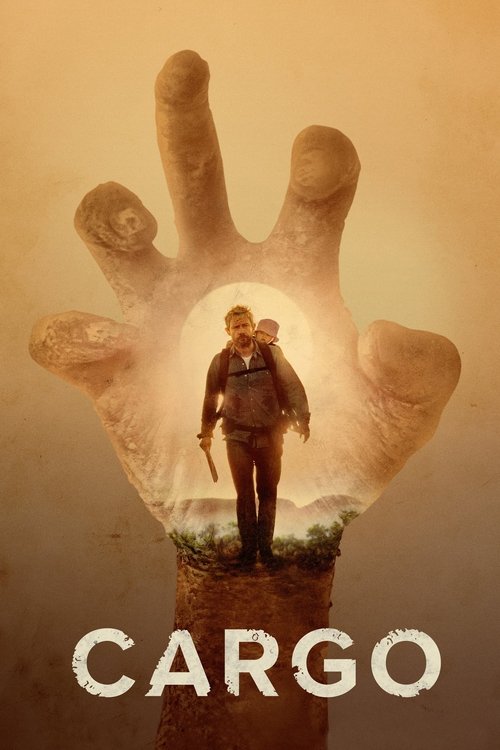
Pina2011
Wim Wenders films the dance-theatre of Pina Bausch in 3D, creating something between documentary and poetry. Gorgeous, embodied, a meditation on human movement and presence.
But Dialogue is minimal. If you need plot or character arcs, this offers none. It asks you to sit with bodies moving through space.
A Ghost Story2017
A ghost—literally under a white sheet—haunts the house where he lived. Formally audacious and emotionally vast. About time, presence, and the marks we leave on the world.
But Slow-burn metaphysical stuff. The image itself (ghost under sheet) might seem too literal or precious depending on your patience for concept.

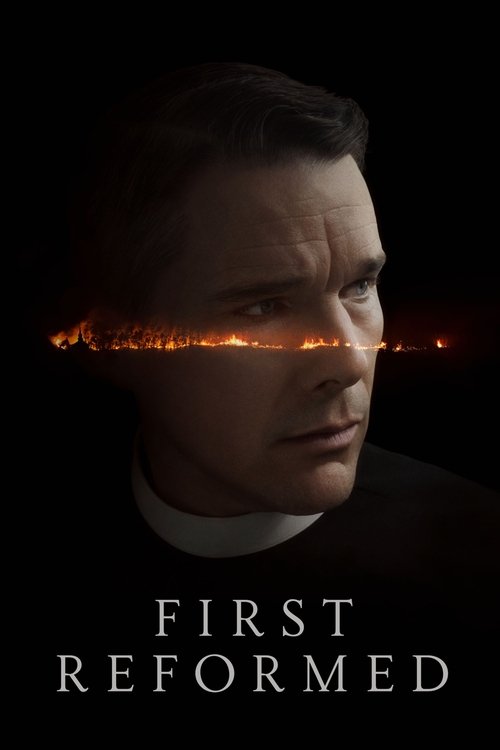
First Reformed2018
Paul Schrader's film about a minister wrestling with environmental apocalypse and faith. Austere, morally complex, anchored by Ethan Hawke's inward devastation.
But Relentlessly bleak. The protagonist's spiral is articulate but unrelenting; there's no redemptive arc, only questions.
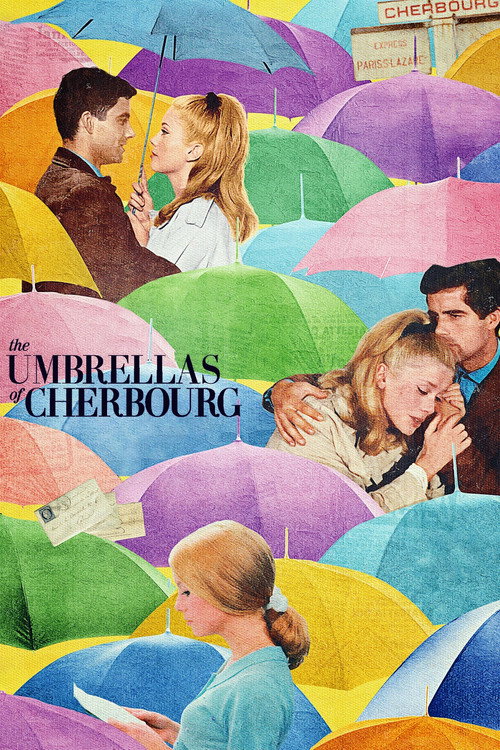
The Umbrellas of Cherbourg1964
Jacques Demy's musical about lovers separated by circumstance, shot in overwhelming colour and scored by Michel Legrand. Pure cinema: the opposite of kitsch despite seeming like it could be.
But Deeply sentimental, which sounds cheesy until you watch it. Some find the artifice cloying rather than liberating.
Winter Light1963
Bergman's chamber piece about a pastor, a organist, and a fisherman in a small Swedish church. Spare, glacial, about faith's silence and the ache of connection.
But Bergman and bleak: not for viewers who want warmth or answers. Runs 81 minutes but feels longer in the best and worst senses.

Moonlight2016
Barry Jenkins' trilogy following a Black boy across three stages of life in Miami. Shot like poetry, structured like music, devastating in its specificity and tenderness about masculine vulnerability.
But Three short chapters mean characters phase in and out. If you want sustained narrative throughline, the form can feel fractured.

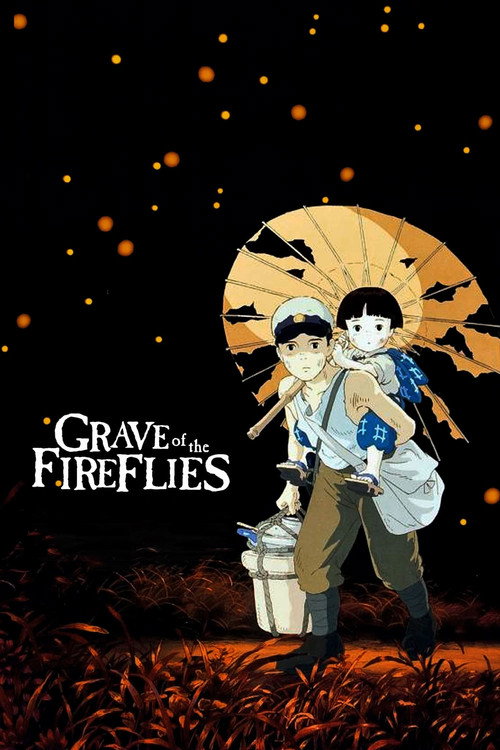
Grave of the Fireflies1988
Both foreground the small acts of care one human extends to another amid catastrophe. Both refuse sentimentality; tenderness emerges through detail, not manipulation.
Isao Takahata's animated film about two siblings surviving in Japan after WWII. Devastating and intimate. Animation allows emotional truths that realism sometimes flattens. Unmissable.
But Anime format will turn off some viewers before they start. Unrelentingly tragic; there is no silver lining. A film about starvation and loss, not adventure.
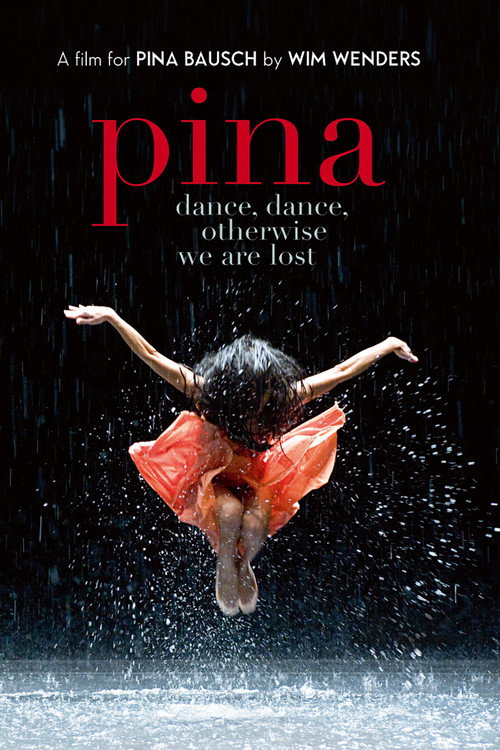
Still Walking2008
Both recognize that healing is non-linear and that the most important conversations happen in absence. Both locate profound meaning in the everyday rituals that hold broken people together.
Hirokazu Koreeda's film about a family gathering, centred on a tragedy no one speaks directly about. Japanese domestic realism at its finest—the emotional whole contained in the smallest gestures, meals, silences.
But Essentially a three-hour family dinner. Narrative is glacial. Requires you to divine emotion from context rather than expression. Not accessible if you prefer clarity.