
Film
Kings Go Forth
A 1958 war romance where two American soldiers in occupied France fall for the same woman, forcing them to reckon with class, race, and what they're willing to compromise. Sinatra and Curtis carry the emotional weight across a film that's both intimate and sweeping, occasionally awkward but genuinely felt about its moral complications.
Should you watch it?
Watch it if you like wartime romances where the love story and the soldiers' friendship pull against each other, and you enjoy old-fashioned studio craft with a sharp, mature edge.
Skip it if you want the war itself to drive the story, since the romance does most of the work and the studio gloss can feel dated.
What it asks of you: A tidy run under two hours, with long talky scenes between the men and Monique, so it asks patience more than action and rewards watching faces over plot.
Not sure? Find tonight's pick in a minute.
If you liked this
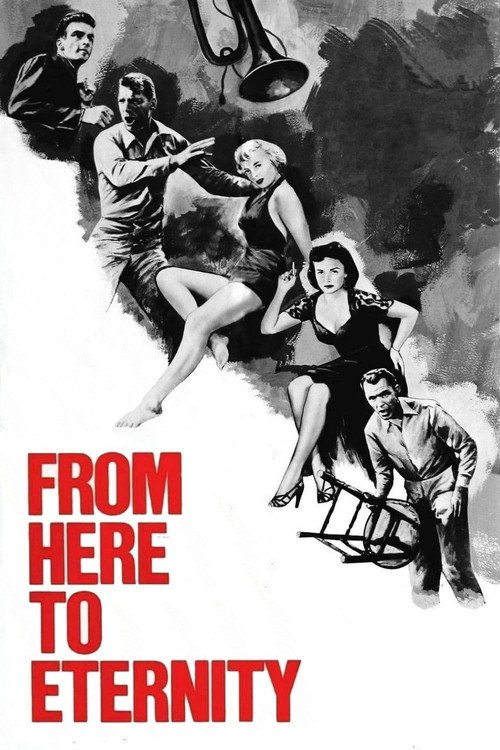
From Here to Eternity1953
Sinatra's greatest role, a sprawling military drama that pairs him with Montgomery Clift in a story where soldiers' personal lives collide with duty and desire. The depth he finds here makes him a different actor.
But Nearly three and a half hours, and the pacing can feel deliberate. The famous beach scene has overshadowed everything else; patience required for what comes before and after.
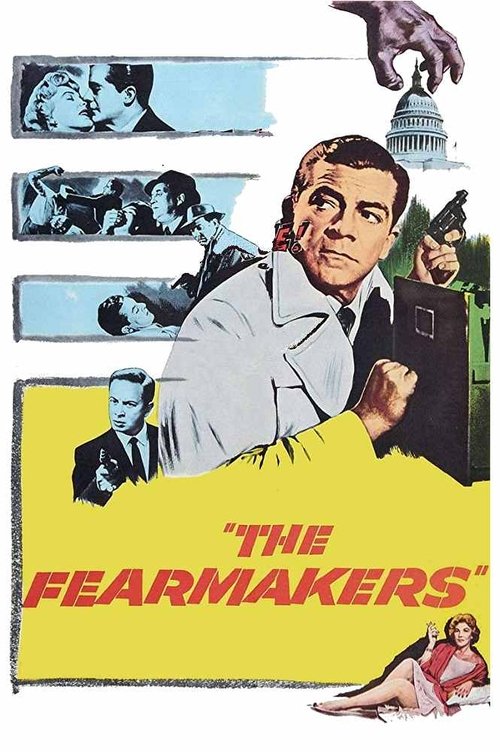
The Fearmakers1958
Curtis and Sinatra's chemistry here—the tension between ambition and conscience—echoes what they're doing in Kings Go Forth but inverted. Both men playing men who want something and willing to bend. Lean and propulsive.
But Obscure enough that tracking it down takes work. The plot mechanics of Cold War espionage feel dated, and it won't grip you the way the emotional warfare does.
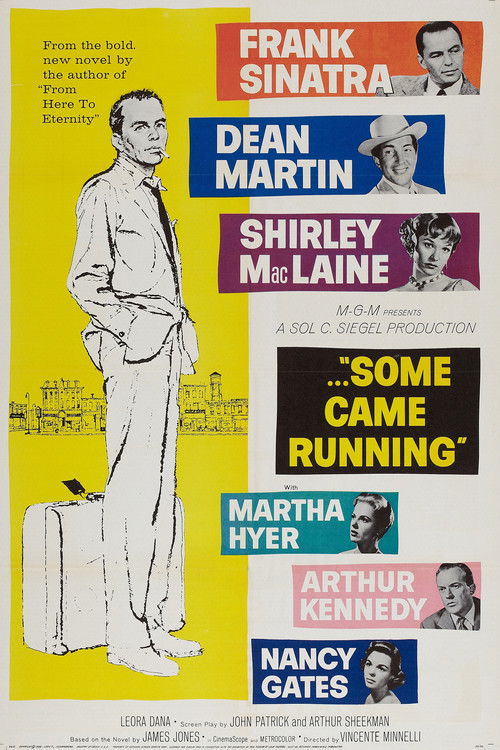
Some Came Running1958
Sinatra at his best in a messy, intimate drama about small-town life and the men who can't quite escape it. Dean Martin as his best friend gives the film its surprising heart. Released the same year—a stunning period for him.
But Melodramatic by modern standards, and the ending divides viewers sharply. Nearly two hours of deliberate character work before the payoff lands or doesn't.
Not sure tonight? Get a pick in a minute, starting from Kings Go Forth
The wildcard
Something you would not have found on your own.
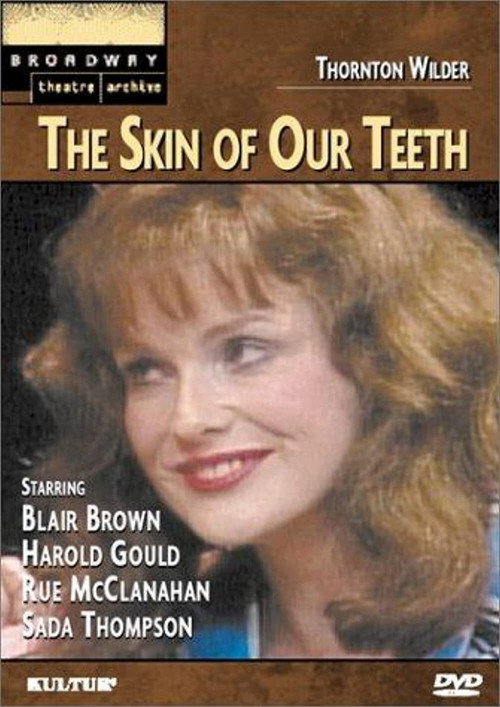
The Skin of Our Teeth1983
Sinatra's own theatrical ambitions and his need to be taken seriously as an actor—this play represents that hunger in its purest form, before and beyond the war films.
Thornton Wilder's play, the one Sinatra memorably performed in stage productions decades earlier. A metaphysical farce about survival, desire, and the absurdity of war—entirely different register from Kings Go Forth but the same man, same hunger to prove something beyond the songs.
But Theatre adapted for television, so it plays with different rules entirely. Deliberately stagey and abstract; if you want realism, this rejects it completely. Barely ninety minutes but feels longer.
More like this (7)
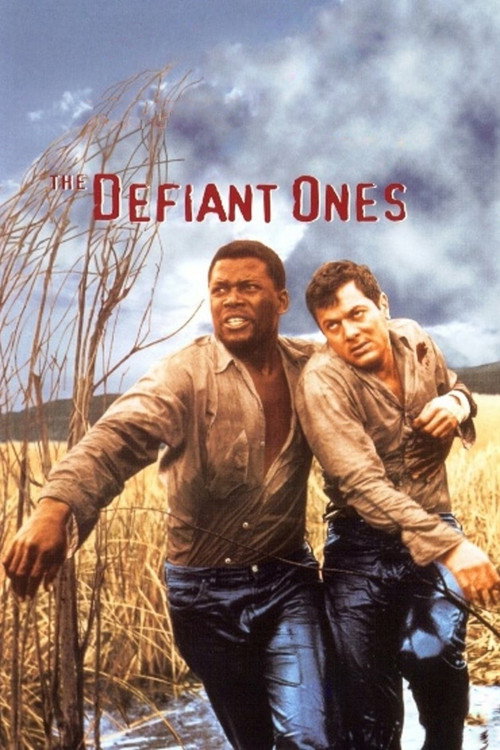
The Defiant Ones1958
Curtis and Sidney Poitier chained together, forced to confront each other's humanity across a racial divide. It's direct about what Kings Go Forth approaches more obliquely. Powerful and unsentimental.
But The message can feel heavy-handed, and the film never pretends subtlety is the goal. If you prefer subtext to text, this will feel didactic.
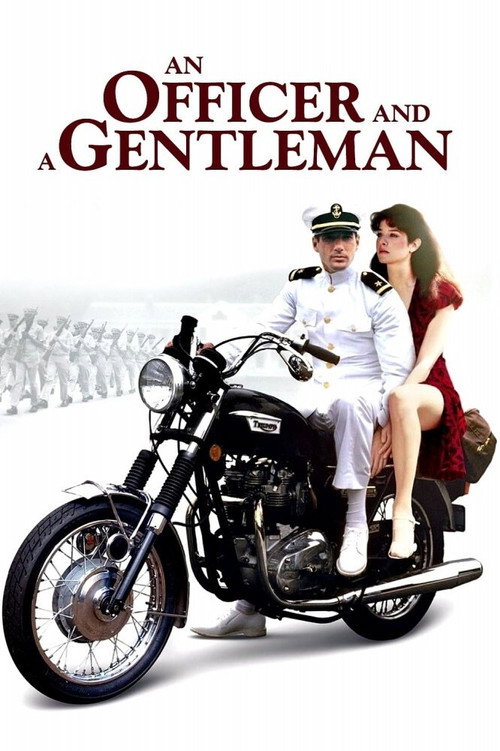
An Officer and a Gentleman1982
Recasts the soldier-in-love story with Richard Gere, adding class anxiety and a harder edge. The military training sequences have real bite, and the romance earns its sentiment through friction.
But Deeply 1980s in its energy and style. The gender dynamics, viewed now, can feel dated in ways that irritate. Some will find it manipulative.
The Best Years of Our Lives1946
Three soldiers returning home after war, trying to reconstruct their lives. It's quieter than you'd expect and ruthlessly honest about what comes after the uniform. William Wyler directing at full power.
But Approaches three and a half hours. The episodic structure means it takes time to build. Black and white, slow pacing—not for anyone wanting propulsion.

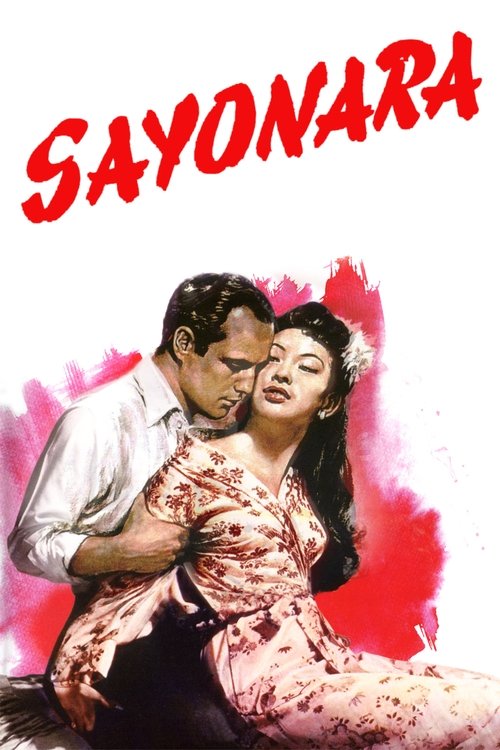
Sayonara1957
Brando and Miiko Taka in occupied Japan, navigating the same landscape of desire across cultures and official disapproval. Romance and politics inseparable. Sumptuous to watch and genuinely conflicted morally.
But Orientalism baked into the premise, however well-intentioned. The Japanese characters exist partly as fantasy objects. Uncomfortable to sit with, even knowing the film means well.
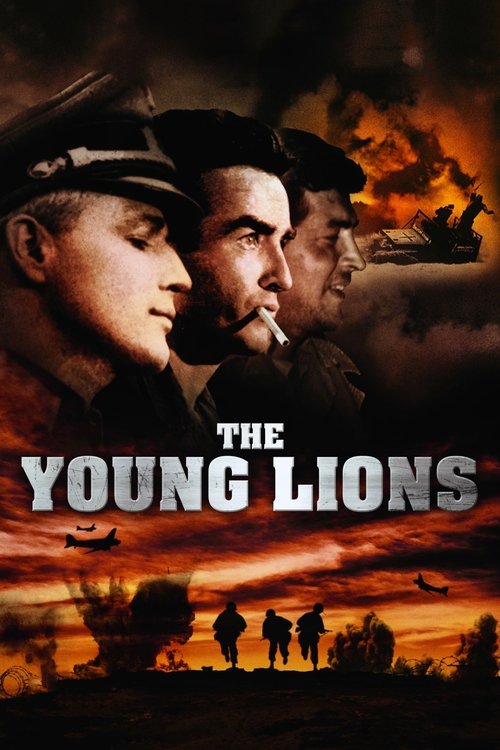
The Young Lions1958
Brando, Clift, and Dean Martin across a sprawling WWII narrative that refuses easy answers about good and evil. Ambitious in scope and genuinely interested in moral complexity.
But Nearly three hours and sprawling almost to incoherence. The multiple perspectives can feel scattered, and the film never quite pulls them into focus.
Hiroshima Mon Amour1959
The same landscape—occupied France, soldiers and civilians, desire across the wreckage of war—but Resnais strips away sentiment entirely, leaving only the ache and the impossibility. Where Kings Go Forth dramatizes, this abstracts.
Alain Resnais on occupied France, two lovers from enemy nations unable to fully bridge the gap between them no matter how close they get physically. Memory and trauma as the third character. Structurally radical and emotionally devastating.
But Experimental narrative structure that deliberately withholds clarity. French cinema of the period—elliptical, philosophical, resistant to plot. Demands active watching, offers no comfort.

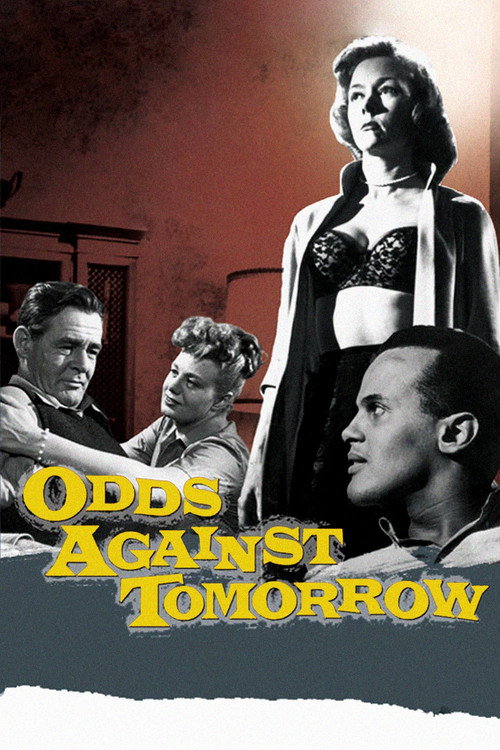
Odds Against Tomorrow1959
Another late-50s/early-60s American film wrestling with race and solidarity under pressure, but through the grammar of noir rather than romance—harder, colder, less interested in redemption.
Harry Belafonte and Robert Ryan as thieves forced together across a racial divide, the tension unbearable and the ending unflinching. Mannered noir with a social conscience that never wavers. Cinematography by Ernest Haller is stunning.
But The racism depicted is direct and harsh; the film doesn't soften it for viewer comfort. The ending refuses catharsis. If you want the characters to transcend their circumstances, you'll be disappointed.
People
Cast
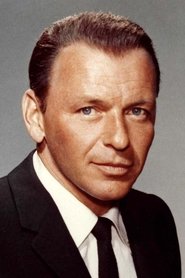 Frank SinatraLieutenant Sam Loggins
 Tony CurtisCaporal Britt Harris
 Natalie WoodMonique Blair
 Leora DanaMrs. Blair
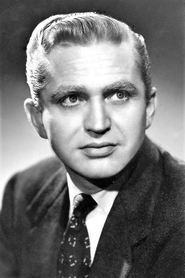 Karl SwensonThe Colonel
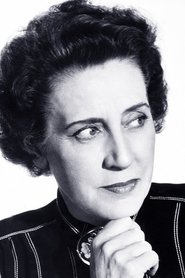 Ann CodeeMme. Brieux
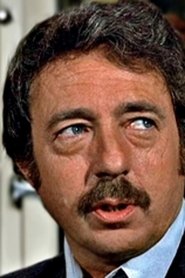 Eddie RyderCaporal Lindsay
- Jacques BertheJean-François Dauval
- Pete CandoliTrumpet Player (uncredited)
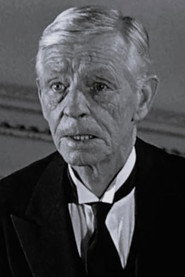 Cyril DelevantiBlairs' Butler (uncredited)
- Richie KamucaSaxophonist (uncredited)
- Mel LewisDrummer (uncredited)
Directing
- Edward O. DenaultAssistant Director
- Delmer DavesDirector
Writing
- Joe David BrownNovel
- Merle MillerScreenplay
Production
- Dick RossAssociate Producer
- Lynn StalmasterCasting
- Frank RossProducer
- Richard McWhorterProduction Manager