
Film
Too Late Blues
John Cassavetes's directorial debut follows Ghost, a jazz musician who refuses to commercialize his art, moving between street performances and studio gigs. It's a portrait of artistic integrity tested by poverty, love, and violence, shot with documentary intimacy. A film for anyone who's wondered what artists sacrifice for principle.
If you liked this
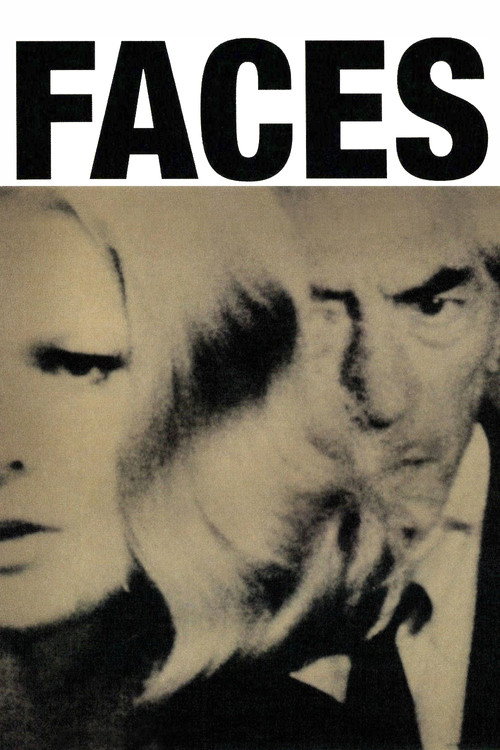
Faces1968
Cassavetes's masterpiece about the gap between the people we are and the people we pretend to be. Aching, funny, devastating—a film that understands the smallness and enormity of everyday failure.
But Nearly three hours of close-ups and improvised conversation; it moves at its own pace, and some will find it self-indulgent.
The Killing1956
Kubrick's lean, hard look at a heist and the men who botch it. Brilliant structure, economical storytelling, and a fatalistic view of ambition that echoes Ghost's doomed integrity.
But The plot is intricate and demands attention; some sequences feel dated, and the women are largely functional.

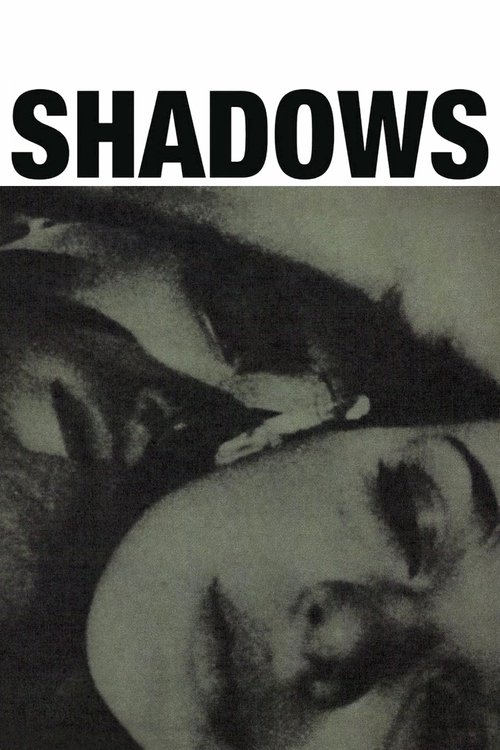
Shadows1960
The Cassavetes film that started everything—rougher and rawer than Too Late Blues, about race and identity and family. Essential viewing for understanding where Ghost came from.
But Even grainier and more improvised than Too Late Blues; the sound is sometimes difficult to parse, and the structure is deliberately loose.
Not sure tonight? Get a pick in a minute, starting from Too Late Blues
The wildcard
Something you would not have found on your own.
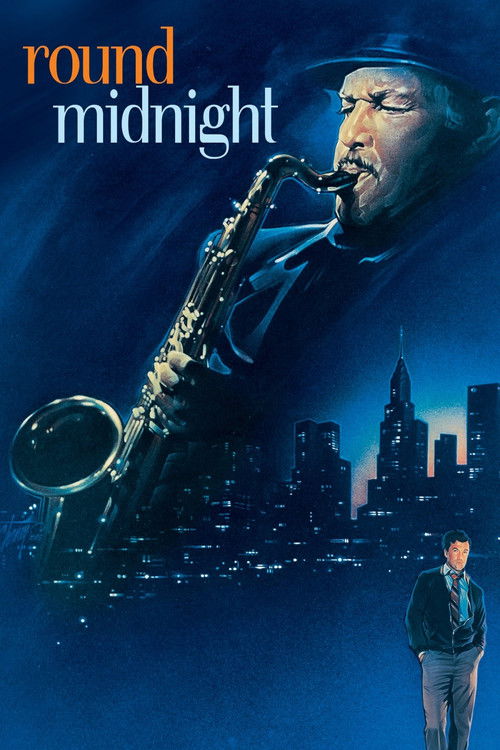
'Round Midnight1986
Both films see jazz not as entertainment but as a moral stance, and both understand that principle can be as destructive as it is noble.
Dexter Gordon, a real jazz musician, plays a saxophonist in decline in Paris. Bertrand Tavernier's film has the same love for jazz authenticity and the same tragic compassion for artists who won't bend. A rare film that sounds right.
But Slow, melancholic, and built around performance; if you're not patient with the music, you won't find the story underneath.
More like this (7)
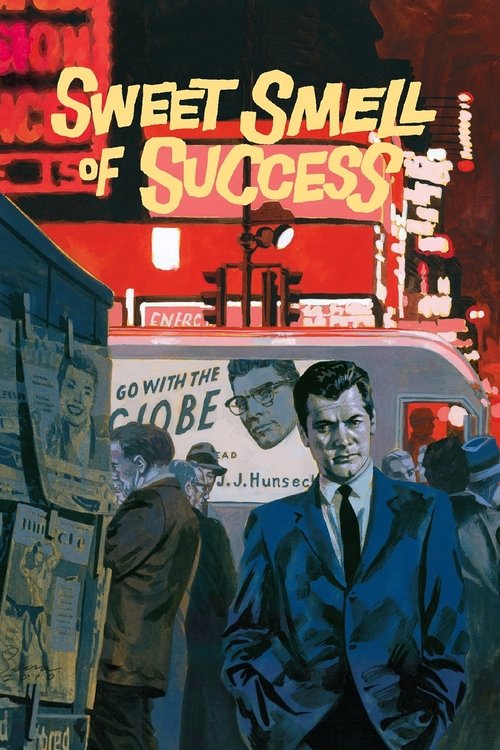
Sweet Smell of Success1957
A portrait of artistic compromise and corruption in New York, shot in stunning black-and-white. Burt Lancaster is magnificent as a manipulator, and the dialogue is poetry.
But Cynical in ways that can feel exhausting; the plot moves quickly but the tone is relentlessly dark.
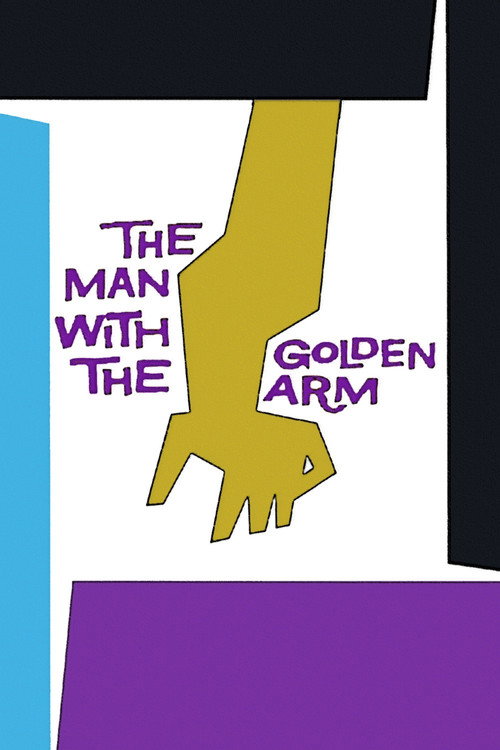
The Man with the Golden Arm1955
Otto Preminger's film about addiction and artistic aspiration in Chicago. Frank Sinatra is haunted and human; the city itself is a character. Serious treatment of serious subjects.
But Released in 1955, the portrayal of addiction feels dated; some dramatic moments strain credibility.
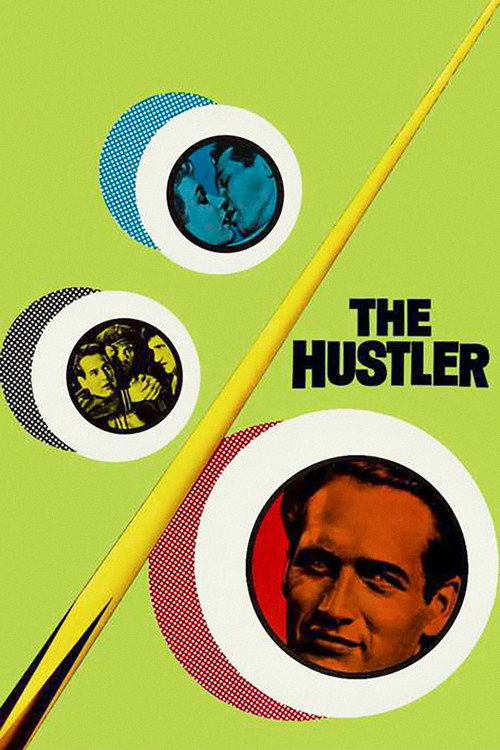
The Hustler1961
Paul Newman as a pool player chasing authenticity and money simultaneously. Rossen's film is about the cost of competing in a world that doesn't reward integrity, with Newman magnetic throughout.
But Dialogue-heavy and occasionally didactic; the romance subplot feels perfunctory.
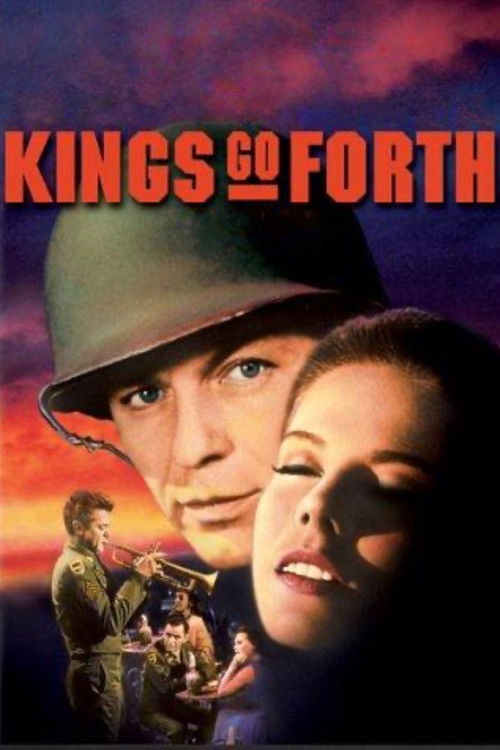
Kings Go Forth1958
Frank Sinatra and Tony Curtis as American soldiers in France, navigating race, love, and what they're willing to compromise. Less known than it deserves, morally complex and melancholic.
But The film softens some of its own insights; it's more conflicted about its themes than confident in them.
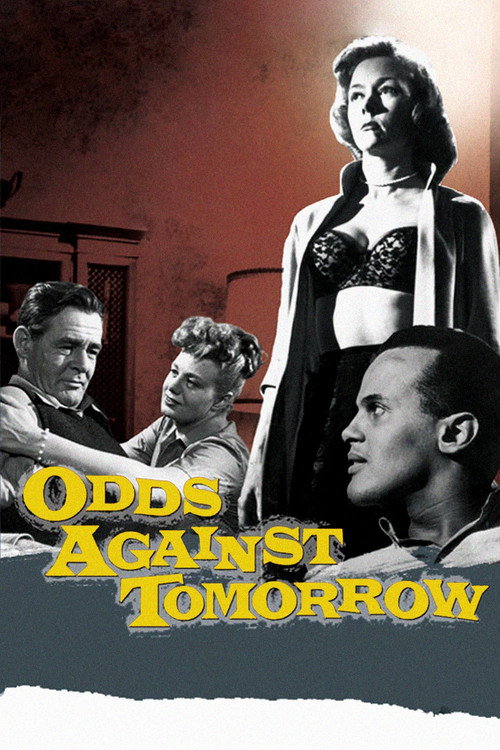
Odds Against Tomorrow1959
A heist film that uses the genre to explore racism and masculine failure. The chemistry between Belafonte and Poitier is electric, and the ending is uncompromising.
But The racial subtext is sometimes heavy-handed; the heist mechanics themselves are not the focus.
The Asphalt Jungle1950
Both films are about men who are already broken before the story begins, and both sympathize rather than judge.
Huston's ur-heist film, and a film about men at the end of their rope. The desperation is quiet and real; it's interested in small failures rather than spectacular crime.
But Made in 1950, it moves at a deliberate pace and the women are written with indifference; some will find it slow.

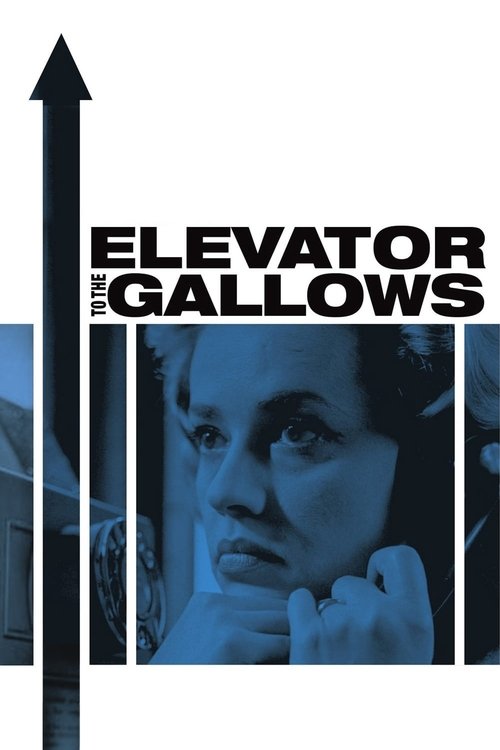
Elevator to the Gallows1958
A musician's score becomes the film's emotional spine, just as Ghost's blues define him. Both films know that art and character are inseparable.
Louis Malle's film about a heist gone wrong, told with formal beauty and psychological precision. Jeanne Moreau is luminous; the Miles Davis score is integral to the film's meaning. Everything matters.
But French New Wave in style; if you prefer plot momentum to atmosphere and ambiguity, you'll find it frustratingly paced.
People
Cast
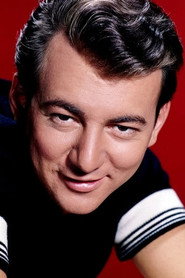 Bobby DarinJohn 'Ghost' Wakefield
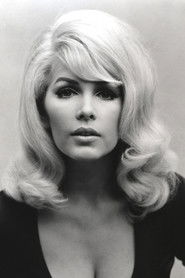 Stella StevensJess Polanski
- Everett ChambersBenny Flowers
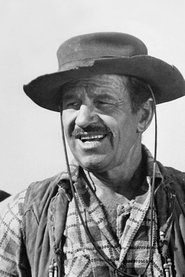 Nick DennisNick Bubalinas
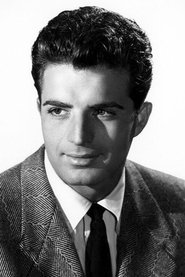 Vince EdwardsTommy Sheehan
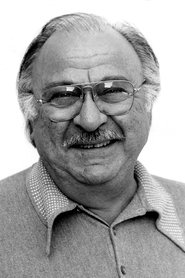 Val AveryMilt Frielobe
- Marilyn ClarkCountess
- James JoyceReno Vitelli
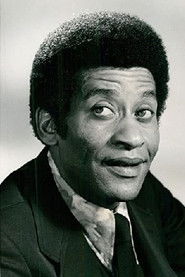 Rupert CrosseBaby Jackson
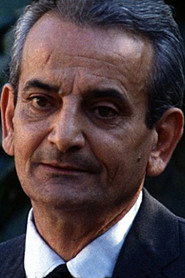 Mario GalloRecording Engineer
- Alan HopkinsSkipper Camez
- Cliff CarnellCharlie
Directing
- Arthur JacobsonAssistant Director
- John CassavetesDirector
Writing
- John CassavetesWriter
- Richard CarrWriter
Production
- John CassavetesProducer