
Film
The Teahouse of the August Moon
- Satire
- Light-hearted
A 1957 comedy about cultural collision in occupied Japan, where American military efficiency meets Okinawan pragmatism. Marlon Brando steals it as a translator navigating both worlds with infectious charm. It's broad, affectionate, occasionally clumsy, and genuinely funny—a film that wants everyone to get along and mostly succeeds at making you believe it could happen.
If you liked this
M*A*S*H1970
Similar DNA: military bureaucracy meets human warmth, with comedy defusing tension. Robert Altman's ensemble cast riffs and improvises around the chaos of war, finding absurdity and heart in impossible circumstances.
But The tone whipsaws between slapstick and tragedy in ways that can feel manipulative. Some of the humour hasn't aged well, and the satire can feel obvious.

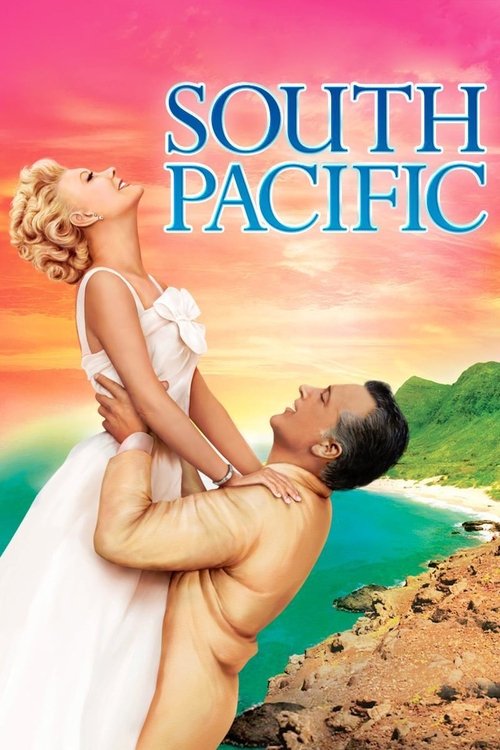
South Pacific1958
Rodgers and Hammerstein score, gorgeous Technicolor, and a similar worldview: colonial Americans encountering island life and learning something about themselves. Mitzi Gaynor's energy matches Brando's.
But It's a full musical, which means stretches of plot evaporate for song. The romance subplot is sentimental in ways that feel dated even now.
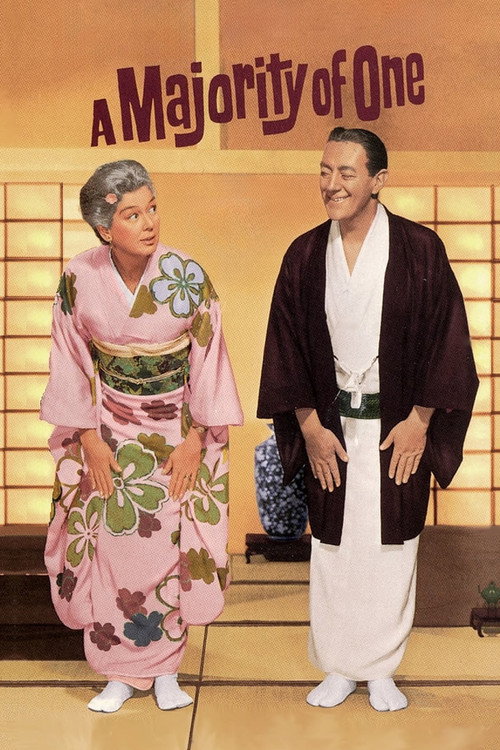
A Majority of One1961
Rosalind Russell in a similar cross-cultural comedy about an unlikely friendship between a widow and a Japanese businessman. Same warmth, same belief that kindness matters more than protocol.
But The ethnic humour is extremely broad by any standard. Russell's character is written as a Jewish stereotype, which lands awkwardly even if performed with genuine affection.
Not sure tonight? Get a pick in a minute, starting from The Teahouse of the August Moon
The wildcard
Something you would not have found on your own.
Pather Panchali1955
Both see colonialism and occupation through the eyes of people on the ground, finding humanity instead of caricature. Ray just does it without jokes.
Satyajit Ray's intimate films about growing up in Bengal—filmed in black and white, neorealist, nothing like Hollywood. But they share the central insight: that ordinary lives contain dignity and comedy and heartbreak at once.
But These are slow, plotless, and sometimes hard to follow if you're not used to non-Western cinema. The emotional rewards require patience that 1957 audiences weren't asked to give.

More like this (8)
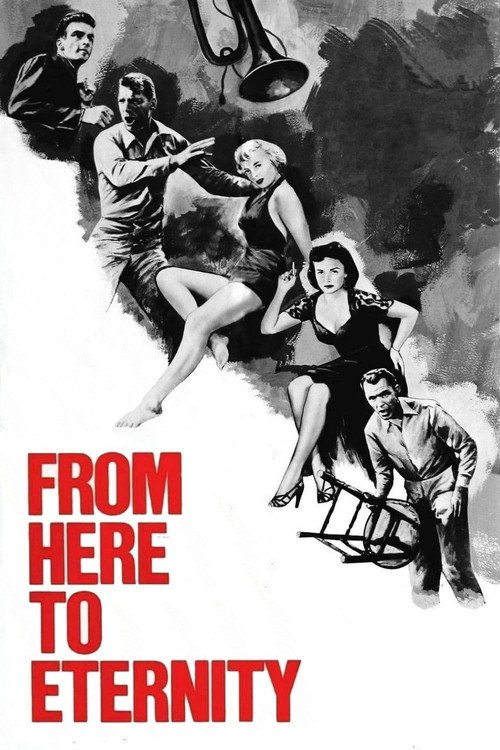
From Here to Eternity1953
The same post-war Hawaii setting, the same Brando intensity, but this time it's melodrama instead of comedy. Shows what the islands meant to Americans at that exact historical moment.
But It's three hours and takes itself very seriously. If you want lightness, this will feel heavy-handed and sprawling.
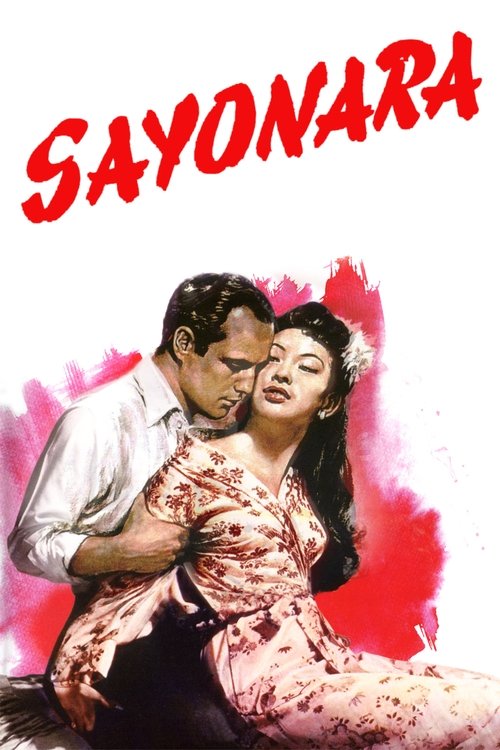
Sayonara1957
Released the same year, also about Americans in Japan learning to see locals as human. Marlon Brando again, but this time in a romance that actually has emotional stakes. Joshua Logan directed both.
But The sentiment can curdle into melodrama. It asks you to buy into a love story that depends on cultural exoticism to work.
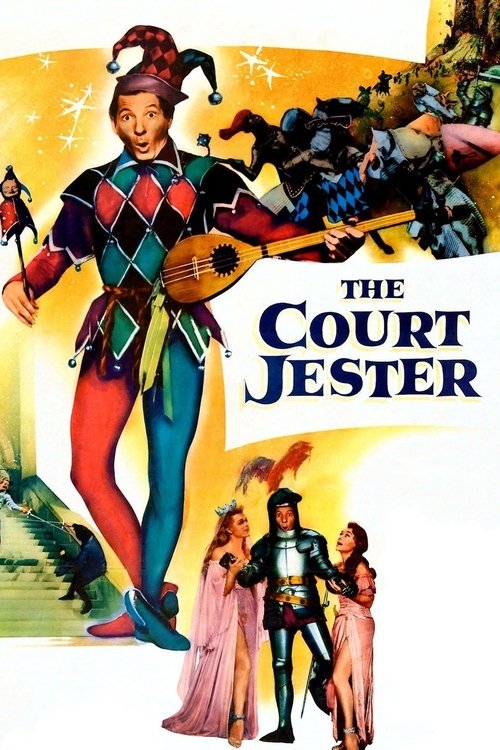
The Court Jester1955
Danny Kaye's charm and Brando-adjacent mischief applied to medieval comedy. Same belief that wit and good nature can talk you out of—or into—anything. Endlessly rewatchable.
But The humour is entirely slapstick and wordplay. If you need plot momentum or character depth, you'll be impatient.
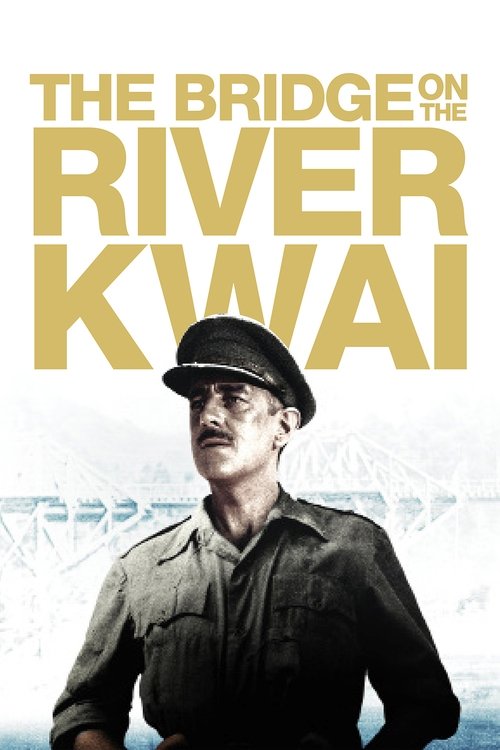
The Bridge on the River Kwai1957
Also 1957, also colonial/military occupation, but David Lean's version is tense and tragic. Shows what happens when the teahouse philosophy meets real stakes and real egos.
But It's a war drama, not a comedy. The shift in tone is jarring if you go in expecting lightness. Three hours of increasingly grave consequences.
Breakfast at Tiffany's1961
Audrey Hepburn and Henry Mancini charm in a film about people trying to belong where they don't fit. Similar tone: funny, romantic, never quite letting you forget the loneliness underneath.
But The Mickey Rooney subplot is painfully offensive and distracting. The film's view of its female lead hasn't aged gracefully.

Singin' in the Rain1952
Pure joy and technical brilliance. Gene Kelly and Donald O'Connor performing at peak confidence. If you loved the Brando charm and the Technicolor glow, this is peak post-war American entertainment.
But It's a musical, so plot dissolves entirely. If you need narrative momentum or stakes, you'll feel like you're watching a very long advertisement for happiness.

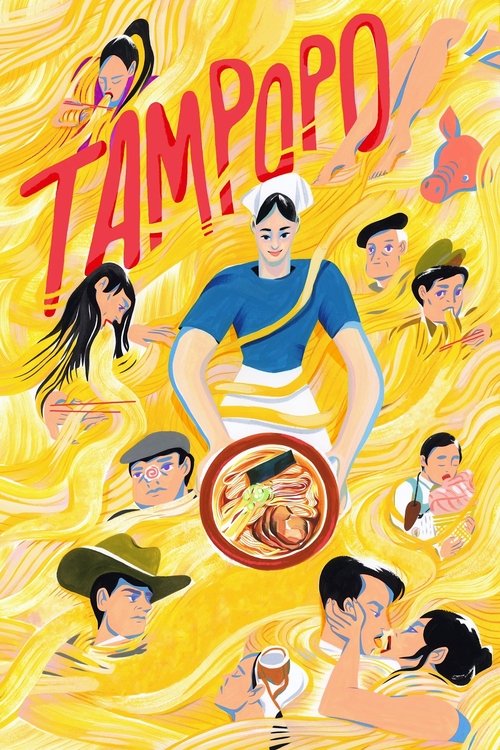
Tampopo1985
Same reverence for Japanese culture from within that culture; same idea that small domestic things (teahouses, ramen shops) can contain everything that matters. But from the inside looking out, not the outside looking in.
Juzo Itami's deadpan Japanese comedy about a truck driver teaching a widow to make perfect ramen. It's bizarre, formally playful, full of non-sequiturs—but underneath it's a film about teaching, tradition, and how food connects cultures.
But The humour is absurdist and won't land if you're expecting conventional comedy. It's very Japanese, which means some references will completely escape you.
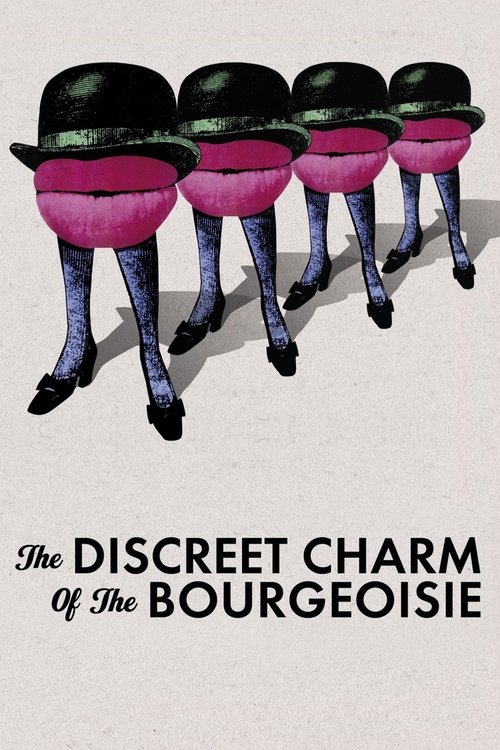
The Discreet Charm of the Bourgeoisie1972
Where Teahouse believes in human connection and cultural bridge-building, Buñuel suggests it's all fantasy. Same world, opposite faith. Both are right about something.
Buñuel's masterpiece: six people trying to have dinner together, constantly thwarted, learning nothing. It's surreal and bitterly funny, a mirror-image comment on American optimism about understanding other people.
But It's deliberately resistant to meaning. You won't feel satisfied. It wants to frustrate you as part of its argument against the very idea of easy cross-cultural connection.
People
Cast
 Marlon BrandoSakini
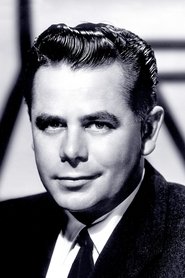 Glenn FordCaptain Fisby
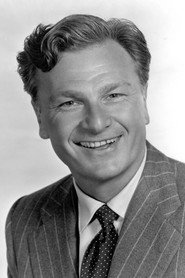 Eddie AlbertCaptain McLean
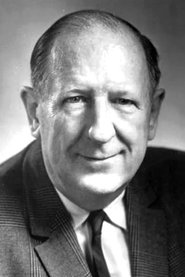 Paul FordWainwright Purdy III
 Machiko KyōLotus Blossom
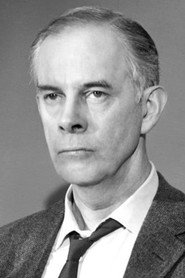 Harry MorganSergeant Gregovich
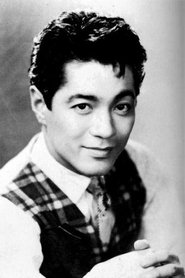 Jun NegamiMr. Seiko
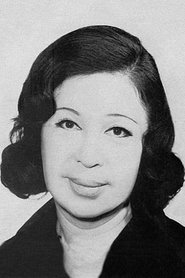 Nijiko KiyokawaMiss Higa Jiga
- Mitsuko SawamuraLittle Girl
- Carlo FioreSoldier (uncredited)
- Carlo FioreSoldier (uncredited)
- Harry Harvey Jr.Soldier (uncredited)
Directing
- Al JenningsAssistant Director
- Hank MoonjeanAssistant Director
- William ShanksAssistant Director
- Daniel MannDirector
- Robert E. RelyeaSecond Assistant Director
Writing
- Vern J. SneiderBook
- John PatrickOriginal Story
- John PatrickScreenplay
Production
- Jack CummingsProducer