
Film
Where the Green Ants Dream
Werner Herzog's 1984 meditation on Aboriginal land claims versus mining interests in Australia. Shot in the dusty outback with documentary plainness, it's a philosophical confrontation between worldviews rendered without easy answers. For viewers interested in colonialism, environmental ethics, and cinema that thinks rather than explains.
Should you watch it?
Watch it if you want a slow drama where a land dispute unfolds through patient observation of two worlds colliding, and you're happy letting the silences do much of the arguing.
Skip it if you need plot momentum to carry you, since the story moves at the pace of its landscape and makes its case more through gesture than speech.
What it asks of you: It asks for patience with long, unhurried stretches of open country, and a willingness to sit with a dispute whose logic sits outside your own.
Not sure? Find tonight's pick in a minute.
If you liked this
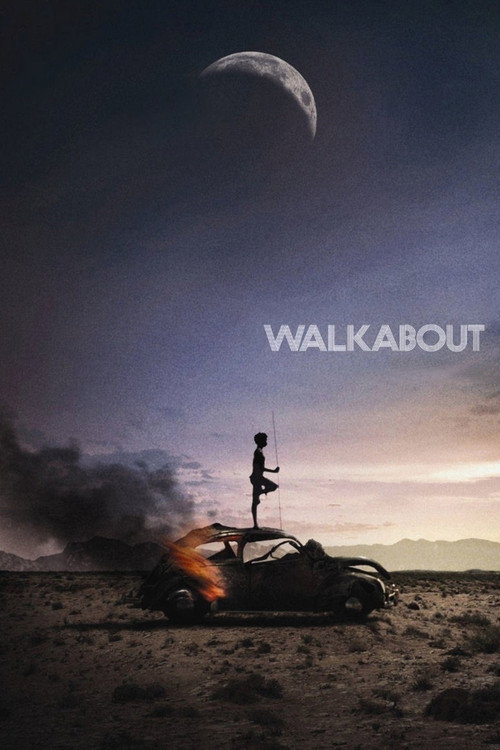
Walkabout1971
Roeg's hymn to Aboriginal Australia and the desert itself. A white girl and Aboriginal boy traverse the outback in parallel silence. Visual poetry about belonging and displacement that shares Herzog's visual restraint.
But The narrative is minimal and meditative—if you want plot momentum or conventional character arcs, you'll find it frustratingly slow.
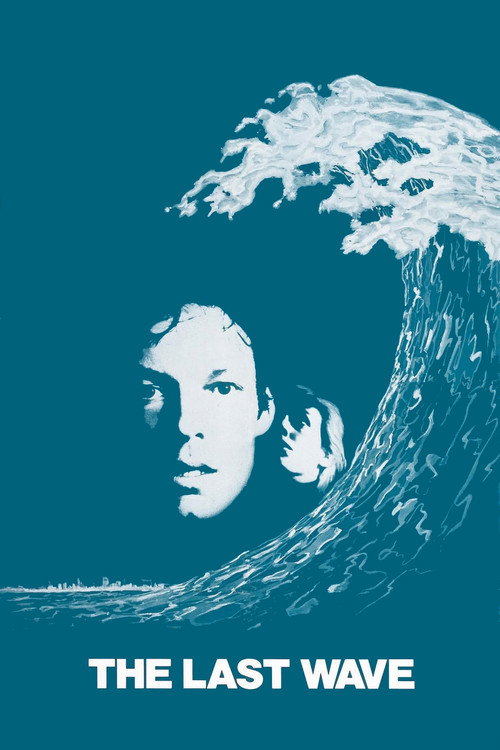
The Last Wave1977
Peter Weir's haunting supernatural thriller about an Aboriginal curse seeping into modern Sydney. Shares Herzog's sense that Western rationalism is brittle against older forms of knowledge and consequence.
But Veers toward mystery-box ambiguity in ways that may feel unresolved rather than profound.
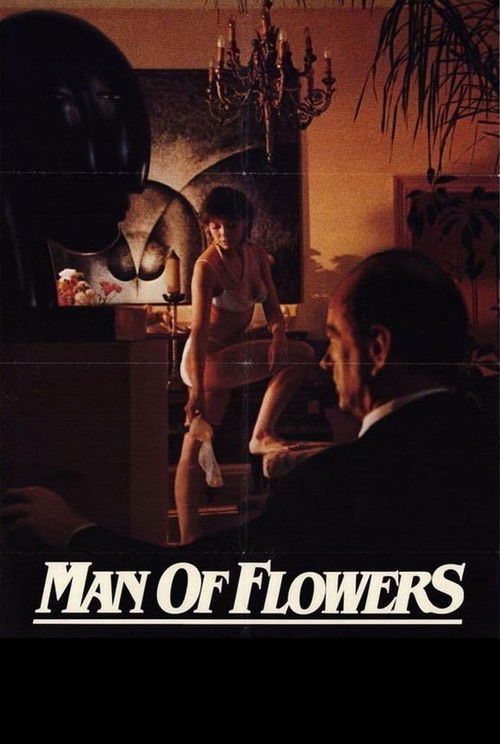
Man of Flowers1983
Another 1980s Australian film about obsession and the gulf between inner and outer worlds. Paul Cox's chamber piece shares Herzog's patient, uncondescending eye for human strangeness and moral contradiction.
But Claustrophobic and slow-paced, with a protagonist you won't like—most viewers find it cold rather than moving.
Not sure tonight? Get a pick in a minute, starting from Where the Green Ants Dream
The wildcard
Something you would not have found on your own.
The Reaping2017
Both explore how Aboriginal Australians understand the land as alive with meaning and consequence—and what happens when that understanding collides with mining interests and Western rationality.
A 1990s Australian documentary series about Aboriginal sacred sites, dreamings, and the cultural knowledge embedded in landscape. Non-fiction version of what Herzog dramatizes: the collision between Indigenous land-knowledge and Western extraction.
But Documentary pacing and archival footage won't grip you like narrative; you're reading subtitled testimony rather than watching a story unfold.
More like this (8)
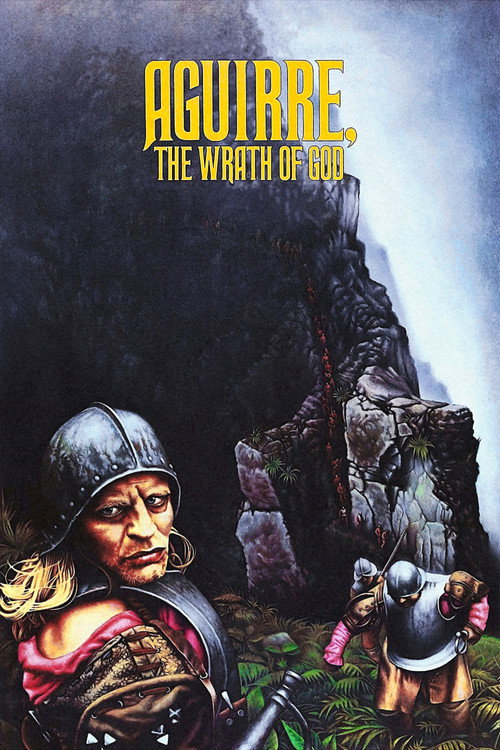
Aguirre, the Wrath of God1972
Herzog's earlier masterpiece, also about obsession versus landscape, colonialism versus nature. If you want to understand Herzog's sensibility fully, this is essential viewing—more visually ecstatic but similarly uncompromising.
But Shot on a shoestring in the Amazon with Klaus Kinski; the image quality and pacing won't suit everyone accustomed to polished narratives.
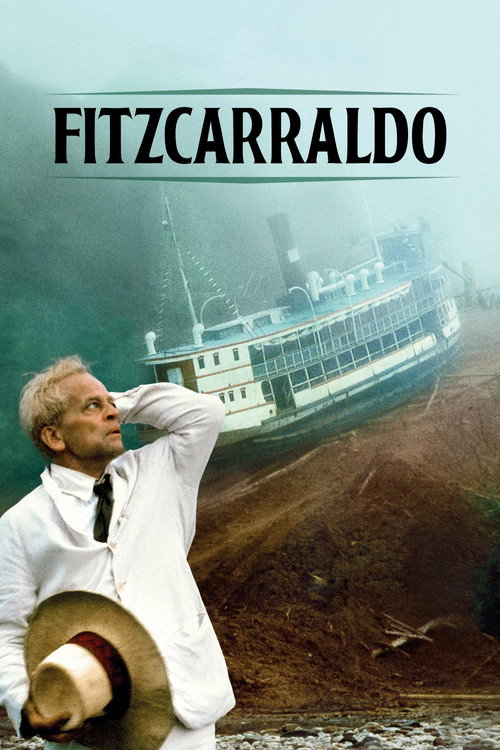
Fitzcarraldo1982
Herzog again, about a man dragging a steamship over a mountain in the Peruvian jungle. An even more extravagant meditation on will, delusion, and the land's indifference to human ambition. Stunning and maddening.
But Nearly three hours, visually repetitive stretches, and the protagonist's obsession can feel narcissistic rather than tragic.
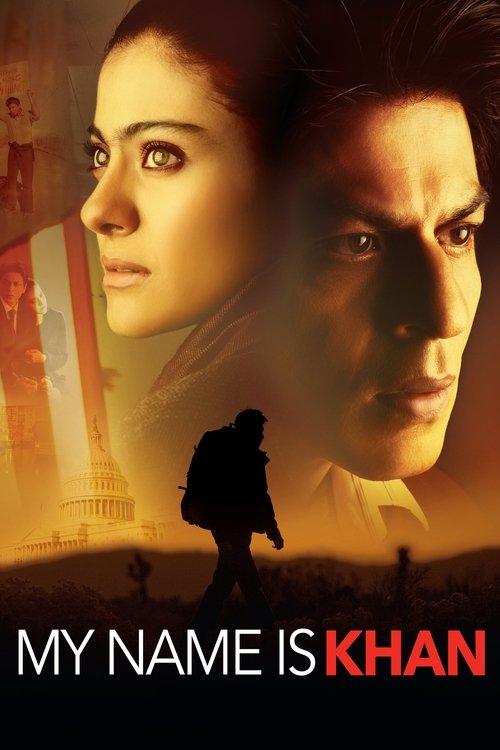
My Name Is Khan2010
A Bollywood film about persecution and belonging after 9/11. Melodramatic where Herzog is austere, but shares the core tension: how to exist when the land doesn't want you, and faith becomes both shield and burden.
But The sentimentality and scale of emotion will feel miles away from Herzog's minimalism if that's what drew you to Green Ants.
Under the Skin2014
Glazer's science-fiction fable about incomprehension and exploitation. Alien predator harvesting humans; the camera watches without judgment. Shares Herzog's refusal to translate mystery into meaning or comfort.
But Deliberately opaque, visually monotonous, and emotionally cold in ways some find punishing rather than provocative.

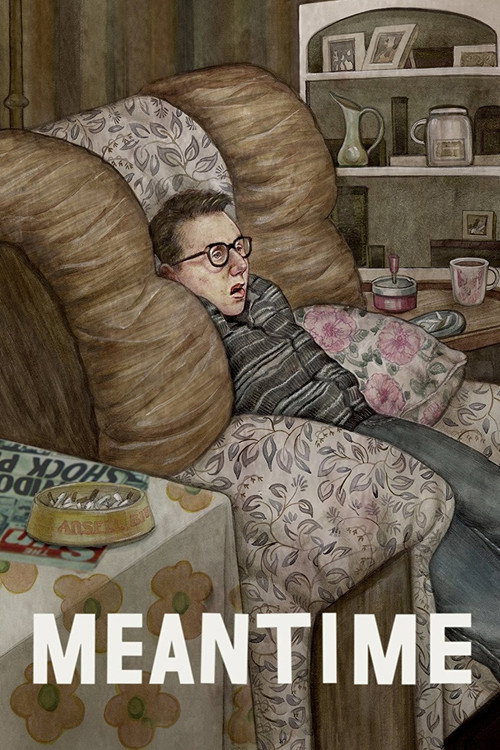
Meantime1983
Mike Leigh's social-realist portrait of working-class London alienation shot in grainy video. Like Green Ants, it observes without sentimentalizing, finds dignity in people the system ignores, and trusts your patience.
But British kitchen-sink drama with deliberately unglamorous performances—if you want escape rather than recognition, this will feel claustrophobic.
Stalker1979
Tarkovsky's three-hour Russian sci-fi parable about desire and the spaces we cannot enter. Shares Herzog's commitment to holding a shot until meaning emerges, and the belief that cinema's job is to confound easy answers.
But Glacially paced even by art-house standards; requires patience that borders on endurance.

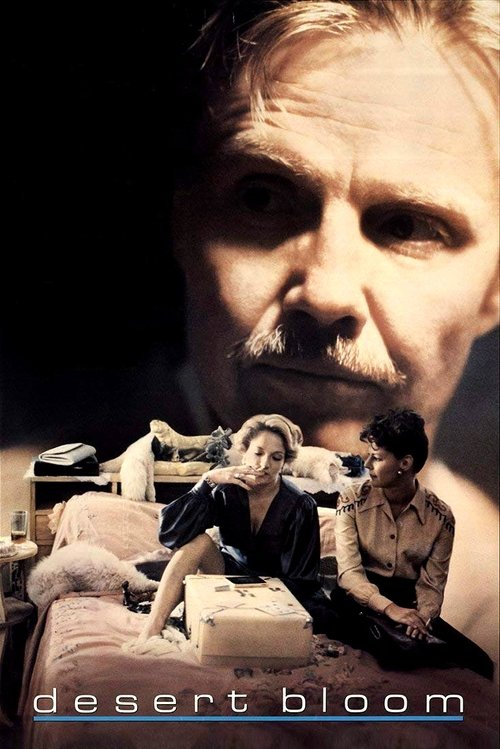
Desert Bloom1986
Both films use the arid landscape not as backdrop but as a force that clarifies what humans believe and what they're willing to destroy. Same moral temperature.
Eugene Corr's intimate chamber drama set in the Nevada desert during the Cold War, about a family fractured by misogyny and fear. Visually austere, psychologically precise. Nothing happens except everything matters.
But Domestically scaled after Green Ants' broader canvas—if you want landscape as protagonist, this is too interior.
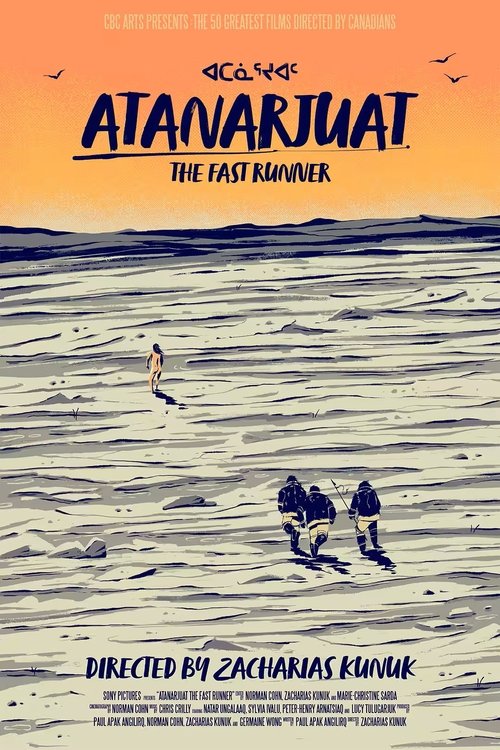
Atanarjuat: The Fast Runner2002
Like Herzog, Kunuk films Indigenous cosmology without explaining or diminishing it. Both treat the land and its custodians as sources of moral wisdom the West has abandoned—and both show the catastrophe that follows.
Inuit filmmaker Zacharias Kunuk's epic about myth, shame, and survival in Arctic Canada, shot with Indigenous cast and crew. A three-hour story told in Inuktitut that moves between dreamtime and flesh, justice and forgetting. Monumental.
But Long, linguistically remote, and structured like an oral tradition rather than Western narrative—you have to surrender to its rhythm or it will lose you.
People
Cast
- Wandjuk MarikaMiliritbi
- Roy MarikaDayipu
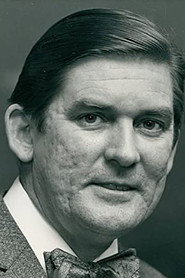 Ray BarrettCole
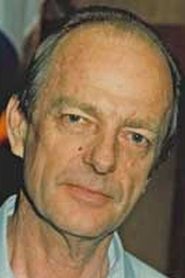 Norman KayeBaldwin Ferguson
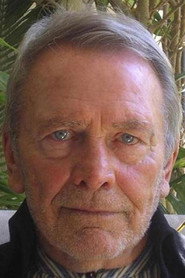 Ralph CotterillFletcher
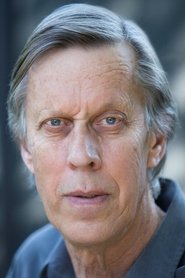 Bruce SpenceLance Hackett
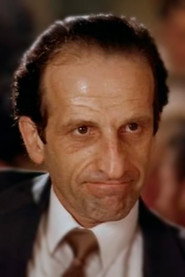 Nico LathourisArnold
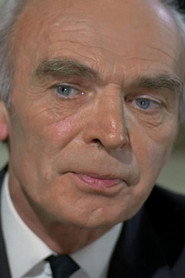 Basil ClarkeJudge Blackburn
 Ray MarshallSolicitor General Coulthard
- Gary WilliamsWatson
 Tony Llewellyn-JonesFitzsimmons
 Max FairchildPolice Officer
Directing
- Werner HerzogDirector
Writing
- Werner HerzogWriter
Production
- Willi SeglerExecutive Producer
- Lucki StipetićProducer
- Werner HerzogProducer