
Film
Desert Bloom
Desert Bloom is a delicate coming-of-age story set against 1950s Nevada, where a girl navigates first love, family fracture, and the eerie backdrop of atomic testing. It's tender and bruised, moving between memory and present with aching specificity. For anyone who loved family dramas that don't flinch from damage, or stories about how landscapes shape us.
Should you watch it?
Watch it if you are drawn to quiet coming-of-age stories where a family's private troubles unfold against a wider, unsettling backdrop, and you don't need the plot to shout.
Skip it if the mood is often melancholy and the pace is patient, so if you want a brisk story with clear momentum, the slow drift of memory may frustrate you.
What it asks of you: It moves in loops between adult and childhood memory rather than in a straight line, so it rewards patience and asks you to keep track of who is remembering what.
Not sure? Find tonight's pick in a minute.
If you liked this
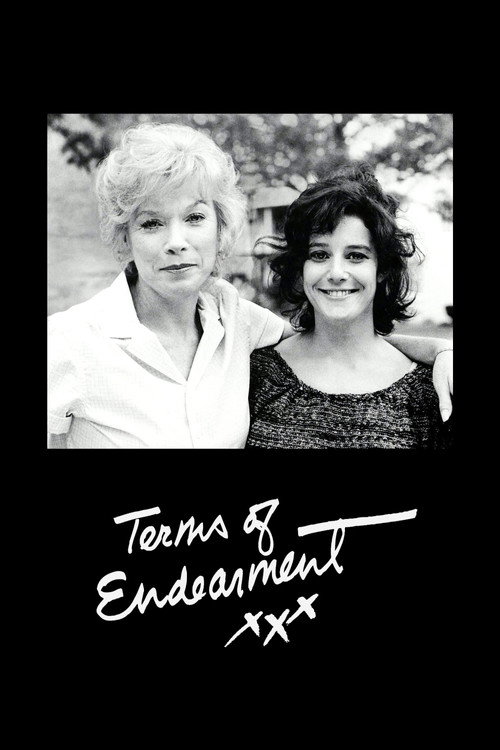
Terms of Endearment1983
A multi-generational family saga that balances humor with genuine heartbreak. Like Desert Bloom, it captures how love and damage coexist in families, and how women carry the weight.
But The tone shifts are sharp and sometimes jarring; what feels domestic suddenly turns devastating, which some find manipulative rather than moving.
In the Mood for Love2000
A visually ravishing meditation on first love and longing, filmed with the same attention to mood and memory that makes Desert Bloom work. Both prioritize feeling over plot.
But Glacially paced and deliberately stylized. If you need narrative momentum, this will feel like watching paint dry in slow motion.

The Virgin Suicides2000
Another film obsessed with the texture of adolescence and how external events (here, societal pressure; there, atomic testing) shape inner lives. Haunting and specific about a particular American moment.
But The distant, elegiac tone can feel cold. Some viewers find it more interested in aesthetic than in the actual humanity of its characters.

Not sure tonight? Get a pick in a minute, starting from Desert Bloom
The wildcard
Something you would not have found on your own.
Stalker1979
Both films treat memory and landscape as inseparable forces that shape who we become. The atomic test zone in Desert Bloom and the Zone in Stalker are both spaces where ordinary rules dissolve and characters confront something larger than themselves.
Tarkovsky's masterpiece about a journey into a forbidden zone, haunted by memory and desire. Like Desert Bloom, it uses landscape as a character and treats time as something you move through rather than past. Both films understand that coming-of-age is spiritual, not just biographical.
But 163 minutes of sustained contemplation with minimal plot. You need to meet it as meditation, not entertainment, or it will feel like staring at nothing.

More like this (8)
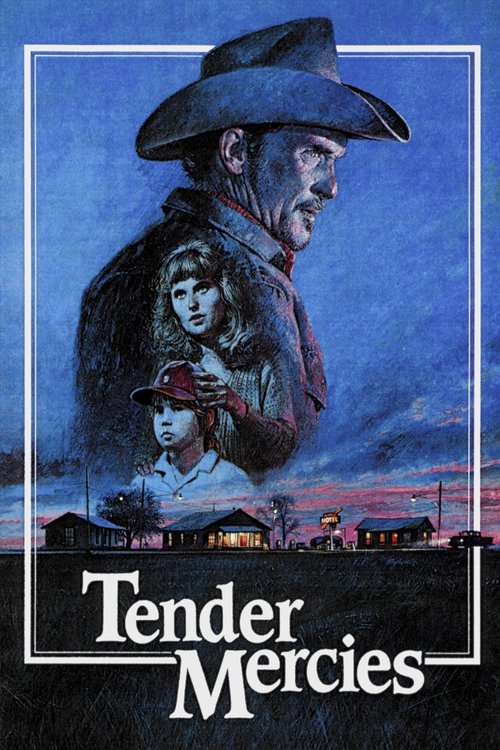
Tender Mercies1983
Robert Duvall plays a damaged father trying to rebuild himself. Like Desert Bloom, it understands how love operates in the presence of addiction and regret, without sentimentalizing either.
But Almost aggressively understated. The quiet register might read as nothing happening, especially if you're used to more theatrical family drama.
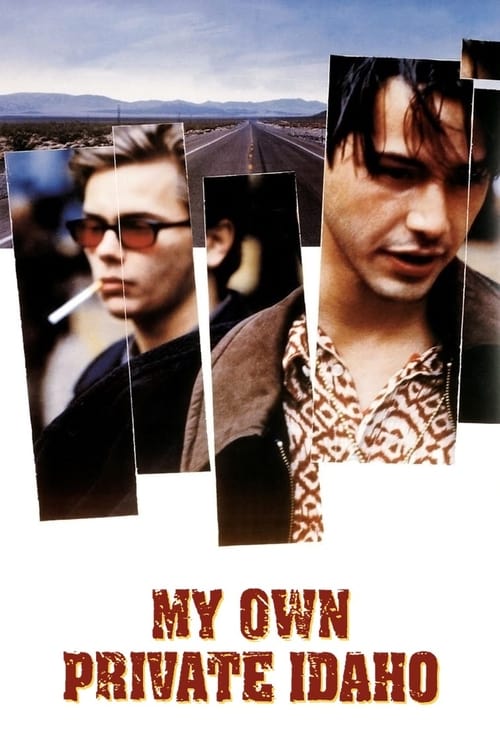
My Own Private Idaho1991
Gus Van Sant captures the texture of lives lived on the margins, with the same poetic attention to landscape and memory as Desert Bloom. Visually stunning and emotionally raw.
But Its structure is unconventional and sometimes baffling. The second half takes a turn that alienates viewers expecting straightforward narrative.
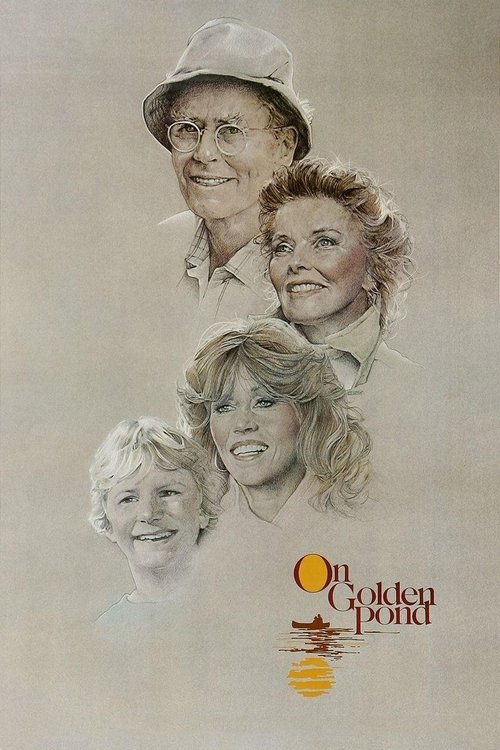
On Golden Pond1981
A family reckoning across generations, anchored by performances of devastating specificity. It shares Desert Bloom's belief that family wounds and family love are inseparable.
But It can feel stagey and its emotional beats are very clearly marked. If subtlety matters to you, the film sometimes hits too hard.
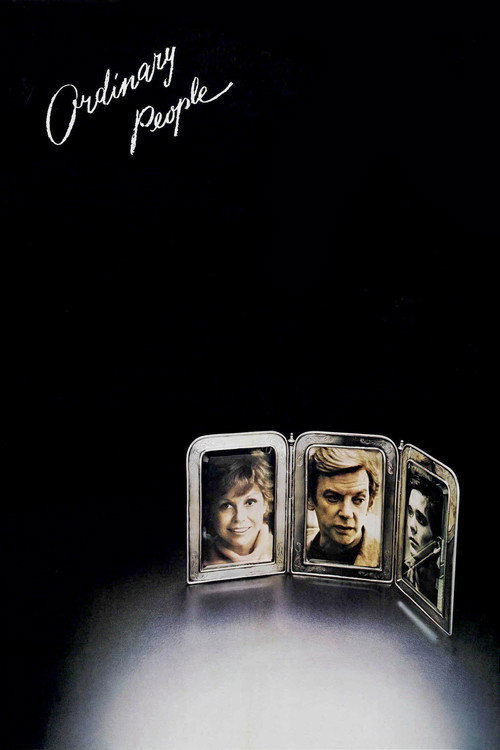
Ordinary People1980
A precise anatomy of a family fractured from within. Like Desert Bloom, it trusts viewers to feel the weight of unspoken damage and the long work of repair.
But The therapy-speak can feel dated. Its exploration of male emotion, while important, sometimes overshadows the inner lives of its women.
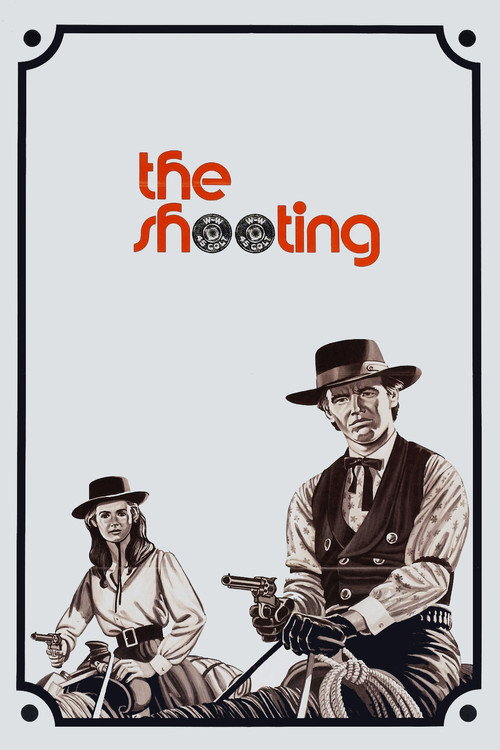
The Shooting1966
A sparse, mysterious western that shares Desert Bloom's interest in how landscape mirrors inner turmoil. Monte Hellman's direction finds strangeness in emptiness and silence.
But Deliberately obscure and challenging. Its cryptic narrative and slow burn frustrate viewers who want clarity or conventional drama.
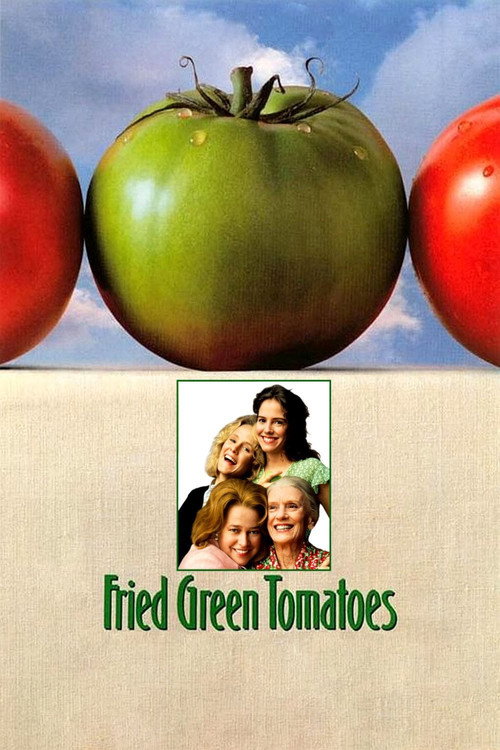
Fried Green Tomatoes1991
Southern gothic drama about women's lives, secrets, and survival. Captures the same specificity about how family history shapes identity that makes Desert Bloom resonate.
But Sentimental in places where Desert Bloom stays complex. The more recent scenes feel like a different, lighter film than the historical ones.
The Florida Project2017
Both are filmed memories of American girlhood in specific, economically fragile places, where external chaos (atomic testing, economic collapse) forms the background of intimate coming-of-age. Both trust visual specificity over plot.
Sean Baker's film about childhood on the margins of American prosperity, seen through a child's eyes with devastating clarity. It has Desert Bloom's gift for finding beauty and lightness in precarious circumstances, without ever looking away from the precarity.
But Uncomfortable proximity to poverty. The film refuses to console you; its ending is quiet in a way that many find bleak rather than hopeful.

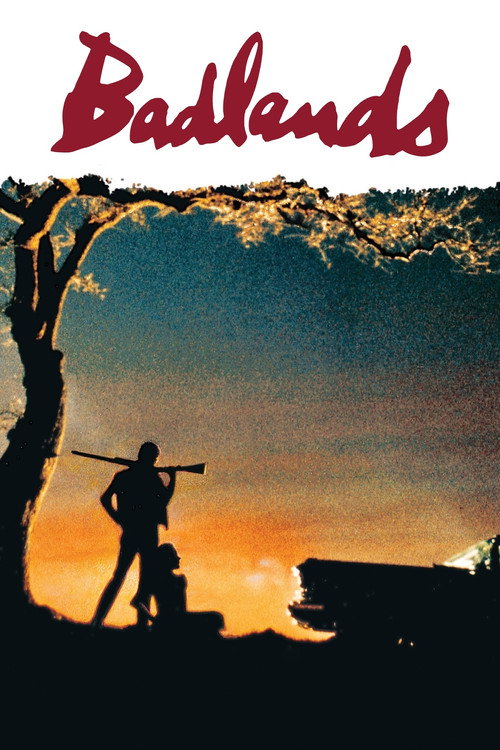
Badlands1973
Both films use a girl's perspective and memory to anchor a story about love and damage in 1950s America. Both understand that landscape, desire, and destruction are inextricably woven together in the American postwar experience.
Terrence Malick's ravishing debut, narrated by a girl in love and flight. It shares Desert Bloom's visual poetry and its understanding that adolescence is when the world becomes both beautiful and dangerous. The 1950s Americana aesthetic and the ache of first love will resonate immediately.
But Malick's style—voiceover, long takes, nature montages—is mannered and won't appeal to viewers who find it pretentious. The violence, when it comes, is shocking in its casualness.
People
Cast
 Annabeth GishRosalie "Rose" Chismore
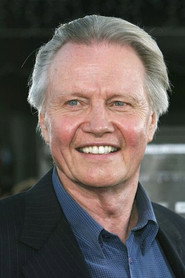 Jon VoightJack Chismore
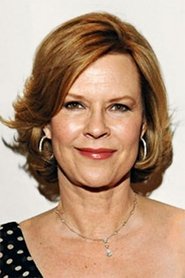 JoBeth WilliamsLily Chismore
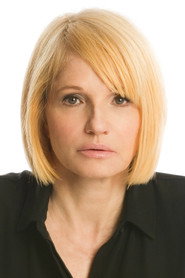 Ellen BarkinAunt Starr
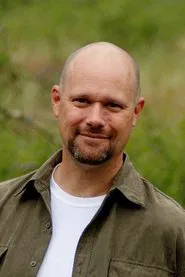 Jay UnderwoodRobin
 Allen GarfieldMr. Mosol
 Christine LahtiVoice of adult "Rose" (narrator)
- Laura RasmussenMeryl Mosol
Directing
- Eugene CorrDirector
- Anne RappScript Supervisor
Writing
- Eugene CorrStory
- Linda RemyStory
- Eugene CorrWriter
Production
- Linda RemyAssociate Producer
- Deborah LucchesiCasting
- Richard FischoffExecutive Producer
- Michael HausmanProducer