
Film
Man of Flowers
A quietly strange 1983 Australian film about an isolated, wealthy man who hires a young woman to undress in his apartment while he watches, surrounded by flowers and art. It's meditative and deeply uncomfortable, concerned less with plot than with the textures of loneliness, desire, and the things we use to fill the void. For patient viewers drawn to cinema that lingers in moral grey areas.
Should you watch it?
Watch it if you enjoy odd, unhurried character studies where a solitary man's private rituals carry more weight than plot, and you can laugh at a vain old eccentric while still feeling for him.
Skip it if you find the premise of an old man ogling women tiresome or uncomfortable, since the film leans into that gaze without much apology and its pace is deliberately gentle.
What it asks of you: Expect a short, meandering ride of ninety-one minutes that trades momentum for mood, so it rewards patience with small absurdities and quiet melancholy rather than arriving anywhere in particular.
Not sure? Find tonight's pick in a minute.
If you liked this
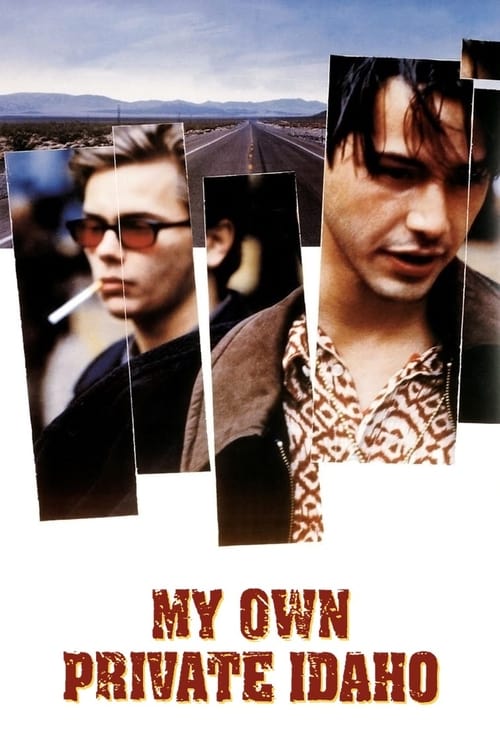
My Own Private Idaho1991
Gus Van Sant's debut shares the same patient, almost documentary approach to chronicling lives on the margins, with similar attention to how people construct meaning from desperation and beauty.
But It's glacially paced and more interested in mood than narrative. The sex work context will feel deliberately, provocatively ugly to some.
In the Mood for Love2000
Wong Kar-wai's meditation on desire observed from a distance, told almost entirely through yearning glances and gorgeous compositions. A film about the spaces between people that cannot be crossed.
But Almost nothing happens. If you need forward momentum in your storytelling, this will feel like watching paint dry, however beautiful the paint.

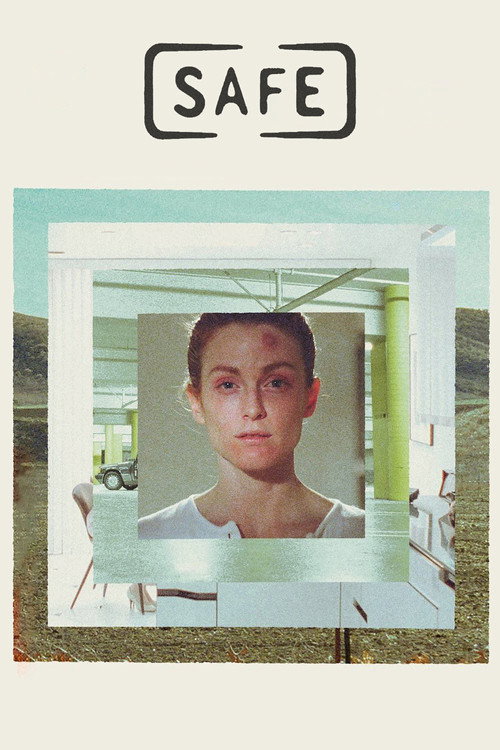
Safe1995
Todd Haynes's portrait of a woman slowly unraveling in her own safe environment. Like Man of Flowers, it's deeply interested in how isolation and cleanliness become their own forms of sickness.
But It's bleak and claustrophobic by design, with no redemptive arc. The film asks uncomfortable questions it never answers.
Not sure tonight? Get a pick in a minute, starting from Man of Flowers
The wildcard
Something you would not have found on your own.
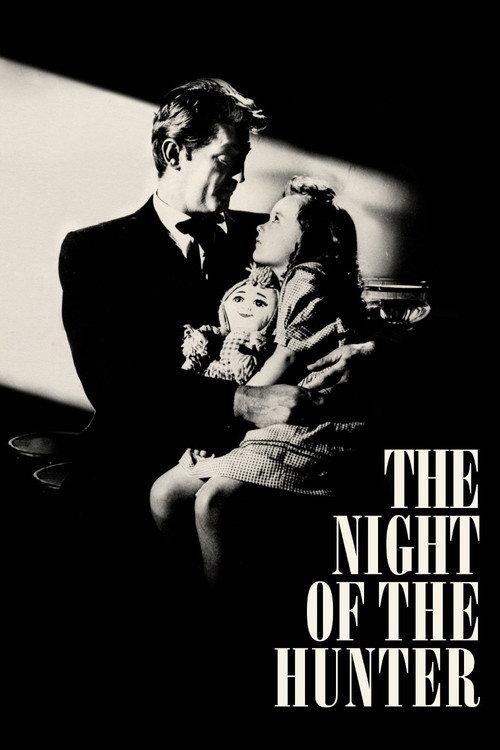
The Night of the Hunter1955
Both use the home as a space of violation and perverse domesticity; both are fascinated by the visual corruption of beauty; both refuse to let you feel safe with their central male figures.
Charles Laughton's only directorial effort is a fever-dream about predatory desire and the corruption of sanctuary spaces. Like Man of Flowers, it's visually baroque and morally unsettling, but told as American Gothic thriller instead of intimate character study.
But It's a genre film from 1955, so the pacing and some of the dialogue feel distant. If you expect contemporary naturalism, this heightened register may feel mannered.
More like this (8)
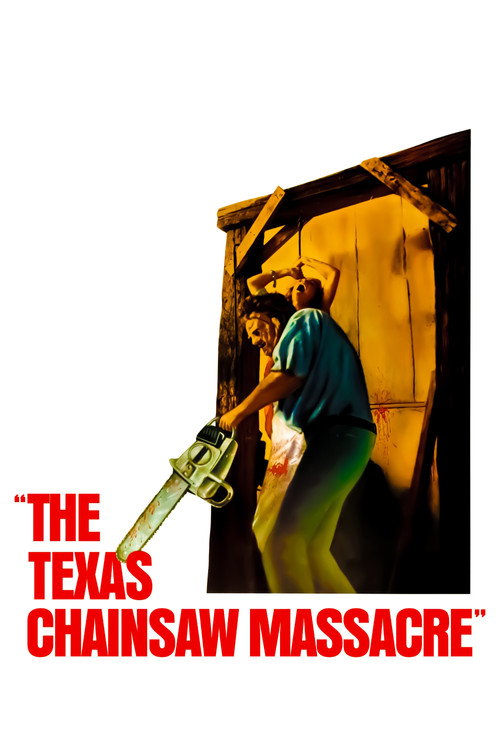
The Texas Chain Saw Massacre1974
Both films use the domestic space—the home—as a site of profound strangeness and violation. Both are uncomfortable watches that linger because they refuse easy moral positioning.
But This is a horror film, visceral and genuinely disturbing. If you're looking for something reflective, the gore and chaos will feel like the opposite register entirely.
Under the Skin2014
Jonathan Glazel's hypnotic study of an alien moving through ordinary spaces, observing humanity. Like Man of Flowers, it's about watching, beauty, and the unbridgeable distance between observer and observed.
But It's abstract and slow, with minimal dialogue. The narrative barely exists; if you need conventional story structure, you'll find this frustrating.

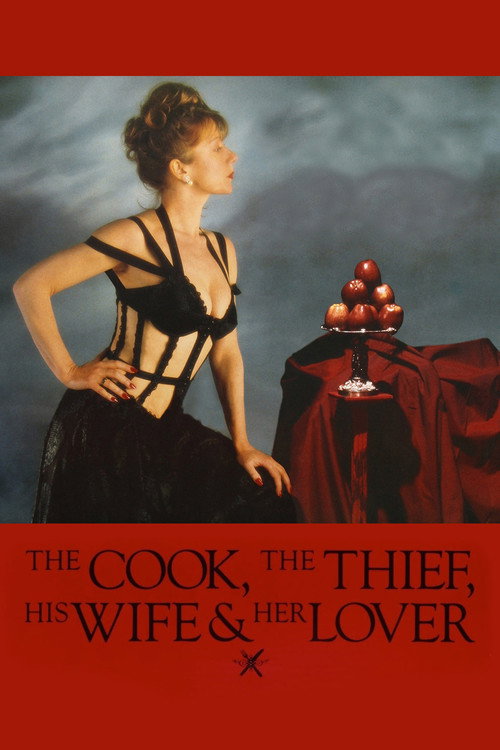
The Cook, the Thief, His Wife & Her Lover1989
Peter Greenaway's baroque provocation about bodies, consumption, and the spaces we inhabit. Both films treat the body and the gaze as central philosophical problems.
But It's aggressively artificial and theatrical, violent in multiple ways, and designed to alienate. Greenaway demands you engage with his aesthetics or leave.
Stalker1979
Tarkovsky's meditative sci-fi about desire and the search for meaning in enclosed spaces. Both films privilege atmosphere and internal states over plot, treating cinema as philosophy.
But It's nearly three hours of slow walking and conversation. If you watch films for momentum, this will test your patience severely.

Mulholland Drive2001
Lynch explores desire, performance, and the gap between who we are and who we pretend to be. Both films are fascinated by the spaces where longing lives.
But It's deliberately confusing, with a narrative structure designed to frustrate linear comprehension. Some find this rewarding; others find it maddening.

A Ghost Story2017
David Lowery's quiet study of loss and haunting, shot in an unusual aspect ratio that creates constant, nagging unease. Another film about watching, waiting, and the impossibility of connection.
But Very little dialogue, minimal plot. The film's entire power rests on mood, which some will find precious rather than profound.

Tokyo Story1953
Both are films about loneliness dressed in the ordinary. Both believe that beauty—floral, familial, cinematic—is a form of prayer we say to emptiness. Both trust the audience to sit with discomfort.
Ozu's deceptively simple family drama about aging, disconnection, and the impossible hope that cinema itself can restore what's lost. A completely different aesthetic register from Man of Flowers—warm where it's cold—but equally committed to the spaces between people and what cannot be said.
But It's Japanese and subtitled, from 1953, shot in a deliberately static compositional style. Modern viewers often find it slow to the point of sleep.

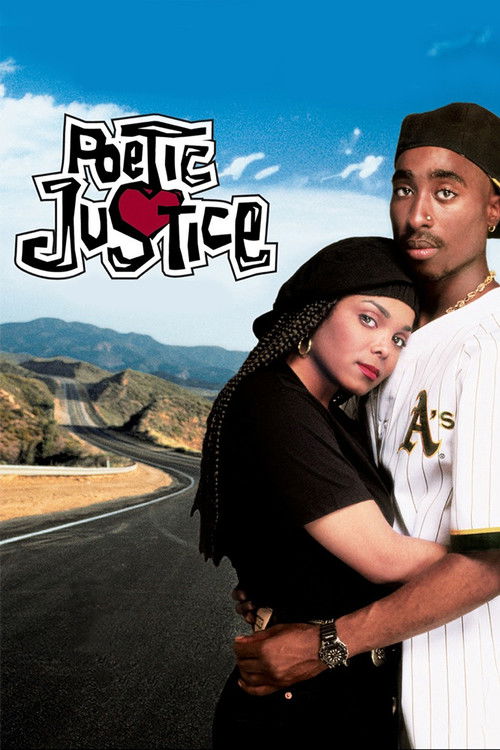
Poetic Justice1993
Both films are organized around an act of watching that is fundamentally one-sided. Both believe longing—unresolved, unreciprocated longing—is the human condition worth filming.
John Singleton's lyrical, almost Bresson-like film about desire and class, where a man falls in love with a woman who barely knows he exists. Shot with genuine visual poetry and a soundscape of Janet Jackson. A very different film—warmer, younger, Black American—but animated by the same careful study of watching and longing.
But It's from 1993 and it shows; some of the production design feels period-locked. Also, if you need reciprocal romance or resolution, the asymmetry of desire will frustrate you.
People
Cast
 Norman KayeCharles Bremer
 Alyson BestLisa
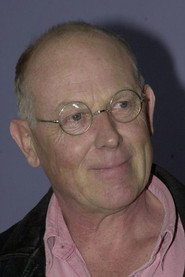 Chris HaywoodDavid
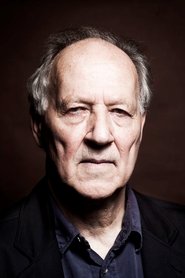 Werner HerzogThe Father
- Victoria EaggerAngela
- Sarah L. WalkerJane
- Hilary KellyThe Mother
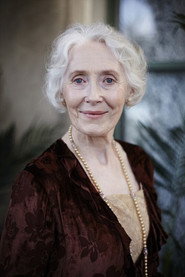 Julia BlakeArt Teacher
 Bob EllisPsychiatrist
- Dawn KlingbergCleaning Lady
 Tony Llewellyn-JonesChurch Warden
- Barry DickinsPostman
Directing
- Paul CoxDirector
Production
- Jane BallantyneProducer
- Tony Llewellyn-JonesProducer