
Film
The Neon Bible
- Coming-of-age
- Very dark
- Slow-burning
A teenage boy on a train remembers his fractured childhood in 1940s Georgia—a place of rigid churches, simmering violence, and one grandmother who loved him fiercely. Terence Davies's adaptation of John Kennedy Toole is visually gorgeous and emotionally raw, a film about how small towns break people and how some manage to survive anyway. It's meditative rather than plot-driven, asking you to sit with hurt.
If you liked this
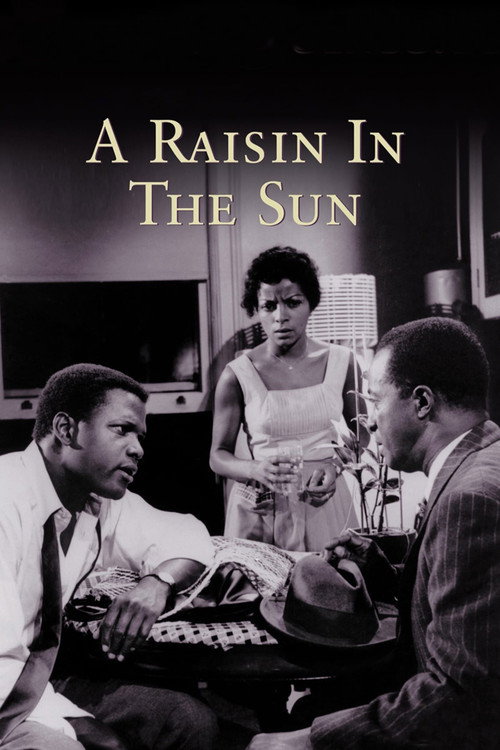
A Raisin in the Sun1961
A family's dignity and dreams pressed against the limits of their circumstances, shot with formal beauty and moral clarity. Like The Neon Bible, it refuses to sentimentalize poverty or make suffering noble.
But The pacing is deliberate. You need to be in the mood to watch people talk, argue, decide—not for plot momentum.
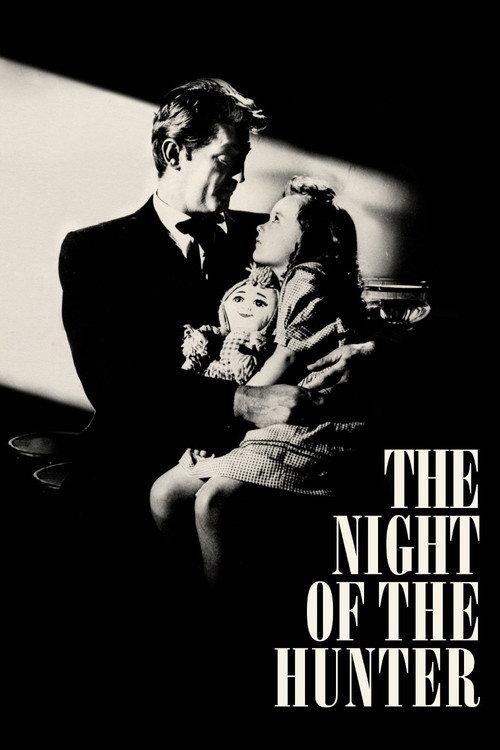
The Night of the Hunter1955
A child's-eye view of a nightmarish adult world rendered in shadows and symbolism. Charles Laughton's only film as director uses the same visual sophistication to capture how terrifying ordinary men can be.
But Prewar Southern Gothic can feel mannered now. The stylization sits between realism and fairy tale, and not everyone meets it halfway.
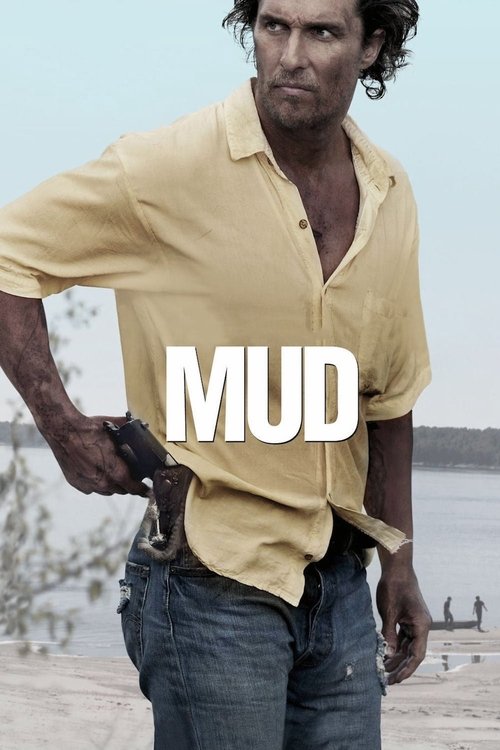
Mud2013
Two boys meet a fugitive and learn hard truths about loyalty and judgment. Jeff Nichols captures rural American landscape and the mythology boys construct around dangerous men with tenderness and clarity.
But It moves at a patient pace and doesn't rush toward action. Some find the meditative tone slow rather than contemplative.
Not sure tonight? Get a pick in a minute, starting from The Neon Bible
The wildcard
Something you would not have found on your own.
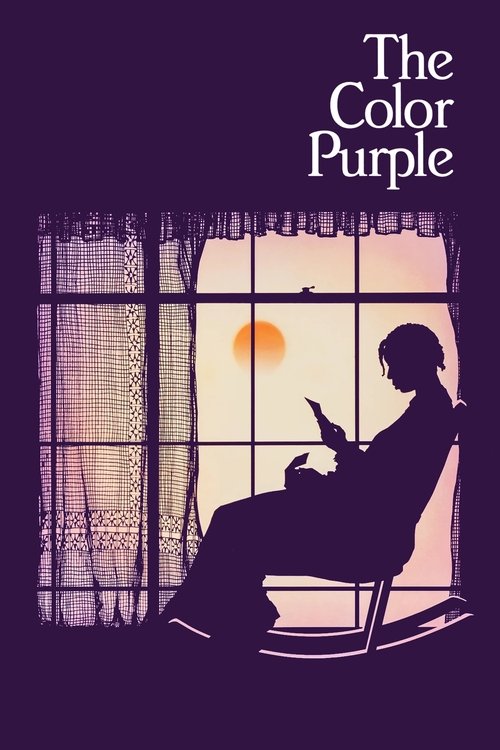
The Color Purple1985
Both are elegies for the American South that don't confuse landscape beauty with moral innocence. Both believe that perseverance and love matter even when the world doesn't reward them.
Celie's journey from voicelessness to agency in the Jim Crow South—a more narrative-driven story, but one that shares The Neon Bible's conviction that grace and love are forms of resistance. Spielberg's adaptation is surprisingly faithful to Walker's spiritual vision.
But At nearly two and a half hours, it's a complete emotional commitment. Watching Celie's suffering is necessary but not easy.
More like this (6)
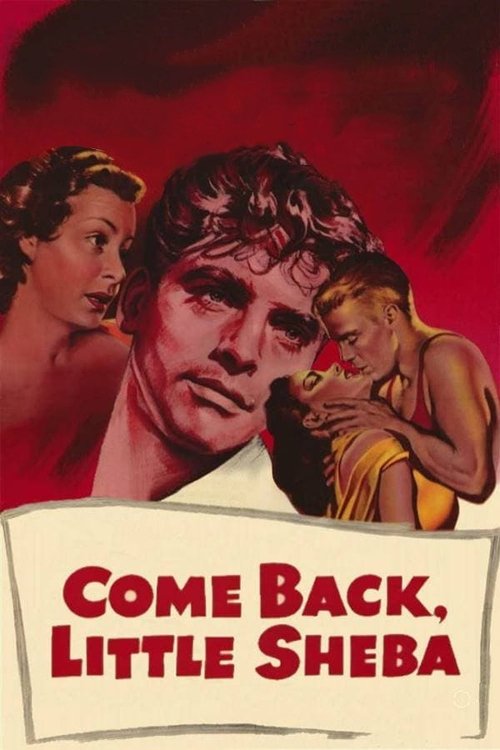
Come Back, Little Sheba1953
Burt Lancaster and Shirley Booth as a couple trapped in disappointment and habit. A portrait of a marriage corroded by small cruelties and unspoken griefs—the domestic damage that The Neon Bible explores through a child's eyes.
But It's claustrophobic and bleak. Not a film that offers you comfort or easy resolution.
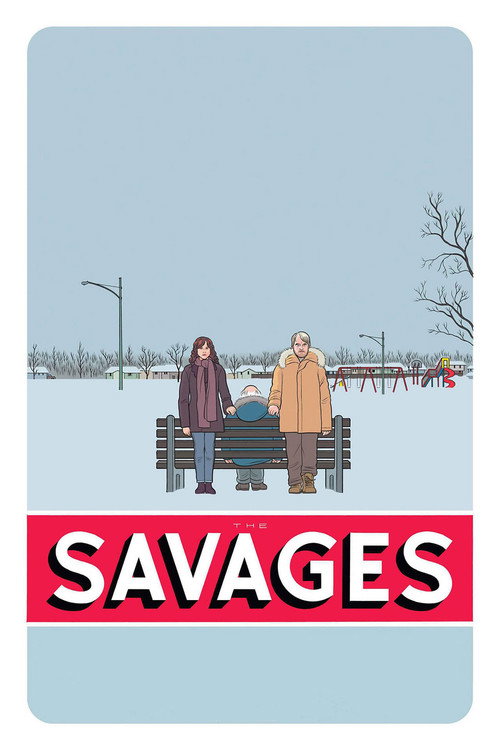
The Savages2007
Adult siblings reckon with a failing parent and their own stunted lives. Tamara Jenkins writes family damage with dark humor and intelligence, capturing how proximity to suffering doesn't make us wise.
But It's a downer wrapped in comedy. The laughs come from recognizing failure and disappointment in yourself.
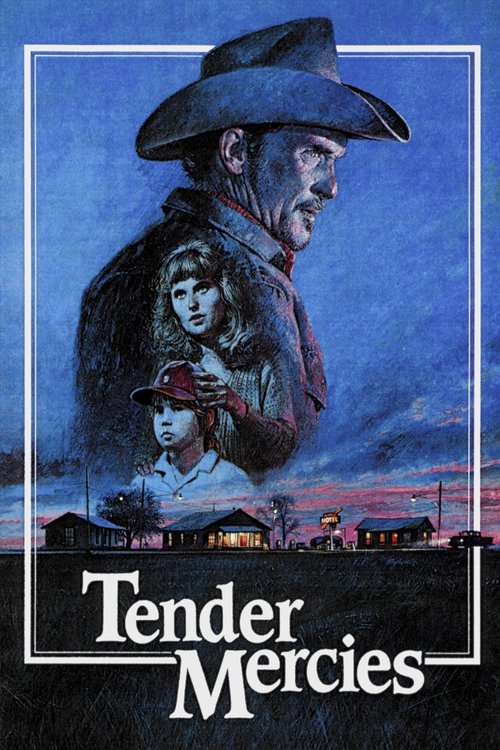
Tender Mercies1983
Robert Duvall as a broken man finding small redemptions in Texas, shot in warm, unshowy color. It understands grace as ordinary and hard-won, the way Davies does in The Neon Bible.
But Nothing much happens. If you need dramatic shape and climax, this will feel thin.
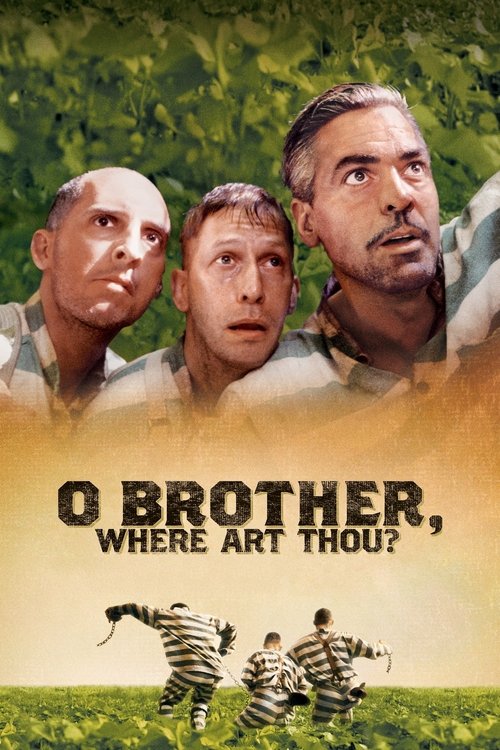
O Brother, Where Art Thou?2000
The Depression South as a mythic space, filtered through Homer and folk ballads. Coen Brothers riff on Georgia and rootlessness with style and a genuine love for the landscape and music.
But The mannered dialogue and constant metaphor can feel affected. It's surface-beautiful in a way that doesn't suit everyone's mood.
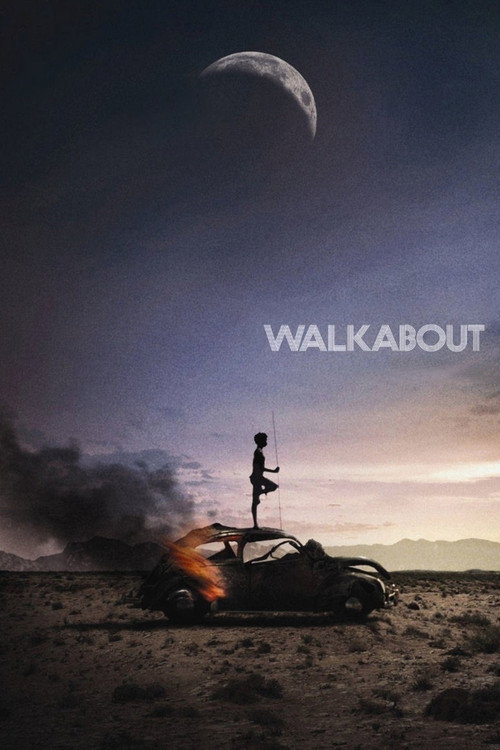
Walkabout1971
Two children lost in the Australian outback, guided by an Aboriginal boy. Roeg's film is painterly and strange, about how children navigate a world adults have broken, using image and mood instead of plot.
But It's obtuse and dreamlike. Plot takes a backseat to sensation and symbol, which can feel willfully obscure.
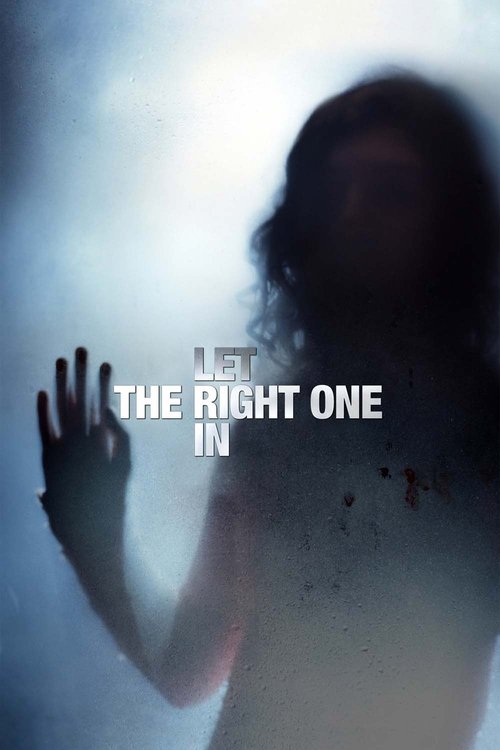
Let the Right One In2008
Both use the supernatural or heightened (Gothic in Davies, vampire in Alfredson) as a formal way to express the emotional truth of childhood displacement. Both understand that adolescent love and longing are profound precisely because the world around them is fractured.
A 12-year-old boy befriends a vampire girl in 1980s Stockholm. Tomas Alfredson creates something rare: a vampire film that's a genuinely tender meditation on childhood loneliness and the hunger for connection, rendered in snow and shadows.
But It's slow and quiet for a vampire film, with minimal gore. If you came for scares or action, you'll be disappointed.
People
Cast
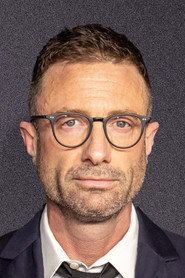 Jacob TierneyDavid (aged 15)
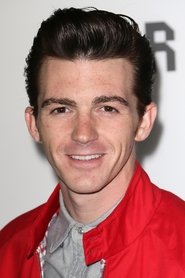 Drake BellDavid (aged 10)
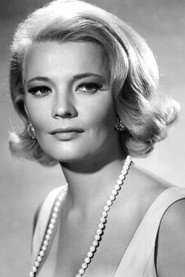 Gena RowlandsMae Morgan
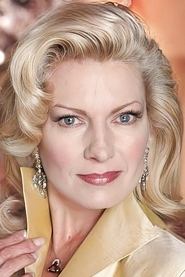 Diana ScarwidSarah
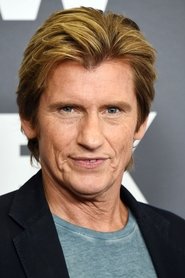 Denis LearyFrank
 Bob HannahGeorge
- Aaron FrischBruce
- Charles FranzenTannoy Voice
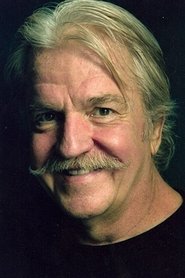 Leo BurmesterBobbie Lee Taylor
- Sherry VelvetFirst Testifier
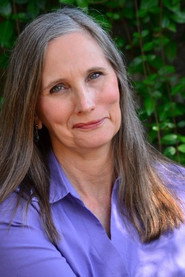 Stephanie Astalos-JonesSecond Testifier
- Ian ShearerBilly Sunday Thompson
Directing
- Terence DaviesDirector
- Cas DonovanFirst Assistant Director
- Amy Blanc LacyScript Supervisor
- Amy SchmidtSecond Assistant Director
- Rich GreenbergSecond Assistant Director
Writing
- John Kennedy TooleNovel
- Terence DaviesScreenplay
Production
- Alicia KitsuseAssistant Accountant
- Timothy StoneAssistant Location Manager
- Christopher CrescitelliAssistant Production Coordinator
- Laura RosenthalCasting
- Ali FarrellCasting Assistant
- Mike LowrieCo-Executive Producer
- Nik PowellExecutive Producer
- Stephen WoolleyExecutive Producer
- Cynthia StillwellExtras Casting
- Chad DarnellExtras Casting Assistant
- Victoria WestheadLine Producer
- Jonathan KarlsenLocation Manager
- Elizabeth KarlsenProducer
- Olivia StewartProducer
- April A. JanowProduction Accountant
- Melanie BellProduction Coordinator
- Wendy BroomProduction Coordinator
- Teresa M. YarbroughUnit Production Manager