
Film
RSC Live: Titus Andronicus
Shakespeare's most visceral play, where a broken general's attempt to restore order through violence only multiplies Rome's atrocities. This 2017 RSC production treats the gore not as spectacle but as the language of a society in freefall. Exhausting, unflinching, and occasionally brilliant—for those willing to sit with brutality as tragedy rather than entertainment.
Should you watch it?
Watch it if you want a stage production that treats Shakespeare's most savage tragedy as a blunt, unflinching machine, and you care more about how a company makes horror land in a theatre than about polished screen effects.
Skip it if you need likable characters or any breathing room, since the play piles brutality on brutality with little relief and its gore and cruelty are the whole point rather than a side note.
What it asks of you: Three hours of sustained, unrelenting attention, with the violence staged plainly and the mood staying grim from start to finish, so settle in and expect no easy release.
Not sure? Find tonight's pick in a minute.
If you liked this
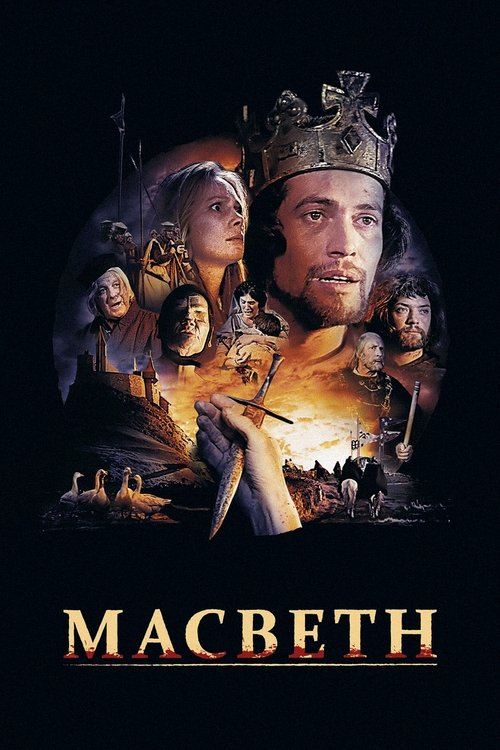
Macbeth1971
Polanski's 1971 version shares Titus's conviction that tragedy is earned through blood and ambition. It's equally relentless about power corrupting the powerful, with a visual clarity that makes the horror matter.
But Bleak and slow-moving. If you're looking for swashbuckling Shakespeare, this won't satisfy it. It's a dirge.
The Revenant2015
Survival as mutilation, revenge as self-destruction. Like Titus, it refuses to make violence cathartic—every wound costs the man who carries it. The body becomes the story.
But Three hours of cold, pain, and moral emptiness. Not entertainment. The brutality is the point, which some find punishing rather than clarifying.

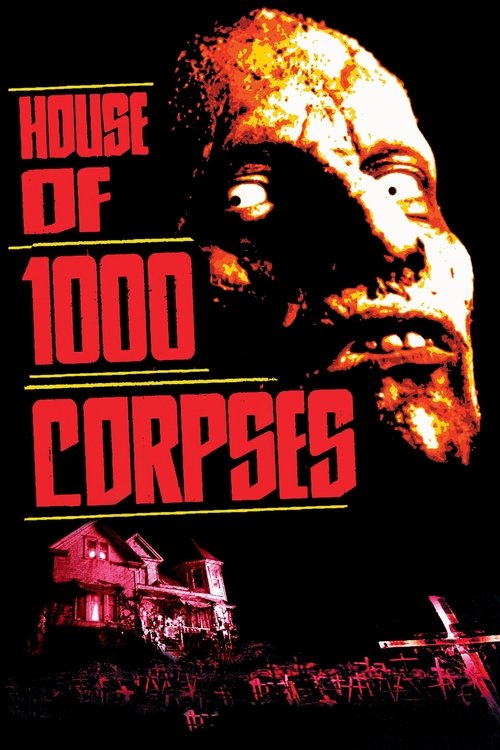
House of 1000 Corpses2003
Rob Zombie's grotesque family nightmare operates in the same register—transgressive, operatic violence that asks what we're willing to look at and why. Both are deliberately repellent.
But Genuinely hard to watch, though not for sophisticated reasons. It's trashy provocation, and if you want Titus for its linguistic or philosophical content, this will feel like a betrayal.
Not sure tonight? Get a pick in a minute, starting from RSC Live: Titus Andronicus
The wildcard
Something you would not have found on your own.
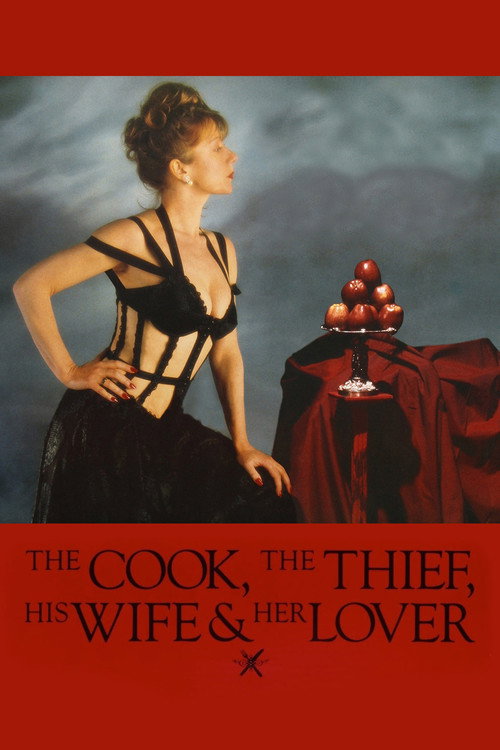
The Cook, the Thief, His Wife & Her Lover1989
Both use extreme bodily violation as the language of moral collapse. Both treat violence and sexuality as inseparable. Both demand you sit with discomfort as the price of understanding.
Greenaway's baroque nightmare is a visual feast of obscenity and violence. Like Titus, it uses visceral imagery and transgression to ask questions about power, desire, and the corrupted body. Both are formal and deliberately grotesque.
But A reputation precedes it, and most of that reputation is well-earned. It's graphic, perverse, and sometimes impenetrable. Beautiful, but in a way that can feel hostile to the viewer.
More like this (4)
Requiem for a Dream2000
Aronofsky's film shares Titus's refusal to soften tragedy or offer redemption. Addiction, self-destruction, and the body's betrayal create a symphony of collapse that's almost unbearable to witness.
But Exhausting and hopeless. It's designed to wreck you. Watching it once is often enough; few want to revisit it.

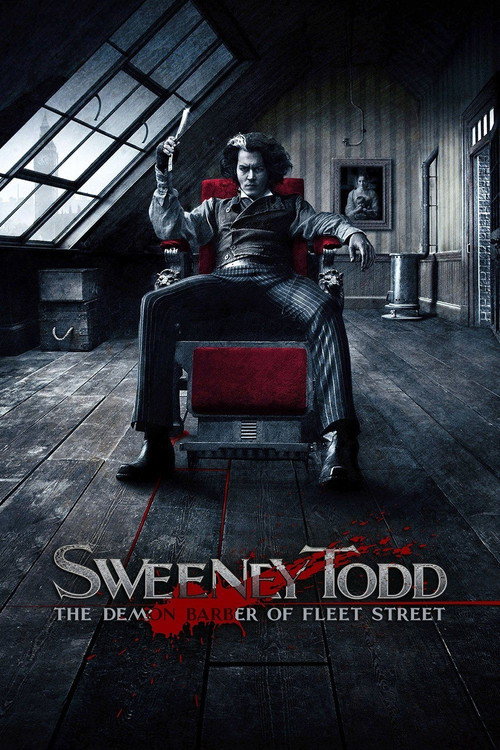
Sweeney Todd: The Demon Barber of Fleet Street2007
Sondheim and Burton's musical transforms revenge into dark spectacle. Like Titus, it presents murder as theatre and questions the audience's complicity in enjoying it.
But If you hate musicals, this won't convert you. The song-and-dance formality can feel at odds with the brutality.
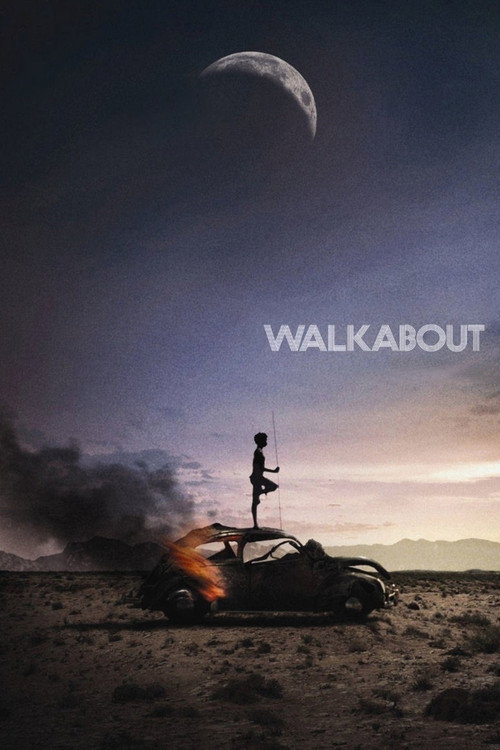
Walkabout1971
Both are about the price of civilisation and what happens when it fails. Both use landscape (Rome's moral desert, the Australian outback) as a character. Both are beautiful in a way that makes the suffering worse.
Roeg's film is about the collapse of civilisation and the body's vulnerability in hostile space. Though quieter than Titus, it shares the same unflinching attention to suffering and the fragility of social order. Alien and hypnotic.
But Slow, meditative, and deeply unsettling in ways that have nothing to do with gore. The pacing will feel glacial if you want plot momentum.
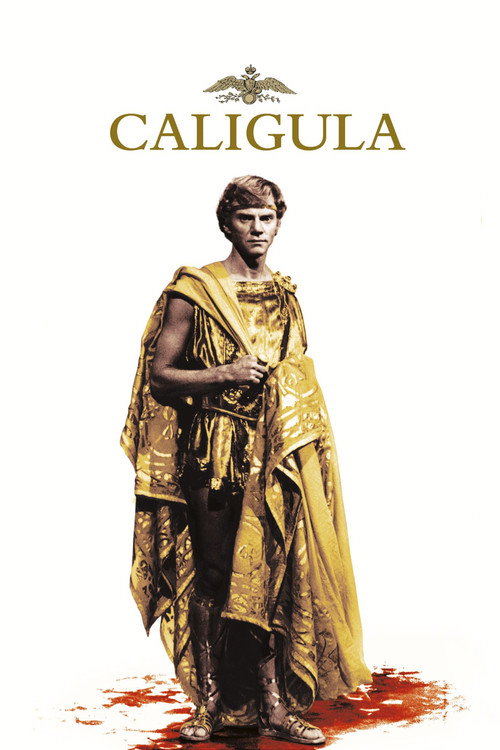
Caligula1979
Both use Rome and unlimited power as vehicles for exploring the body as a site of political violence. Both are unapologetic about depicting what civilised films usually cut away from.
Tinto Brass's scandalous film shares Titus's Roman setting and its conviction that absolute power produces absolute obscenity. It's trashy, explicit, and utterly committed to its own excess—a mirror held up to imperial corruption.
But Infamous for its pornographic content. Most of it is terrible filmmaking in service of pure transgression. It's a curiosity that happens to connect thematically, not a masterpiece.
People
Cast
 David TroughtonTitus Andronicus
 Stefan AdegbolaAaron
- Stefan AdelakunMutius
 Kristin AthertonNurse
- Will BlissClown
 David BurnettQuintus
 Paul DoddsGoth
 Patrick DruryMarcus Andronicus
 Nia GwynneTamora
 Sean HartDemetrius
- Martin HutsonSaturnius
 Amber JamesGoth / Midwife
Directing
- Blanche McIntyreDirector
Writing
- William ShakespeareAuthor