
Film
Tarzan the Ape Man
Other titles called Tarzan the Ape Man: the 1981 film.
The film that invented Tarzan on screen. Johnny Weissmüller, an Olympic swimmer with no acting experience, becomes an icon—communicating through grunts and physicality what dialogue cannot. It's a fever dream of adventure: jungle stampedes, ape battles, a woman torn between civilization and primal freedom. Pure spectacle, surprisingly sensual for 1932, and the blueprint for everything that followed.
If you liked this
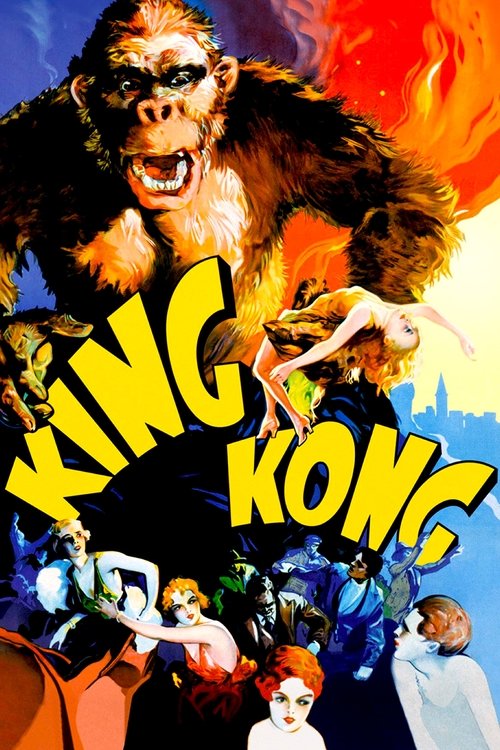
King Kong1933
Made a year later, it applies the Tarzan formula to an island monster spectacle. The same collision of civilization and wild nature, the same visual ambition, the same willingness to kill extras in bulk. A natural companion.
But The pacing drags in the middle hour, and the miniature effects, while pioneering, are occasionally unconvincing even by period standards.
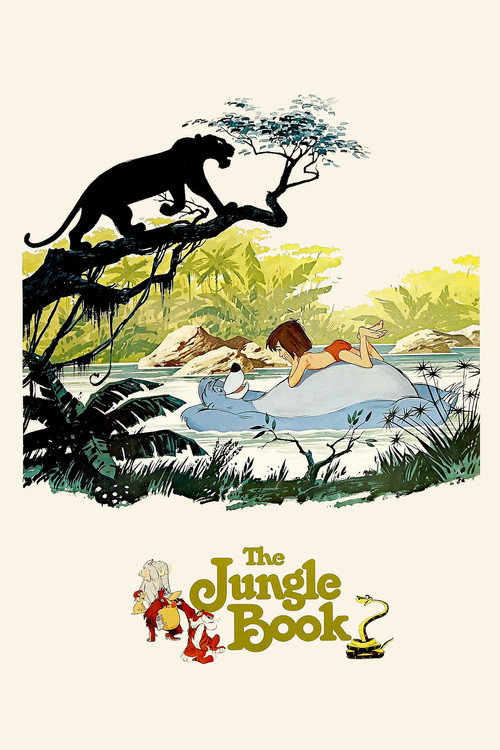
The Jungle Book1967
Disney's animated response to the jungle-child myth. Lighter in tone, but it understands the same appeal: a being raised by animals, caught between two worlds, learning what he is through that tension. Gorgeous animation.
But The musical numbers might feel saccharine if you're watching for the adventure rather than the charm. It's gentler than Tarzan.
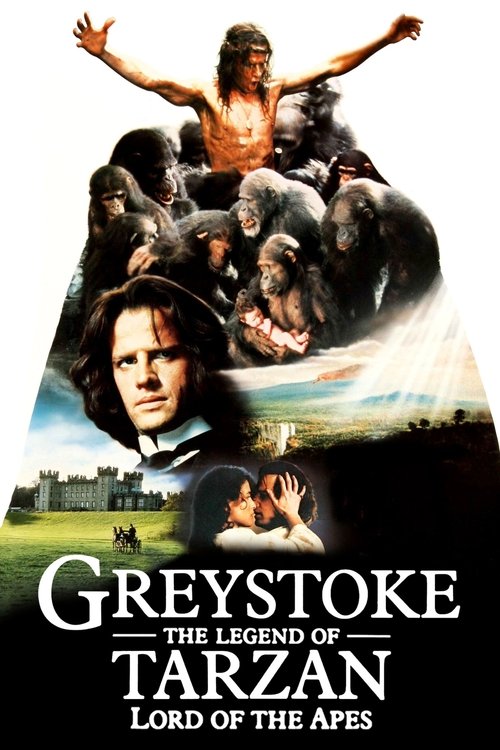
Greystoke: The Legend of Tarzan, Lord of the Apes1984
A serious, intelligent reckoning with the Tarzan legend. Hugh Hudson directs with real craft; it treats the story as tragedy rather than adventure. The ape work is exceptional. A genuine alternative vision.
But It's slow, deliberate, and deeply melancholic. If you want spectacle and romance, this substitutes existential sadness.
Not sure tonight? Get a pick in a minute, starting from Tarzan the Ape Man
The wildcard
Something you would not have found on your own.
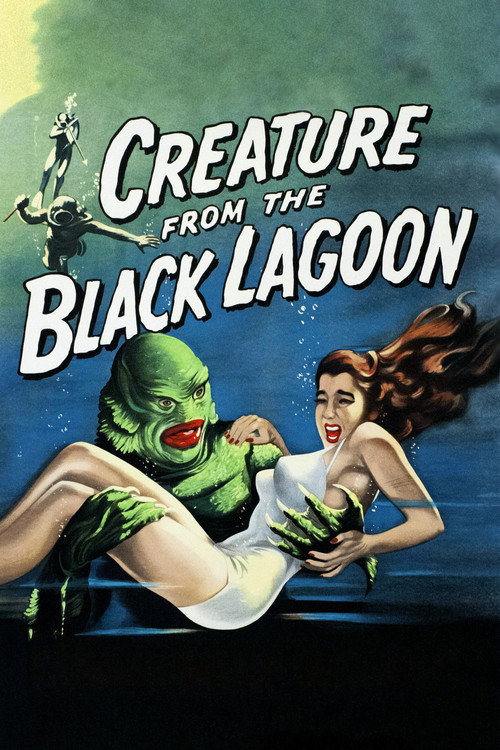
Creature from the Black Lagoon1954
Both turn on a being outside civilization encountering beauty and civilization simultaneously, finding them inseparable from their own destruction.
A creature raised in isolation, beautiful and tragic, who falls for a woman from the civilized world. It inverts the Tarzan setup but uses identical emotional machinery. Shot in 3D, it's visually stunning, and the Creature itself is sympathetic in ways the film doesn't quite intend.
But It's pulpy B-movie material. The gender politics are dodgy by any standard. And it can feel slow if you're not tuned to monster-movie pacing.
More like this (7)
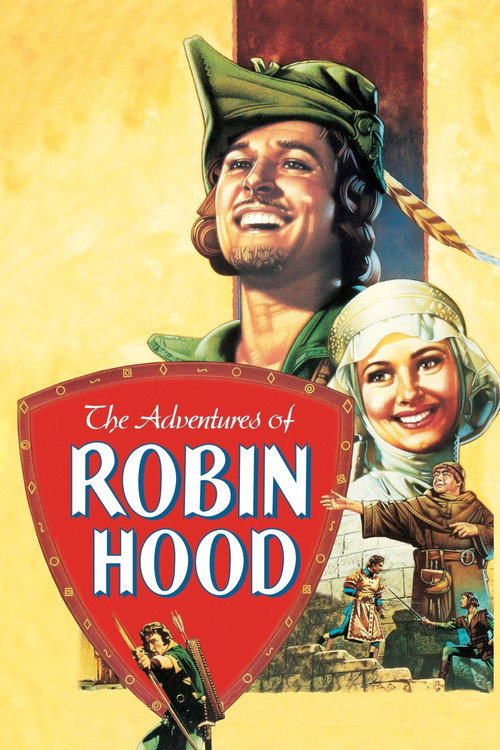
The Adventures of Robin Hood1938
Same era, same physical exuberance, same Technicolor excess. Errol Flynn has Weissmüller's gift for communicating through movement. It's adventure cinema at its most joyful and unironic.
But The derring-do can feel quaint now. There's no real darkness underneath, which some find thin.
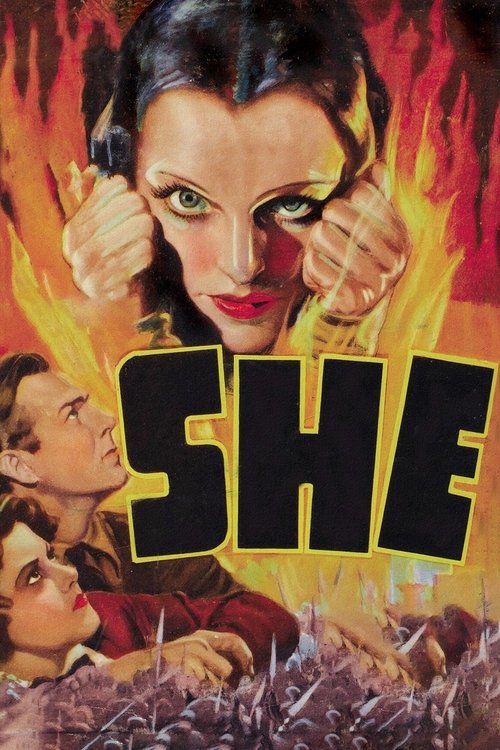
She1935
Another lost-world adventure from the early sound era, with similar themes of civilization versus the exotic unknown. Helen Gahagan commands the screen in ways that prefigure what Maureen O'Sullivan does here.
But It's slower than you'd expect, heavy on dialogue. The jungle setting is clearly a soundstage.
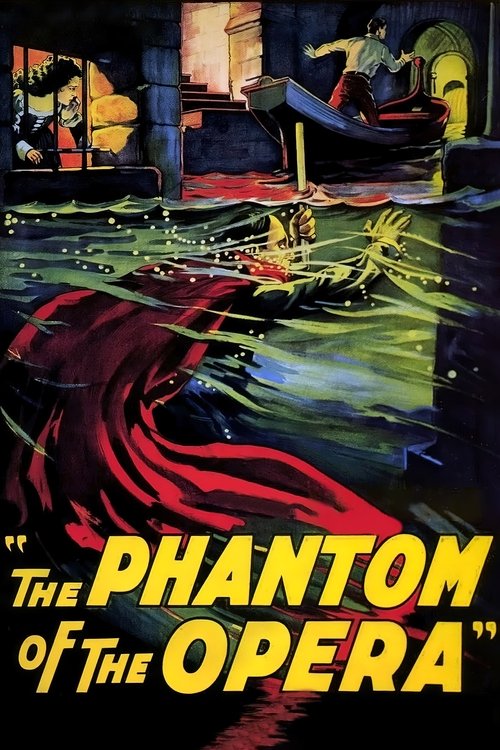
The Phantom of the Opera1925
Lon Chaney in the role that defined monster-sympathetic-figures. Like Tarzan, it's about a being outside society who possesses a strange beauty. The production design is staggering.
But It's a silent film, which requires adjustment. And the pathos can feel overwrought to modern eyes.
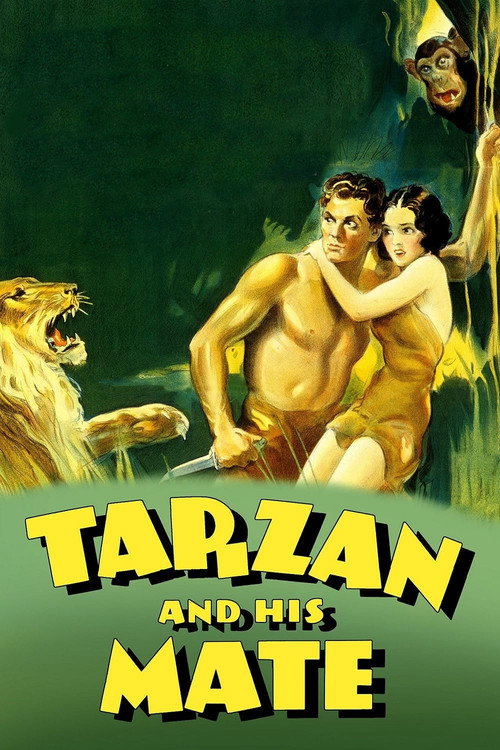
Tarzan and His Mate1934
The immediate sequel, and arguably the better film. More confident, more lush, with O'Sullivan and Weissmüller now fully settled into their chemistry. The underwater scene is genuinely sensual.
But You lose the discovery of the first film. If you haven't seen this one, start with the original.
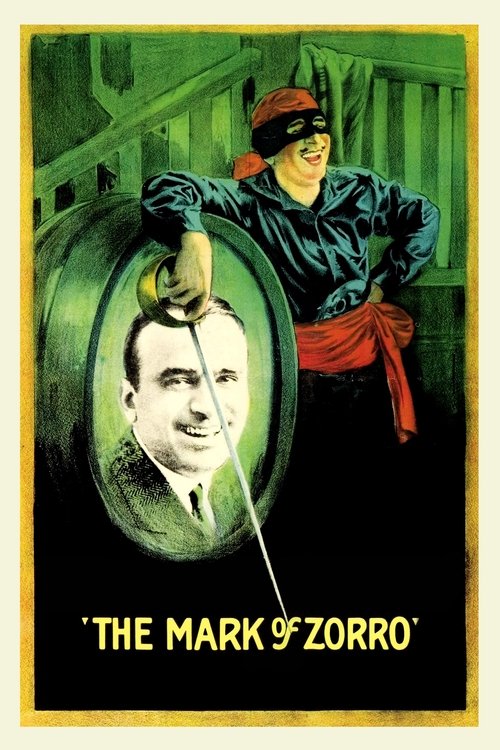
The Mark of Zorro1920
Douglas Fairbanks doing what Weissmüller does—communicating character and wit through pure physical grace. It's the template for the adventure hero, and it still moves.
But Silent film, which demands patience. And once you know the twist, the suspense is gone.
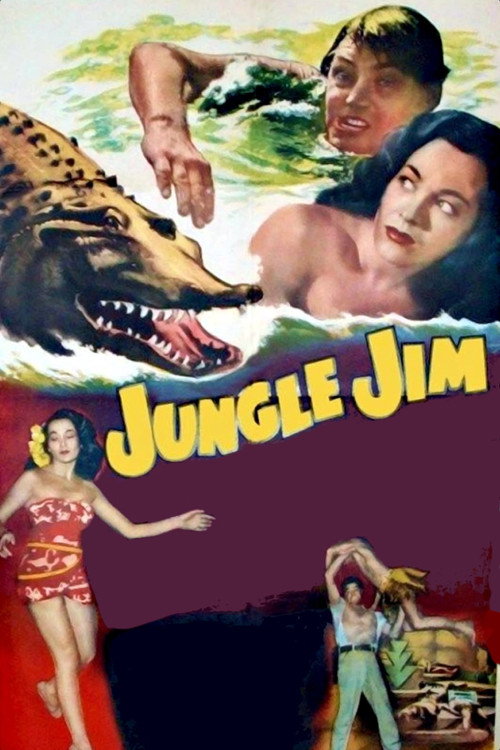
Jungle Jim1948
Johnny Weissmüller himself in a later series entry, now tackling Asian jungles instead of African ones. It's a curio, the actor returning to what made him famous. Cheap, cheerful, and weird.
But It's a B-picture. The budget is obvious. It exists mostly as nostalgia for people who loved the first films.
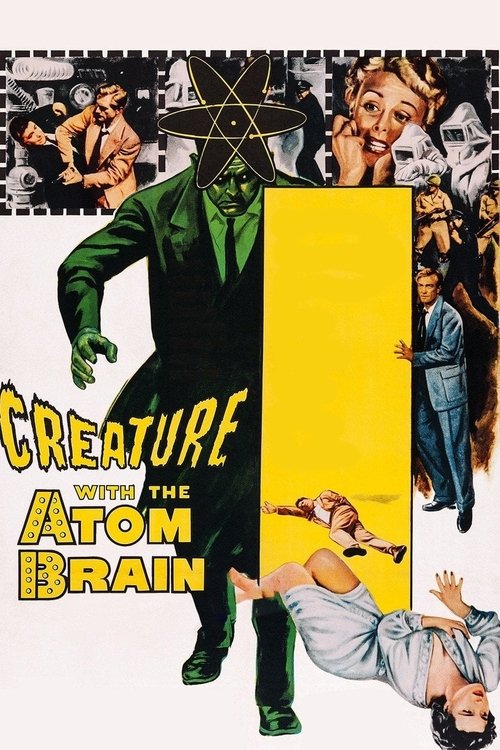
Creature with the Atom Brain1955
Both films build character through physical presence rather than dialogue. One is transcendent, the other grotesque—but the method is identical.
A zombified criminal returned by atomic reanimation; a man made mute and mechanical, communicating only through violence. It's Tarzan's physicality reversed—not grace but devastation, not communication but destruction. A B-picture that accidentally understands something about Weissmüller's approach to acting.
But It's trashy and weird, more interested in gimmick than art. The special effects are poor. It requires a taste for atomic-age camp.
People
Cast
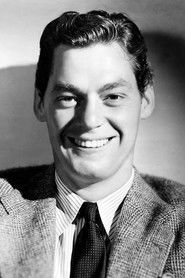 Johnny WeissmüllerTarzan
 Maureen O'SullivanJane Parker
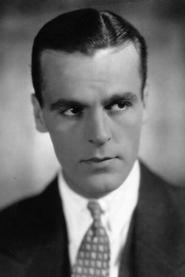 Neil HamiltonHarry Holt
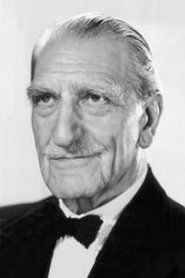 C. Aubrey SmithJames Parker
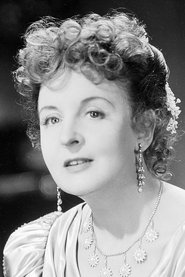 Doris LloydMrs. Cutten
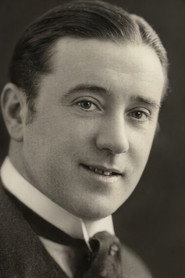 Forrester HarveyBeamish
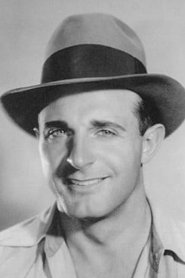 Ray CorriganApe (uncredited)
- Ivory WilliamsRiano
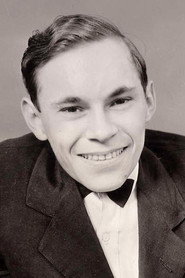 Johnny EckBird Creature (uncredited)
Directing
- Arthur RoseAssistant Director
- W.S. Van DykeDirector
Writing
- Edgar Rice BurroughsCharacters
- Cyril HumeWriter
- Ivor NovelloWriter
Production
- Irving ThalbergExecutive Producer
- Bernard H. HymanLine Producer
- J.J. CohnProduction Manager