
Film
Veruschka - Poetry of a Woman
- Strange
- Slow-burning
Franco Rubartelli's 1971 essay-film about supermodel Veruschka is less narrative than mood and movement—a dreamlike meditation on beauty, identity, and the body as canvas. Shot in sumptuous 35mm, it floats between documentary and fantasy, treating its subject as both person and artistic object. For viewers who prize visual storytelling and cinema as visual art over plot.
Should you watch it?
Watch it if you are drawn to films where mood and image carry the story, and a fashion model's stillness becomes a kind of dreamy, almost painterly portrait you can get lost in.
Skip it if you need a plot to hold you, since this runs a lean ninety-two minutes of atmosphere and posing, and its drift can feel more like a gallery wander than a narrative.
What it asks of you: Ninety-two minutes of slow, hypnotic looking, with little dialogue and no urgency; it rewards patience and an eye for surface more than attention to who does what next.
Not sure? Find tonight's pick in a minute.
If you liked this
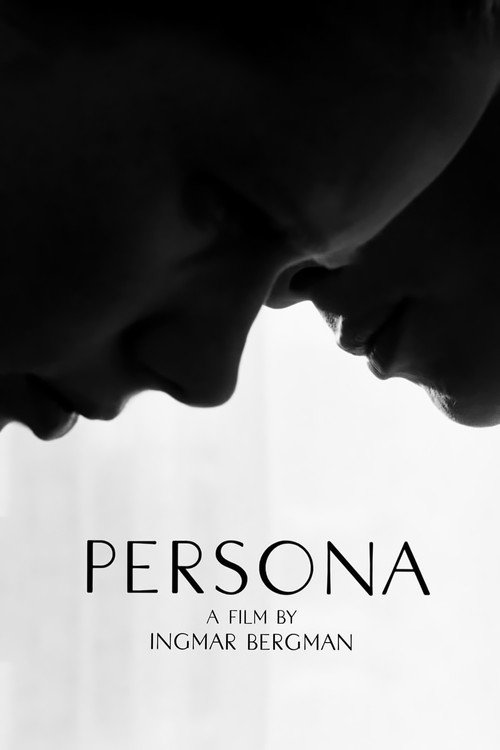
Persona1966
Bergman's masterpiece about identity and the self, told through two women in proximity. Features Bibi Andersson's face as pure cinema—long takes, minimal dialogue, maximum emotional weight. Essential viewing for lovers of visual philosophy.
But Deliberately paced and oblique. No conventional narrative drive, and it demands patience with ambiguity and symbolic interpretation.
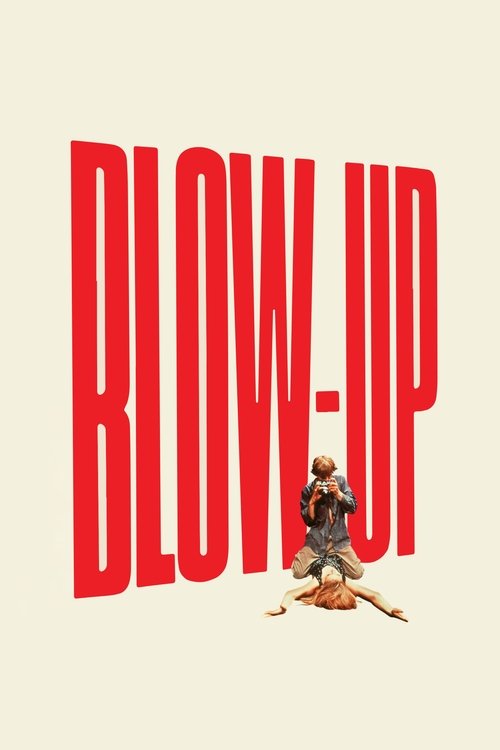
Blow-Up1966
Antonioni's London swinger-photographer thriller uses fashion, beauty, and the camera's gaze as its engine. Gorgeously composed, erotically charged, and fundamentally about sight and what we choose to see. Visual storytelling at its peak.
But Ends on deliberate mystery that infuriates some viewers. The pacing is mod-era languorous, not thrilling despite the mystery hook.
The Seventh Seal1957
Bergman again, but here is cinema as pure visual metaphor—Death playing chess, processions through medieval landscapes, faces lit like paintings. Every frame is composed for maximum emotional and philosophical impact. Haunting and unforgettable.
But Heavily symbolic and occasionally stagey. Some find it ponderous or pretentious rather than profound.

Not sure tonight? Get a pick in a minute, starting from Veruschka - Poetry of a Woman
The wildcard
Something you would not have found on your own.
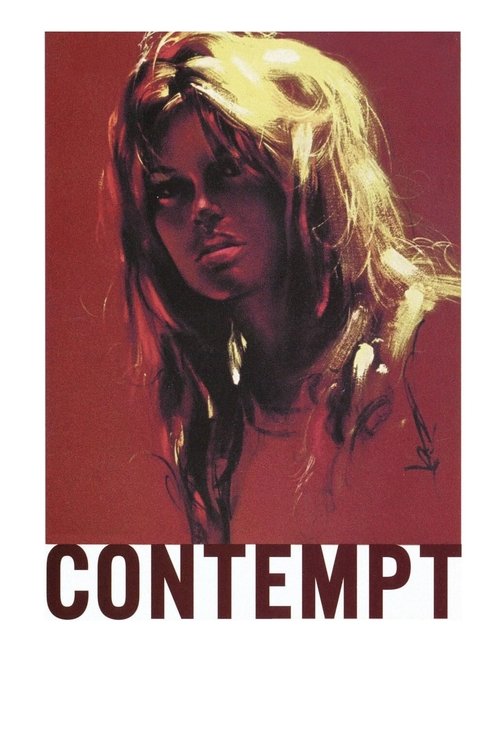
Contempt1963
Both films treat the human body and face as landscape; both make the behind-the-scenes of image-making their true subject.
Godard's meta-film about a filmmaker, his wife, and a producer making a film about Odysseus. Brigitte Bardot in a sumptuous, melancholic marriage. Shot in VistaVision on Capri, it makes the marriage—and cinema itself—the landscape. Connection: Both films treat the human body and face as landscape; both make the behind-the-scenes of image-making their true subject.
But Deliberately anti-narrative. Long takes of conversation and domestic tension. Godard's formal experiments feel dated to some, and the plot thread is gossamer.
More like this (7)
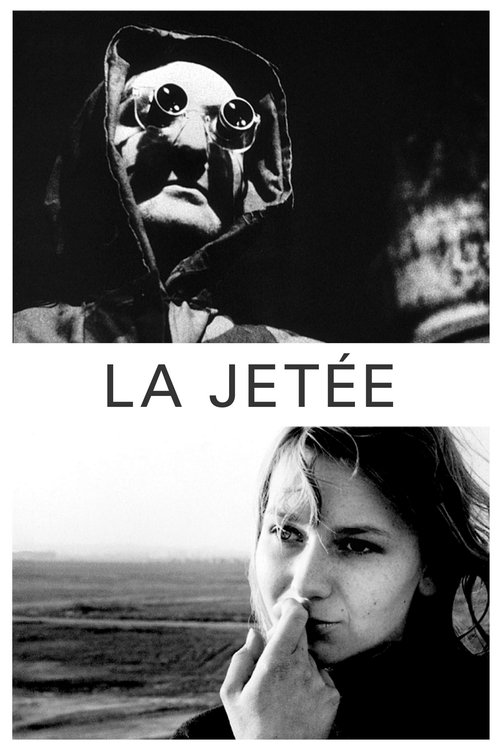
La Jetée1962
Chris Marker's only-photographs science-fiction poem explores memory and desire through stills and narration. Proves you need no moving image to make cinema move you. Hypnotic, brief, and conceptually brilliant.
But At 28 minutes, some want more. Told entirely in still photographs, which some find frustrating rather than innovative.
Breakfast at Tiffany's1961
Audrey Hepburn at her most luminous, playing a character who is partly persona and partly mystery. Henry Mancini's score and Blake Edwards's direction create a vision of New York sophistication. Beautiful and bittersweet.
But Hasn't aged perfectly in its racial representation. Some find it too whimsical given the character's sadder depths.

Mulholland Drive2001
Lynch's Los Angeles dreamscape about identity and performance. Naomi Watts is hypnotic. The film spirals into beauty and nightmare, asking what we desire from images and who we really are beneath performance.
But Deliberately fragmented and requires viewer to piece meaning together. Some find it pretentious or frustratingly cryptic.

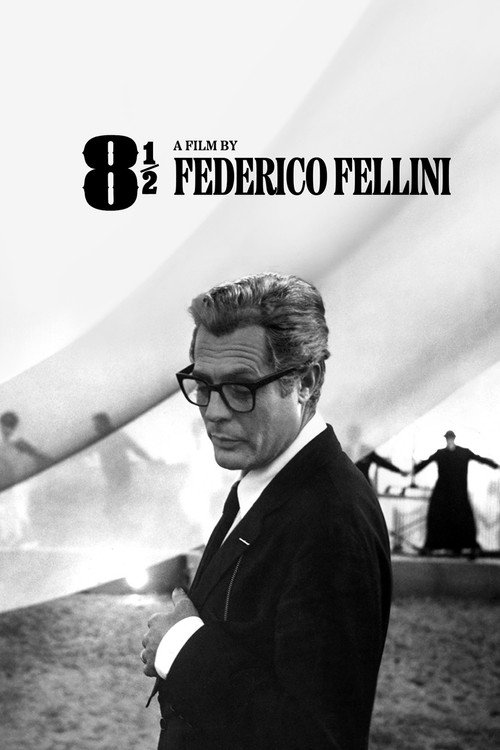
8½1963
Fellini's metacinema about a filmmaker's creative crisis and the women surrounding him. Dazzling, baroque, endlessly inventive visually. The film itself becomes a performance, a dream, a circus of desire and memory.
But Structurally loose and very long (138 minutes). The protagonist's relationship to women feels dated and occasionally uncomfortable by modern standards.
In the Mood for Love2000
Wong Kar-wai's supreme formalist work about two neighbors discovering their spouses' affair. Shot through Shanghai's cramped corridors in jewel-toned light. Pure cinema—color, movement, gesture, and restraint as narrative.
But Almost no dialogue and minimal plot. The slowness and visual abstraction may frustrate viewers wanting conventional story momentum.

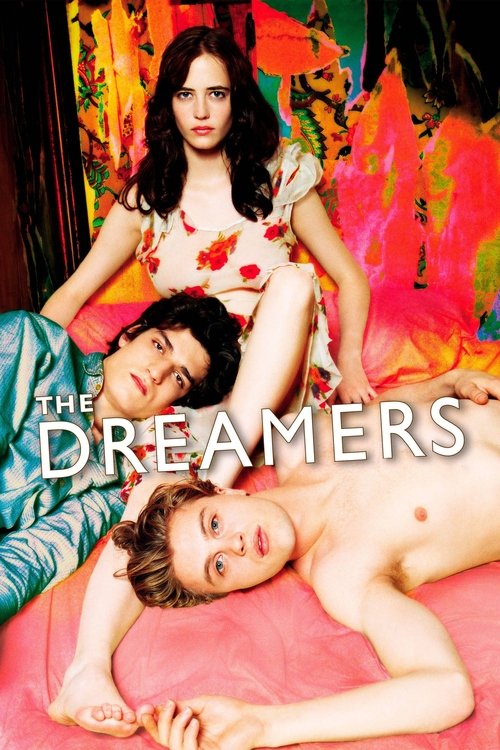
The Dreamers2003
Bertolucci's Paris-set film about cinephilia, bodies, and identity. Shot with painterly beauty, it makes cinema itself a character. For viewers fascinated by how film culture and performance collide in the psyche.
But Explicit sexual content and incestuous themes. Some find the cinephilia self-indulgent and the politics muddled beneath surface aesthetics.
Meshes of the Afternoon1943
Both use the female body as cinema's central subject; both treat narrative time and identity as malleable and dreamlike rather than fixed; both are intensely formal and visual rather than psychological.
Maya Deren's 14-minute experimental film is cinema as dream, repetition, and the female body as mystical object. Shot in a single room, it spirals through time and identity. A foundational work of experimental cinema that predates Veruschka's film by decades.
But Only 14 minutes, in black and white, with no conventional narrative. Some find it baffling rather than illuminating. Demands the viewer do emotional interpretation work.

People
Cast
 Luigi PistilliLuigi
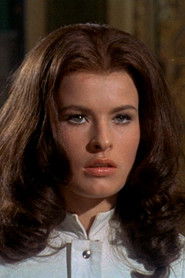
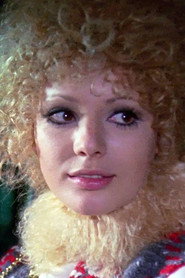
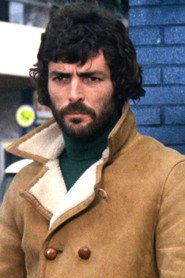 Quinto GambiHitch-hiker
Directing
- Franco RubartelliDirector
Writing
- Franco RubartelliWriter
- Giampiero BonaWriter
- Veruschka von LehndorffWriter
Production
- Gaspare PalumboProducer