
Film
The King of Marvin Gardens
A 1972 Rafelson film where two brothers—one a radio dreamer, one a boardwalk hustler—collide over a scheme to build paradise. Hypnotic and strange, shot through Atlantic City's decay and delusion. For anyone drawn to 70s malaise, unreliable brotherhood, or cinema that trusts you to sit with discomfort.
Should you watch it?
Watch it if you like talky, loose-limbed character studies where two brothers circle each other over a scheme of doubtful worth, and where the dialogue carries more weight than the plot.
Skip it if you need brisk momentum or a clear through-line, since much of this drifts through conversations, late-night wandering and half-formed plans that rarely pay off on schedule.
What it asks of you: It asks for patience with a shaggy, unhurried rhythm and a tolerance for wistful, sour-edged moods, though at about a hundred and three minutes it never overstays its welcome.
Not sure? Find tonight's pick in a minute.
If you liked this
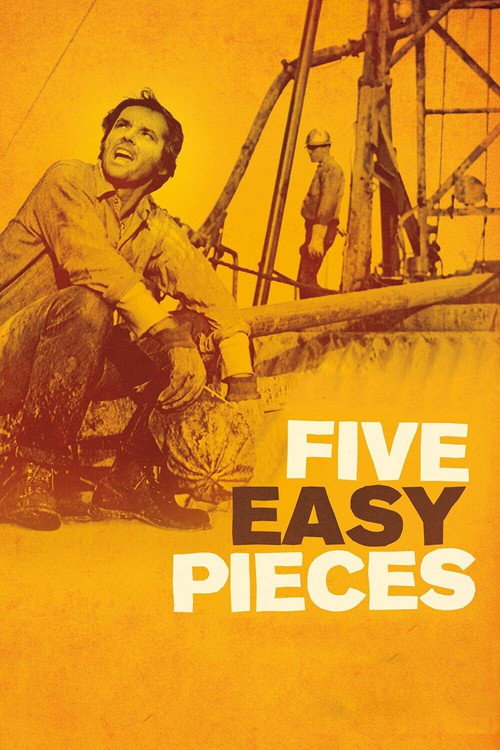
Five Easy Pieces1970
Jack Nicholson in his prime, playing another restless drifter caught between worlds. Rafelson directed this too—same fractured energy, same sense of men running from themselves into dead ends.
But The pacing is glacial by modern standards, and the ending offers no catharsis. Some will find it infuriatingly passive.
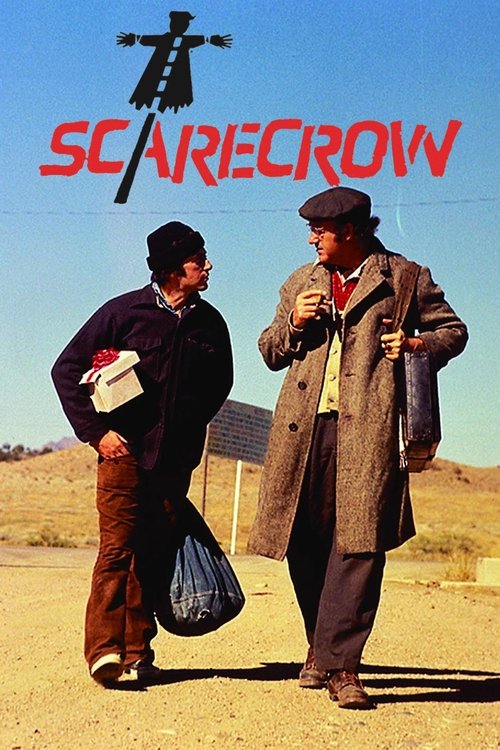
Scarecrow1973
Al Pacino and Gene Hackman as drifters with a doomed friendship. Captures that same 70s blues—beautiful losers with elaborate fantasies, the world conspiring against their innocence.
But It's depressing in a way that can feel aimless. The film doesn't judge the characters, which some find frustrating rather than moving.
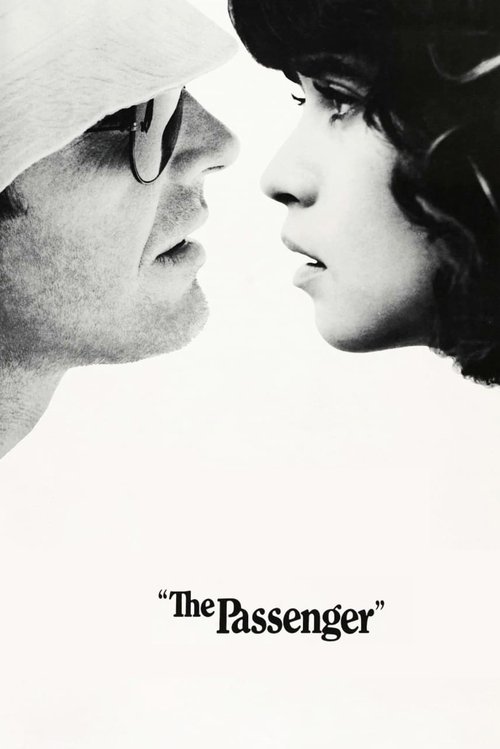
The Passenger1975
Antonioni's masterpiece about a man assuming another identity. Like Marvin Gardens, it's about reinvention, delusion, and whether escape is ever really possible. Hypnotic cinematography.
But Meditative to the point of demanding. If you need plot momentum or emotional release, this will feel like watching paint dry.
Not sure tonight? Get a pick in a minute, starting from The King of Marvin Gardens
The wildcard
Something you would not have found on your own.
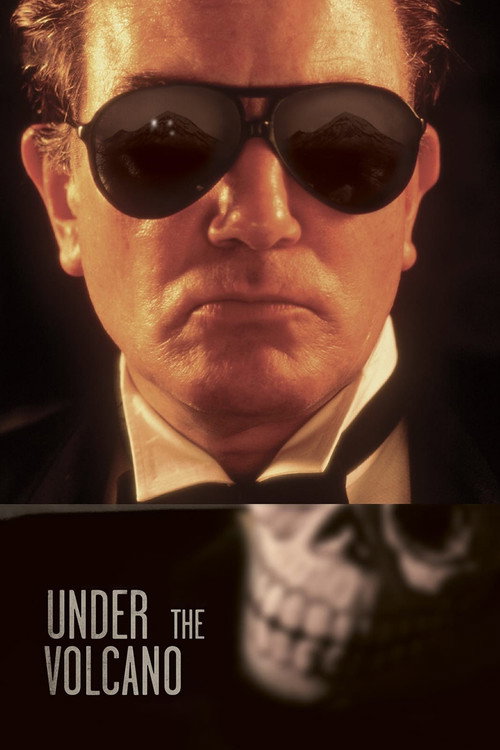
Under the Volcano1984
Both are chamber pieces about American men whose grandiose visions are really just attempts to escape themselves. Both use geography (Atlantic City vs. Mexico) as spiritual landscape. Both demand the audience sit with delusion without judgment.
John Huston's adaptation of Lowry's novel—a single day in Mexico with an alcoholic ex-diplomat, drowning in regret and self-delusion. Like Marvin Gardens, it's about men pursuing impossible escape through fantasy and substance. Malcolm Lowry's prose mirrors Rafelson's visual poetry: ornate, repetitive, hypnotic.
But Watching a man drunk and self-destructive for two hours, with no redemption arc. It's endurance cinema, and some will find it punishing.
More like this (8)
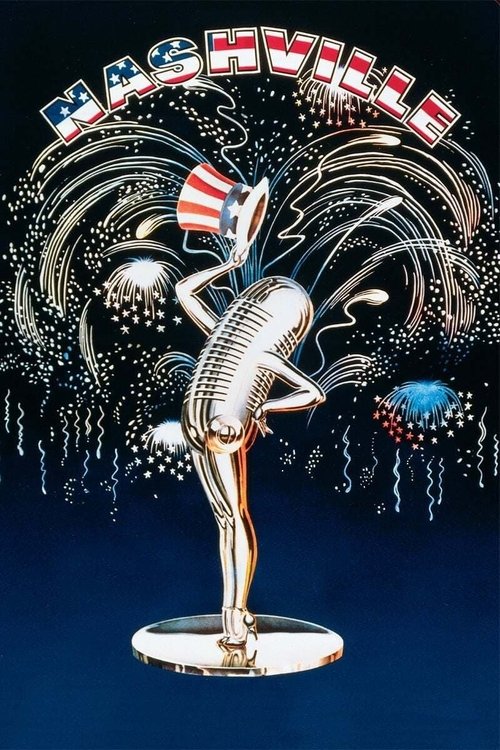
Nashville1975
Altman's sprawling ensemble about American ambition and self-delusion. Multiple dreamers, all crashing into each other. Same 70s disillusionment, broader canvas, crueler wit.
But Nearly three hours and deliberately shapeless. The tonal shifts between comedy and tragedy can feel jarring rather than profound.
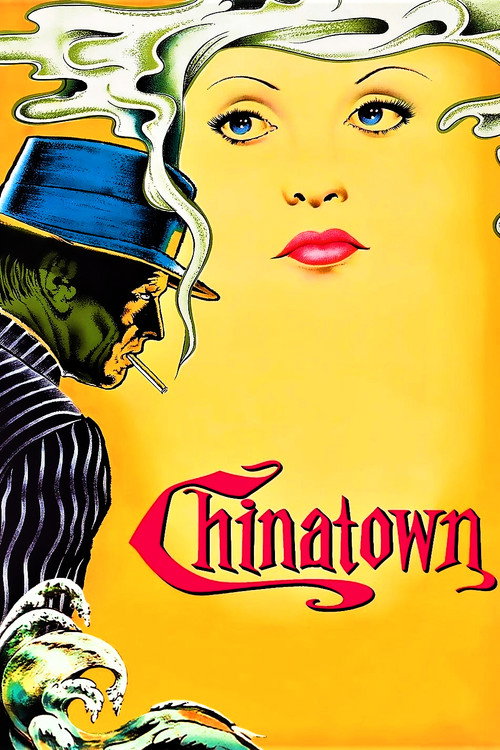
Chinatown1974
Nicholson again, but this time in noir. A different Rafelson era entirely—tighter, meaner, but with that same sense of men discovering the world is rigged against them.
But It's a masterpiece of plot mechanics. If you want ambiguity and drift, this is too perfectly constructed for that mood.
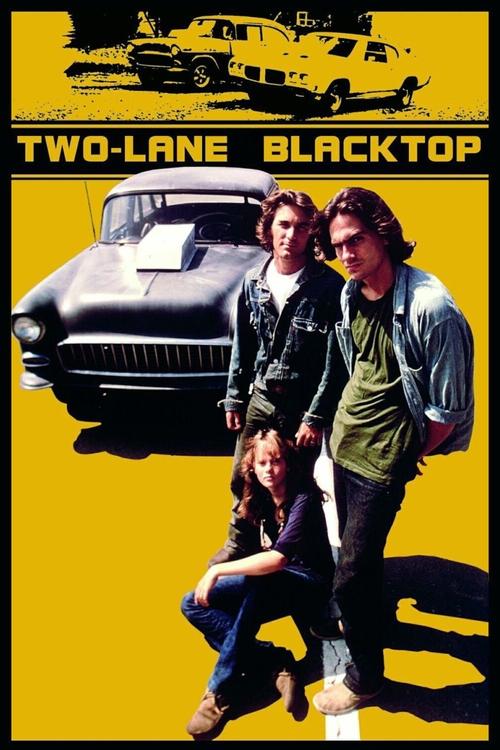
Two-Lane Blacktop1971
Minimal narrative, maximum atmosphere. Two men in a car moving through America with no destination. Pure 70s cool and emptiness—spiritual cousin to everything Marvin Gardens is doing.
But It's structurally closer to a poem than a film. Character development and conventional drama are almost entirely absent.
Drugstore Cowboy1989
Gus Van Sant captures that same Nicholson-era mood—small-time criminals with elaborate rituals, the fantasy slowly curdling into reality. Bleaker than Rafelson but spiritual kin.
But It's visually mannered in ways that feel dated now. The philosophical asides can seem precious if you're not in the right headspace.

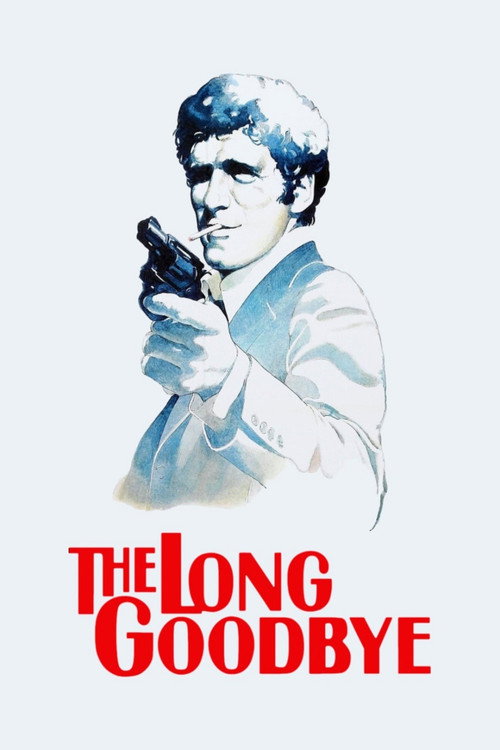
The Long Goodbye1973
Altman's revisionist noir. Like Marvin Gardens, it's about a man out of step with his world, chasing ghosts of connection. Deadpan, strange, deeply unsettling.
But It fundamentally misunderstands or reimagines its source material. If you want fidelity to Chandler, you'll hate it.
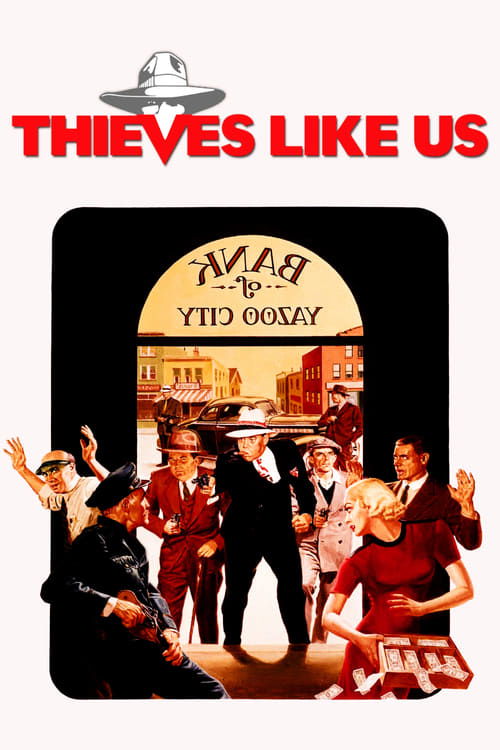
Thieves Like Us1974
Robert Altman again—Depression-era bank robbers with genuine affection for each other. Soft-focus romance meets hard reality. Another meditation on dreams and desperation.
But The romance often overshadows the crime story. Some find the sentimentality unearned given the violence implied around the edges.
Synecdoche, New York2008
Both feature men whose elaborate schemes are really psychological need made architectural. Both films refuse to judge the delusion—instead they ask whether delusion might be more real than reality.
Kaufman's dizzyingly inventive film about a theater director creating an elaborate replica of New York inside a warehouse. Jason's island scheme gets meta-textual treatment here—fantasy within fantasy, reality collapsing into art. Jarringly modern but spiritually ancestral to Rafelson.
But Deliberately confusing and structurally chaotic. If you need clarity about what's real and what's imagined, this will frustrate you intensely.

A Prophet2009
Both are about men constructing elaborate fictional versions of themselves to gain control. Both understand that performance and reality become indistinguishable when the performance is sustained enough.
Jacques Audiard's crime drama set in a French prison. Malik slowly builds an empire through cunning and theater. Unlike Marvin Gardens, it's propulsive—but it shares the DNA: a nobody constructing power through performance, charisma, and lies. Thrilling where Rafelson is meditative.
But It's violent and morally ambiguous. The narrative momentum comes from crime and betrayal. If you want slowness and atmosphere over plot, this breaks the spell.

People
Cast
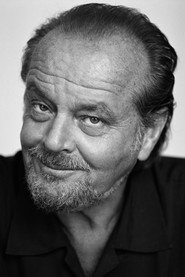 Jack NicholsonDavid Staebler
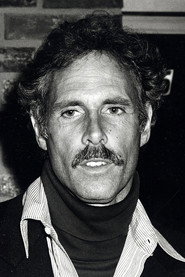 Bruce DernJason Staebler
 Ellen BurstynSally
- Julia Anne RobinsonJessica
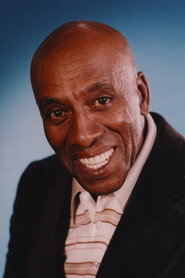 Scatman CrothersLewis
- Charles LaVineGrandfather
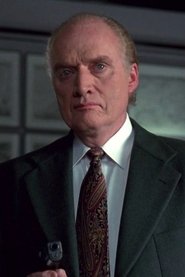 John P. RyanSurtees
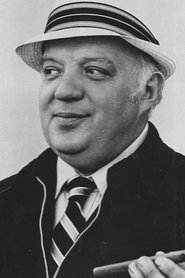 Sully BoyarLebowitz
 Josh MostelFrank
- Arnold WilliamsRosko
- William PabstBidlack
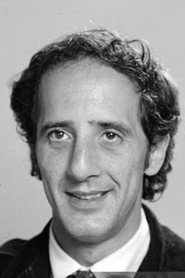 Garry GoodrowNervous Man
Directing
- Bob RafelsonDirector
- Michael HaleySecond Assistant Director
Writing
- Bob RafelsonWriter
- Jacob BrackmanWriter
Production
- Fred RoosCasting
- Steve BlaunerExecutive Producer
- Bob RafelsonProducer
- Harold SchneiderProducer