
Film
The Sugarland Express
Steven Spielberg's debut feature follows a desperate young couple on a crime spree across Texas, motivated not by greed but by love for their son. It's a road movie that treats small-time criminals with genuine sympathy, mixing tension with dark humour and an unexpected tenderness. For anyone who loves character-driven crime stories or Spielberg's earlier, scrappier work.
Should you watch it?
Watch it if you love road movies where the chase is really about two stubborn, hopeful people, and you enjoy a filmmaker who finds warmth and comedy inside a pursuit that grows more dangerous by the mile.
Skip it if the tone keeps shifting between slapstick, tenderness and sudden violence, so if you want a clean genre lane you may find it wobbly.
What it asks of you: Under two hours and it stretches its middle with long stretches of open highway and idle talk, so settle in rather than expecting the pulse of a thriller.
Not sure? Find tonight's pick in a minute.
If you liked this
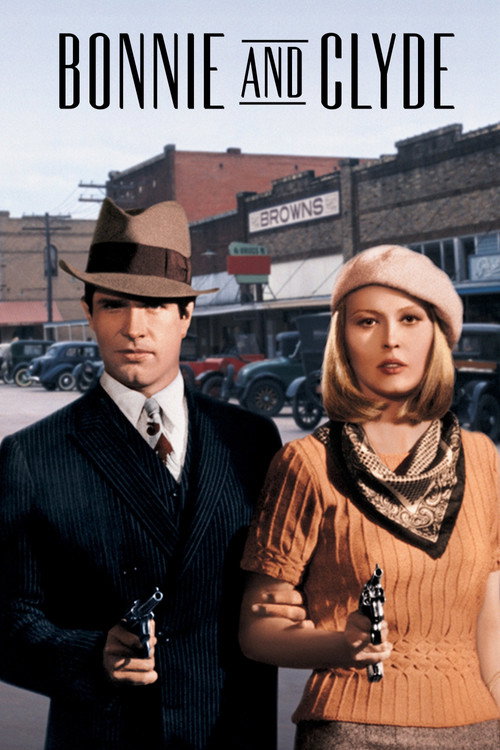
Bonnie and Clyde1967
The obvious ancestor: a couple on the run, pursued across America, treated as charismatic outlaws rather than villains. But where Bonnie and Clyde is violent and mythic, Sugarland is intimate and sad—you see why they do it.
But The violence is still brutal, and the film occasionally revels in its own coolness in ways that feel dated now. Some scenes exist mainly to show off.
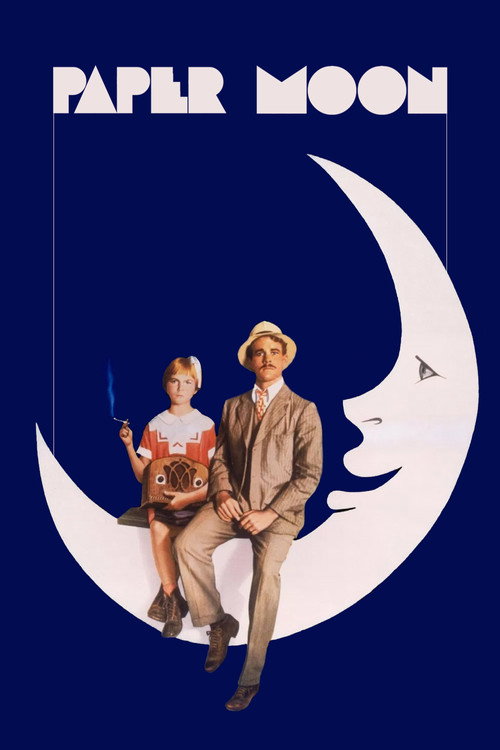
Paper Moon1973
Another small-time con artist film, but this one is funny—a father and daughter grifting their way through Depression-era America. Same era, same class of people, but lighter and warmer, with Ryan O'Neal doing some of his best work.
But It's gentler to the point of being slight. If you want real stakes and real consequences, this glosses over them with charm.
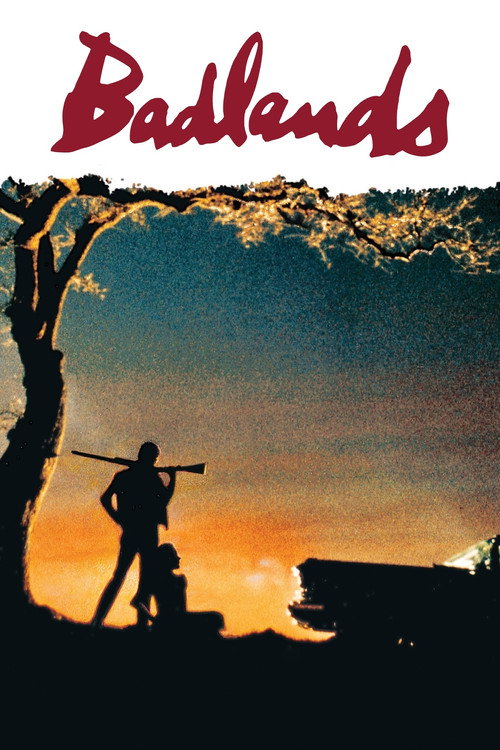
Badlands1973
Young lovers on the run, but Malick's version is poetic and dreamy where Spielberg's is grounded. The same outlaw couple archetype, but filtered through myth and memory. Terrence Malick's voice is entirely his own.
But It's oblique and elliptical. If you want plot momentum and clear explanations, Malick will frustrate you by design.
Not sure tonight? Get a pick in a minute, starting from The Sugarland Express
The wildcard
Something you would not have found on your own.
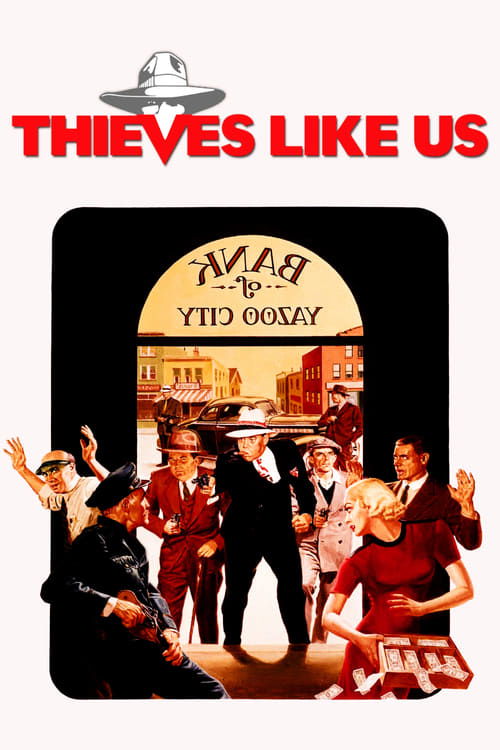
Thieves Like Us1974
Both 1974 films with genuine sympathy for small-time criminals; Altman's version is interior and mournful where Spielberg's is kinetic.
Robert Altman's film about Depression-era bank robbers—the same year as Sugarland. It's quieter, sadder, more forgiving of its criminals. Keith Carradine and Shelley Duvall are heartbreaking. The connection: both films premiered in '74 and both treat small-time crooks as tragedy, not spectacle.
But Altman's overlapping dialogue and ensemble style can feel chaotic. The film has no plot momentum—it drifts, which frustrated audiences then and might now.
More like this (8)
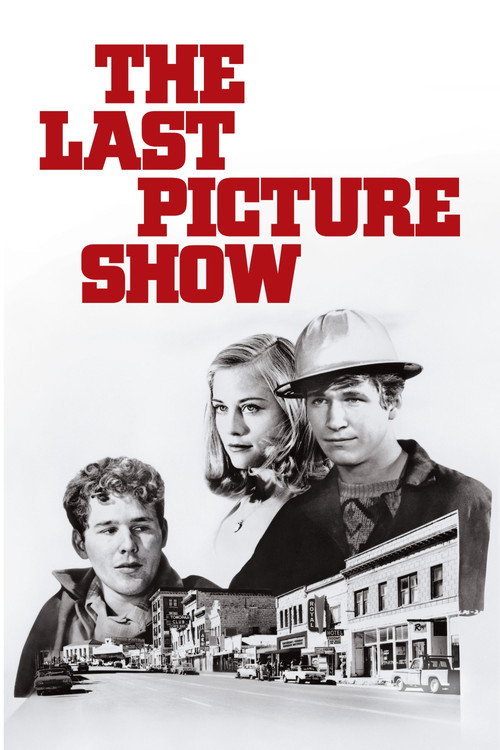
The Last Picture Show1971
Cybill Shepherd, Jeff Bridges, and Timothy Bottoms in small-town Texas during the 1950s. Black and white, elegiac, about the dying end of American small-town life. That same sense of people trapped by circumstance.
But It's bleak and slow. The film has no villains, just entropy and bad luck, which some find depressing rather than moving.
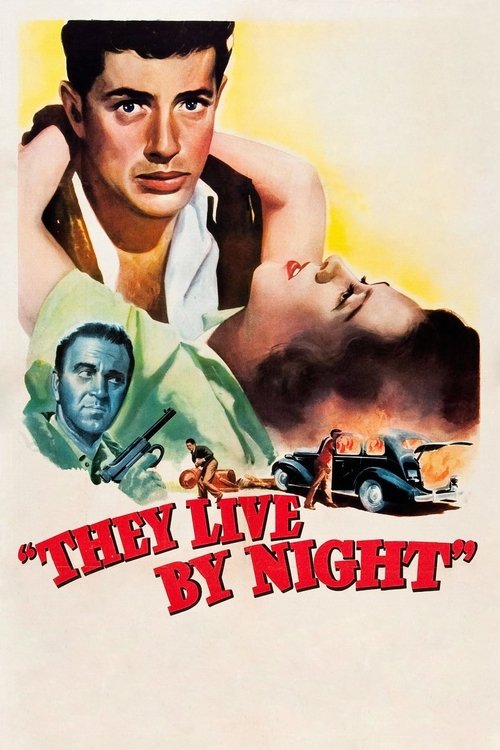
They Live by Night1949
Nicholas Ray's beautiful outlaw romance: a young couple on the run, tender with each other, hunted by the law. The DNA of every couple-on-the-run film after it. Farley Granger and Cathy O'Donnell have genuine chemistry.
But It's nearly eighty years old and shows it. The pacing is slow by modern standards, and some of the plot feels quaint now.
In Cold Blood1967
Richard Brooks' adaptation of Capote's true-crime masterpiece. Two killers on the run after murdering a family. It's unflinching about crime and its human cost, treating criminals as tragic figures without excusing them.
But It's genuinely disturbing and based on real murders. The tone is cold and observational, which some find clinical rather than moving.
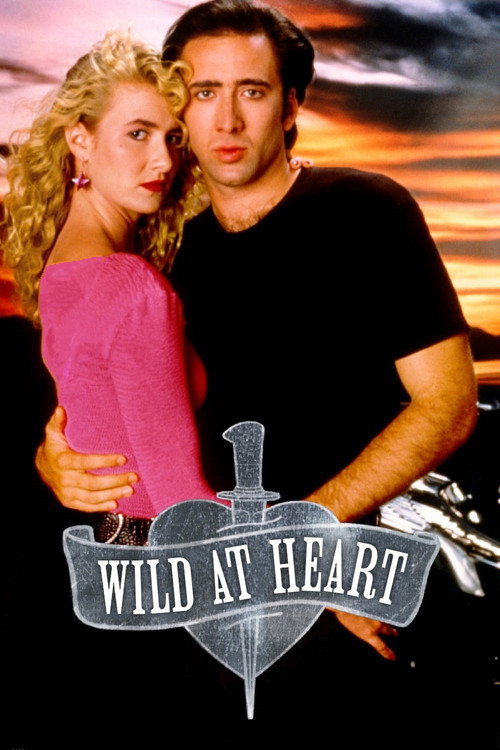
Wild at Heart1990
Cage and Dern as lovers fleeing violence across America. It's Lynch's most accessible film—violent, surreal, deeply weird, but held together by real affection between the leads. A fever dream of a road movie.
But If you don't like Lynch, this won't convert you. It's strange in ways that feel unmotivated if you're not on its wavelength. The violence is baroque and disturbing.
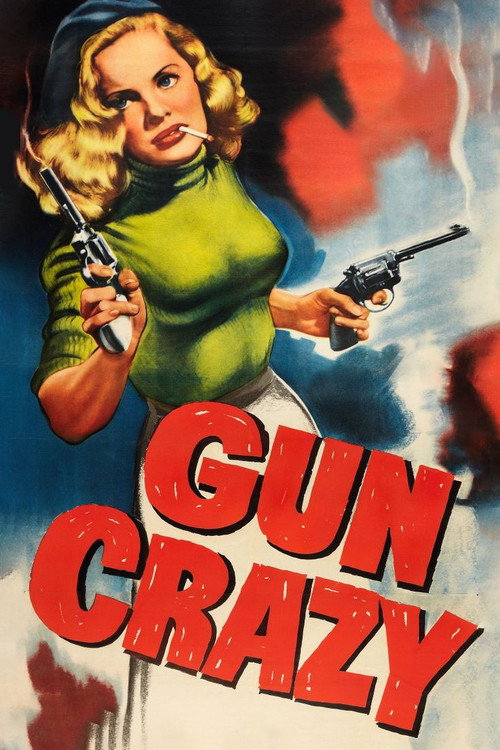
Gun Crazy1950
The grandfather of the outlaw couple film. Bart and Annie meet at a carnival and become bank robbers. It's the template everyone copied: romantic, reckless, doomed. Lean and fast, made on a budget.
But It's from 1950, and it shows. The acting is broad by modern standards, and the story is simple. You're watching it for the form, not deep character work.
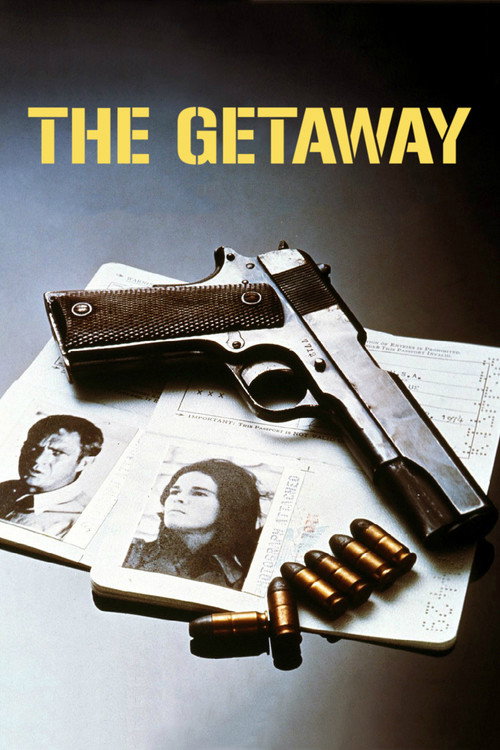
The Getaway1972
McQueen and MacGraw as a couple on the run after a heist goes wrong. Peckinpah's violent, cynical take on the genre. Fast, tough, stylish, and full of genuinely tense sequences.
But The violence is Peckinpah-brutal, and the film's view of women is dated in ways that are hard to ignore. McQueen is great, but MacGraw is sidelined.
A Prophet2009
Both trace how circumstances and relationships remake a person; Sugarland loves its couple, A Prophet observes its protagonist coldly.
A young man enters prison and transforms into a powerful figure through cunning and will. It's a crime story told from inside, methodical and tense. Tahar Rahim is extraordinary. The connection: both films watch how circumstance and love (or its absence) shape choices, how people become criminals through proximity and need.
But It's in French with subtitles, and prison brutality is explicit. The protagonist's moral descent is complete and unsentimental—there's no redemption.

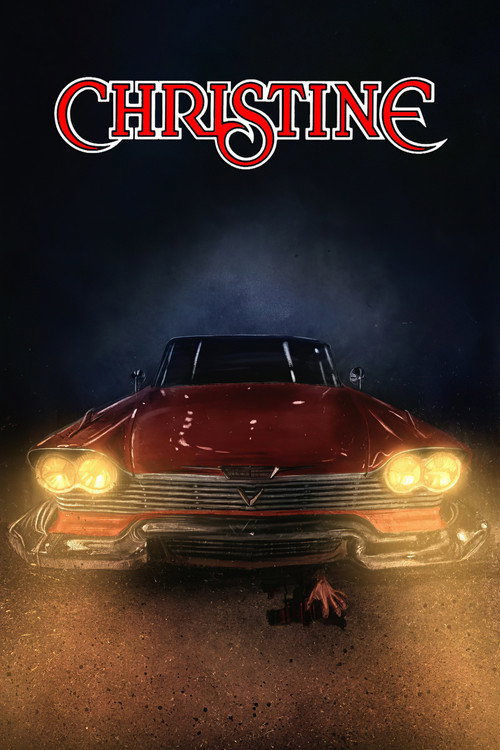
Christine1983
Both films explore how a single consuming attachment (to a person, to an object) can override everything else in a life.
Carpenter's film about a boy and his obsession with a car—a malevolent, beautiful machine. It sounds like genre trash, but it's oddly lyrical, about desire and the objects we love. Shot in Carpenter's cool, clean style. The connection: both films are about people consumed by one overwhelming bond at the expense of everything else.
But It's a horror film masquerading as a love story, and horror fans will find it too slow. The car-as-character concept sounds ridiculous, and it is.
People
Cast
 Goldie HawnLou Jean Poplin
 William AthertonClovis Poplin
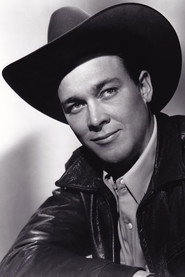 Ben JohnsonCaptain Tanner
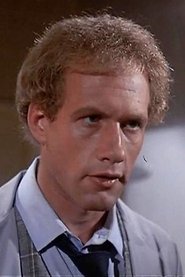 Michael SacksSlide
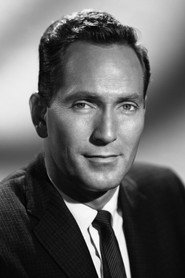 Gregory WalcottMashburn
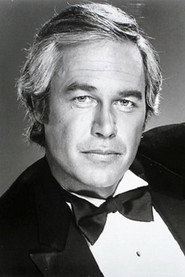 Steve KanalyJessup
 Louise LathamMrs. Looby
- Harrison ZanuckBaby Langston
- A.L. CampMr. Nocker
 Jessie Lee FultonMrs. Nocker
 Dean SmithRuss Berry
 Ted GrossmanDietz
Directing
- Steven SpielbergDirector
- James FargoFirst Assistant Director
- Ulla BourneScript Supervisor
- Tom JoynerSecond Assistant Director
Writing
- Hal BarwoodScreenplay
- Matthew RobbinsScreenplay
- Hal BarwoodStory
- Matthew RobbinsStory
- Steven SpielbergStory
Production
- Mike FentonCasting
- Shari RhodesCasting
- David BrownProducer
- Richard D. ZanuckProducer
- William S. GilmoreProduction Executive
- William S. GilmoreUnit Production Manager