
Film
The Twelve Chairs
- Comedy
- Light-hearted
Mel Brooks's 1970 caper comedy about three mismatched schemers hunting for jewels hidden in one of twelve chairs scattered across post-revolution Russia. It's anarchic and playful, full of physical gags and character absurdity, made for anyone who loves chaos masquerading as plot and doesn't mind a film that prioritizes laughs over coherence.
Should you watch it?
Watch it if you love Mel Brooks-style farce where greed, bad schemes and gleefully mismatched partners in crime keep a loose, rambling road-trip comedy bouncing along.
Skip it if you need tight plotting or a fast pace; this one wanders episodically from town to town, and its broad, mugging slapstick can feel labored for stretches.
What it asks of you: Roughly ninety-four minutes of loose, episodic travel with a cast that leans hard into big gestures, so it rewards patience more than close attention.
Not sure? Find tonight's pick in a minute.
If you liked this
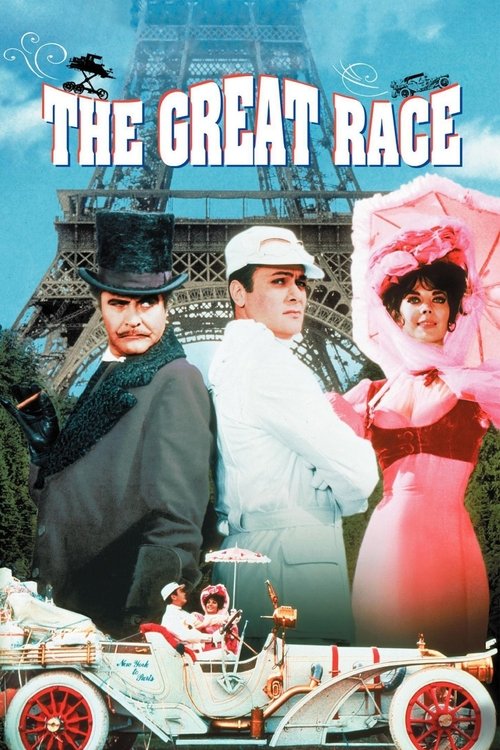
The Great Race1965
Blake Edwards's spectacular comedy adventure about a hero, villain, and leading lady chasing each other across continents and centuries. Same anarchic energy as Brooks, with elaborate set pieces and a cast committed to the chaos.
But It runs nearly three hours and the plot is genuinely thin—pure spectacle and slapstick, which is either your thing or it absolutely isn't.
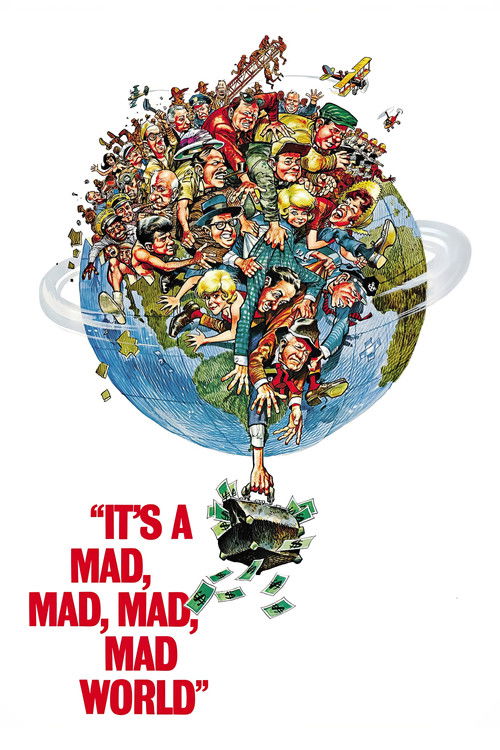
It's a Mad, Mad, Mad, Mad World1963
Ensemble cast madness about ordinary people racing to find buried treasure, full of physical comedy and bit players given big moments. The same vibe: multiple schemes, overlapping chaos, everyone failing spectacularly together.
But Also extremely long, and the humor is broad and repetitive. Some of it has dated awkwardly, particularly around women and minorities.
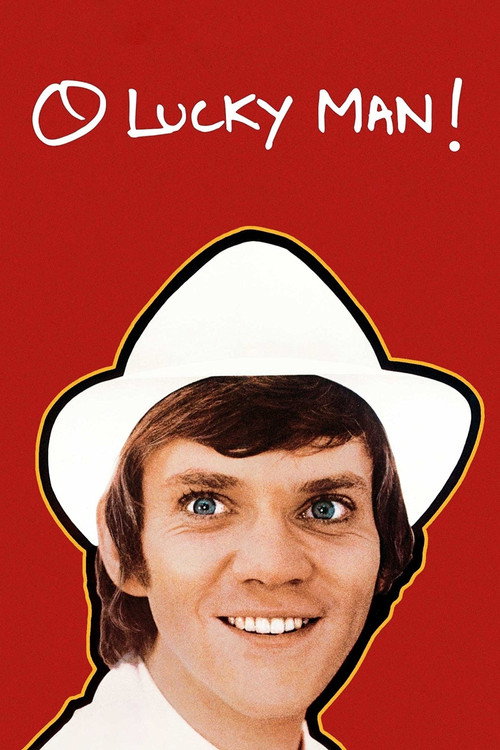
O Lucky Man!1973
Lindsay Anderson's surreal, episodic picaresque about an everyman conned and betrayed across England, with songs by Alan Price interrupting the action. Same sense that plot is an excuse for character bits and tonal lurches.
But It's genuinely weird and doesn't aim to please. The two-hour-plus runtime feels deliberately paced to test your patience.
Not sure tonight? Get a pick in a minute, starting from The Twelve Chairs
The wildcard
Something you would not have found on your own.
Stalker1979
Both are picaresques—journeys where the plot is movement toward a destination that may not matter. In Brooks it's chaos; in Tarkovsky it's introspection. Same structure, opposite registers.
Andrei Tarkovsky's extraordinary slow-burn science fiction about a guide leading two men into a mysterious zone to find a room granting wishes. Chamber piece structure, philosophical depth, patient cinematography—utterly hypnotic if you surrender to its pace.
But It's nearly three hours of people walking and talking, with minimal plot movement. A test of patience; if you expect narrative momentum, this will bore you to tears.

More like this (8)
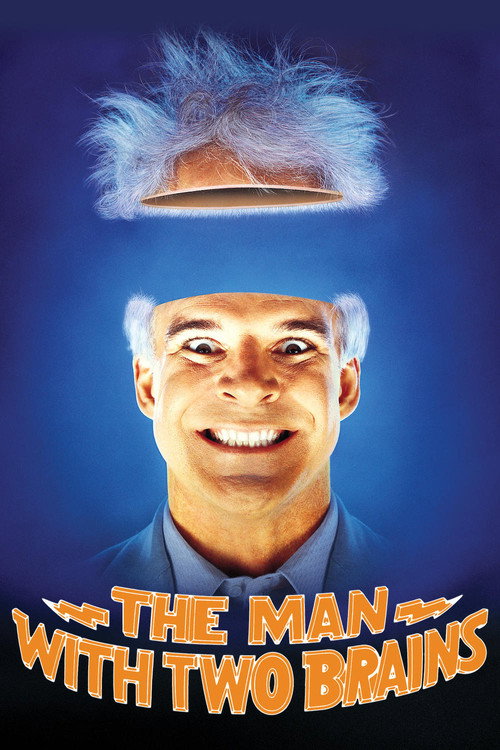
The Man with Two Brains1983
Steve Martin and Carl Reiner reunite for a comedy about a neurosurgeon, a femme fatale, and a brain in a jar. Silly without apology, committed to absurdism over plot logic, with a cast that gets the joke.
But The humor is aggressively dumb in places, and if you don't find the premise inherently funny, nothing here will convince you.
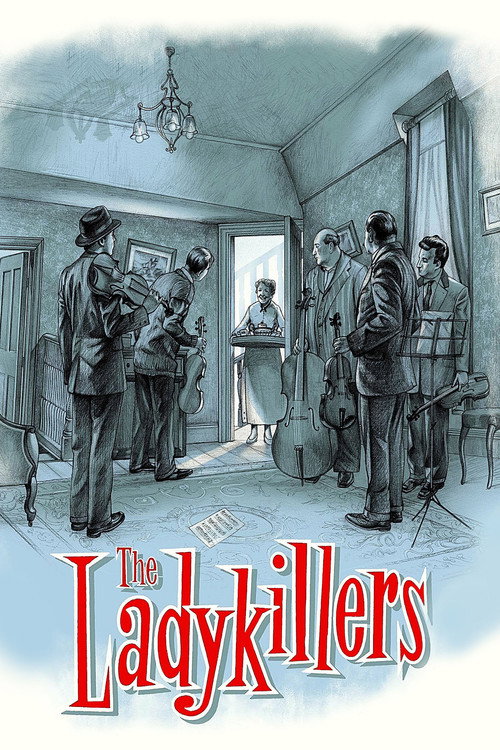
The Ladykillers1955
Ealing Studios comedy about five criminals posing as musicians to rob a bank, undone by a sweet elderly landlady. Caper structure, excellent ensemble cast playing slightly heightened characters, sharp dialogue mixed with physical comedy.
But The pacing is very different from Brooks—slower, drier. Some will find it refined rather than funny; others will find it precious.
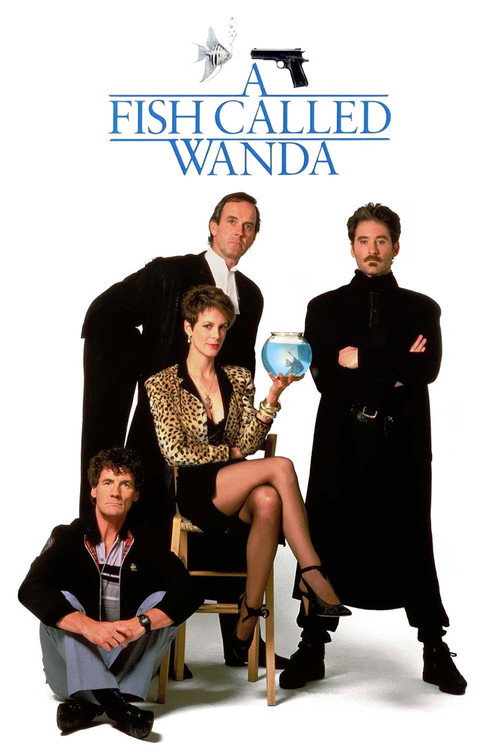
A Fish Called Wanda1988
Crime caper with crackerjack dialogue, physical comedy, and a game cast (including a trained octopus). Perfect balance of absurdism and real plot momentum, characters who are ridiculous but not cartoons.
But It's darker and nastier than Brooks. There's genuine cruelty mixed in with the laughs, which gives it edge but not warmth.
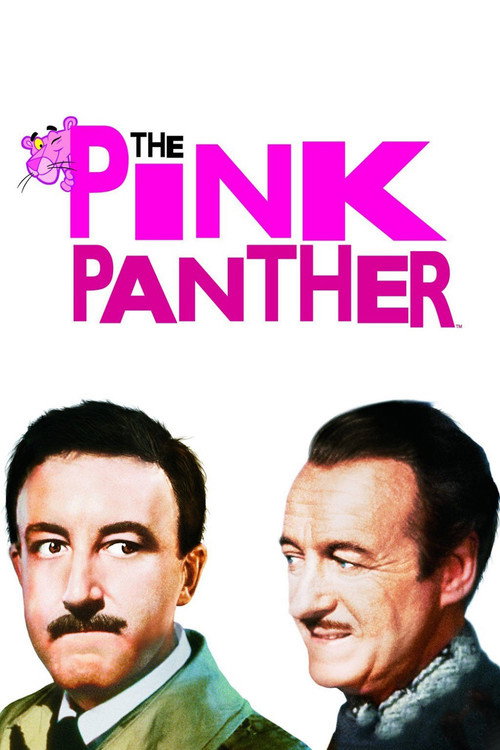
The Pink Panther1963
Blake Edwards and Peter Sellers's masterclass in physical comedy about a bumbling inspector while a jewel heist unfolds around him. Chaos generating from character rather than plot, every scene a setup for a gag.
But The humor is very of its era—sometimes it lands almost silently, which modern audiences sometimes read as slow. Sellers's accent is genuinely annoying to some people.
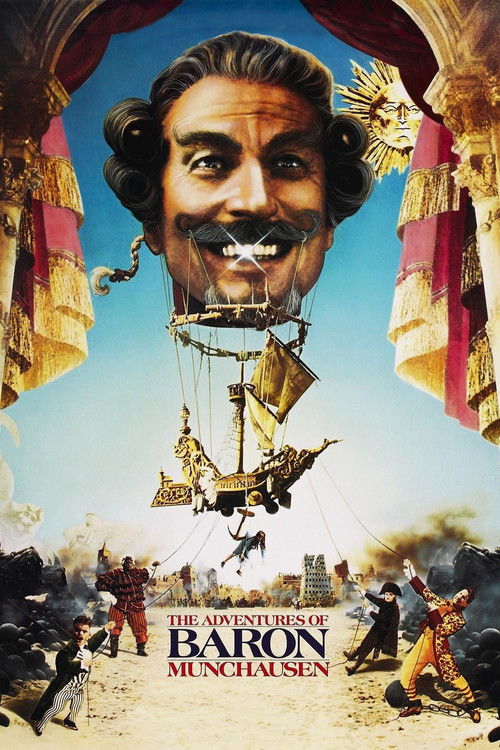
The Adventures of Baron Munchausen1988
Terry Gilliam's visual extravaganza about an old con artist spinning impossible tales to a bored city under siege. Absurdist plotting, character-driven chaos, gorgeous production design that makes every frame worth watching.
But Gilliam's indulgence shows—it's bloated and occasionally loses the thread. The humor is fanciful rather than laugh-out-loud, which can feel precious.
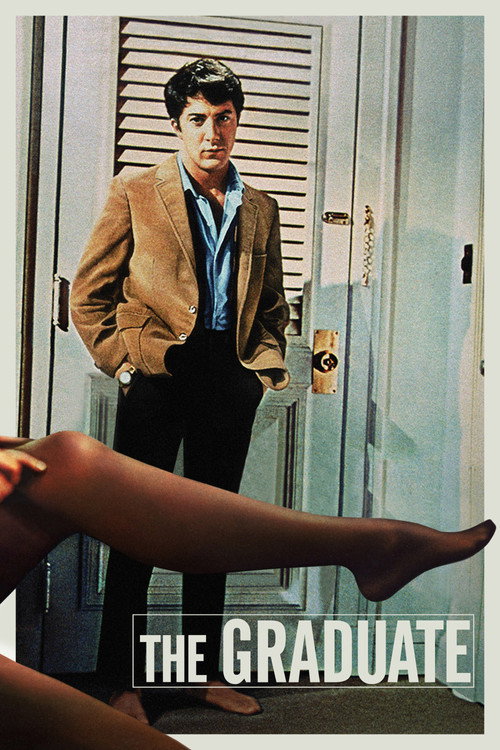
The Graduate1967
Mike Nichols's tragicomedy about a young man seduced by an older woman, then falling for her daughter, then driving cross-country to stop a wedding. Tonal brilliance—funny and anxious and romantic all at once, with a killer soundtrack.
But It's more earnest than Brooks, and the humor serves character and theme rather than the reverse. If you want pure fun, this might feel slight and precious.
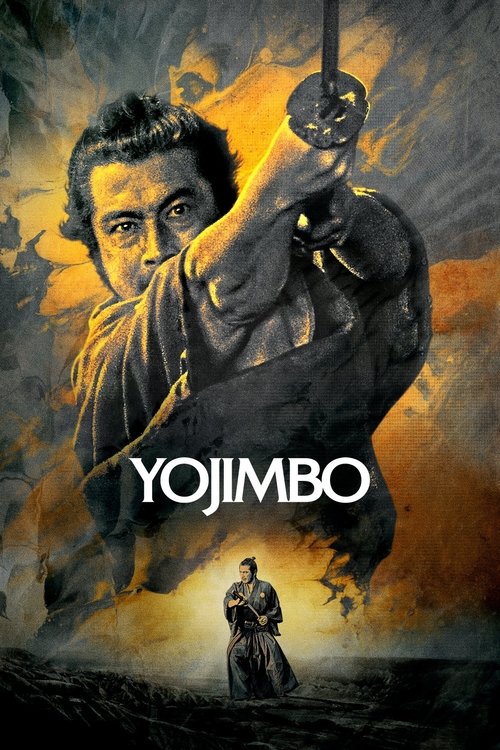
Yojimbo1961
Both feature a con artist leading a ragtag crew toward a goal they probably won't reach. Both find humor in schemes unraveling. But Kurosawa plays it with lethal grace; Brooks plays it as cartoon anarchy.
Kurosawa's brilliant samurai comedy about a wandering swordsman who plays two gangs against each other for profit. Hilarious and carnivorous—a con artist protagonist with honor, slapstick mixed with real violence, character-driven chaos.
But It's a samurai film, so there's genuine bloodshed. Some find the humor at odds with the carnage rather than complementary. Subtitles required, and the pacing is leisurely.
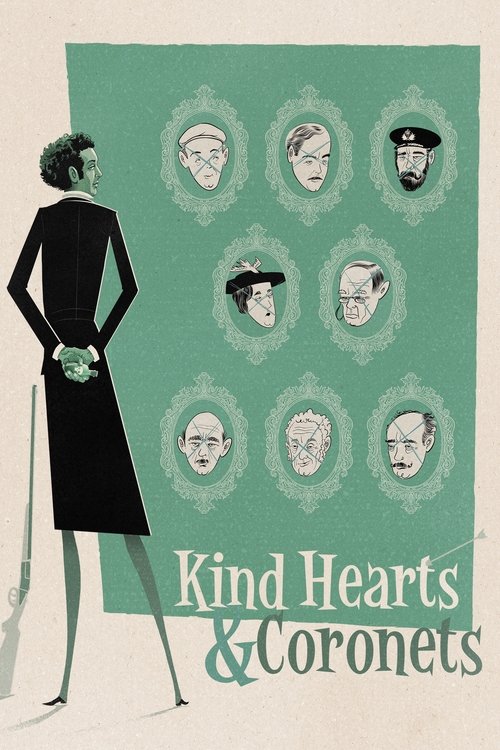
Kind Hearts and Coronets1949
Both are ensemble capers about characters pursuing greed in a chaotic world. Both feature multiple schemes overlapping. But where Brooks embraces disorder, Kind Hearts maintains absolute control—same DNA, opposite temperament.
Ealing masterpiece: Alec Guinness plays eight roles, all heirs to a dukedom, killed one by one by a distant relative seeking inheritance. Wickedly black comedy, perfect plotting, a game cast, every frame polished and exact.
But It's post-war British, so the humor is dry as bone—deadpan assassination rather than slapstick. Extremely controlled, which some find stuffily elegant, others find cold.
People
Cast
 Ron MoodyIppolit Vorobyaninov
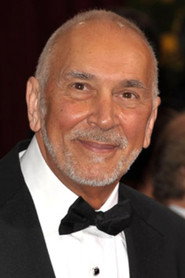 Frank LangellaOstap Bender
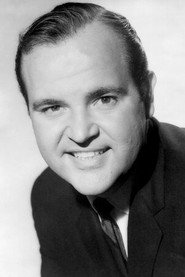 Dom DeLuiseFather Fyodor
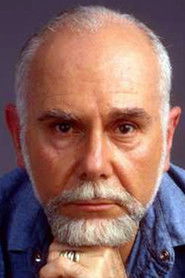 Andréas VoutsinasNikolai Sestrin
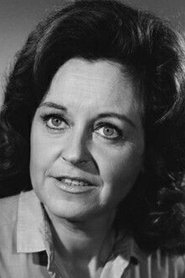 Diana CouplandDiana Coupland
 Mel BrooksTikon
- David LanderEngineer Bruns
- Vlada PetrićSevitsky
- Elaine GarreauClaudia Ivanovna
 Robert BernalCurator
- Will StampeNight Watchman
 Bridget BriceYoung Woman
Directing
- Bahrudin 'Bato' ČengićAssistant Director
- Mel BrooksDirector
- Mihajlo ĆirinSecond Assistant Director
- Peter AndersonSecond Assistant Director
- Raf Radoje VilotijevicSecond Assistant Director
Writing
- Ilya IlfNovel
- Yevgeni PetrovNovel
- Mel BrooksScreenplay
Production
- Sidney GlazierExecutive Producer
- Michael HertzbergProducer
- Ronald H. GilbertProducer