
Film
Short Eyes
- Prison
- Social drama
- Very dark
A harrowing 1977 prison drama where a man accused of child molestation enters New York's notorious Tombs jail and faces brutal retribution from inmates. Shot with documentary realism and cast largely with non-actors, it's unflinching about violence, moral complexity, and the code of the imprisoned. For viewers seeking cinema that refuses easy answers.
If you liked this
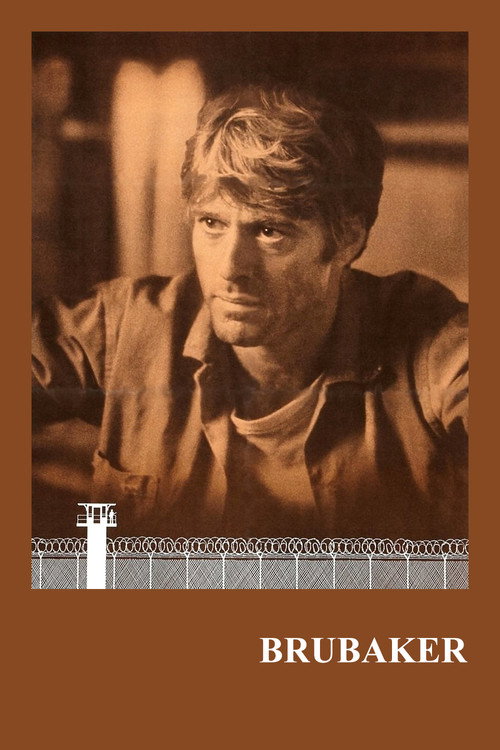
Brubaker1980
Paul Newman infiltrates a prison to expose corruption from within. Sharp, procedural, and genuinely angry about systemic cruelty without ever becoming sanctimonious. A masterclass in suspenseful social cinema.
But The pacing is deliberate and the heroics are muted. If you want a conventional underdog victory, you'll be disappointed.
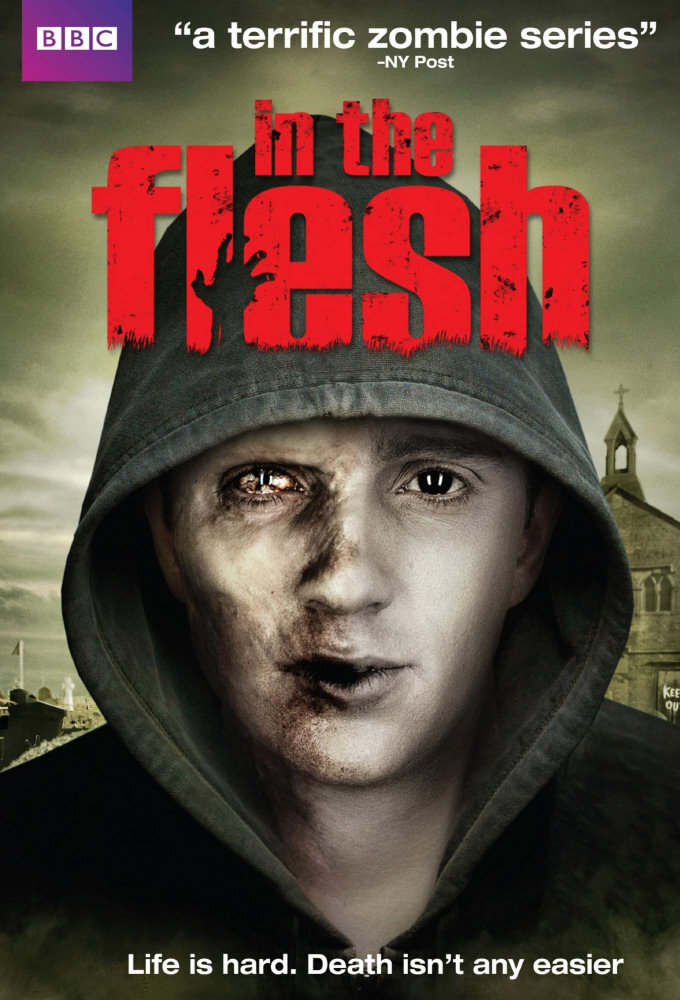
In the Flesh2013
A miniseries about a young man returning from the dead as a zombie and facing village hatred. It's a horror premise used to examine prejudice, fear, and whether societies allow for redemption. Surprisingly moving and morally rigorous.
But The zombie plot takes a back seat to character and social commentary. Horror fans expecting scares will find only dread.
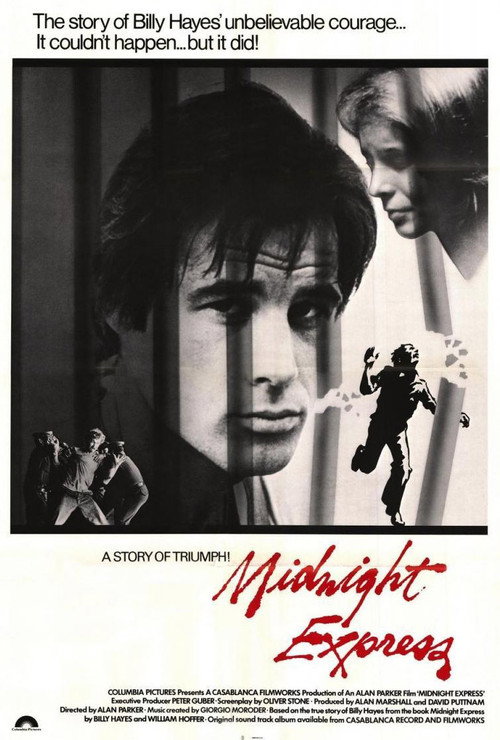
Midnight Express1978
An American student imprisoned in a Turkish jail faces systemic dehumanization and psychological collapse. It's brutal and sometimes exploitative, but Sinclair's descent into desperation is genuinely harrowing and impossible to forget.
But The film makes a political point through an American protagonist, which feels dated. Some scenes rely on lurid stereotyping to get their punch.
Not sure tonight? Get a pick in a minute, starting from Short Eyes
The wildcard
Something you would not have found on your own.
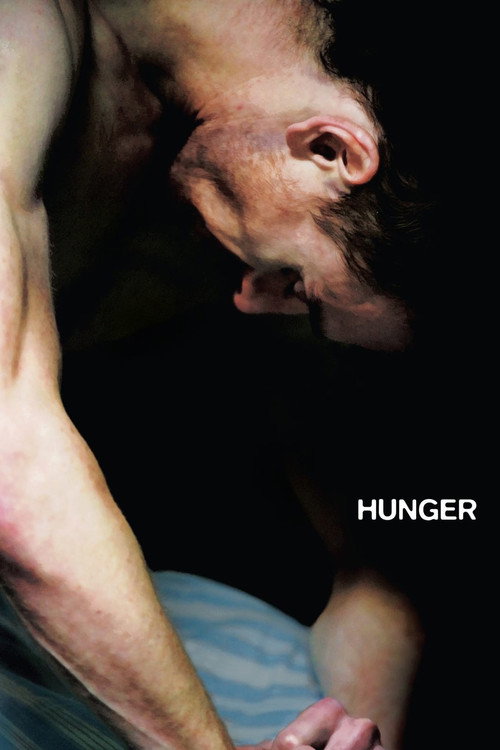
Hunger2008
Both films place you inside an institutional cell block and force you to reckon with why a man might choose suffering or rebellion over compliance, using the prison space itself as a kind of character.
Steve McQueen's first film follows an IRA prisoner in a Maze Prison strike from the perspective of guards, other inmates, and finally the striker himself. It's formally radical—long static takes, sudden violence, a 17-minute single-scene conversation—and unflinching about why men choose suffering. Visually and morally uncompromising.
But The pacing is glacial and can feel punishing. There's no conventional narrative, just immersion in a moral and physical crisis. McQueen the director is not interested in your comfort.
More like this (8)
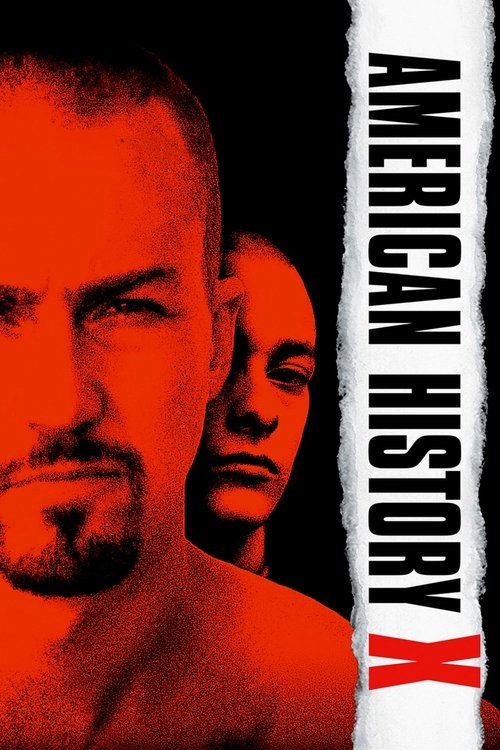
American History X1998
A former white supremacist tries to prevent his younger brother from following the same path. It confronts radicalization and violence head-on with unflinching specificity, and Edward Norton is remarkable playing a man learning to undo himself.
But The film's graphic violence sometimes seems designed to shock rather than illuminate. The third act feels didactic and conflicts with the moral ambiguity earlier.
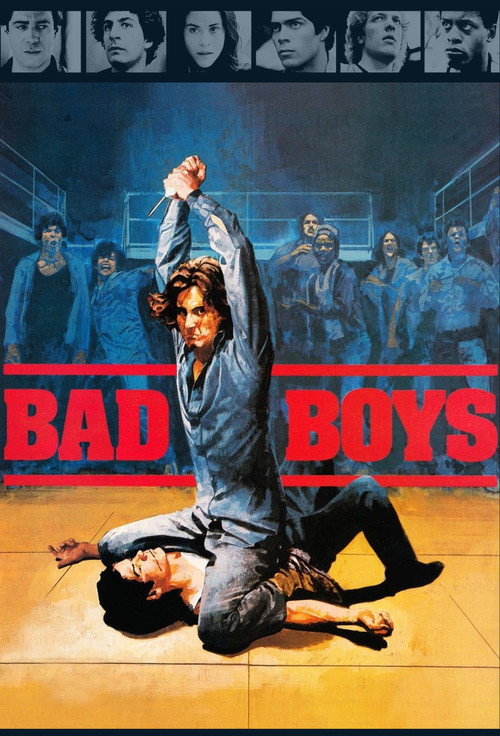
Bad Boys1983
Two young offenders in a Chicago detention facility navigate rival gangs and predatory staff. It's raw, physical filmmaking that captures the claustrophobia and hypermasculinity of institutional life without flinching or moralizing.
But Shot on video and intentionally grimy. The violence is persistent and often sexual in nature, which is difficult by design.
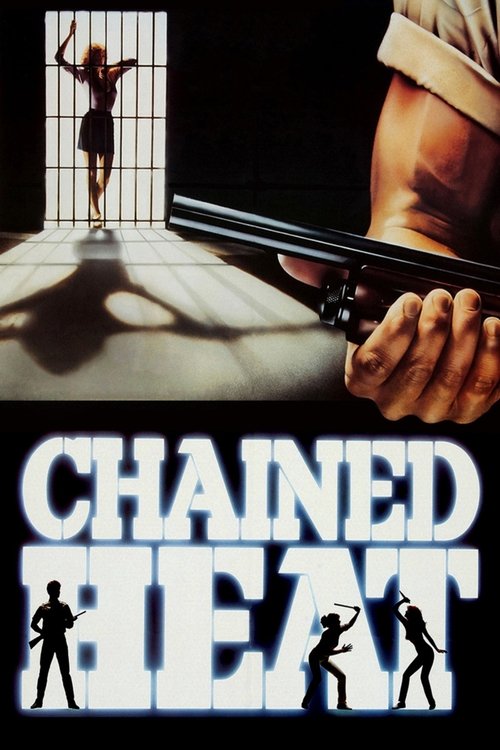
Chained Heat1983
A woman's prison drama with genuine social concern beneath its exploitation film surface. It's pulpy and wild, but it takes its female characters seriously and lets them be complex in ways mainstream cinema didn't yet.
But It's genuinely sexploitative—the camera loves the female body in distress. Some will see social critique; others will see cynical titillation.
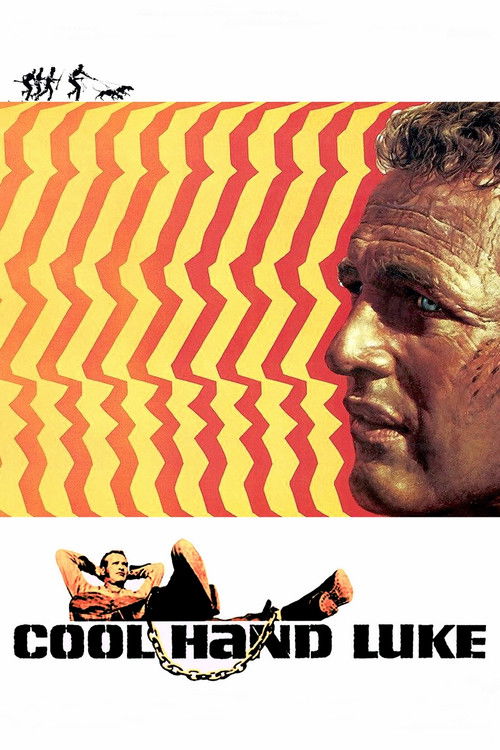
Cool Hand Luke1967
Paul Newman in a Southern chain gang, resisting authority through humor and defiance. It's a classic of American cinema, visually beautiful, and gets at something true about why men choose rebellion even knowing the cost.
But The symbolic and spiritual dimensions are heavy-handed by modern standards. The film's nostalgia for its own mythology can feel airless.
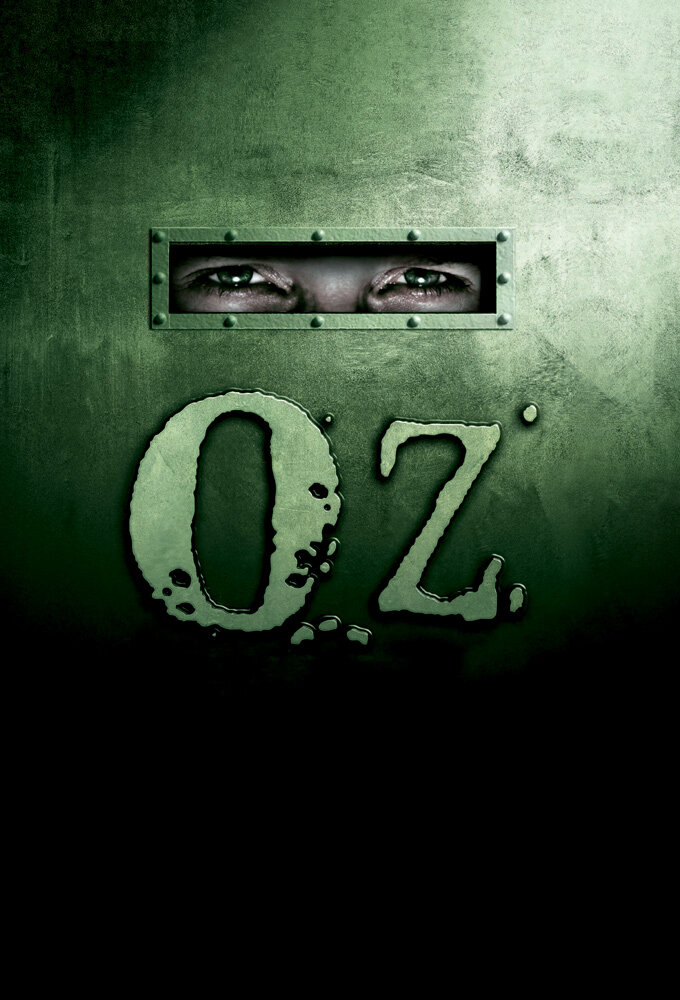
Oz1997
An HBO series set in a maximum-security prison where every character is a full person with history and contradiction. It's exhaustingly detailed, morally messy, and treats the incarcerated as human beings navigating systems designed to break them.
But It's extremely violent and graphic, and the bleakness is relentless with almost no relief. Six seasons is a significant commitment to sustained grimness.
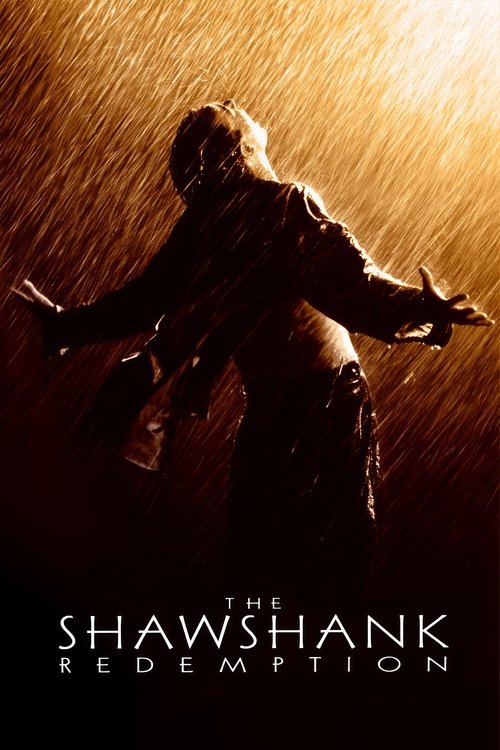
The Shawshank Redemption1994
Two men form a bond in a corrupt Southern prison and quietly plan escape through patience and ingenuity. It's beautifully crafted, emotionally resonant, and has the rare quality of actually improving upon rereading.
But Its inspirational warmth and ultimate redemption may feel like a betrayal if you're looking for the unsparing realism Short Eyes offers. It's populist cinema in the best and most conventional sense.
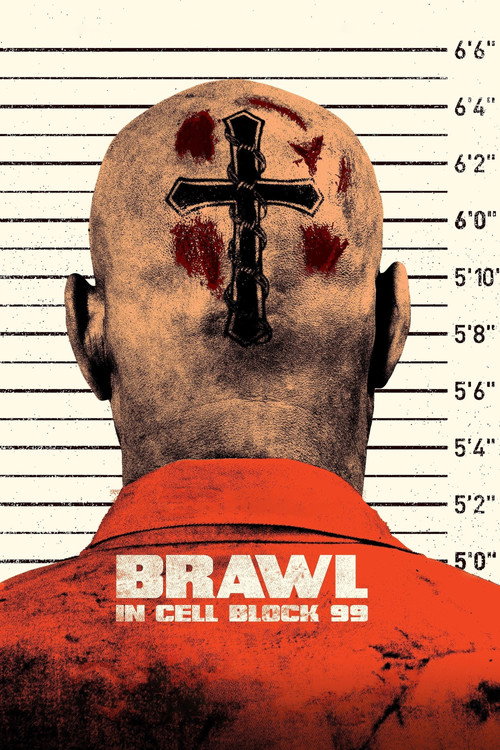
Brawl in Cell Block 992017
Like Short Eyes, it's structured around an innocent or sympathetic man navigating prison codes and the casual violence that comes from institutional dehumanization. Both refuse to let you comfortably choose sides.
Vince Vaughn plays a man imprisoned and drawn into prison violence to protect his wife outside. It's deliberately paced, almost meditative in its violence, and structured around the logic of honor and protection rather than plot. Vaughn delivers a surprisingly complex performance.
But The violence is graphic and sometimes gratuitous, prolonged in ways that seem designed to test patience. It's a film about broken men in broken systems, not a celebration of them.
La Haine1995
Both films examine how institutions—prisons, police, society itself—mark certain bodies as disposable and how men navigate systems designed to destroy them. Short Eyes is literal incarceration; La Haine shows how marginalization is its own prison.
Three young men from a Paris housing project navigate a city that criminalizes them simply for existing. Shot in black-and-white with energy and style, it captures claustrophobia and rage without needing to enter a prison—because the whole system is the cell. Mathieu Kassovitz's filmmaking is alive in every frame.
But It's in French and formally experimental, flipping images and playing with sequence. The style can feel mannered if you're not in sync with its energy, and the ending is deliberately ambiguous in a way that may frustrate.

People
Cast
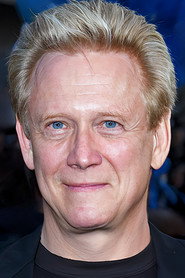 Bruce DavisonClark Davis
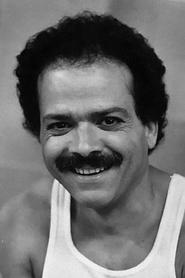 José PérezJuan
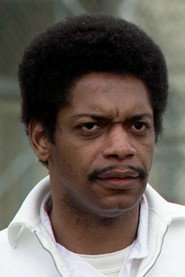
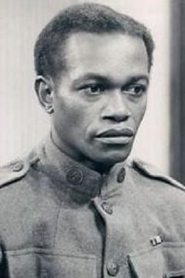 Don BlakelyEl Raheem
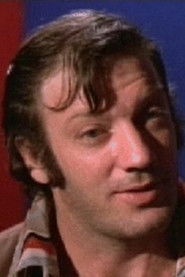 Tony DiBenedettoTony
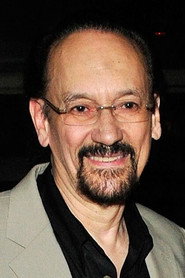 Shawn ElliottPaco
- Tito GoyaCupcakes
- Kenny StewardOmar
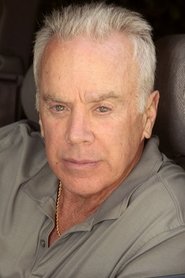 Joseph CarberryLongshoe
 Bob MaroffMr. Nett
- Keith DavisMr. Brown
 Luis GuzmánInmate
Directing
- Robert F. ColesberryAssistant Director
- Robert M. YoungDirector
Writing
- Miguel PiñeroWriter
Production
- Chester FoxProduction Coordinator
- Joe BabasProduction Designer