
Film
Welcome to Sarajevo
Welcome to Sarajevo follows foreign journalists navigating the brutal siege of Sarajevo in the 1990s, where the distance between reportage and moral involvement collapses. It's a war film that won't let you hide behind the press pass—intimate, angry, built on the conviction that bearing witness isn't enough. For anyone capable of being shaken by proximity to real suffering.
Should you watch it?
Watch it if you want a war drama built on moral argument and ethical unease rather than battle, and you are drawn to stories where a decent person's conscience is pulled in two directions by the people around them.
Skip it if you need the Bosnian war handled with restraint and you find a film that lingers on a single real atrocity-adjacent crisis hard to sit through, or you want the story to move briskly from scene to scene.
What it asks of you: Around a hundred and three minutes, it stays patient and talky, with long stretches of reporters arguing in hotel rooms and streets under fire, so bring steady attention rather than expecting a quick hit.
Not sure? Find tonight's pick in a minute.
If you liked this
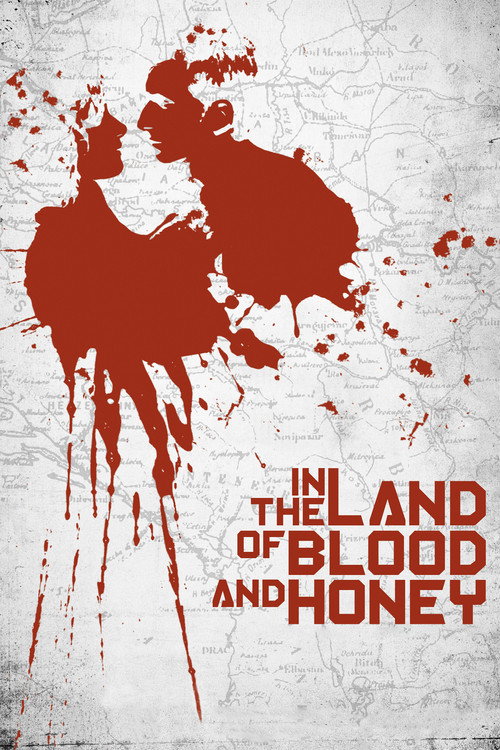
In the Land of Blood and Honey2011
Angelina Jolie's directorial debut about forbidden love amid the Bosnian War. Unflinching about the machinery of ethnic violence while centering the humanity of those caught inside it. A less journalistic but equally committed perspective on the same conflict.
But Melodrama elements sit uneasily beside atrocity. Some scenes feel dramatically constructed in ways real life isn't, and the romance at its core may feel slight against the scale of the tragedy.
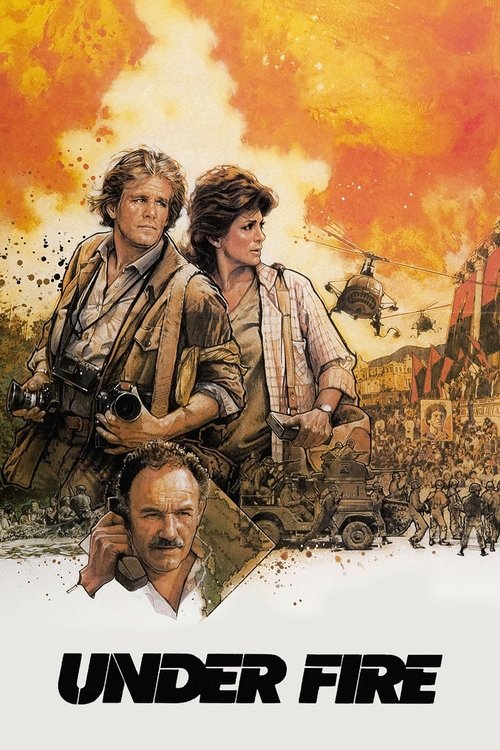
Under Fire1983
Gene Hackman as a photojournalist in Nicaragua forced to choose between neutrality and survival. Older and less polished than Sarajevo, but it understands the same trap: you can't photograph suffering without becoming implicated in it. A moral question wrapped in genuine thriller tension.
But Pacing feels deliberate and occasionally slow by modern standards. The political context is now unfamiliar to most viewers, which softens its urgency.
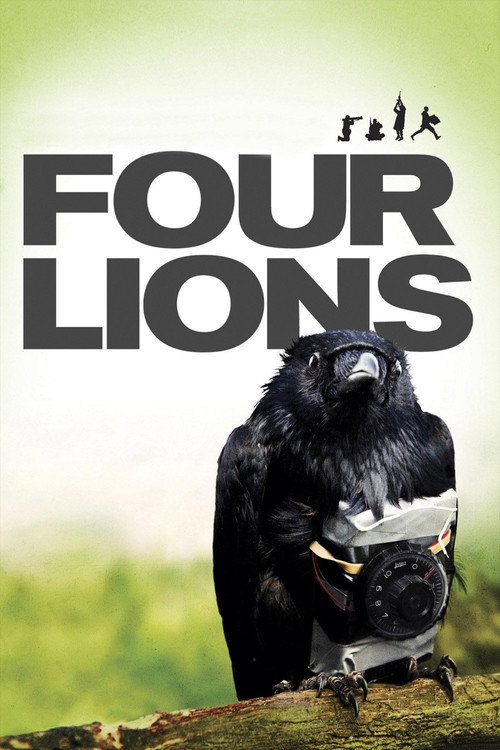
Four Lions2010
Chris Morris's film about bumbling British jihadists ricochets between farce and horror—it's about ideology, stupidity, love, and how easily people become monsters or heroes depending on the angle. Completely different mood but the same refusal to let the viewer off the hook morally.
But The tonal whiplash from comedy to tragedy will alienate viewers wanting clarity about what they're supposed to feel. Its darkest jokes landed better in 2010 than now.
Not sure tonight? Get a pick in a minute, starting from Welcome to Sarajevo
The wildcard
Something you would not have found on your own.
Come and See1985
Both films place an outsider—someone with a camera or a conscience—inside a war zone and refuse to let them, or the viewer, retreat into safe spectatorship. Neither film believes in the press pass as a moral shield.
Elem Klimov's Soviet masterpiece follows a boy conscripted into WWII Belarus. It's the closest cinema comes to showing what war actually does to a human nervous system. Like Sarajevo, it watches Western or educated consciousness confronted with industrial-scale suffering, but it goes further—a film that rewires your brain.
But Genuinely traumatic. It's not entertainment or even really art in a reassuring sense—it's testimony. The final images are designed to haunt you. Some viewers report not being able to finish it.

More like this (5)
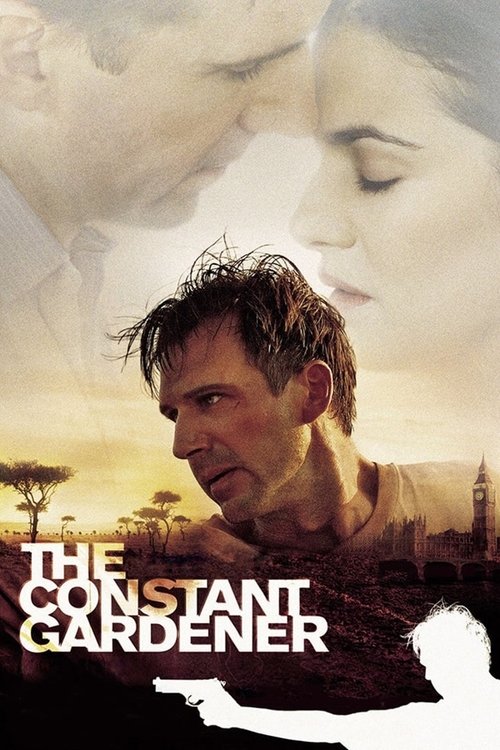
The Constant Gardener2005
Ralph Fiennes as a naive diplomat's husband investigating his wife's murder across Africa. Like Sarajevo, it's about the collision between privileged outsiders and violent realities. Taut, beautiful, angry in a way that builds across its runtime.
But The script occasionally tips into lecture mode about pharmaceutical industry crimes. Some viewers find it didactic rather than dramatic.
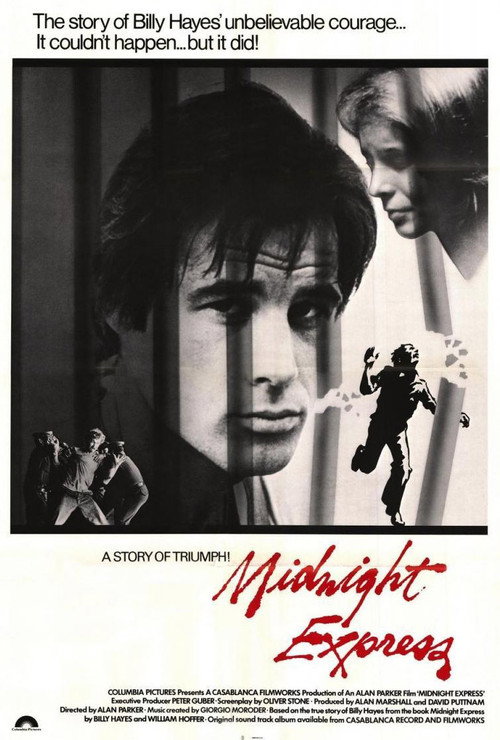
Midnight Express1978
Brad Davis in a visceral, uncompromising film about an American jailed in Turkey for drug smuggling. It burns with the same sense of a Western consciousness colliding with a world that doesn't care about his entitlements. A generation earlier, same moral machinery.
But Extremely violent and sexually brutal. It's a trauma film that never lets up, and the historical accuracy of its depiction of Turkish prisons is contested—some see it as exploitation masquerading as truth.
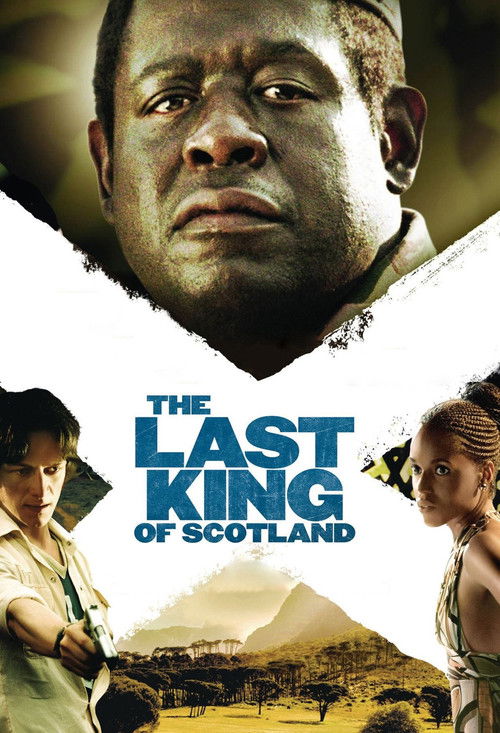
The Last King of Scotland2006
James McAvoy as a Scottish doctor seduced by proximity to power under Idi Amin. It knows how charisma and horror coexist, how complicity sneaks up on the well-intentioned. A portrait of a man discovering he has no moral center until it's too late.
But McAvoy's character is infuriating because he's meant to be, but some viewers just find him irritating to spend two hours with. The violence, when it comes, is shocking.
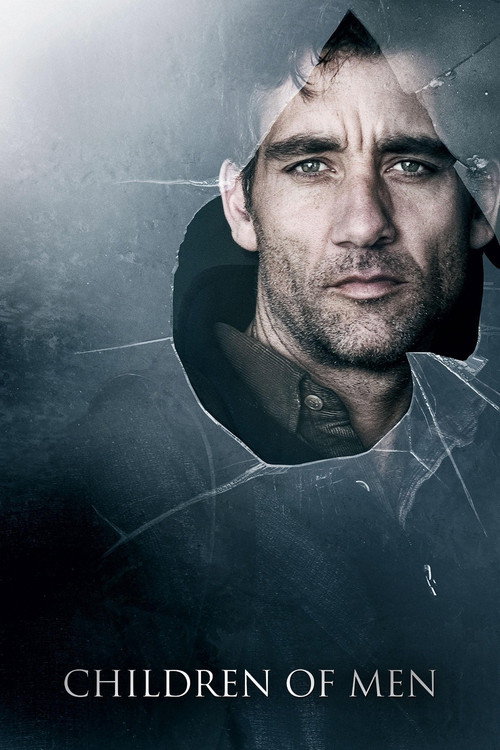
Children of Men2006
Cuarón's vision of a collapsing world where one woman is pregnant in a infertile age. Not about war directly, but about journeys through hostile space, about journalism and documentation under siege, about whether bearing witness changes anything. Visually extraordinary.
But Bleak to the point of suffocation. The long takes and lack of music can feel punishing rather than powerful, and it offers no resolution to anything.
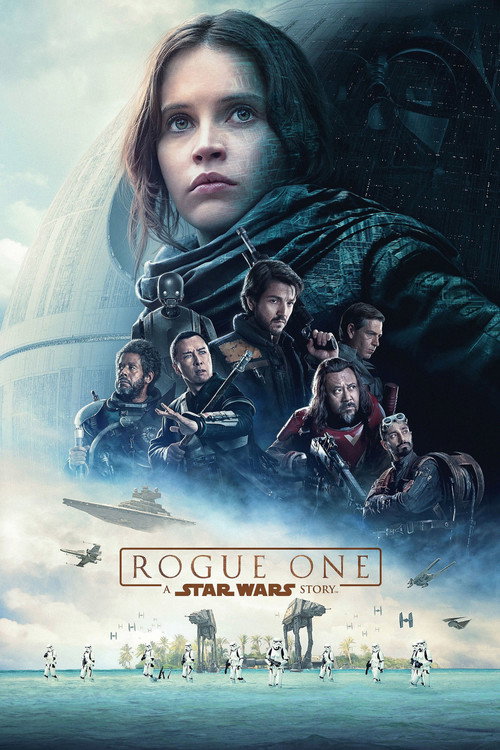
Rogue One: A Star Wars Story2016
Both films are about journalists trying to do right in situations where right is impossible. But this one breaks narrative form itself to show that crisis—it doesn't trust the smooth arc of a drama to convey actual chaos.
Spanish filmmaker tells the story of journalist Manuel Rico investigating crime in Latin America, moving between journalism and fiction, between his obsession and his ethics. It's a formal experiment about the impossible position of bearing witness—how you preserve your humanity while documenting inhumanity, how narrative lies even when you're trying to tell the truth.
But Deliberately fragmented and non-linear. If you want clarity about what happened and why, you won't get it. It's about the impossibility of clarity, which some find more interesting than infuriating.
People
Cast
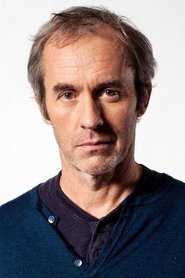 Stephen DillaneMichael Henderson
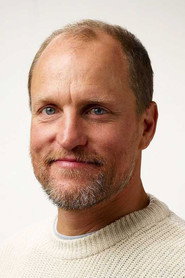 Woody HarrelsonFlynn
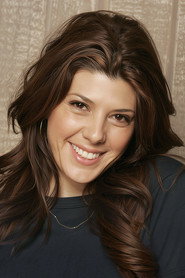 Marisa TomeiNina
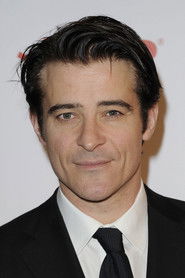 Goran VišnjićRisto Bavić
- Emira NuševićEmira
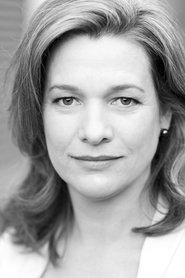 Kerry FoxJane Carson
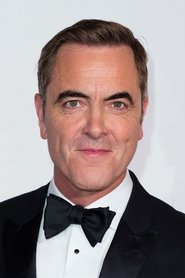 James NesbittGregg
 Emily LloydAnnie McGee
- Igor DžambazovJacket
- Gordana GadžićMrs. Savić
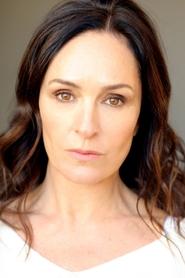 Juliet AubreyHelen Henderson
- Dražen ŠivakŽeljko
Directing
- Michael WinterbottomDirector
- Susanna LentonScript Supervisor
Writing
- Frank Cottrell BoyceScreenplay
- Michael NicholsonWriter
Production
- Alex NikolicCasting
- Billy HopkinsCasting
- Kerry BardenCasting
- Simone Pereira HindCasting
- Vanessa PereiraCasting
- Paul SaronyLine Producer
- Damian JonesProducer
- Graham BroadbentProducer
- Ismet ArnautalićProducer
- Ivo SunjicProducer
Recommended by
The Killing Fields, Salvador, Under Fire, A Prayer for Rain, Mardaani, The Hunting Party