
Film
Fortune and Men's Eyes
- Social drama
- Prison
- Very dark
A brutal 1971 prison drama adapted from a stage play, unflinching about the sexual and social hierarchies that emerge behind bars. It's a chamber piece about power, vulnerability, and survival—claustrophobic, angry, and difficult to watch, but with real conviction. For those seeking cinema that doesn't look away from human cruelty.
Should you watch it?
Watch it if you want a prison drama built on talk and tension rather than action, and can sit with raw, uncomfortable power dynamics between men locked together.
Skip it if the subject is coercion rendered without relief, and the film's stagey, talky rhythm can feel airless if you want release or a story that moves outward.
What it asks of you: Nearly all of it unfolds in one cramped prison setting, slow to build and dialogue-heavy, so hold your attention on faces and words rather than set pieces.
Not sure? Find tonight's pick in a minute.
If you liked this
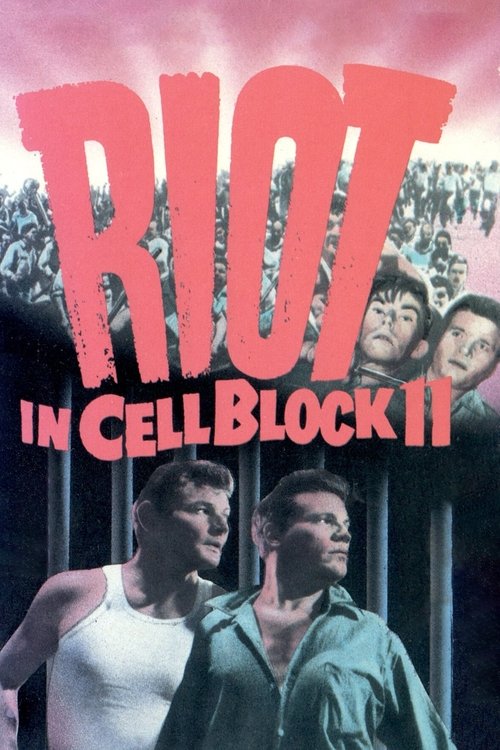
Riot in Cell Block 111954
A foundational prison film that treats inmates as people first. It has the same urgent, documentary-like approach to institutional brutality, and the same refusal to sentimentalize its characters.
But It's in black and white and moves at 1950s pace—slower burns won't grab you immediately, and the social concerns feel dated to some viewers.
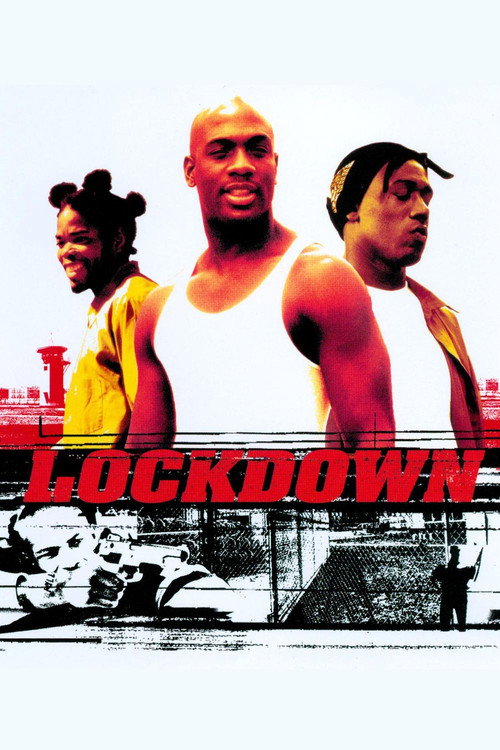
Lockdown2000
Jean-François Richet's film about a single day in a Parisian prison. The same claustrophobic intensity, the same unflinching look at the hierarchies and violence that breed in confined spaces.
But It's relentlessly grim without the character development to ground it—for some, it tips into exploitation rather than examination.
A Prophet2009
Jacques Audiard's masterpiece about a young man's transformation in prison, tracking his power, his alliances, his corruption. Far more sophisticated, but spiritually in the same place.
But It's nearly two and a half hours and French, which some find a barrier—and it's less an indictment of prison than a portrait of a born operator.

Not sure tonight? Get a pick in a minute, starting from Fortune and Men's Eyes
The wildcard
Something you would not have found on your own.
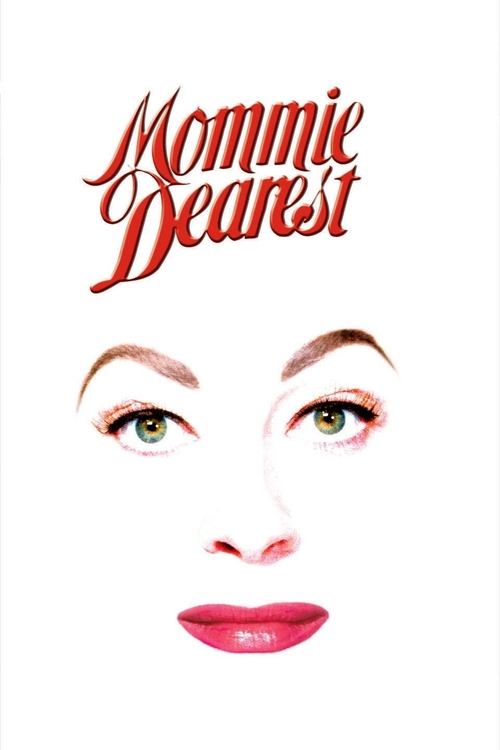
Mommie Dearest1981
Both anatomize how power operates in enclosed spaces; how the dominant reshape the vulnerable; how survival requires performing servitude.
Faye Dunaway as Joan Crawford: a study of absolute power and its sexual, psychological corruption within a confined domestic hierarchy. Both films are about how power feeds on vulnerability in spaces where escape is impossible. The register is wildly different—camp melodrama instead of documentary grit—but the anatomy of domination and submission is identical.
But It's a very 1980s film, with acting that swings toward the theatrical. The domestic setting might feel frivolous if you come looking for prison.
More like this (6)
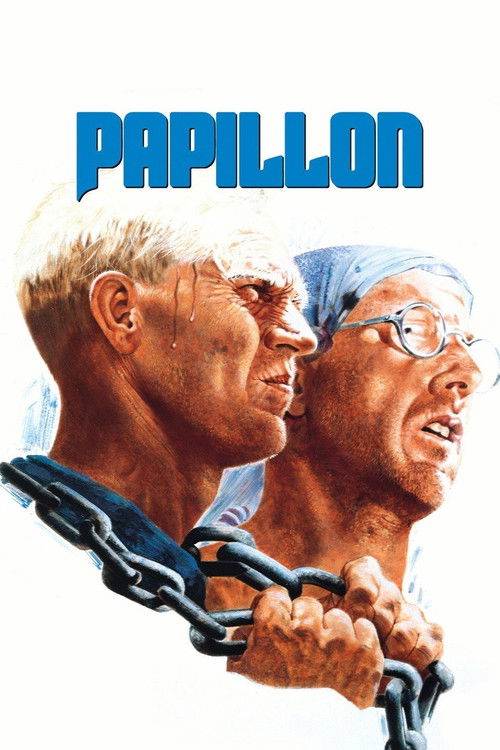
Papillon1973
Steve Reeves and Dustin Hoffman in a brutal escape narrative. Serious about prison degradation, unserious about anything else—it's survival adventure with a dark heart.
But The plot sometimes overshadows the psychological investigation. And its romanticism about escape might feel like a dodge compared to Fortune's inescapable dread.
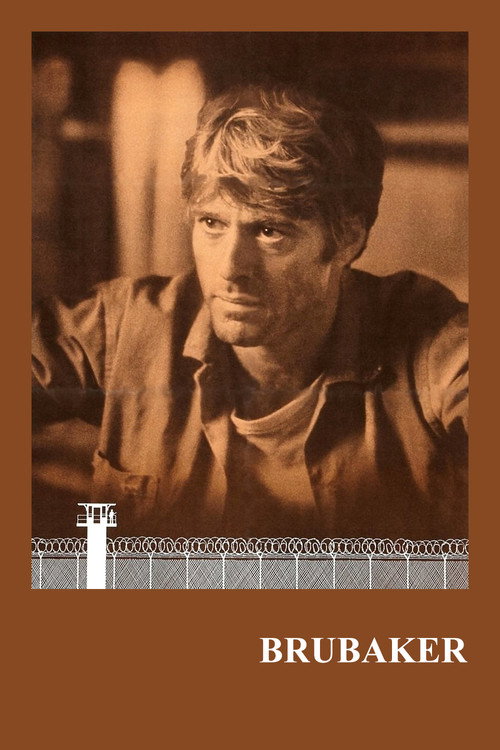
Brubaker1980
Robert Redford infiltrates a Southern prison to expose systemic corruption. A more conventional film, but genuinely angry about institutional dehumanization in ways that echo Fortune.
But It's more a procedural thriller than a character study—the social purpose sometimes crowds out the human detail you want.
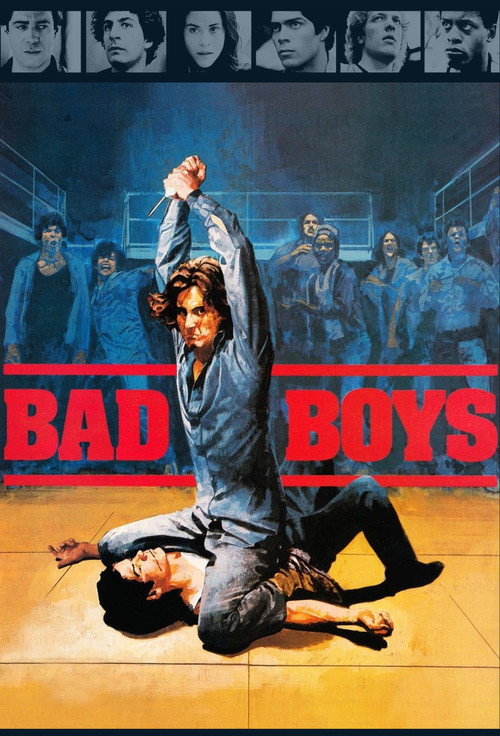
Bad Boys1983
A ferocious, low-budget film about a young man in a Chicago detention centre. Raw, violent, and so committed to its world that it feels like documentary.
But It's obscure and grainy, with performances that take getting used to. The degradation is relentless and can feel punishing rather than purposeful.
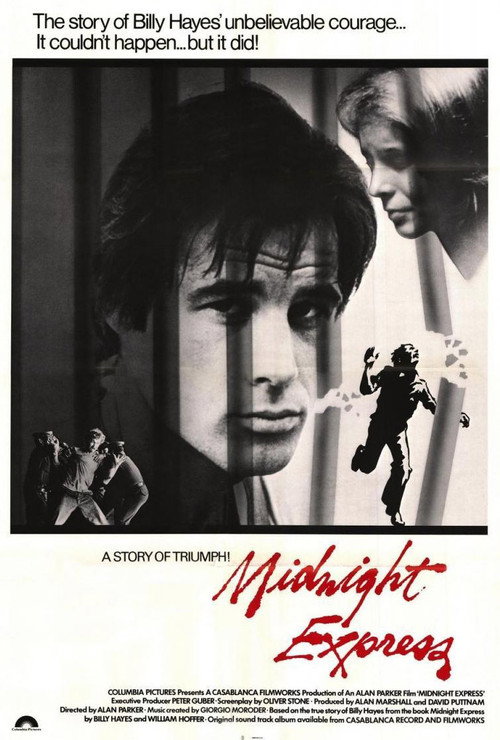
Midnight Express1978
A man imprisoned in Turkey endures physical and psychological torture. Visceral and furious about what confinement does to the mind and body.
But It's based on disputed accounts and veers toward sensationalism. The protagonist is sympathetic in ways that can read as self-serving.
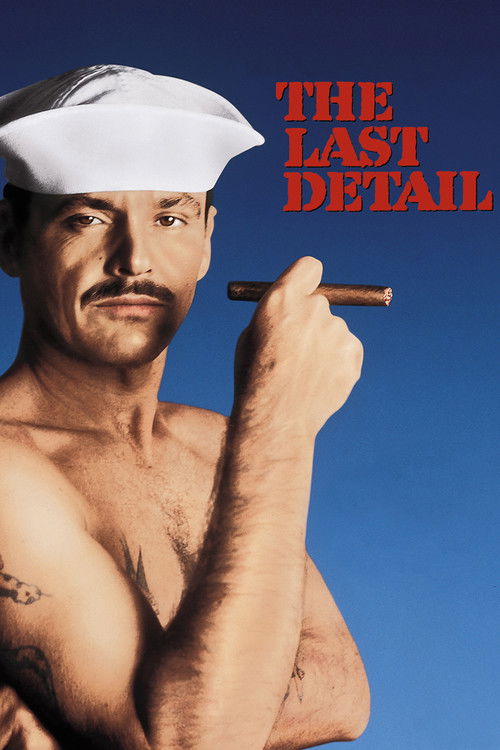
The Last Detail1973
Jack Nicholson as a lifer guard escorting a young sailor to prison. Bleaker than it sounds, funny in dark ways, about the routines that dehumanize everyone.
But It's more a buddy road film than a prison film—and its tone shifts unpredictably, which some find inconsistent.
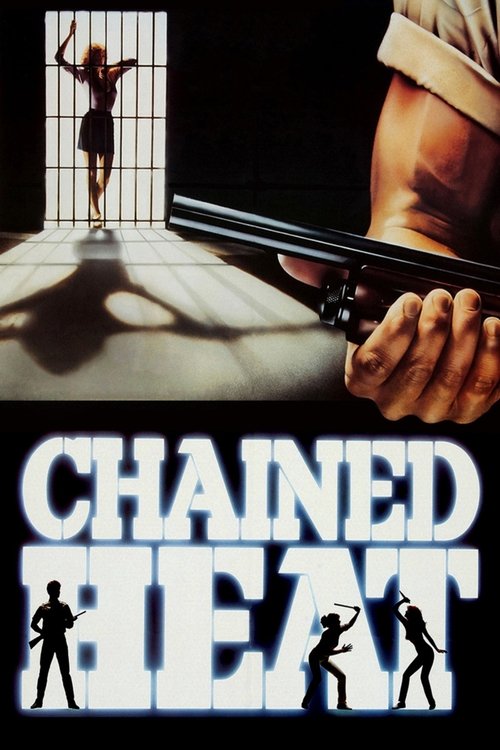
Chained Heat1983
Both are prison films centred on sexual domination as a fact of survival; Fortune is Bresson and Chained Heat is Roger Corman, but they're examining the same mechanism from opposite angles.
A women's prison film from the early 80s—exploitation cinema, yes, but made by Paul Nicolas with a real commitment to the sociology of institutional sexual violence. It's the grindhouse inverse, same subject, opposite genre contract with the audience.
But It's aggressively trashy and genuinely exploitative in places. The sexual content is front and centre—not medicinal or investigative, but part of the entertainment.
People
Cast
 Wendell BurtonSmitty
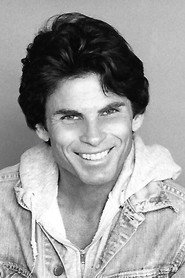 Zooey HallRocky
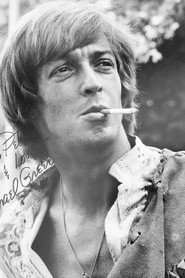 Michael GreerQueenie
- Danny FreedmanMona
- Lázaro PérezCatso
- John GranikSgt. Gritt
- Tom HarveyWarden Gasher
- ModestoOne-Eye
- Hugh WebsterRabbit
- Kirk McCollGuard Sullivan
- Vance DavisSailor
- Robert GoodierDoctor
Directing
- Harvey HartDirector
Writing
- John HerbertOriginal Story
- John HerbertWriter