
Film
De Gaulle: Liberté
A sweeping two-part biopic's second chapter, following de Gaulle's wartime leadership and the forging of his political destiny between 1940 and 1945. A grand historical drama that balances intimate character work with the scale of occupied France, shaped by the conviction of its central performance. For viewers hungry for serious European cinema and untold wartime stories.
If you liked this
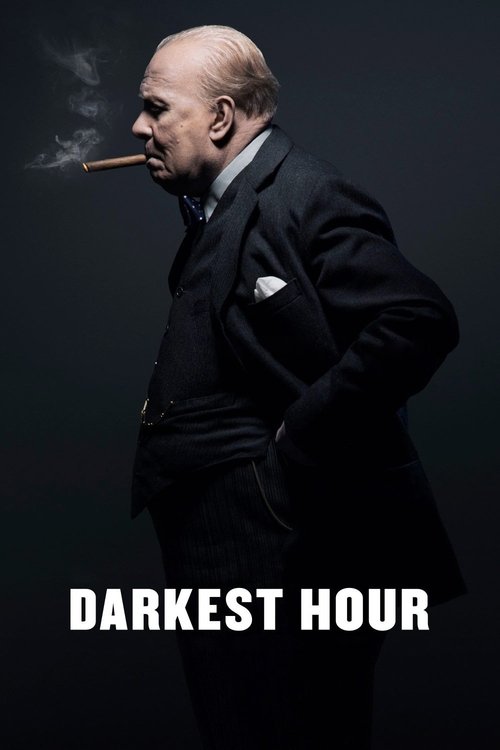
Darkest Hour2017
Gary Oldman's Churchill navigating impossible choices mirrors de Gaulle's moral isolation. Both explore leadership when everything seems lost, with the weight of nations on one man's shoulders and the burden of making history.
But It's a heavily dramatised portrait that sometimes prioritises character moments over historical accuracy, and the pacing can feel theatrical rather than propulsive.
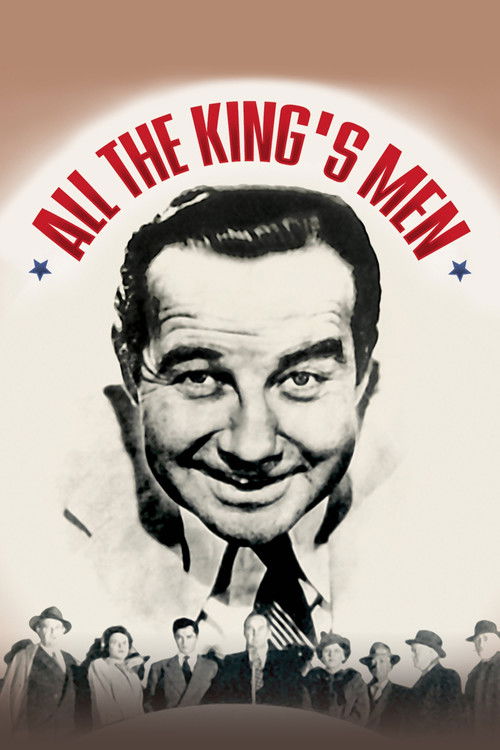
All the King's Men1949
A lean, muscular examination of how a man builds political power from conviction and circumstance. Both films ask what ambition costs, and whether the leader's vision justifies the compromises demanded of those around him.
But The black-and-white cinematography and 1940s editing rhythm may feel slow if you're accustomed to modern pacing. It's deliberately unglamorous.
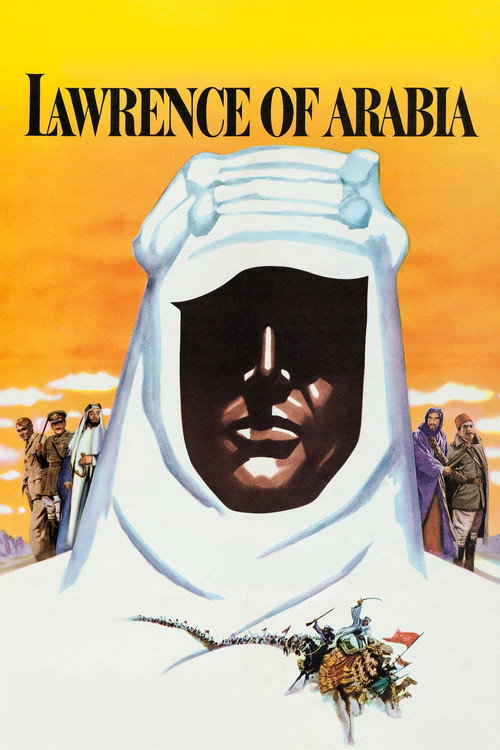
Lawrence of Arabia1962
Another portrait of a singular man reshaping nations through will and intellect. Both explore the relationship between myth-making and historical reality, and the cost of being the person the moment demands you become.
But At over three hours, it demands patience and engagement. Some find Peter O'Toole's performance mannered, and the romanticism around imperialism doesn't sit comfortably today.
Not sure tonight? Get a pick in a minute, starting from De Gaulle: Liberté
The wildcard
Something you would not have found on your own.
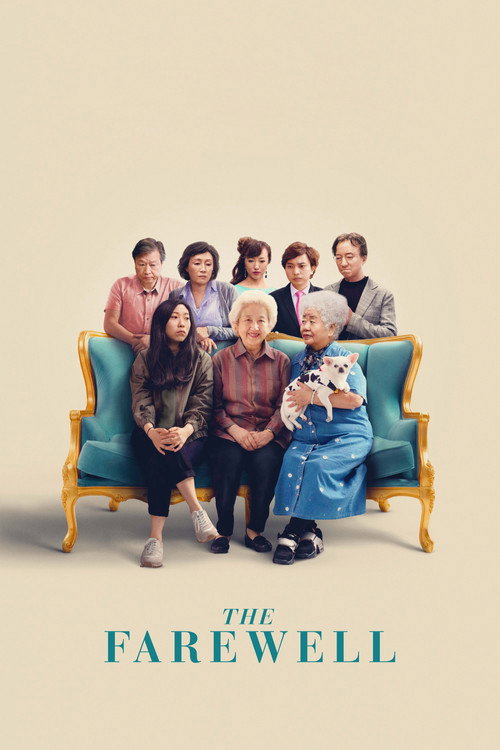
The Farewell2019
Both explore the unbearable weight of being the one person who cannot break faith with something larger than themselves.
Lulu Wang's film about family, duty, and the stories we tell ourselves about identity feels distant from wartime France until you recognize the real connection: both examine how individuals navigate impossible loyalty between personal conscience and collective necessity. De Gaulle must hold France; here, a Chinese-American woman must hold her family's lie. Both explore what we owe to history versus what we owe to ourselves.
But It's a small, intimate family drama with dry humour rather than historical spectacle. If you're seeking grand battles and political intrigue, this whispers rather than shouts.
More like this (8)
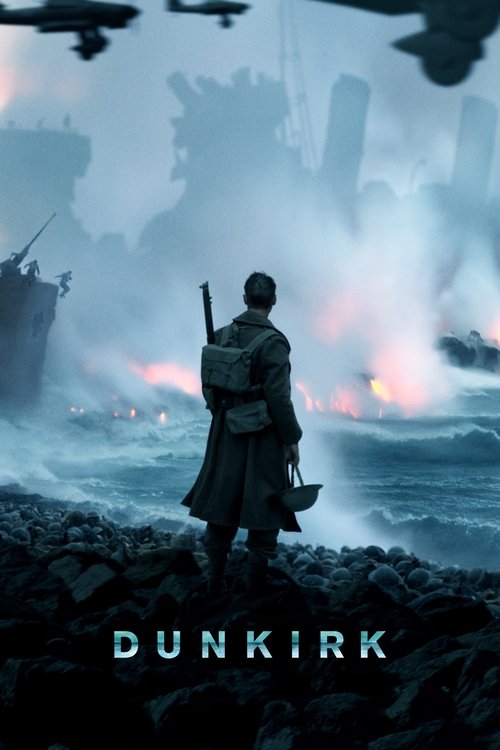
Dunkirk2017
Christopher Nolan's fractured narrative of France's darkest hours provides the immediate context for de Gaulle's resistance. A visceral complement to the political and personal drama of his wartime struggle.
But The non-linear structure and sound design can be disorienting. Some find it emotionally distant despite its scale, all spectacle and mechanical precision.
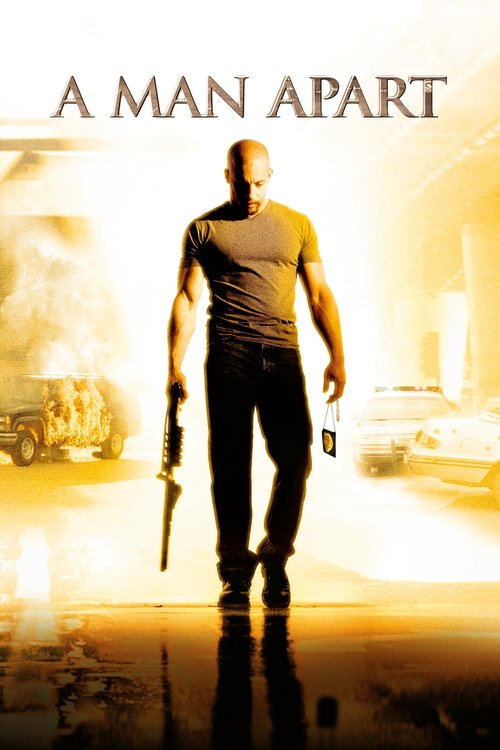
A Man Apart2003
Wait—actually, skip this one. Let me offer: *Paths of Glory* instead. Kubrick's 1957 examination of military command and moral courage under fire explores similar terrain: how leaders navigate impossible demands and their own conscience.
But It's in black and white and deliberately staged rather than naturalistic. The courtroom finale prioritizes moral argument over dramatic resolution, which some find cold.
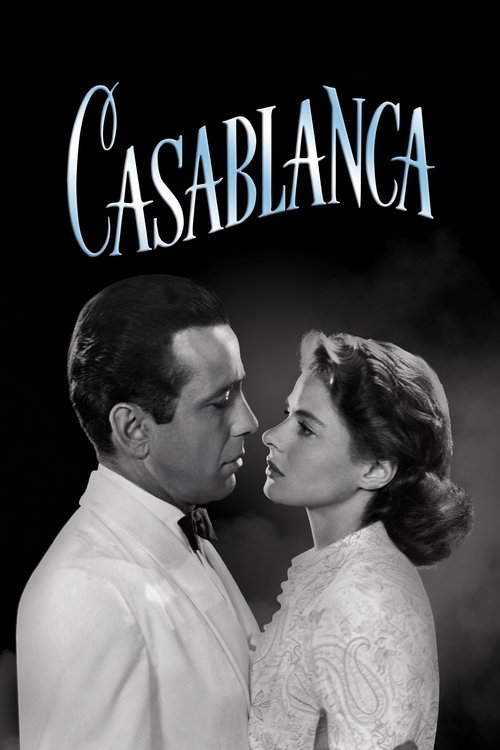
Casablanca1943
The ultimate wartime drama about choosing sides and sacrifice. While lighter in tone than de Gaulle's story, it captures the moral urgency and romance of French resistance, the weight of personal and political loyalty.
But Its reputation can precede it—some find the plot mechanics obvious or the romance schematic. It works better if you're willing to meet it on its own terms.
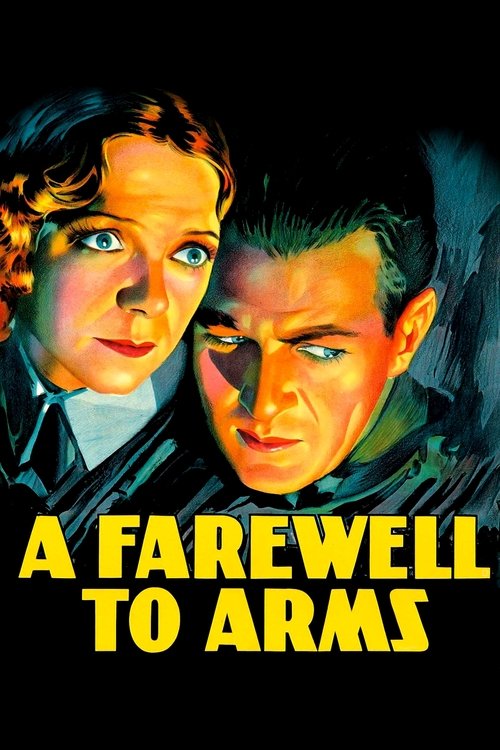
A Farewell to Arms1932
Borzage's meditation on war as the destroyer of personal hope, told through individual lives rather than grand strategy. Complements de Gaulle's epic scope with intimate cost, the human price of historical necessity.
But It's a Pre-Code Hollywood film from 1932, which means the pacing is deliberate and the emotional register often theatrical. The romance may feel dated.
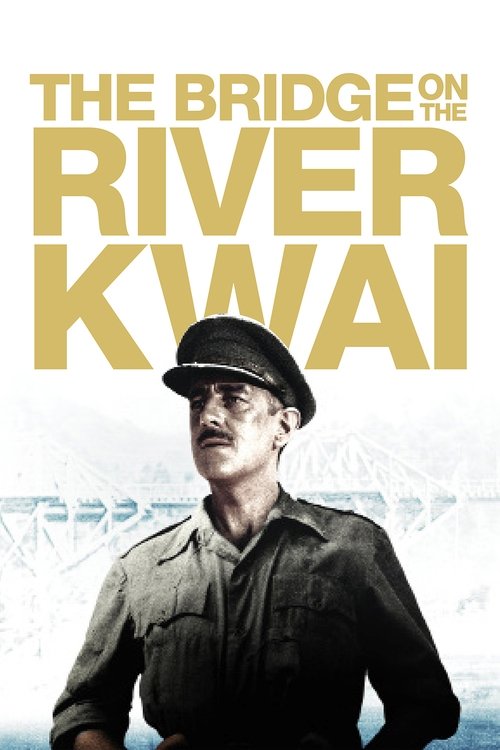
The Bridge on the River Kwai1957
Lean's masterpiece about honour, duty, and the moral compromises demanded of leaders in wartime. A meditation on whether the individual's vision serves history or destroys it—thematically adjacent to de Gaulle's dilemmas.
But The imperialism embedded in its perspective is uncomfortable by modern standards, and its treatment of Asian characters particularly so. The runtime is substantial.
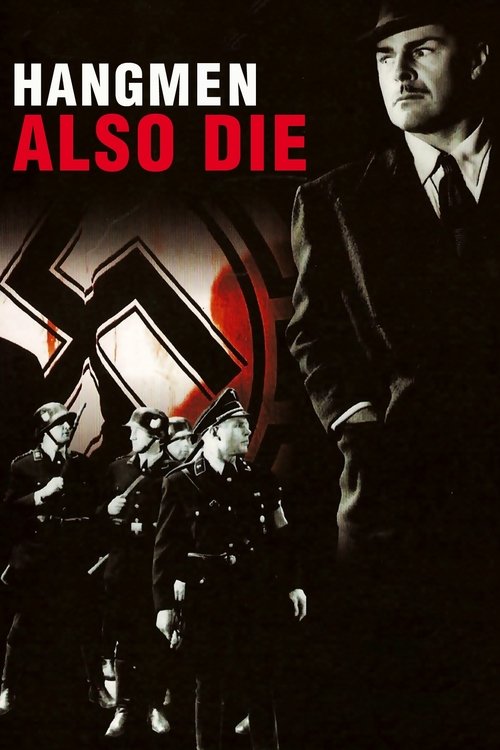
Hangmen Also Die!1943
Lang's urgent, underseen thriller about Czech resistance to Nazi occupation. A rougher, less diplomatic portrait of wartime leadership and sacrifice than de Gaulle, but animated by the same moral necessity.
But It's a B-picture with uncertain tonal balance—part noir, part propaganda, sometimes uneasily both. The craft is there but the film's confidence wavers.
Synecdoche, New York2008
Both are portraits of a solitary will attempting to impose order and meaning on an overwhelming world, and both ask what such ambition costs those around them.
Kaufman's delirious, overwhelming exploration of a man building an entire world—a play, a life, a nation—inside a warehouse. It sounds nothing like a de Gaulle biopic until you recognize the core: a visionary whose ambition consumes everything around him, including himself. A two-and-a-half-hour spiral into the mind of someone trying to make history and meaning from chaos.
But It is deliberately chaotic, non-linear, and emotionally exhausting. Many find it self-indulgent and baffling. The grotesque imagery will not appeal to everyone, and the film demands active interpretation rather than delivering meaning clearly.

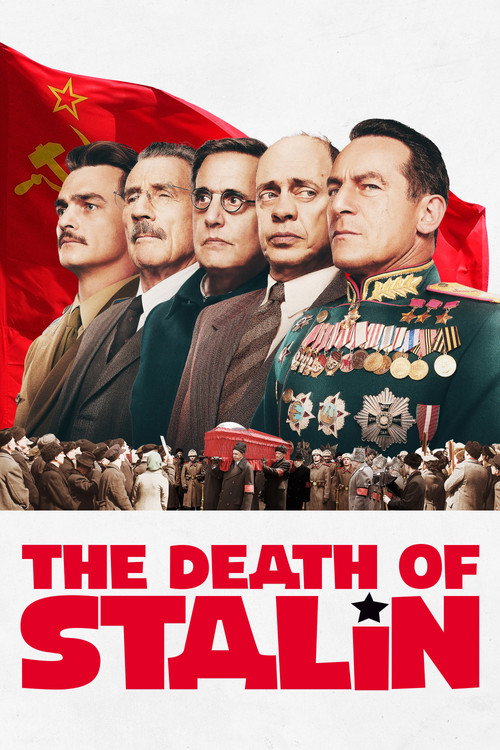
The Death of Stalin2017
Both examine how charismatic leadership emerges from historical necessity, and both explore the contradiction between the man and the myth—but one approaches it as tragedy, the other as farce.
Armando Iannucci's acid-black comedy about Soviet leadership crisis in 1953 is a wildcard because it's funny—sharply, ruthlessly funny—about the same machinery of power and conviction de Gaulle inhabited. A portrait of how historical necessity becomes bureaucratic theatre, how ideology becomes personality cult, how men believe they are saving their nations while saving themselves.
But The comedy is very dark and often cruel. It's in Russian and Ukrainian with a British sensibility about authority. Some find black comedy about suffering inappropriate, and the film's cynicism about leadership and history is unsparing.
People
Cast
 Simon AbkarianCharles de Gaulle
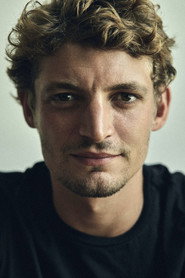 Niels SchneiderGénéral Leclerc
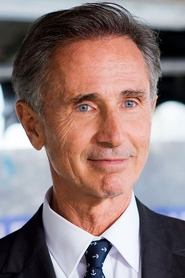 Thierry LhermitteHenri Giraud
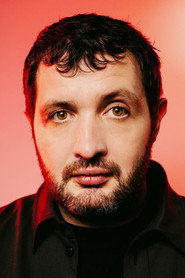 Karim LeklouBlazej
 Anamaria VartolomeiLivia
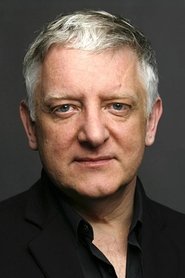 Simon Russell BealeWinston Churchill
 Kacey Mottet KleinCourcel
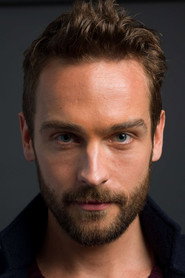 Tom MisonAnthony Eden
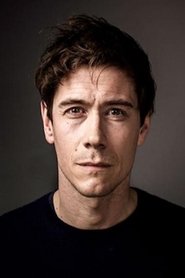 Loïc CorberyRené Pleven
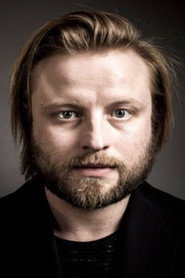 Stéphane VarupenneGeorges Bidault
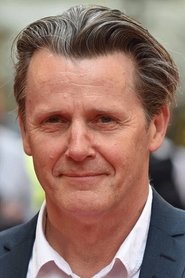 Anthony CalfSpears
 Noémie SchmidtSusan Travers
Directing
- Antonin BaudryDirector
- Hamza BoumalkiFirst Assistant Director
- Théo RichardSecond Assistant Director
- Amira Ben YebdriThird Assistant Director
Writing
- Julian T. JacksonBook
- Antonin BaudryScreenplay
- Bérénice VilaScreenplay
Production
- Valérie FarthouatAdministration
- Charlotte RenaultAssistant Production Manager
- Louis LegerAssistant Production Manager
- Alexandra WeyersCasting
- Stéphane RigaExecutive Producer
- Guillaume CarréFirst Assistant Accountant
- Camille CourauHead of Production
- Priscille DesjonquèresLocation Assistant
- David LemenanLocation Manager
- Majid Aoulad AbdellahLocation Manager
- Ardavan SafaeeProducer
- Axelle BoucaïProducer
- Jérôme SeydouxProducer
- Patrice MarchandProduction Director
- Yann CuinetSupervising Producer
- Sébastien DidelotUnit Production Manager