
Film
Chess Fever
- Comedy
- Light-hearted
A delightful Soviet silent comedy about a man consumed by chess fever during an international tournament, neglecting his bewildered fiancée. At just 24 minutes, it's a perfectly formed joke about obsession and distraction, wonderfully performed and visually inventive. A gem for anyone who loves silent comedy or wants to see how filmmakers made something vivid and funny without a single word.
Should you watch it?
Watch it if you enjoy silent slapstick built on tight visual gags and the giddy absurdity of someone who cannot stop thinking about a single game, even while the whole city has caught the same fever.
Skip it if you need plot and emotional depth from a silent film, since this is a slight premise played for quick laughs with little interest in its characters beyond the gag.
What it asks of you: Under half an hour, it runs quick, with brisk cuts and intertitles, so it wants your eyes on the screen rather than long stretches of attention.
Not sure? Find tonight's pick in a minute.
If you liked this
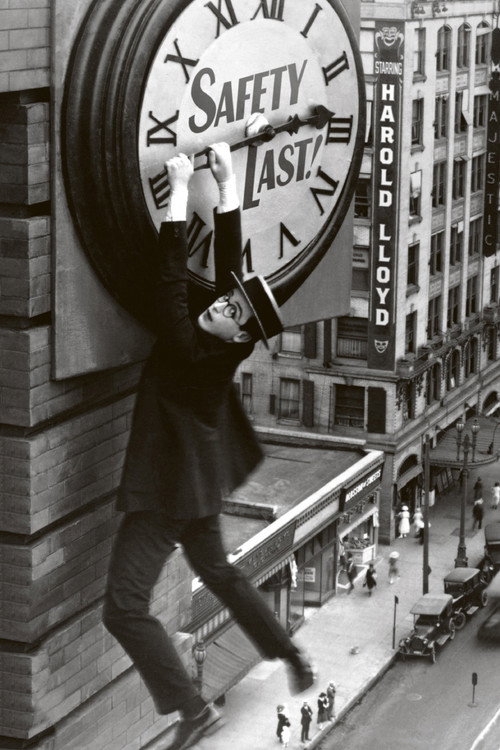
Safety Last!1923
Harold Lloyd's iconic clock-tower sequence is legendary, but the whole film crackles with visual gags and physical comedy. A silent masterpiece about ambition and the lengths we go to impress someone we love.
But The pacing and rhythm of 1920s slapstick can feel alien if you're used to modern cuts. Some jokes land softer than others.
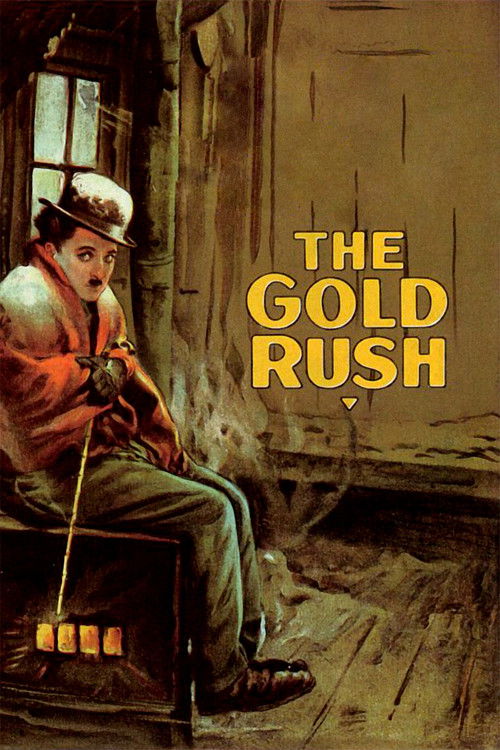
The Gold Rush1925
Chaplin at his peak, balancing comedy and pathos with astonishing grace. Watching him eat a boot and fall for a dancer is both hilarious and oddly touching. Pure cinema.
But The emotional beats move slowly by today's standards, and sentiment can feel heavy-handed if it's not your thing.
Singin' in the Rain1952
The most joyful film ever made about show business. Incredible dancing, infectious energy, and a love story that actually lands. Gene Kelly is irresistible.
But If musicals aren't your lane, the song sequences might feel interminable. The plot is paper-thin.

Not sure tonight? Get a pick in a minute, starting from Chess Fever
The wildcard
Something you would not have found on your own.
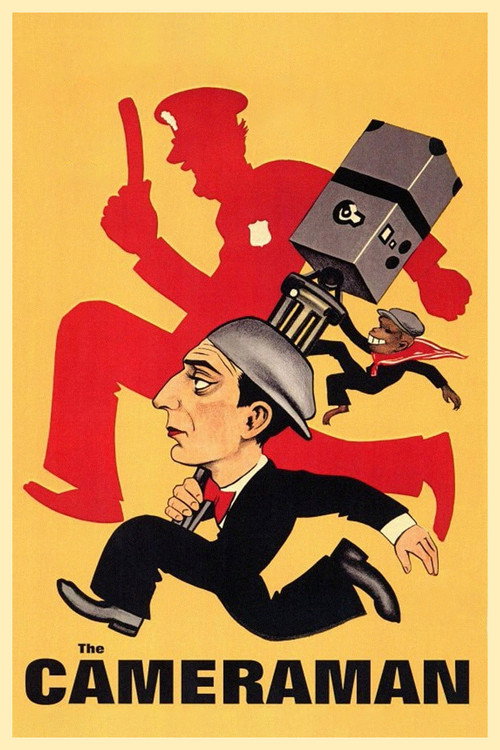
The Cameraman1928
Both follow a man whose consuming obsession costs him the woman he loves. Both solve it through an encounter with someone unexpected. Both are 24 minutes of visual storytelling so precise you can watch them twice.
Buster Keaton's deadpan masterpiece about a lovestruck cameraman trying to impress a woman by capturing the biggest news story. Like Chess Fever, it's about obsession sabotaging romance—but where the Soviet film is quick and witty, this is a symphony of physical comedy and genuine pathos.
But Keaton's style demands you accept his blank face as expressive. If you expect character reactions, his restraint reads as coldness rather than poignancy.
More like this (8)
It Happened One Night1934
Screwball comedy at its sharpest. Clark Gable and Claudette Colbert have genuine chemistry, the dialogue snaps, and it moves like a bullet. Funny, clever, and utterly winning.
But It's from another era—the pacing and some of the gender dynamics will read as dated. Some gags feel more quaint than hilarious now.

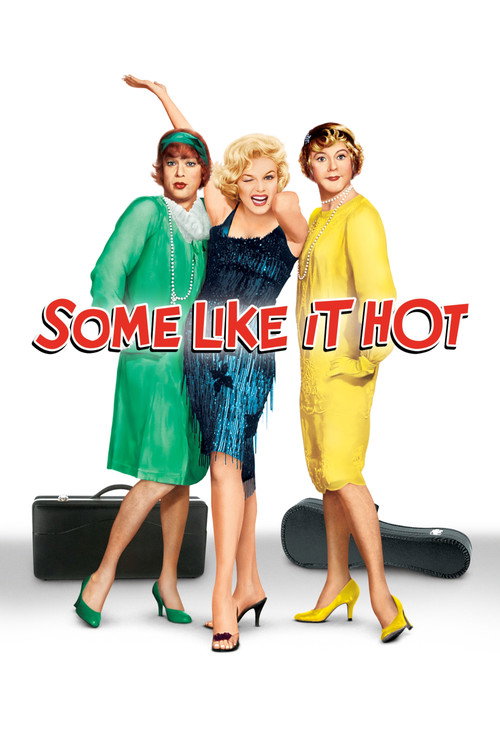
Some Like It Hot1959
Often called the greatest comedy ever made. Marilyn Monroe, Tony Curtis, and Jack Lemmon create absolute magic. The script is airtight, the timing is impeccable, and you'll keep laughing.
But If you're not in the mood for a relentless comedy machine, it can feel relentless. Some slapstick moments won't land if you're tired.
Breakfast at Tiffany's1961
Audrey Hepburn defines elegance and vulnerability as a woman charming her way through Manhattan. It's romantic, funny, and has style that hasn't aged a day. Utterly enchanting.
But The racial caricature of Henry Mancini (the landlord) is deeply uncomfortable and distracting. The tone shifts between comedy and pathos can feel jarring.

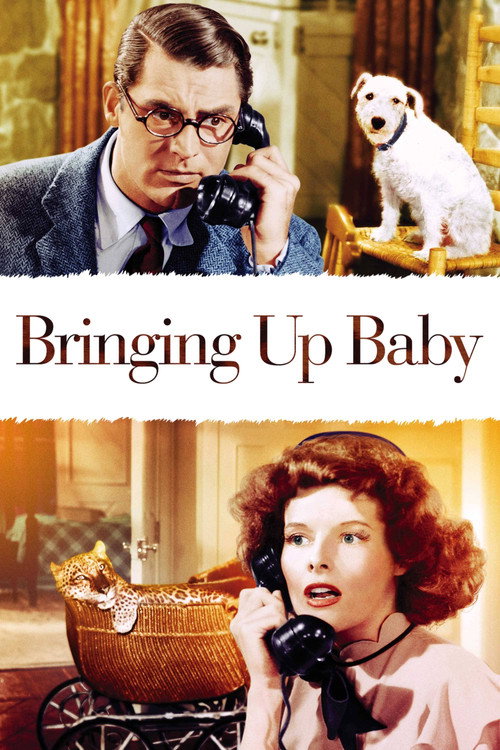
Bringing Up Baby1938
Cary Grant and Katharine Hepburn's chemistry ignites this madcap screwball masterpiece. A leopard, a bone, and pure chaos. Relentlessly inventive and genuinely hilarious.
But The frenetic energy never lets up—if you prefer quieter comedy or character depth, this is exhausting rather than delightful.
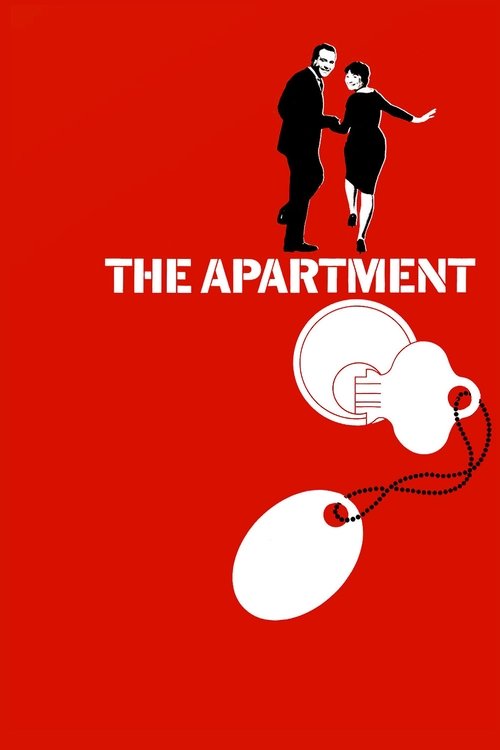
The Apartment1960
Billy Wilder balances comedy and genuine sadness perfectly. Jack Lemmon and Shirley MacLaine are wonderful, and the film finds humanity in a cynical workplace. Smart and deeply affecting.
But The comedy is quieter and more character-based than slapstick. Some of the sexual politics feel creaky by modern standards.
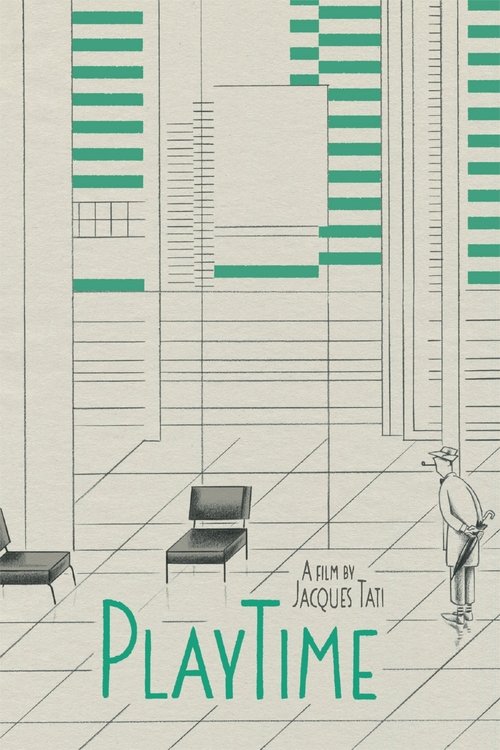
PlayTime1967
Jacques Tati's masterpiece is pure visual storytelling. Shot in 70mm, every frame is densely packed with gags playing out simultaneously. A meditation on modern absurdity that rewards attention.
But There's almost no plot, dialogue, or conventional narrative. It demands patience and active viewing. Some find it brilliant, others boring.
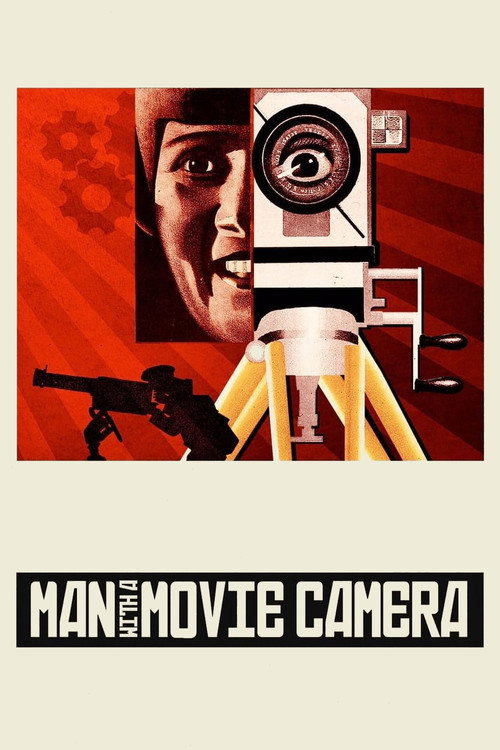
Man with a Movie Camera1929
Both are Soviet films from the 1920s that celebrate cinema's technical possibilities rather than conventional storytelling. Chess Fever uses narrative; Vertov abandons it. Together they show the range of what silent Soviet cinema achieved.
Dziga Vertov's avant-garde documentary collage of Soviet daily life is a dizzying, exhilarating tour de force. It's experimental, kinetic, and absolutely hypnotic—proof that non-narrative cinema can be as gripping as any story.
But There's no plot, dialogue, or character. It's pure image and rhythm. If you need narrative scaffolding to stay engaged, this will feel like visual noise.
Chungking Express1994
Where Chess Fever is a buoyant joke about obsession, Chungking Express is its melancholic inversion—obsession as romantic ache rather than comedy. Both find the whole world echoing back what we're thinking about. Both understand that love and fixation can look identical from the outside.
Wong Kar-wai's romantic masterpiece about loneliness and missed connections in Hong Kong. It's visually intoxicating, emotionally tender, and structured around small obsessions—a woman who eats the same pineapple cake, a cop who won't let go of an old lover. It captures the ache of wanting someone who doesn't want you back.
But The narrative is oblique and dreamy. If you want plot clarity and emotional resolution, this will feel frustratingly impressionistic and melancholic.

People
Cast
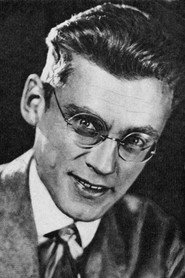 Vladimir FogelThe Hero
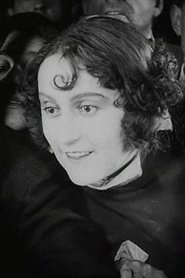 Anna ZemtsovaVera
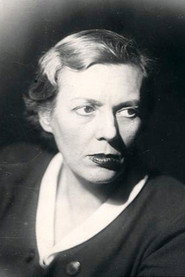 Natalya GlanVera's friend
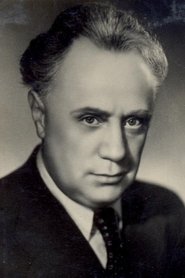 Mikhail ZharovHouse Painter
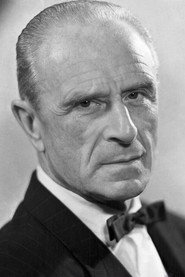 Anatoli KtorovTram Passenger
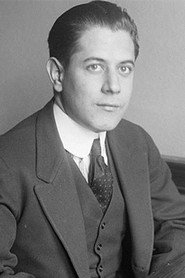 José Raúl CapablancaCameo The World Champion
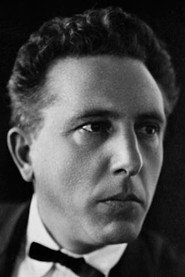 Yakov ProtazanovChemist
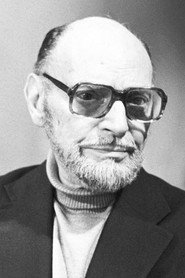 Yuli RaizmanChemist's Assistant
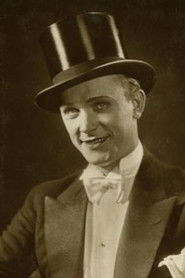 Ivan Koval-SamborskiyPoliceman
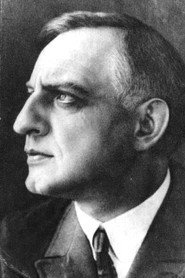
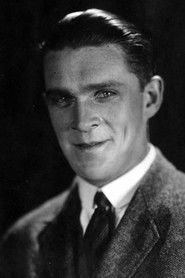 Boris BarnetCameo (uncredited)
- Fyodor OtsepGame Spectator (uncredited)
Directing
- B. SveshnikovAssistant Director
- Mykola ShpykovskyiDirector
- Vsevolod PudovkinDirector
Writing
- Mykola ShpykovskyiWriter
Production
- Moisey AleynikovProducer