
Film
Horse Feathers
- Comedy
- Light-hearted
Horse Feathers is a Marx Brothers comedy that barely pretends to be a film—it's a relentless barrage of gags, non sequiturs, and anarchic logic set inside a college football plot. Groucho leads the chaos with his leer and rapid-fire wordplay while Harpo pantomimes the impossible. It's for anyone who gets bored by narrative and hungry for pure comedic invention.
Should you watch it?
Watch it if you like anarchic wordplay and vaudeville-style chaos, where a campus football plot is just an excuse for Groucho to insult everyone in sight.
Skip it if you need a tidy plot or a romance with real weight, since the gags constantly derail a loose frame and the love interest feels like an afterthought.
What it asks of you: It runs barely over an hour and moves in bursts of scattershot sketches, so it wants you to surrender to its rhythm rather than follow a careful story.
Not sure? Find tonight's pick in a minute.
If you liked this
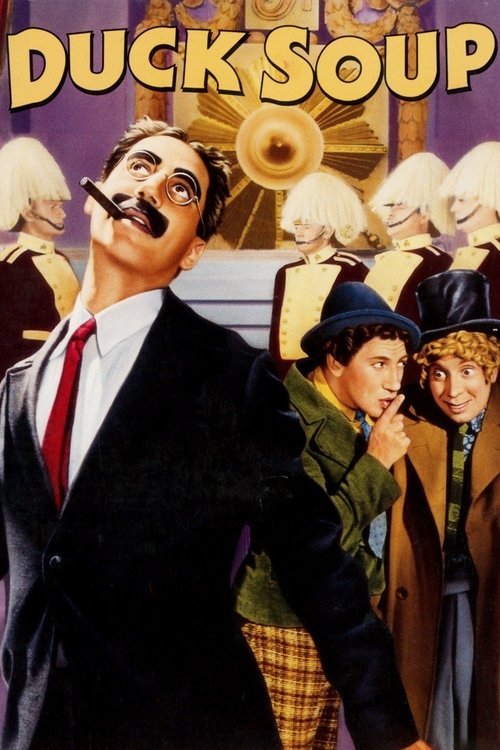
Duck Soup1933
The Marx Brothers at their most focused: a full-scale political satire where the absurdity serves an actual purpose. Groucho as a dictator is even sharper than usual, and the finale is genuinely surreal.
But It's still 1933, so the satire lands gently by modern standards. Some gags halt the pace dead, and you have to be patient with silents-era timing.
Singin' in the Rain1952
Peak MGM: technically flawless, visually gorgeous, and funny in a way that feels effortless. The dancing is joyful rather than show-offy, and it moves like a song itself.
But It's a Hollywood love letter that can feel a bit glossy and safe. The gender dynamics are very much of the 1950s, and it doesn't have an edge.

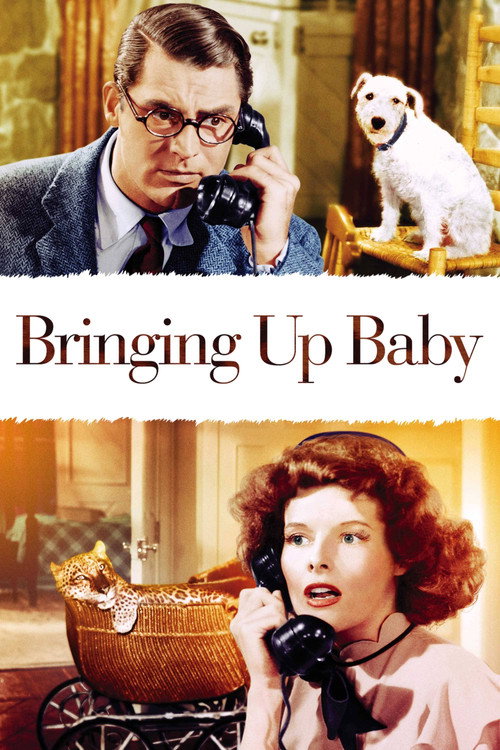
Bringing Up Baby1938
Cary Grant and Katharine Hepburn in controlled chaos—a screwball comedy where every scene builds on the last like a mathematical proof. The leopard is just the excuse.
But Hepburn's character is deliberately maddening, which is the point, but it means you'll spend ninety minutes watching someone mess with Grant. Some find that exhausting.
Not sure tonight? Get a pick in a minute, starting from Horse Feathers
The wildcard
Something you would not have found on your own.
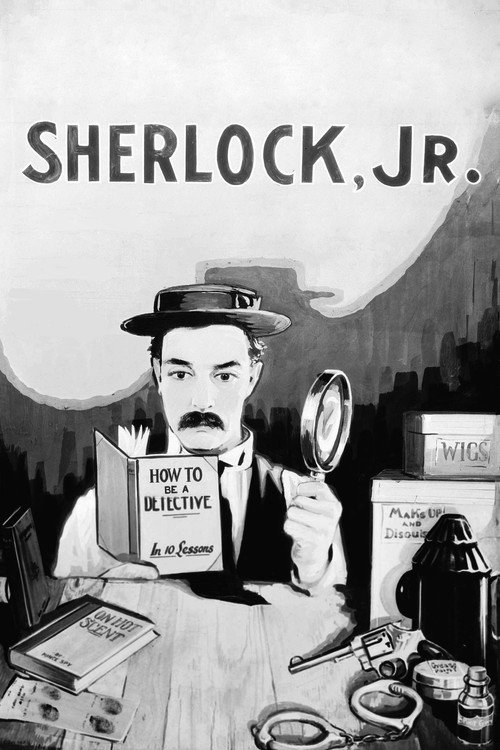
Sherlock Jr.1924
Both films treat narrative as optional—they're more interested in the machine of comedy than the story. Plot is scaffolding; gags are architecture.
Keaton plays a projectionist who dreams himself into a film—a comedy about cinema itself that uses the medium to tell jokes. It's formally audacious and genuinely funny, not clever in a self-congratulatory way.
But It's a silent film, so you're working without dialogue and watching physical comedy in a space where realism has been abandoned. That takes adjustment.
More like this (8)
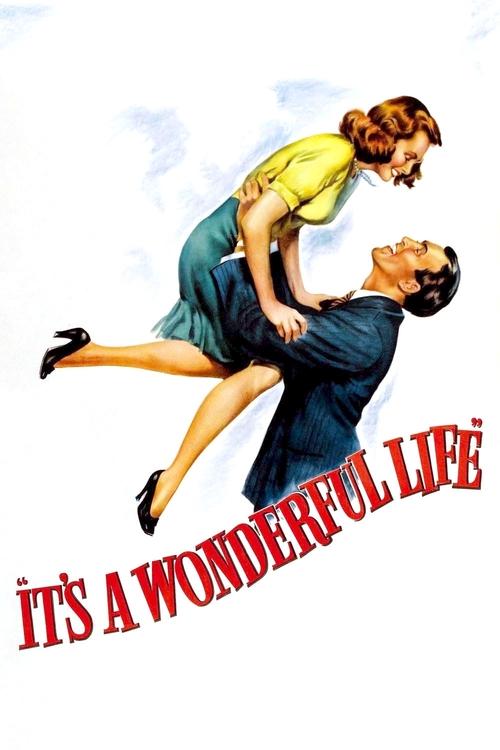
It's a Wonderful Life1946
A genuinely moving meditation on a life's worth, wrapped in small-town Americana and populated with memorable characters. It works because Capra never lets sentiment override earned emotion.
But It's been overwatched and culturally ossified. The plot hinges on some choices that don't hold up, and the ending can feel engineered.
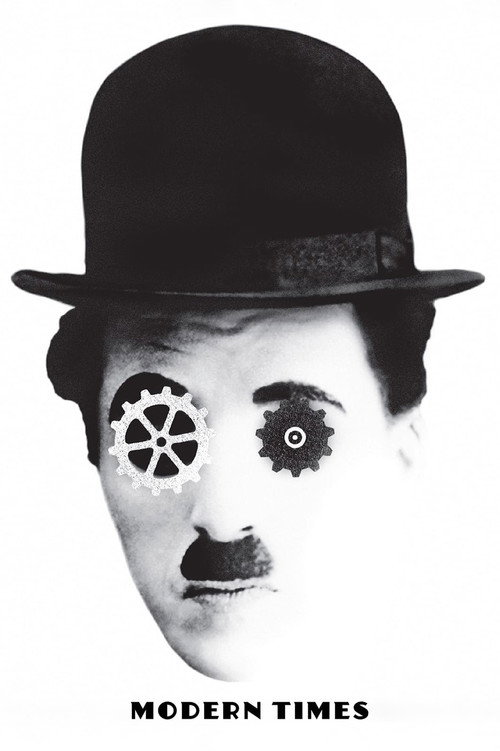
Modern Times1936
Chaplin wrestling with industrialization and poverty—funny, heartbreaking, and politically furious all at once. The factory scene is genius, and the heart doesn't undermine the comedy.
But It's a sound film that barely uses sound, so you're reading Chaplin's silents acting against a chattering world. Some find that isolation frustrating rather than poignant.
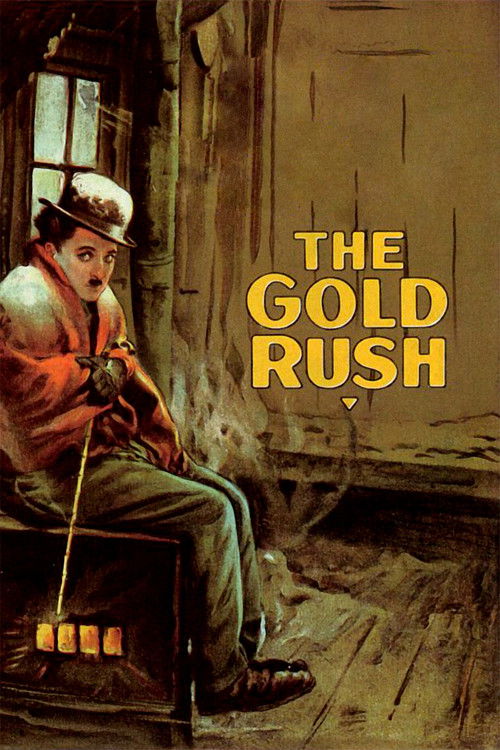
The Gold Rush1925
Chaplin's masterpiece: comedy, pathos, and genuine human connection in an extreme circumstance. The dinner scene alone—eating a shoe—belongs in a museum but plays like pure invention.
But It's a silent film, which means no dialogue and a different rhythm entirely. The emotional beats can feel manipulative if you're not in the right mood.
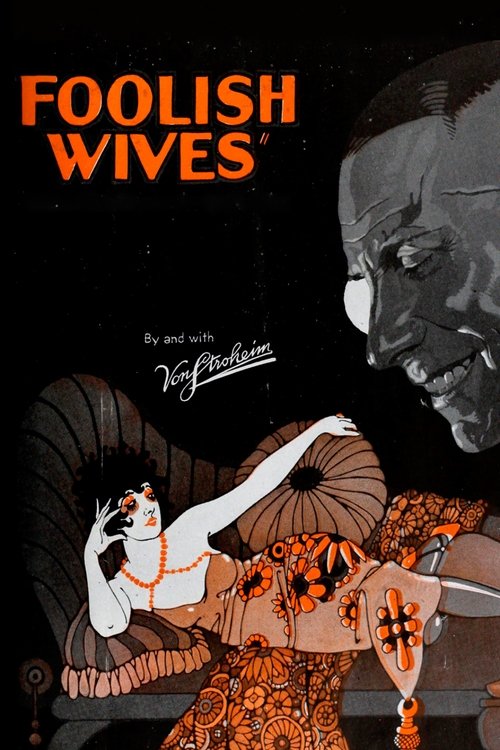
Foolish Wives1922
Erich von Stroheim plays a con artist in Monte Carlo—a film that delights in moral corruption and visual excess. It's cynical, stylish, and 140 minutes of pure manipulation played straight.
But It's long, digressive, and unsparing about human weakness. There's no one to root for, and the pacing meanders like its protagonist.
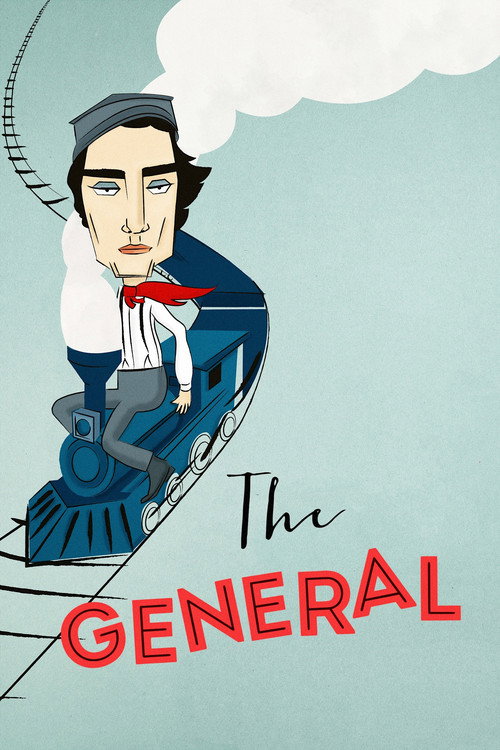
The General1926
Buster Keaton in a Civil War chase film where the entire plot is an excuse for impossible stunts and physical comedy. The gags are architecture, not interruptions.
But Keaton's deadpan means you're reading his face for emotion that isn't there. Some find that distance cold, and the Confederate framing is historically ugly.
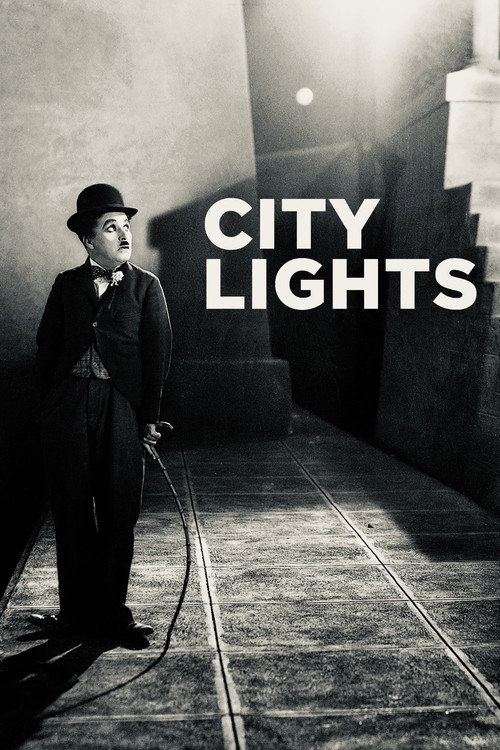
City Lights1931
Chaplin's tramp falls for a blind girl—and against all odds, it's tender without losing its edge. The flower-selling and boxing scenes are masterclasses in silent comedy.
But The sentimentality is deliberate and thick, and the resolution asks you to accept a fairytale ending. If saccharine makes you itch, this will drive you mad.
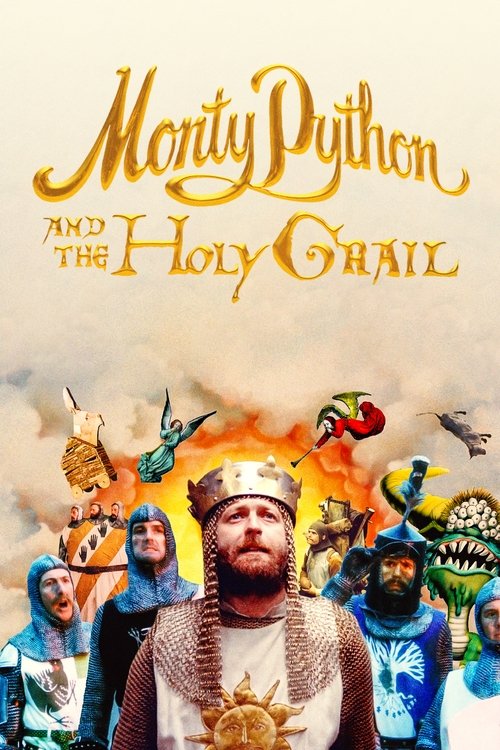
Monty Python and the Holy Grail1975
Both films treat their premise (college football, Arthurian legend) as completely optional and interchangeable. The real plot is the comedy itself, and everything else serves it.
Python took the anarchic Marx Brothers template and updated it for the absurdist 1970s—non-sequiturs, slapstick, and wordplay that doesn't care about logic or propriety. It's relentlessly inventive.
But It's deliberately stupid in ways that require a specific kind of audience patience. Some gags are brilliant; others feel like inside jokes with no punchline.
Mulholland Drive2001
Both films use their nominal plot as an excuse to explore the mechanics of performance and identity. Story is a shell; the real subject is how we make meaning from chaos.
Lynch's three-hour Los Angeles nightmare uses genre and narrative as costumes it sheds halfway through. It's disorienting, hypnotic, and genuinely mysterious in ways modern cinema has abandoned.
But It's deliberately hostile to interpretation. Nothing adds up; the film doesn't explain itself, and repetition and mood matter more than plot resolution.

People
Cast
 Groucho MarxProfessor Wagstaff
 Harpo MarxPinky
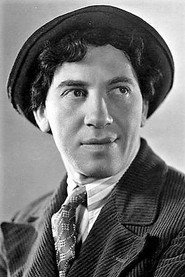 Chico MarxBaravelli
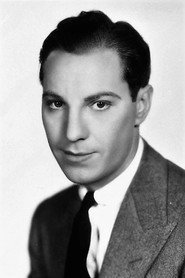 Zeppo MarxFrank Wagstaff
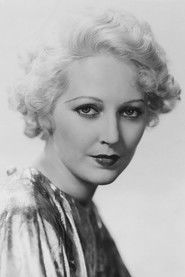 Thelma ToddConnie Bailey
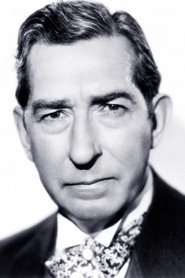 David LandauJennings
 Bobby BarberSpeakeasy Patron (uncredited)
 Reginald BarlowRetiring Collage President (uncredited)
 Vince BarnettSpeakeasy Patron (uncredited)
 Sheila BromleyWagstaff's Receptionist (uncredited)
 E.H. CalvertProfessor in Wagstaff's Study (uncredited)
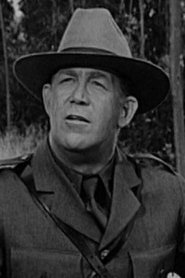 Edgar DearingSpeakeasy Bartender (uncredited)
Directing
- Norman Z. McLeodDirector
Writing
- Bert KalmarLyricist
- Harry RubyLyricist
- Bert KalmarScreenplay
- Harry RubyScreenplay
- S.J. PerelmanScreenplay
- Will B. JohnstoneScreenplay
Production
- Herman J. MankiewiczProducer
Recommended by
Coach, Wet Hot American Summer, Straight, Place and Show, Million Dollar Legs