
Film
Brats
- Slapstick
- Light-hearted
A twenty-one-minute silent comedy where Laurel and Hardy play dual roles as fathers and sons, locked in escalating chaos. Their sons are anarchic embodiments of slapstick energy, transforming a quiet evening into beautifully choreographed mayhem. It's pure physical comedy—no dialogue, just sound design and timing. For anyone who loves wordless humour or silent-era filmmaking at its sharpest.
Should you watch it?
Watch it if you love Laurel and Hardy's knack for escalating chaos from a simple domestic setup, where the gags build through physical timing and the straight-faced reactions of two frustrated fathers.
Skip it if you want modern pacing or plot momentum, since this is a short, broad slapstick piece from 1930 whose humour relies on repetition and a style of early sound comedy that feels stagey now.
What it asks of you: Only about 21 minutes, so it is quick, but you need to accept an old-fashioned rhythm where the joke is stretched out and the mayhem arrives in deliberate, escalating waves.
Not sure? Find tonight's pick in a minute.
If you liked this
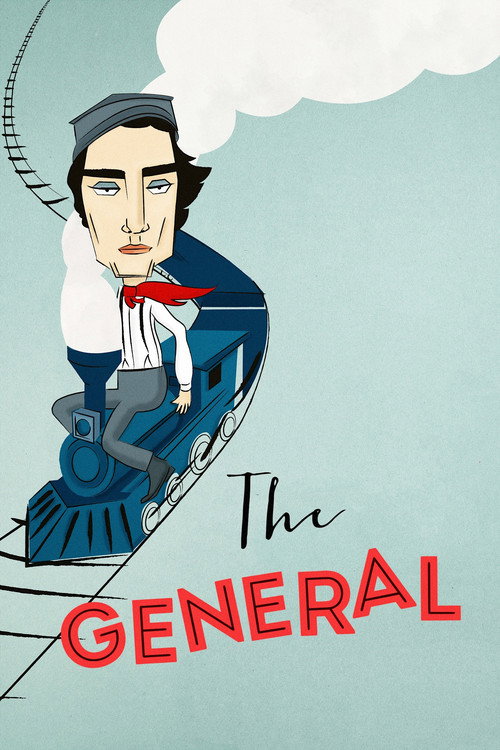
The General1926
Buster Keaton's deadpan masterpiece uses an entire train as a slapstick playground. The stunts are real, the timing is mathematical, and the scale makes Laurel and Hardy's intimate chaos look like a miniature. Essential silent comedy.
But It's over ninety minutes, and the pacing assumes you're patient with lengthy setup. Some find Keaton's stone face less warm than Laurel and Hardy's expressive panic.
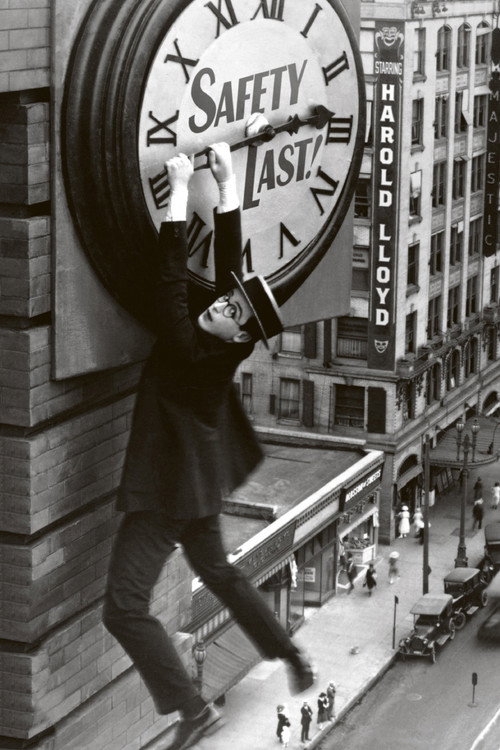
Safety Last!1923
Harold Lloyd climbing a skyscraper with no safety net (nearly literal). It combines desperate physical comedy with genuine vertigo. The gags are inventive and the emotional stakes feel real in a way pure slapstick often doesn't.
But The protagonist's desperation-driven humour can feel strained if you're in the mood for pure fun. Some sequences drag when they're reaching for sentiment.
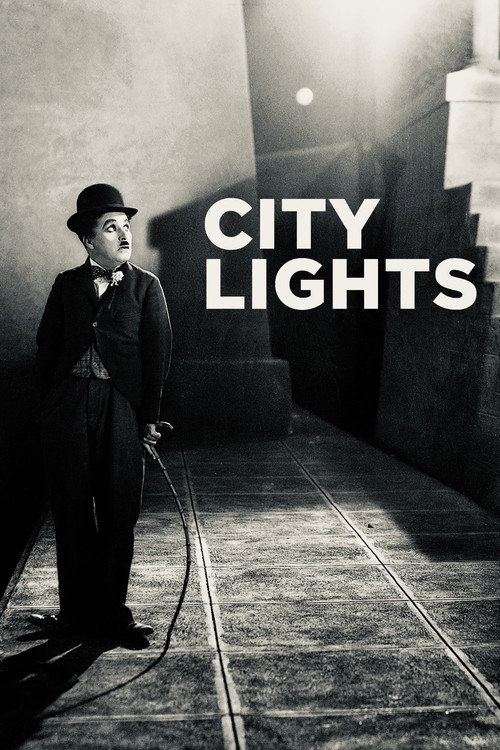
City Lights1931
Chaplin's Tramp falls for a blind flower seller. It's slapstick that makes you ache—funny in the moment, then quietly devastating. The boxing sequence alone justifies the watch. Proof that silent comedy can wreck you emotionally.
But It's sentimental, and the sentiment is earned rather than ironic. If you want laughs without feeling, this will ambush you.
Not sure tonight? Get a pick in a minute, starting from Brats
The wildcard
Something you would not have found on your own.
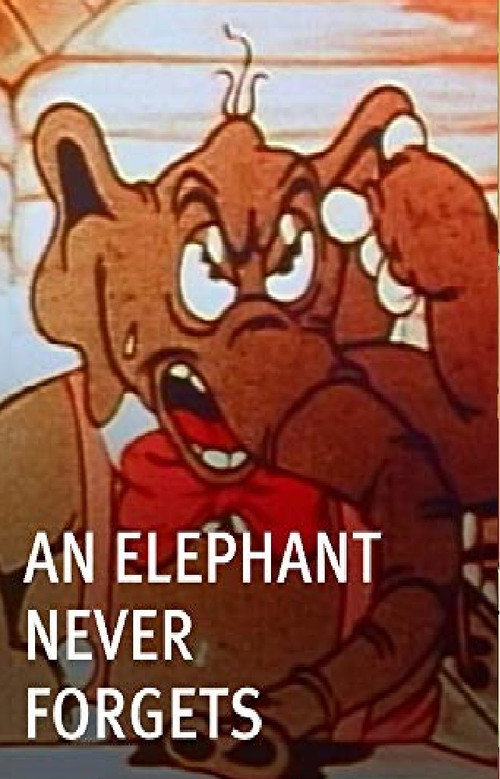
An Elephant Never Forgets1935
Both use wordless visual gags and the freedom of silent film to create pure abstraction—bodies and objects obeying an internal logic rather than the rules of the real world.
An obscure animated cartoon where an elephant's memory creates surreal, Daliesque dreamscapes. Pure visual storytelling, no dialogue, anarchic logic. It's slapstick rendered in ink and watercolour, proving the era's physical comedy language worked everywhere.
But It's six minutes long and deliberately strange. The logic is associative rather than narrative, so if you want plot, you'll find none.
More like this (7)
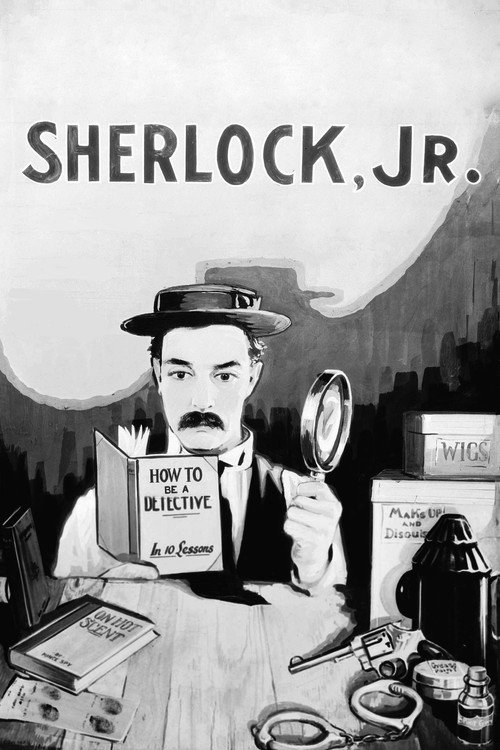
Sherlock Jr.1924
Keaton dreams himself into a film-within-a-film. The gags have conceptual wit: he's literally fighting the architecture of cinema. Wildly inventive and visually stunning, just twenty minutes of pure ingenuity.
But It's short, so the emotional investment is minimal. Some gags are so clever they work better when you pause and think about them than when you're laughing.
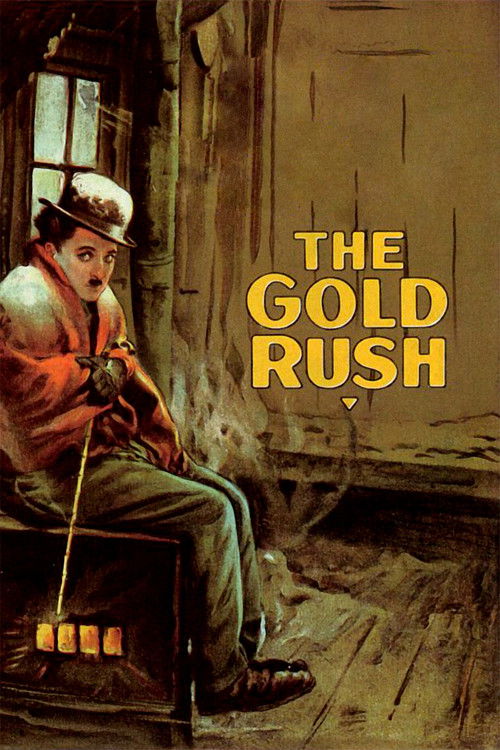
The Gold Rush1925
Chaplin as a prospector during the Klondike gold rush. Desperate, cold, hungry, and somehow still funny. The Thanksgiving dinner scene is the best thing Chaplin ever filmed. Slapstick with a conscience.
But It's over ninety minutes and the hunger theme gets genuinely dark. Not a film to watch when you want pure escapism.
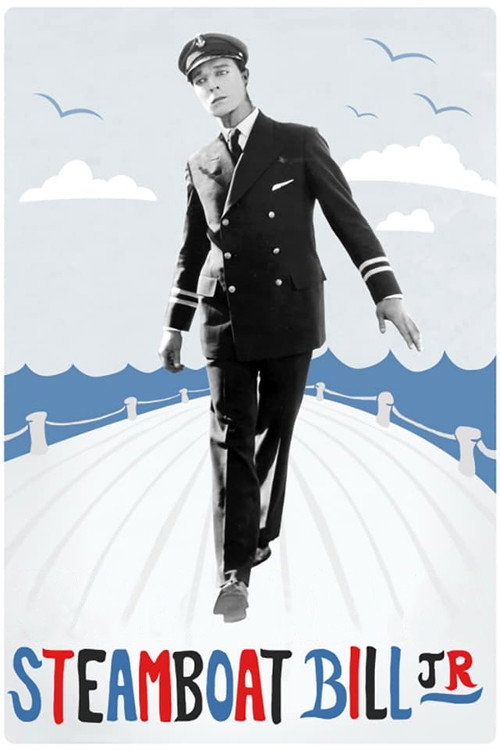
Steamboat Bill, Jr.1928
Keaton fights a cyclone. Not metaphorically—there's a real building facade that nearly kills him. The gags are massive in scope, the execution is perfect, and the stakes feel absurdly high for a comedy.
But The plot is almost invisible. If you need narrative momentum, this will feel like an excuse to film stunts, because it is.
Pandora's Box1929
German Expressionist cinema meets human tragedy via Louise Brooks' performance. It's got slapstick moments and genuine eroticism, beauty and degradation in the same frame. Visually unlike anything else from the era.
But It's not comedy-first; the humour serves a much darker purpose. The ending is bleak, and the film doesn't try to soften it.

The Phantom Carriage1921
Swedish silent film about a drunk haunted by a ghostly carriage on New Year's Eve. It's melancholic, beautifully shot, and structurally complex. Proof that silent cinema could be genuinely unsettling rather than just funny.
But There's barely any comedy. It's a ghost story first, and the tone is elegiac. If you want lightness, this will feel like a cheat.

Nosferatu1922
Silent horror that still works. The count is genuinely creepy, the visual language is hypnotic, and it's under ninety minutes. It's cinema as shadow and suggestion, which is what silent film does better than anything else.
But It's Gothic and slow-burn. The scares are atmospheric rather than jump-based, and the pacing assumes you're patient with dread.

Intolerance: Love's Struggle Throughout the Ages1916
Both mix intimate domestic comedy with set-piece chaos; Laurel and Hardy's living room chaos mirrors Griffith's approach to montage—overwhelming the frame to create comedy through overwhelm.
D.W. Griffith's four-story epic that jumps between Ancient Babylon, Renaissance France, modern America, and Biblical Judea. Each section has comedic moments amid genuine spectacle. It's slapstick and spectacle existing in the same film, made before anyone had figured out how to do either.
But It's nearly three hours, structurally fragmented, and Griffith's politics are muddled at best. The editing across stories is dizzying, not cathartic.

People
Cast
 Stan LaurelStan Sr. / Stanley Jr.
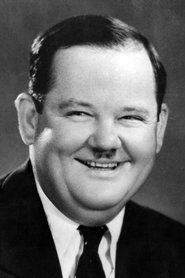 Oliver HardyOllie Sr. / Oliver Jr.
Directing
- James ParrottDirector
Writing
- H.M. WalkerDialogue
- Hal RoachStory
- Leo McCareyStory
- Charley RogersWriter
- James ParrottWriter
- Oliver HardyWriter
- Stan LaurelWriter
Production
- Jack RoachCasting
- Hal RoachProducer