
Film
The Navigator
- Comedy
- Light-hearted
Buster Keaton's masterpiece of physical comedy and ingenious set design. A hapless millionaire and the woman rejecting him find themselves adrift on an abandoned ocean liner, forced to navigate its vast mechanisms with nothing but confusion and silent grace. It's slapstick that rewards close watching—every gag earns its place through craft. Essential Keaton, essential cinema.
If you liked this
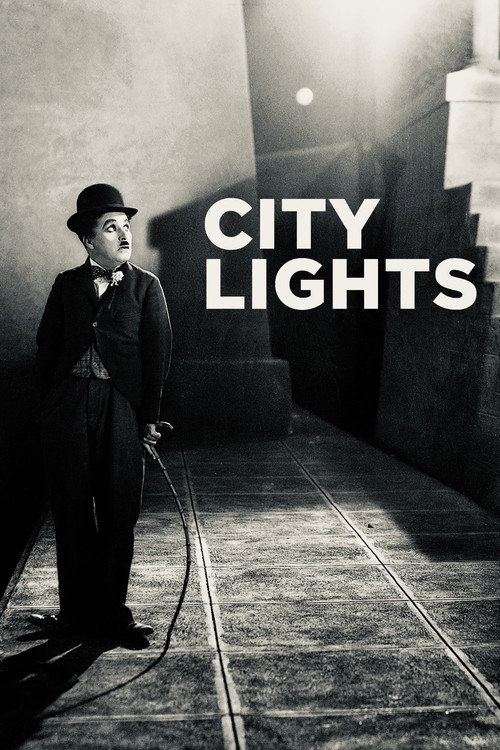
City Lights1931
Chaplin's greatest film pairs physical comedy with genuine pathos. A tramp falls for a blind flower girl in a story that moves you and makes you laugh in equal measure. The final scene is unforgettable.
But Talking pictures were already standard by 1931. The silence, while intentional, can feel slow if you're used to faster-paced comedy.
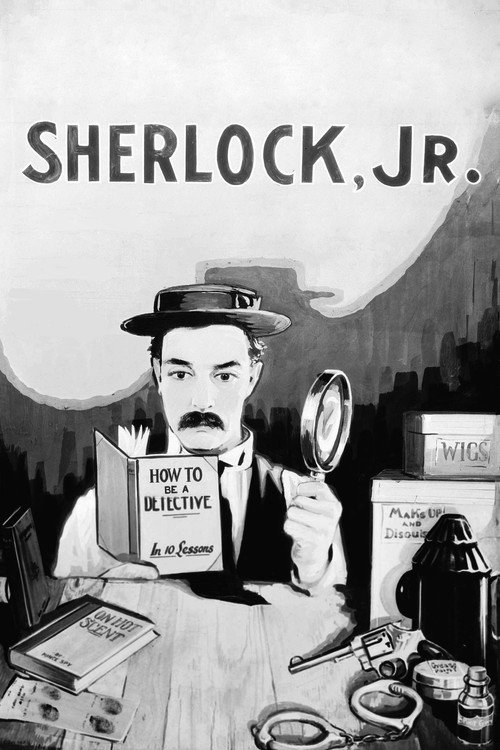
Sherlock Jr.1924
Keaton at his most inventive, playing a film projectionist who dreams himself into a movie. The stunts are breathtaking, the narrative is clever, and it moves with perfect timing. Often called his best work.
But It's only 45 minutes long, and some of the early comedy bits feel dated compared to the later set pieces.
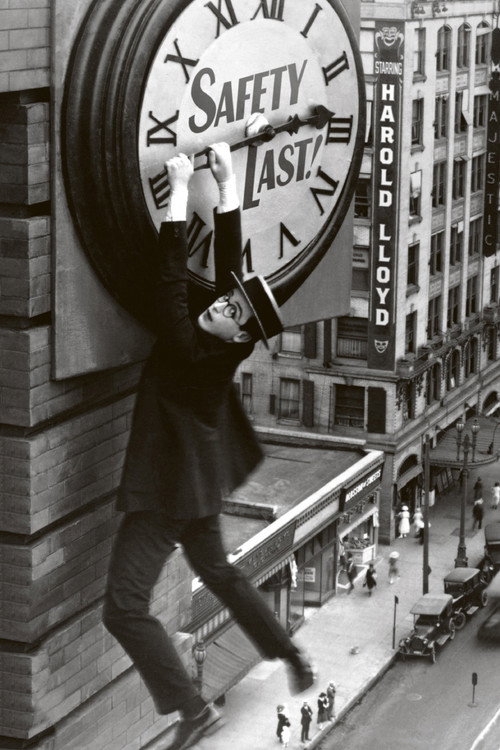
Safety Last!1923
Harold Lloyd hanging from a clock face on the side of a building isn't a myth—it's real, and it's the centerpiece of a perfectly constructed comedy about ambition and love. Thrilling and hilarious.
But Lloyd's everyman charm doesn't register as strongly as Chaplin or Keaton for modern viewers. The romantic subplot is thin.
Not sure tonight? Get a pick in a minute, starting from The Navigator
The wildcard
Something you would not have found on your own.
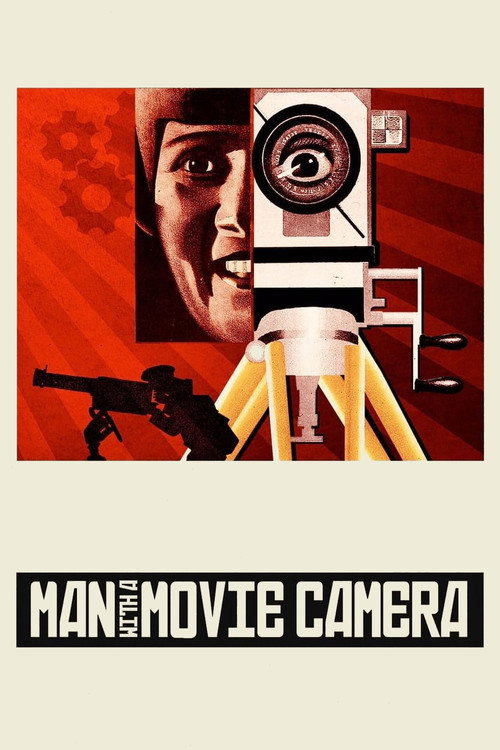
Man with a Movie Camera1929
Both treat the mechanical world—a ship's gears, a city's rhythms—as subjects worthy of wonder and humor. Both see the visual humor in how humans navigate systems larger than themselves.
Dziga Vertov's Soviet documentary is not comedy, but it's the same era as Keaton and uses similar visual language—the camera itself becomes a playful character observing an entire city. It shares The Navigator's delight in watching systems and machinery interact with humans in unexpected ways.
But It's avant-garde non-fiction with no plot and an experimental score. If you want narrative and dialogue, this is the opposite.
More like this (8)
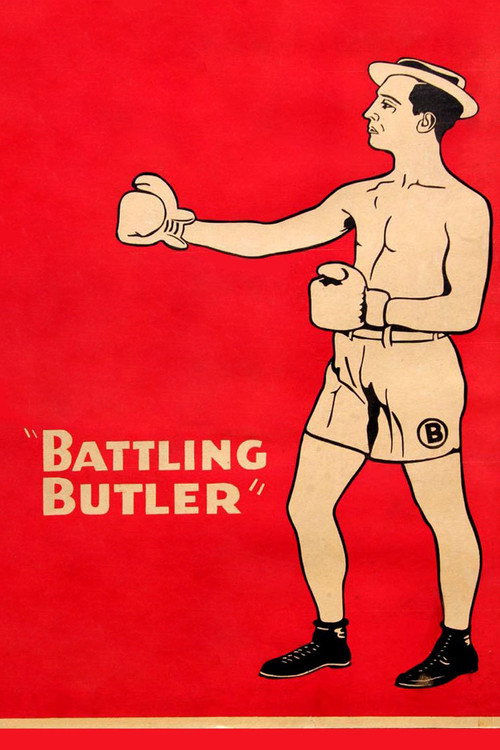
Battling Butler1926
Keaton as a pampered millionaire mistaken for a prizefighter. The boxing sequences are brilliantly choreographed, the premise is absurd in the best way, and it showcases his ability to hold an entire film.
But The plot meanders. At 77 minutes, it takes longer to set up the premise than some prefer for silent comedy.
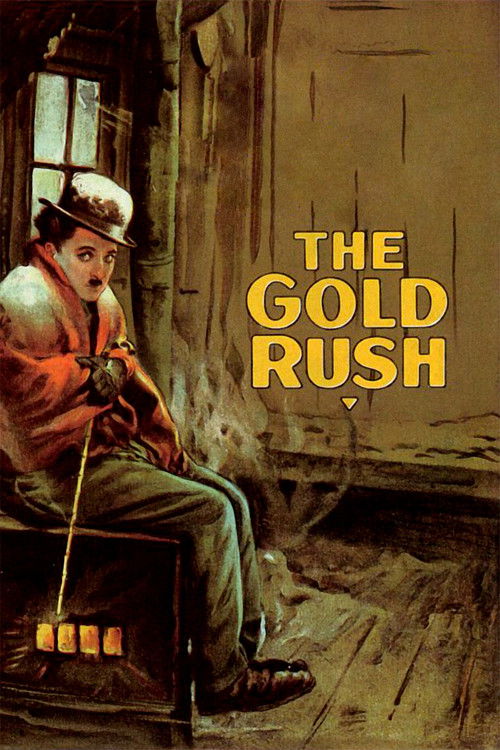
The Gold Rush1925
Chaplin in the Yukon during a gold rush, starving and desperate but driven by love and determination. It contains some of cinema's most iconic moments, including the Thanksgiving dinner scene. Funny and deeply moving.
But Chaplin's sentimentality can tip into mawkishness. The second half loses momentum compared to the first.
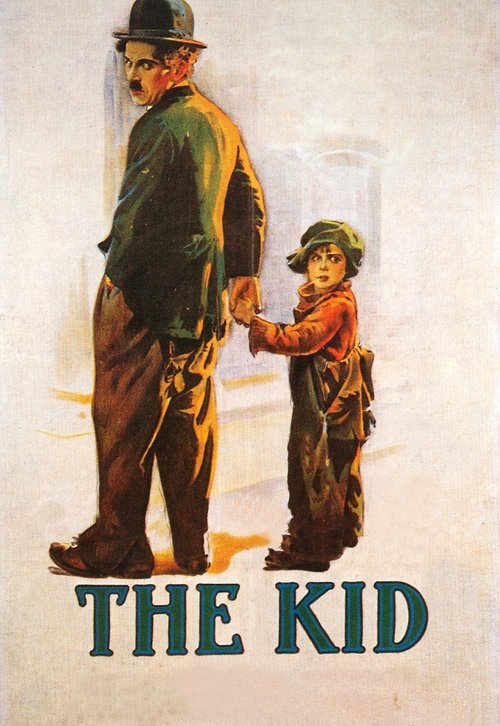
The Kid1921
Chaplin's first feature pairs him with a child actor in a story about poverty, redemption, and found family. It established that silent comedy could tackle real emotion without losing its humor.
But It's uneven—the dream sequence and the ending feel tacked on. The print quality varies depending on which restoration you watch.
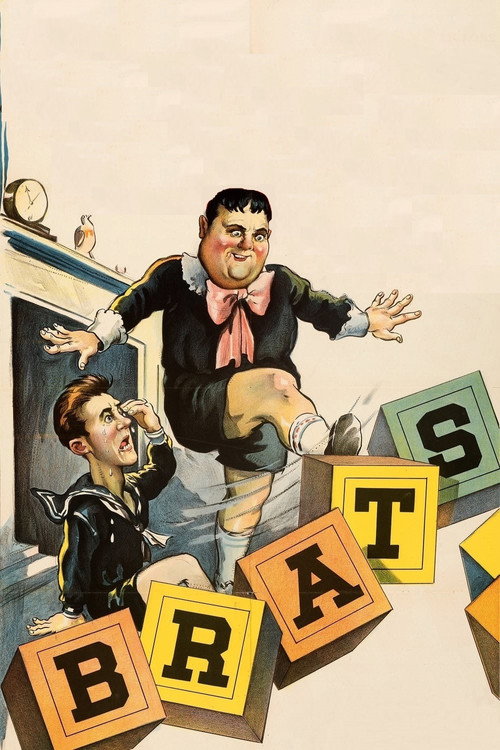
Brats1930
Keaton plays dual roles as a father and son in a single room, causing escalating chaos through doubles work and timing. It's a perfect short-form display of his technical mastery and deadpan reaction.
But It's only 20 minutes, and the entire premise is contained in one room. Some find the repetition exhausting rather than hypnotic.
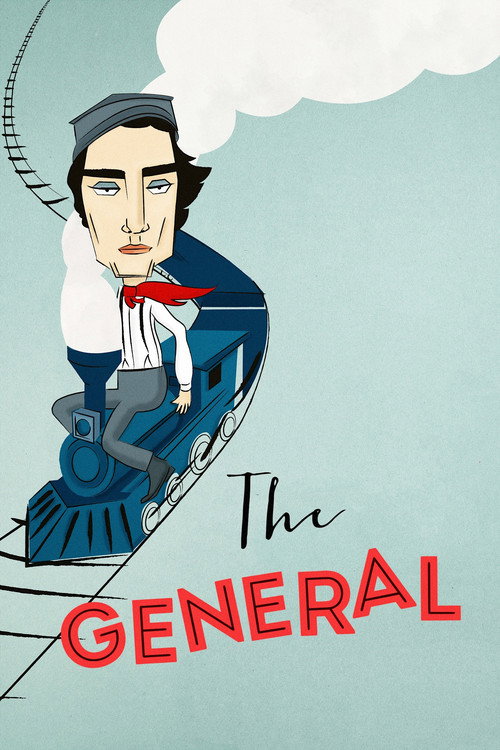
The General1926
Keaton pursues a stolen locomotive across the Civil War landscape. The stunts are genuinely dangerous, the scale is massive, and the final payoff is perfect. A masterclass in action comedy and visual storytelling.
But It's 80 minutes and episodic—if the middle doesn't hold your attention, the length feels it. Some find the pacing deliberate to the point of tedium.
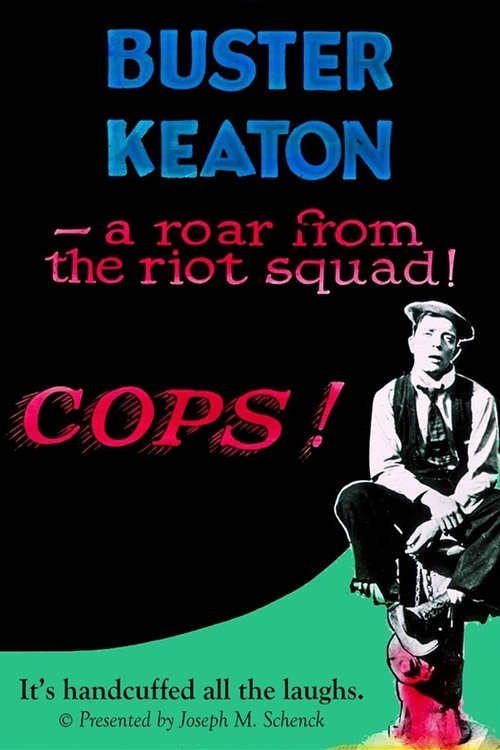
Cops1922
Keaton is chased through the streets of Los Angeles by the entire police force. It's ten minutes of pure escalating chaos, densely packed with gags that build to crescendo. Economical and brilliant.
But Being a short, there's no character or plot to hang onto. If you prefer narrative, this is all structure and no story.
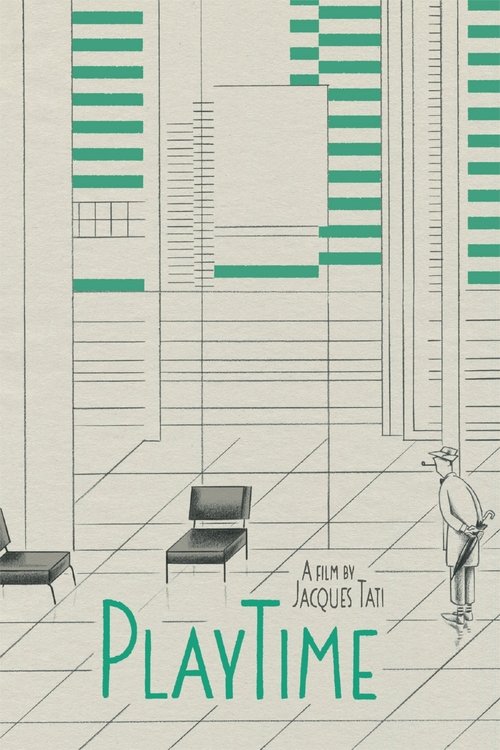
PlayTime1967
Both Keaton and Tati refuse to explain their gags. Both trust composition, timing, and the viewer's intelligence. Both find profound comedy in humans trying to master environments designed without them in mind.
Jacques Tati's Paris is a maze of modernist architecture and spatial comedy. Like Keaton, Tati trusts the audience's eye to find jokes in the frame without music or dialogue. It's a meditation on humans lost in incomprehensible spaces—a theme that echoes through The Navigator.
But It's 155 minutes of observational comedy with minimal plot. Tati's humor is glacial and requires patience. Modern viewers often find it slow and alienating.
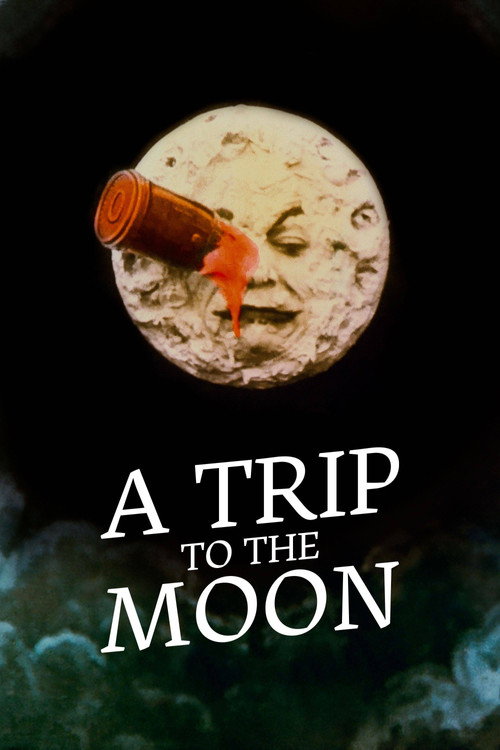
A Trip to the Moon1902
Both navigate fantastical vessels through impossible spaces. Both use production design as comedy. Both are love letters to cinema's visual language itself—showing off what's possible through the camera and editing.
Méliès' lunar fantasy predates Keaton but uses the same visual grammar—impossible machinery, voyages into unknown spaces, characters overwhelmed by their surroundings. It's the ancestor of what Keaton does, and seeing it alongside The Navigator shows how he inherited and perfected this tradition.
But It's 13 minutes of pure spectacle with no character development or emotional arc. If you need plot, you won't find it.
People
Cast
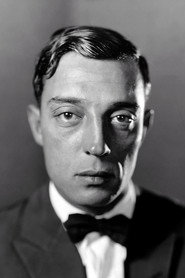 Buster KeatonRollo Treadway
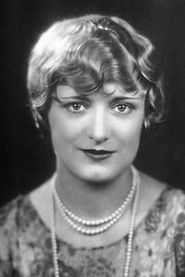 Kathryn McGuireBetsy O'Brien
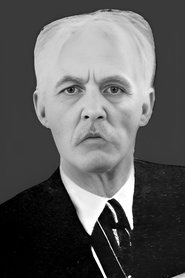 Frederick VroomJohn O'Brien
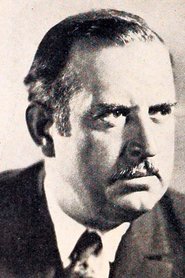 Clarence BurtonSpy (uncredited)
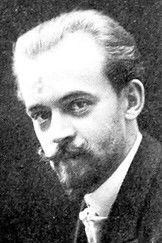 H.N. ClugstonSpy (uncredited)
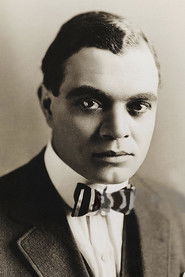 Noble JohnsonCannibal Chief (uncredited)
Directing
- Buster KeatonDirector
- Donald CrispDirector
Writing
- Clyde BruckmanWriter
- Jean C. HavezWriter
- Joseph A. MitchellWriter
Production
- Joseph M. SchenckExecutive Producer
- Buster KeatonProducer