
Film
The Kid Brother
Harold Lloyd's 1927 masterpiece finds his trademark everyman caught between family shame and romantic ambition in a small town. It's a tightly constructed comedy-drama that builds from modest domestic comedy into genuine action and pathos, with physical gags that still astonish. For anyone discovering silent film or seeking pure cinema craft—not nostalgia, but actual skill.
Should you watch it?
Watch it if you love silent comedy built on physical ingenuity, where a gag is set up patiently and then pays off with a precise, unexpected stunt that still lands almost a century later.
Skip it if you need dialogue, quick cuts or a brisk pace; the film takes its time with character and scenery, and its humour comes from stillness and waiting rather than from constant noise.
What it asks of you: Roughly eighty minutes of silent storytelling, so you read intertitles and watch faces and bodies closely, letting the gentle sentiment and slapstick build at their own unhurried rhythm.
Not sure? Find tonight's pick in a minute.
If you liked this
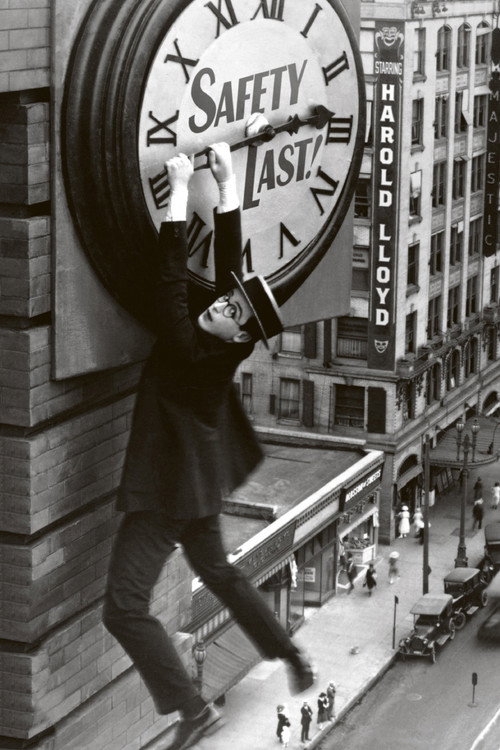
Safety Last!1923
Lloyd scaling a thirteen-story building remains the most audacious stunt-comedy ever filmed. It's funny, genuinely suspenseful, and a perfect introduction to what makes Lloyd essential cinema.
But The romantic plot is thin and dated; you're really here for the climbing sequence, which does take a while to reach.
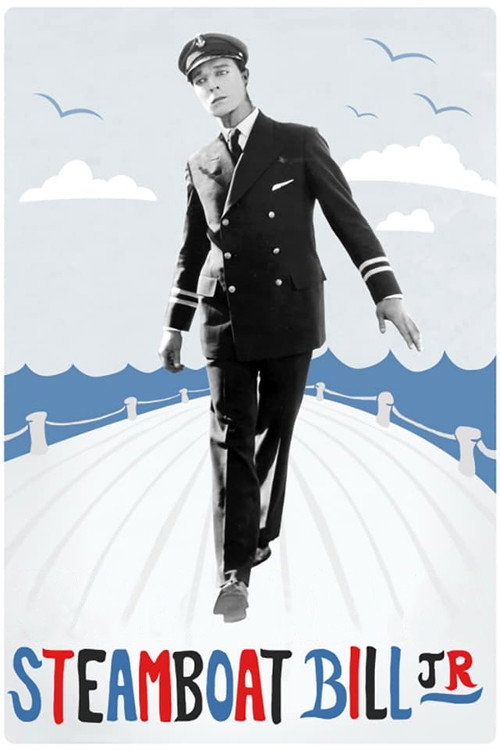
Steamboat Bill, Jr.1928
Buster Keaton's deadpan genius against a flood and a cyclone. It's funnier than The Kid Brother and technically dizzying—Keaton did his own stunts, and it shows in every impossible second.
But Keaton's emotional range is narrower than Lloyd's; this is pure comedy, no heart. Some gags feel mechanical if you're not tuned to his rhythm.
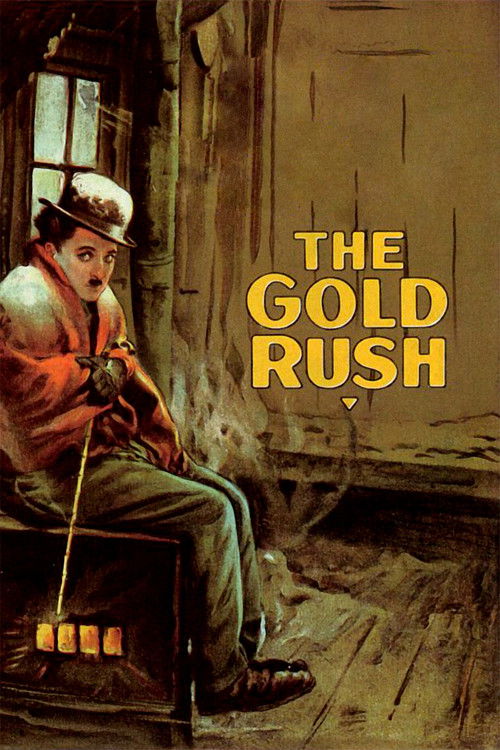
The Gold Rush1925
Chaplin's Tramp becomes a prospector. Mixing slapstick, pathos, and social commentary, it's the silent film most people already sense is a masterpiece—and they're right.
But Pacing is deliberate; the comedy spreads thin across a sprawling narrative. Chaplin's sentiment can tip into maudlin if you're not in the mood.
Not sure tonight? Get a pick in a minute, starting from The Kid Brother
The wildcard
Something you would not have found on your own.
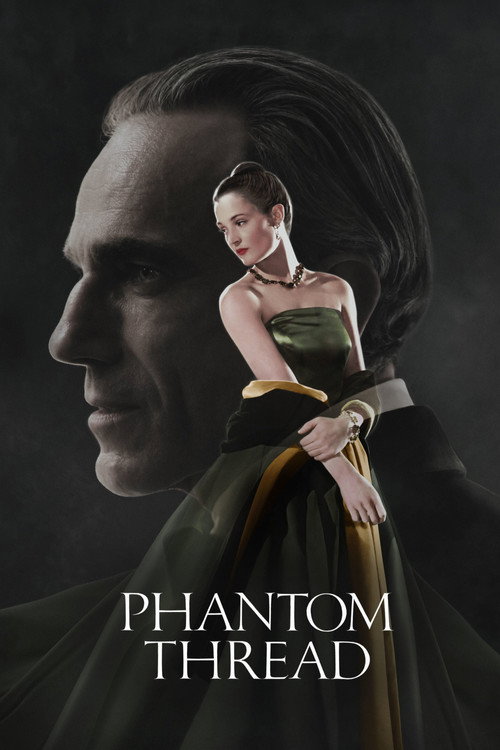
Phantom Thread2017
Both films are structured around a man's resistance to love and respect, and both locate their power in the precise moment when that resistance breaks. The emotional climax is earned through constraint, not explosion.
Paul Thomas Anderson's film about a London dressmaker and the woman who infiltrates his life. Like The Kid Brother, it's about a man protecting himself from vulnerability, and watching him crack open is exquisite.
But It's slow and mannered; if you want to know what happens plot-wise, you'll be frustrated. The power is entirely in subtext and performance.
More like this (8)
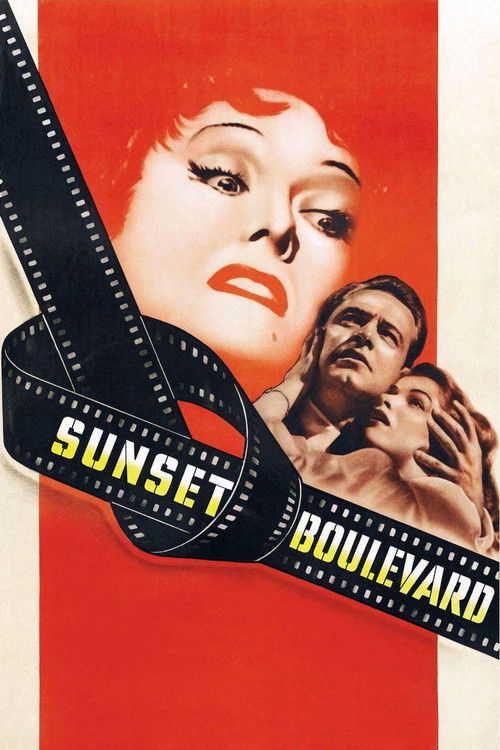
Sunset Boulevard1950
A cynical Hollywood story told by a dead man, narrated in voiceover, with Gloria Swanson as a silent-film star descending into delusion. It's noir, it's tragic, it's about movies eating people alive.
But The plot hinges on a relationship between a young man and an older woman that reads as exploitation, intentionally or not. It can feel airless and bitter.
Singin' in the Rain1952
Gene Kelly and Donald O'Connor in the most joyful musical ever made, celebrating the transition from silent to sound cinema. The dance numbers are rapturous; watching O'Connor is like watching someone discover flight.
But The plot is tissue-thin and slightly sexist in how it handles its female lead. You're here for movement and music, not story.

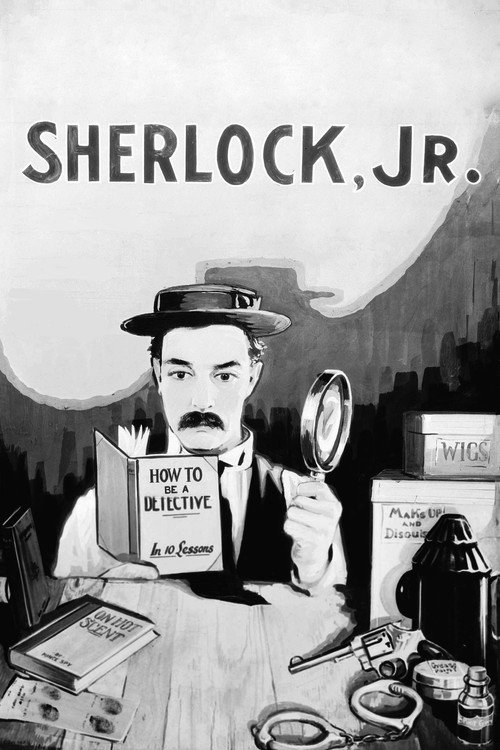
Sherlock Jr.1924
Keaton as a projectionist who dreams himself into a film. The narrative concept is dazzling, and Keaton's physical comedy inside the surreal dream logic is genuinely inventive.
But It's shorter and slighter than his best work, more experimental than fully realized. Some gags don't land.
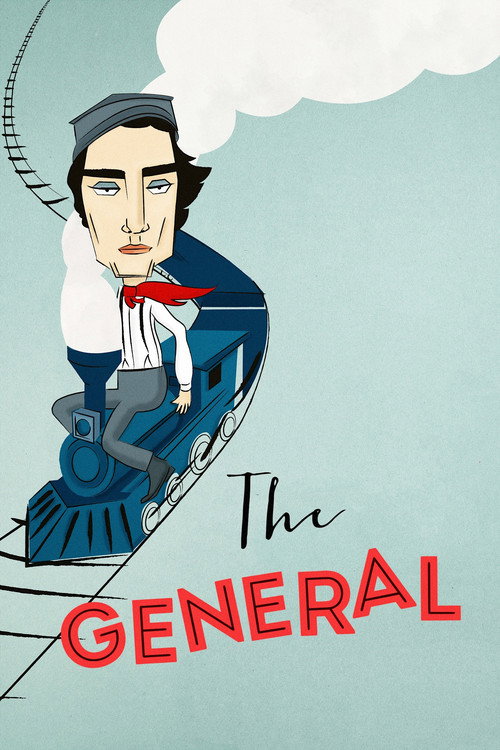
The General1926
Keaton as a Confederate train driver in the Civil War, performing increasingly deranged stunts with an actual locomotive. It's comedy as anarchic spectacle, and Keaton's blank expression facing disaster is hypnotic.
But The humor is sometimes mean-spirited; it takes a while to find its rhythm. Civil War framing feels thin.
The Phantom Carriage1921
A Swedish ghost story about redemption and class, mixing horror and sentiment. It's atmospheric, genuinely eerie, and proves silent cinema could do serious supernatural dread.
But The sentiment is heavy-handed by modern standards; the pacing is glacial. It demands patience and a particular mood.

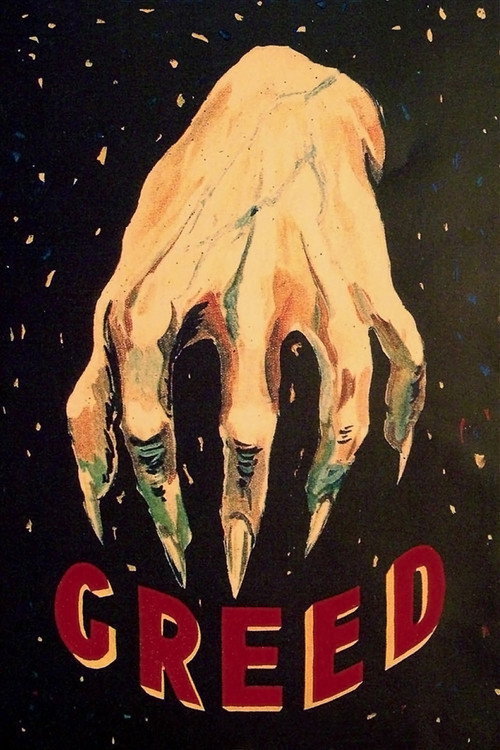
Greed1924
Erich von Stroheim's obsessive epic about money destroying a marriage, adapted from a naturalist novel. It's baroque, excessive, and visually stunning—filmmaking as fever dream.
But It's brutally long and punishing; the characters are mostly contemptible, and the philosophy is bleak. Not rewarding so much as *demanding*.
Stalker1979
Both films trust silence and physical space to carry meaning. The emotional truth lives in what characters *don't* say, in glances and small gestures. Both are about desire—what we want, what we're willing to risk, what wanting costs.
Tarkovsky's Russian science-fiction film about three men crossing a mysterious zone toward a room that grants wishes. It's meditative, philosophical, and utterly unlike anything else—cinema as metaphysical inquiry.
But It's 163 minutes of slow camera movements and people walking through landscapes. If you need plot momentum or conventional satisfaction, this will feel like punishment.

Mulholland Drive2001
Like The Kid Brother, it's about performance—the gap between who we pretend to be and who we are. But where Lloyd's film finds redemption in dropping the act, Lynch suggests the performance *is* the self. Both are about the cost of becoming someone else.
David Lynch's Los Angeles nightmare about actresses, doubles, and the machinery of Hollywood. It's gorgeous, disturbing, and structurally audacious—the ending recontextualizes everything.
But It's deliberately cryptic and refuses to explain itself. If you need clarity, you'll leave frustrated. Some viewers find the treatment of its female characters troubling.

People
Cast
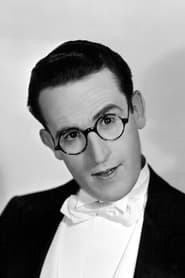 Harold LloydHarold Hickory
 Jobyna RalstonMary Powers
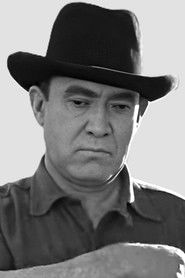 Walter JamesJim Hickory
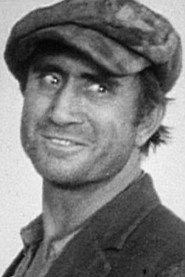 Leo WillisLeo Hickory
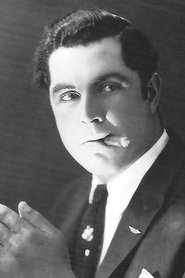 Olin FrancisOlin Hickory
 Constantine RomanoffSandoni
 Eddie Boland'Flash' Farrell
 Frank LanningSam Hooper
 Ralph YearsleyHank Hooper
- Mabel ShoultersHank's Mother (uncredited)
- Josephine the MonkeyMonkey (uncredited)
Directing
- Gaylord LloydAssistant Director
- J.A. HoweCo-Director
- Harold LloydDirector
- Ted WildeDirector
Writing
- Howard J. GreenScenario Writer
- John GreyScenario Writer
- Lex NealScenario Writer
- John GreyStory
- Ted WildeStory
- Thomas J. CrizerStory
Production
- John L. MurphyProduction Manager
Recommended by
Safety Last!, The General, Sherlock Jr., Steamboat Bill, Jr.