
Film
Bimbo's Initiation
- Comedy
- Relentless
A seven-minute fever dream of surreal horror-comedy where Bimbo is kidnapped by robed cultists and subjected to increasingly absurd and nightmarish trials. It's a showcase of early animation's unlimited imagination—grotesque, darkly funny, occasionally disturbing, often baffling. Essential viewing for anyone curious about how differently cartoons could function in 1931.
If you liked this
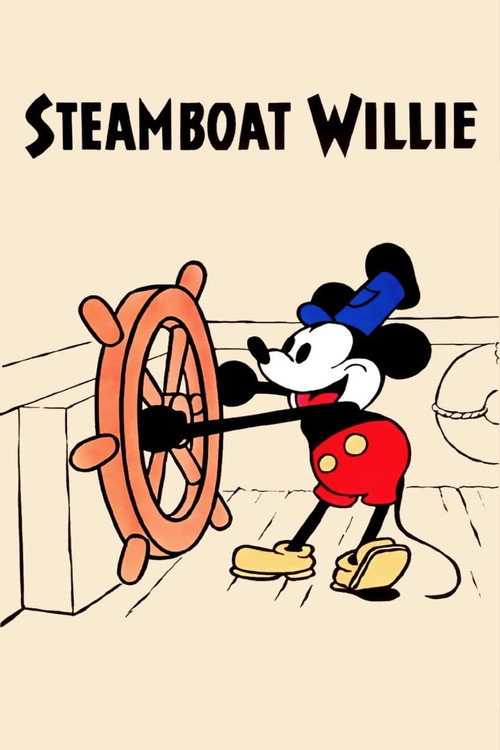
Steamboat Willie1928
Mickey's debut is similarly antic and anarchic, packed with visual gags and the same gleeful disregard for physics and logic. A foundation stone of animation that shows how playful the form was from the start.
But Seven minutes of early Disney can feel repetitive or exhaustingly frenetic if you're not attuned to silent-era pacing and comedy.
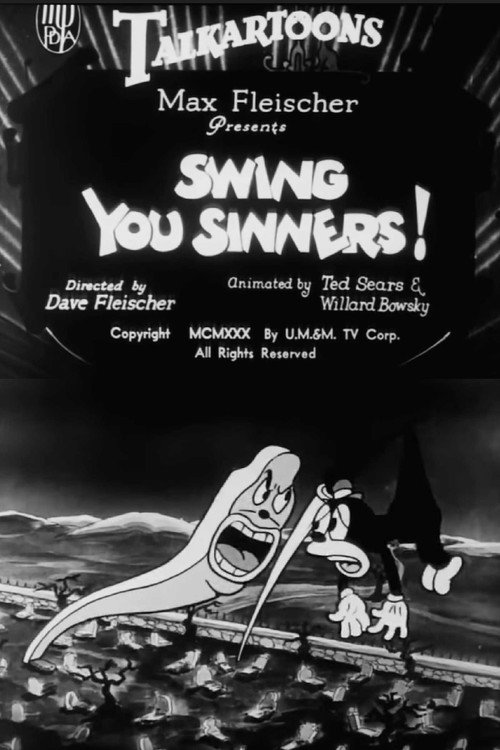
Swing You Sinners!1930
Another Fleischer cartoon from the same era with Bimbo, it shares the surreal horror-comedy DNA: grotesque imagery, nightmarish transformations, and a protagonist enduring cosmic punishment for minor transgressions.
But The animation is deliberately crude and the logic deliberately broken—what makes it brilliant can also make it disorienting or off-putting.
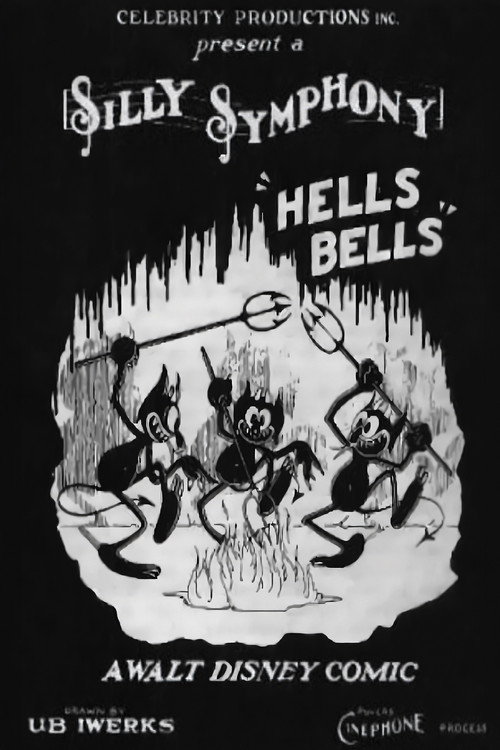
Hell's Bells1929
A Betty Boop prototype faces demons and satanic imagery in a dream sequence with similar grotesque imagery and unsettling-yet-funny tone. Shows how early cartoons played with the forbidden and surreal.
But The subject matter feels genuinely eerie rather than playful, and it's less clearly 'fun' than Bimbo's Initiation.
Not sure tonight? Get a pick in a minute, starting from Bimbo's Initiation
The wildcard
Something you would not have found on your own.
Häxan1922
Both use surreal visual horror-comedy to map the interior landscape of terror and initiation—how the mind breaks down when subjected to overwhelming, irrational assault.
A Swedish silent film mixing drama, documentary, and nightmare sequences about witchcraft and demonic possession. It uses grotesque imagery and surreal transitions to evoke how medieval minds experienced terror—exactly Bimbo's strategy, but in live-action and far more ambitious.
But It's hypnotic and disturbing rather than funny, nearly 90 minutes long, and genuinely unsettling. Not the vibe you get from a seven-minute cartoon.

More like this (6)
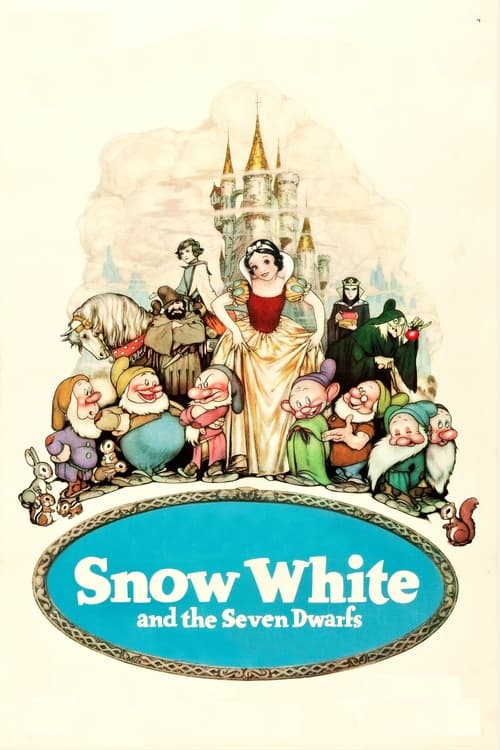
Snow White and the Seven Dwarfs1937
Disney's first feature proves animation could do genuine storytelling and emotion, but also shows how different the Fleischer approach was. A useful contrast that clarifies what made Fleischer cartoons so strange and vital.
But It's a different beast entirely—polished, narrative-driven, wholesome. You might watch it to understand the divide rather than for continuity.
The Phantom Carriage1921
A Swedish horror film that uses nightmare logic and surrealism in live-action the way Bimbo does in animation. Both films find cosmic punishment and dread to be genuinely funny in their visual excess.
But It's deadly serious in intent beneath the surrealism, and very slow by modern standards. The tonal whiplash might alienate you.

Nosferatu1922
German Expressionist horror with distorted imagery, grotesque figures, and a sense that the universe is hostile and irrational. The visual language influenced Fleischer's nightmarish cartoon logic.
But It's a genuinely frightening film without the humor. If you want Bimbo's Initiation for the comedy, this will feel like a hard left turn.

The Cabinet of Dr. Caligari1920
An Expressionist masterpiece about consent, control, and nightmare logic. Bimbo's experience mirrors Cesare's—trapped in someone else's will, navigating a hostile illogical world. Same DNA, different medium.
But It's a serious psychological horror film, and reading it alongside Bimbo changes the tone. Some find Expressionist acting hammy.

In the Mood for Love2000
Both films prioritize visual composition and repetition over narrative clarity—they build meaning through image, pattern, and the accumulation of moments rather than plot.
Wong Kar-wai's lush, meticulously composed meditation on longing and restraint uses color, symmetry, and recurring visual motifs to create meaning beyond plot. Like Bimbo, it trusts pure visual storytelling over exposition, though in an entirely different register.
But It's glacially paced, emotionally abstract, and gorgeous in a way that can feel cold. The opposite of Bimbo's frenzy.

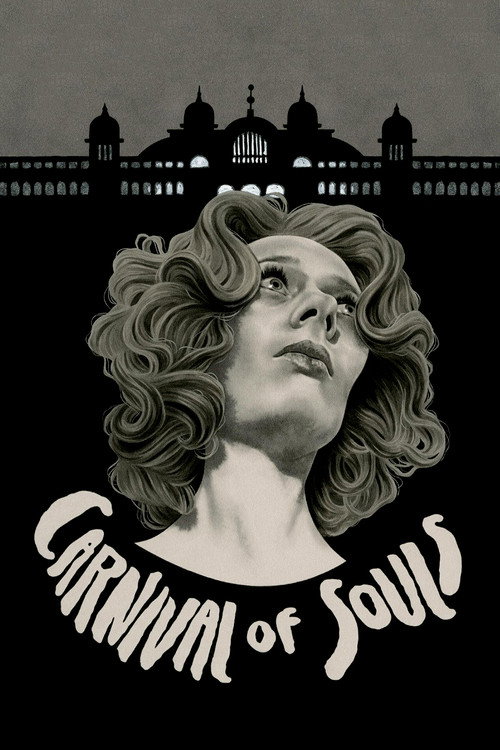
Carnival of Souls1962
Both trap their protagonist in a logic where the normal world has been invaded by the grotesque and hostile. Both use visual distortion to show consciousness unraveling.
A low-budget horror film where a woman experiences reality breaking down into nightmare logic, with grotesque imagery emerging from everyday spaces. It has Bimbo's dreamlike wrongness and sense of cosmic punishment, but in sustained dread rather than gags.
But It's grainy, slow, genuinely eerie, and offers no catharsis. Some find it pretentious or boring rather than unsettling.
People
Cast
 Billy MurrayBimbo (voice) (uncredited)
 Mae QuestelBetty Boop (voice) (uncredited)
Directing
- Dave FleischerDirector
Production
- Max FleischerProducer