
Film
The Scarecrow
- Comedy
- Light-hearted
A 19-minute silent comedy where two farmhands compete for a farmer's daughter's affection through increasingly absurd stunts and mishaps. Buster Keaton's deadpan physicality transforms mundane farm life into a cascade of perfectly-timed gags. It's pure visual storytelling—funny, inventive, and made when cinema was still learning what it could do.
Should you watch it?
Watch it if you love silent-era physical comedy built on inventive gadgets and split-second timing, where a gag is worked out with the precision of a machine and the star never once cracks a smile.
Skip it if you need a plot with real stakes or modern pacing; at nineteen minutes it is a brisk bundle of slapstick sketches, and the romance it sets up is more excuse than substance.
What it asks of you: Very little time and a willingness to watch closely, since the jokes arrive quickly and depend on mechanical setups that reward attention rather than any emotional investment.
Not sure? Find tonight's pick in a minute.
If you liked this
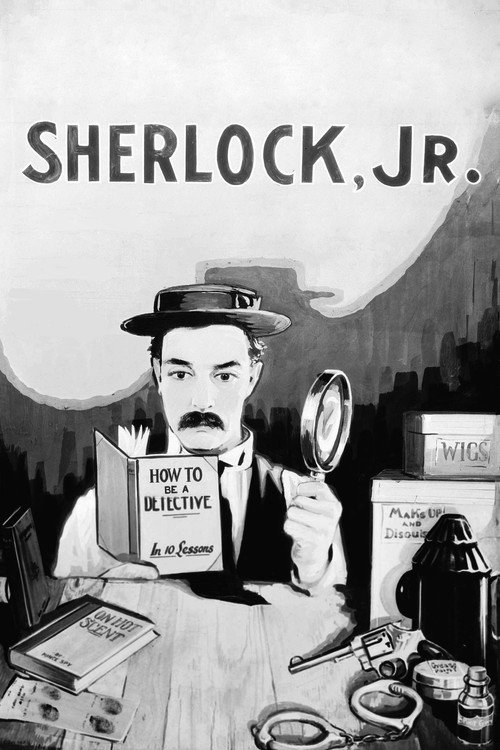
Sherlock Jr.1924
Keaton at his most ingenious, playing a projectionist who literally steps into a film. The stunts are breathtaking and the premise is endlessly clever—a meditation on cinema itself wrapped in laugh-out-loud comedy.
But Silent films can feel slow if you're used to dialogue-driven humor, and this one demands your full attention to appreciate the craft.
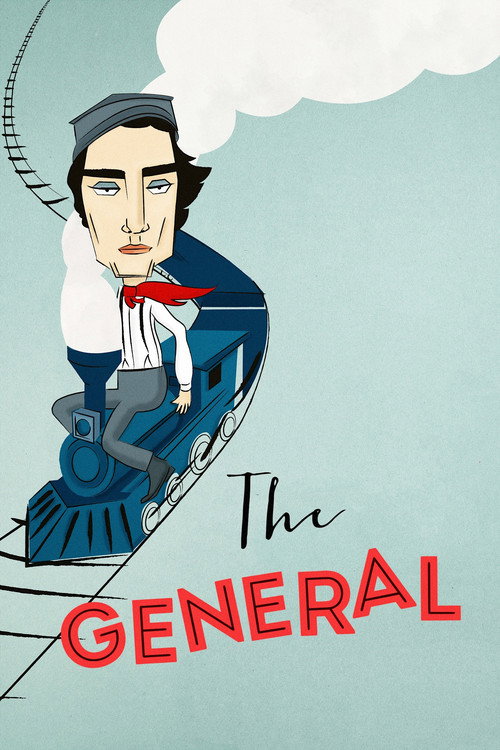
The General1926
Keaton's masterpiece: he performs impossible stunts on a moving locomotive while telling a Civil War story. The scale is grander than anything in The Scarecrow, but the same genius for finding comedy in physical reality drives it.
But Nearly 80 minutes of silent film with no romantic subplot to soften the pacing—it's all plot momentum and stunt work.
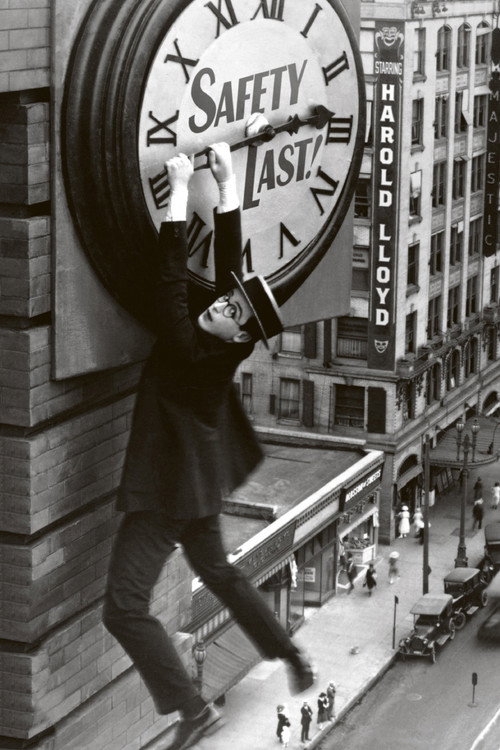
Safety Last!1923
Harold Lloyd climbing a building is one of cinema's iconic images, but the comedy surrounding it is equally brilliant. Lloyd's nervous charm contrasts beautifully with Keaton's impassiveness—different flavor, same era.
But The thrills rely on real vertigo and danger that can feel uncomfortable rather than fun if stunts make you anxious.
Not sure tonight? Get a pick in a minute, starting from The Scarecrow
The wildcard
Something you would not have found on your own.
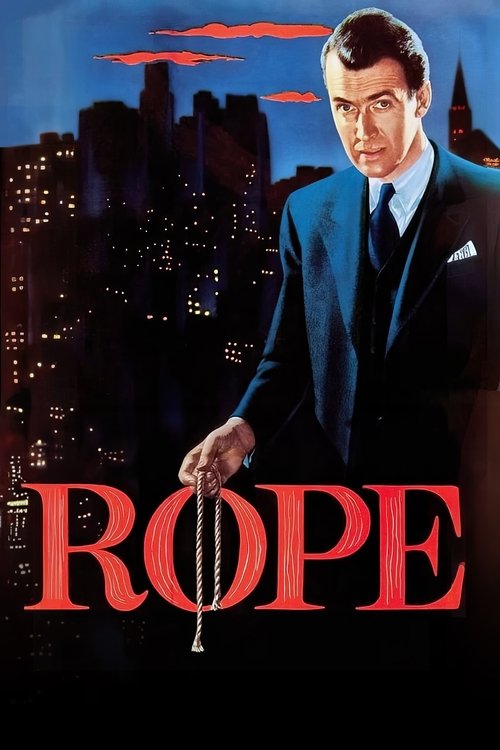
Rope1948
Both use extreme precision in editing and camera placement to create maximum impact from minimal elements; every frame has to work.
Hitchcock filmed in real-time with minimal cuts, making every moment count like Keaton's gags do—but in a thriller where precision and timing create dread instead of laughter. Same economy of cinema, different genre.
But It's a chamber piece with dated attitudes about sexuality, and some find the single-take gimmick more interesting than the story itself.
More like this (8)
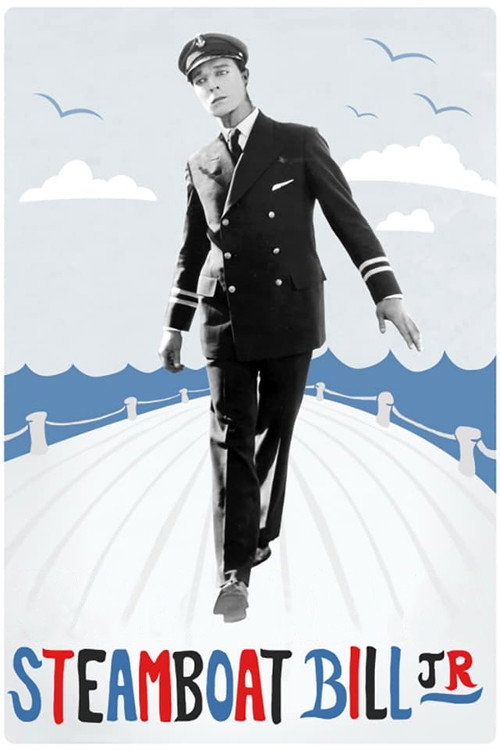
Steamboat Bill, Jr.1928
Keaton in a hurricane, performing stunts that still seem impossible. It's gentler in tone than The General but features sequences of pure visual comedy that influenced decades of filmmakers.
But The romance subplot is thin and feels tacked on, which might frustrate anyone wanting character depth.
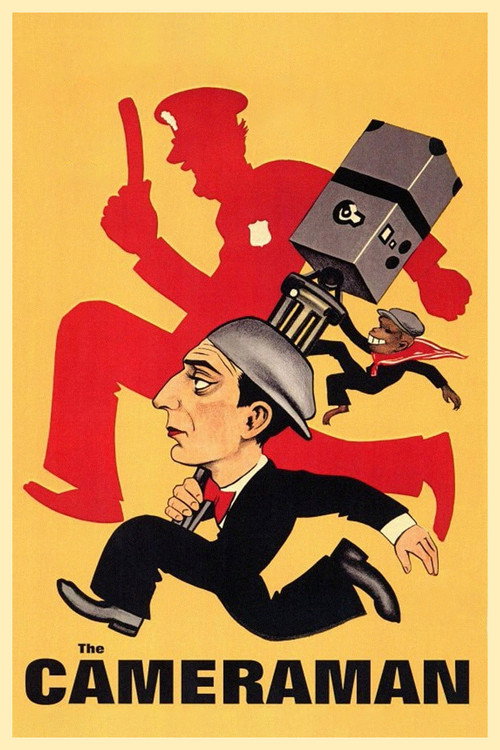
The Cameraman1928
Keaton plays a photographer trying to impress a newsreel editor. More plot-driven than earlier work, it shows his range while delivering inventive gag sequences and genuine pathos.
But It's longer and more story-focused, which some find dilutes the pure gag energy of his shorter films.
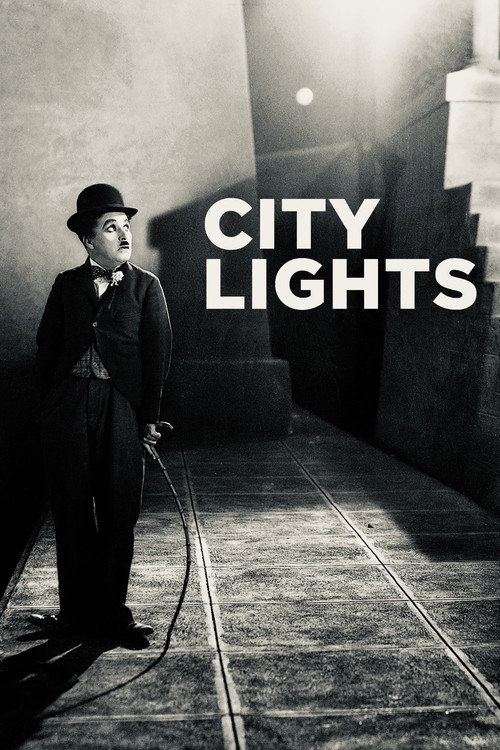
City Lights1931
Chaplin's contemporary take on silent comedy: romantic, funny, and surprisingly moving. If you loved Keaton's deadpan style, see how Chaplin's sentimentality approaches the same era differently.
But Chaplin's tramp is broadly sentimental where Keaton is austere; if you prefer Keaton's detachment, this might feel cloying.
Nosferatu1922
Not a comedy, but made in the same year as The Scarecrow using the same visual language. It proves what cinema could do with pure image and timing—horror instead of comedy, but same silent-era brilliance.
But It's genuinely creepy and atmospheric; if you want laughs, this is the opposite direction entirely.

The Phantom Carriage1921
A Swedish ghost story using visual effects and composition that rival anything Hollywood made. It's proof that silent cinema was global and inventive, not just American comedies.
But It's slow, meditative, and melancholic—there's no humor and it demands patience with early cinema's pacing.

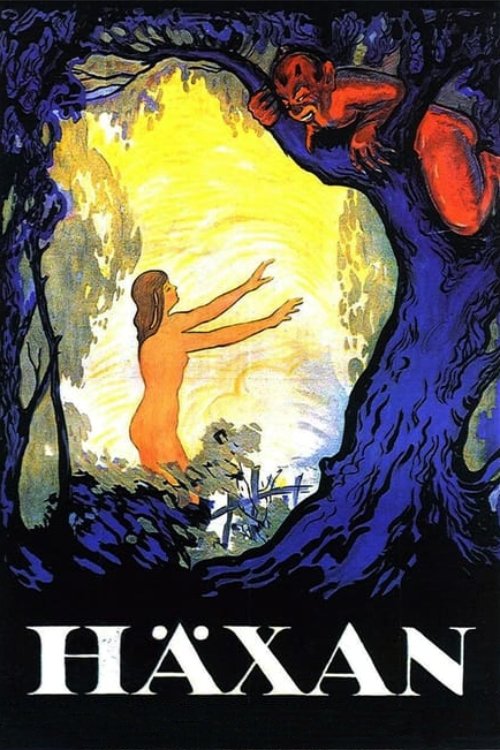
Häxan1922
A surreal documentary-fantasy about witchcraft that feels like watching someone's fever dream. Its visual imagination predates surrealism as a movement and uses silent cinema's freedom in wild, fascinating ways.
But It's bizarre, sometimes grotesque, and the narrative doesn't follow conventional logic—accessibility is not the goal.
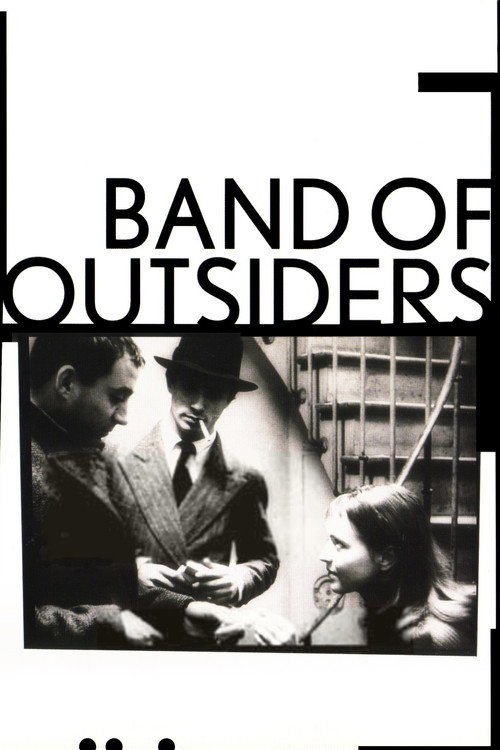
Band of Outsiders1964
Both are films that seem to be about plot but are really about the pleasure of movement, timing, and human bodies in space—cinema as its own subject.
Godard's French New Wave film about three small-time criminals planning a heist. It has Keaton's playfulness and physical comedy but in a modern, self-conscious register—youth, style, and the joy of cinema itself.
But It's deliberately artificial and has long stretches of dialogue in French; if you want straightforward narrative, this will frustrate you.
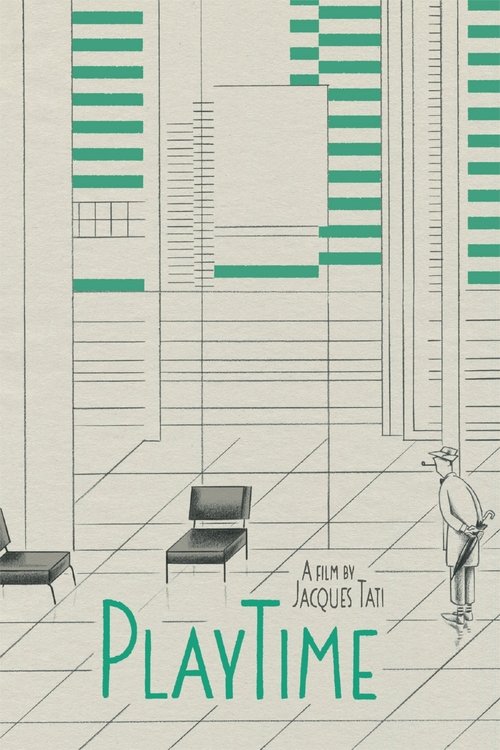
PlayTime1967
Both filmmakers build entire worlds where comedy emerges from precise physical performance and mise-en-scène rather than jokes—cinema as architecture.
Jacques Tati's masterpiece: 124 minutes in a Paris constructed entirely on soundstages, full of slapstick and visual gags happening simultaneously across the frame. It's Keaton's spirit translated to color and a vastly bigger canvas.
But It's long, dialogue is minimal and in multiple languages, and the humor is so distributed across the image that you'll miss things—it requires active watching.
People
Cast
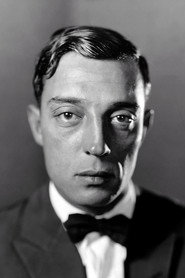 Buster KeatonFarmhand
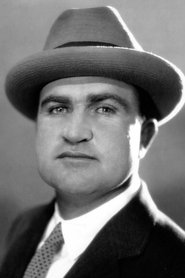 Edward F. ClineHit-and-Run Truck Driver (uncredited)
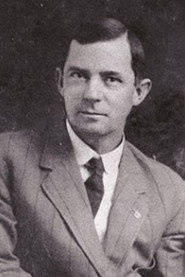 Joe KeatonFarmer (uncredited)
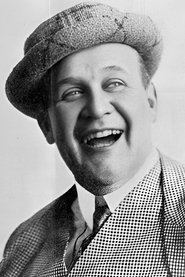 Joe RobertsFarmhand (uncredited)
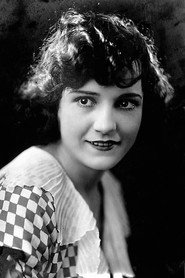 Sybil SeelyFarmer's Daughter (uncredited)
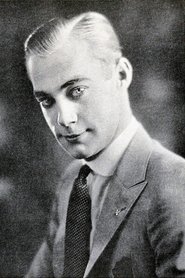 Al St. JohnMan with Motorbike (uncredited)
Directing
- Buster KeatonDirector
- Edward F. ClineDirector
Writing
- Buster KeatonWriter
- Edward F. ClineWriter