
Film
Old Mother Riley Overseas
- Comedy
- Light-hearted
A 1943 British music-hall comedy where Old Mother Riley, a sharp-tongued Dublin charwoman, ends up in wartime Portugal after being swindled out of her pub license. Arthur Lucan's drag performance is the show—a loud, physical, endlessly inventive character who steamrollers through every scene. It's broad, silly, and made for audiences who wanted noise and laughs during the war.
If you liked this
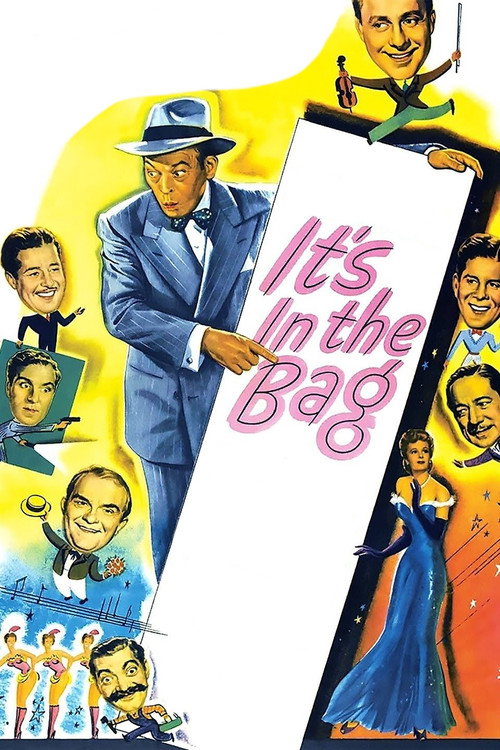
It's in the Bag!1945
Fred Allen's rapid-fire comedy vehicle about an estate sale, stuffed with guest stars and sketch-comedy energy. Fast-paced vaudeville chaos translated to screen, built on personality and timing rather than plot.
But Allen's style of comedy—heavy on wisecracks and cultural reference—feels dated to modern ears. The film moves so fast it sometimes trips over itself.
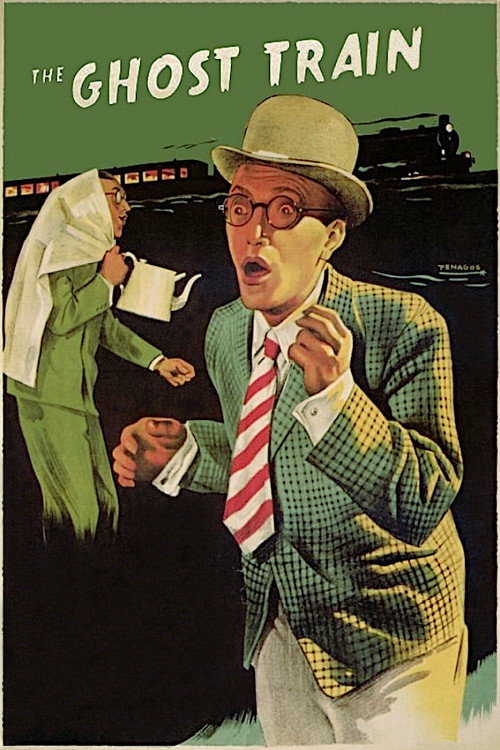
The Ghost Train1941
Another British wartime comedy with similar music-hall DNA: a train full of eccentrics, running gags stacked on running gags, and a spirit of 'make the best of chaos.' The ensemble cast keeps it moving.
But The plot barely exists and exists only as scaffolding for bits. If you need story, you'll be frustrated by hour's end.
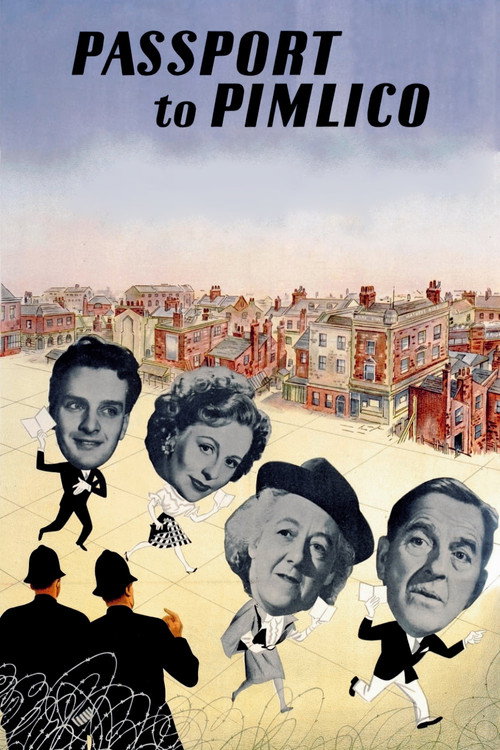
Passport to Pimlico1949
Ealing's postwar gem about Londoners discovering their street is technically Dutch territory. Sharp writing, real comic timing, and a warmth beneath the chaos. Proof that British comedy could be clever and generous at once.
But It's gentler and more thoughtful than the music-hall chaos of Riley's era. If you want pure noise, this has too much heart.
Not sure tonight? Get a pick in a minute, starting from Old Mother Riley Overseas
The wildcard
Something you would not have found on your own.
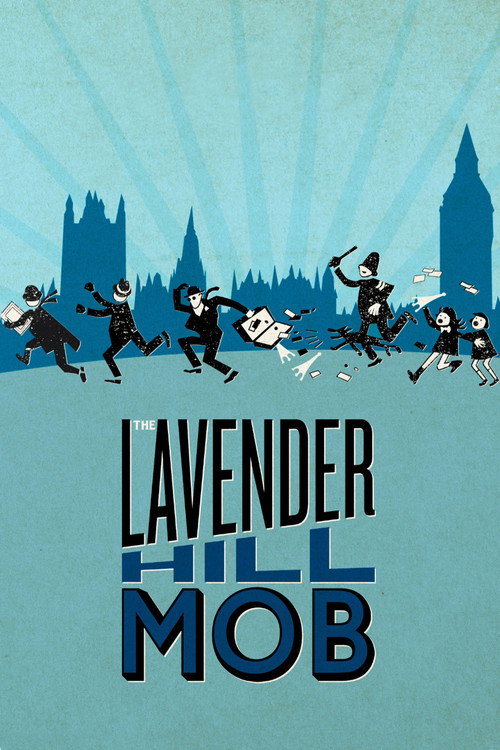
The Lavender Hill Mob1951
Both are British comedies built on physical performance and ensemble silliness, but Mob is what happened when that tradition learned to write.
Ealing again, but this time the chaos is caper-shaped and the stupidity is affectionate. Small men doing a big heist, built on the same British music-hall energy as Riley but with a script by T.E.B. Clarke that actually *means* something.
But It's eight years later and the style has evolved. The post-war British smile is gentler, less desperate. You might find it smarter and less fun.
More like this (7)
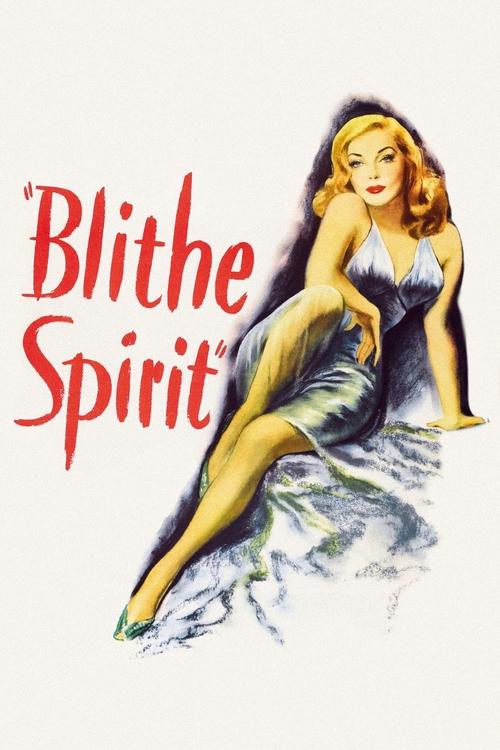
Blithe Spirit1945
Noël Coward's supernatural comedy about a man haunted by his first wife. Faster dialogue, higher sophistication, but the same era's British gift for making absurdity feel inevitable and funny.
But It's a writer's comedy, built on wit rather than physical performance. The register is completely different from Riley's rougher music-hall energy.
Brief Encounter1945
Coward again, this time serious—a film about stolen moments and impossible love. Same year as Riley, same British sensibility, but the tonal opposite: proof that cinema was doing more than one thing in 1943-45.
But It's romance and melancholy, not comedy. Including it is like saying 'try this completely different genre.' Which is sort of the point.

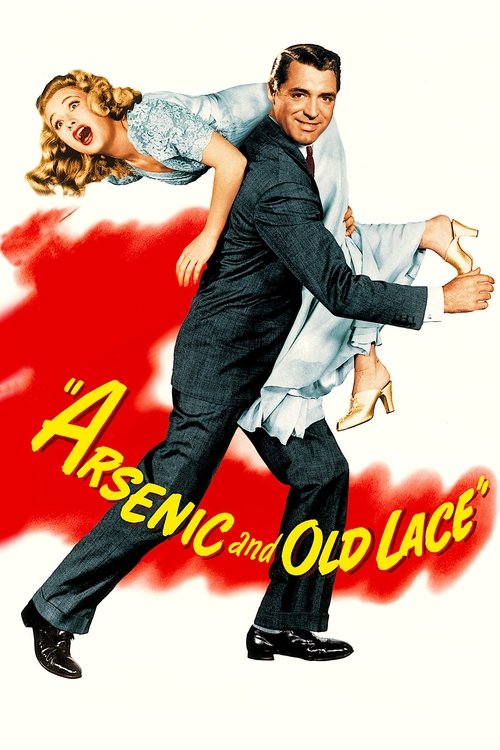
Arsenic and Old Lace1944
Cary Grant screaming at sweet old ladies who poison men. Madcap energy, theatrical hysteria, and a plot that accelerates toward total chaos. American cousin to Riley's British noise.
But The hysteria can wear thin. Grant's performance is exhausting by design, and that exhaustion is sometimes the only joke.
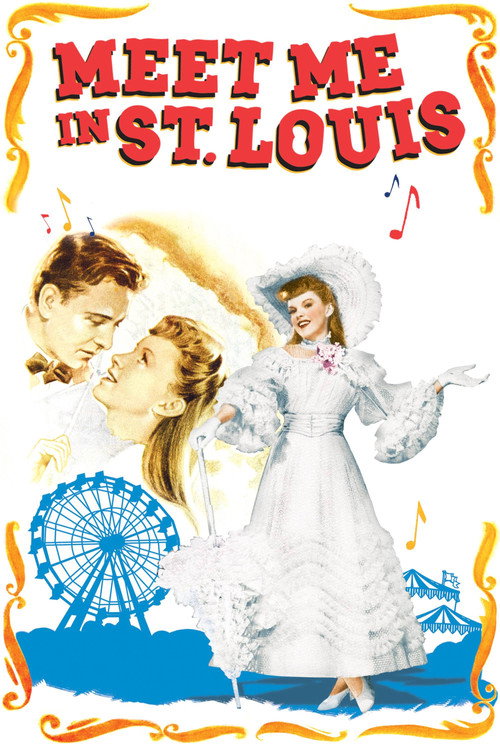
Meet Me in St. Louis1944
A musical about an American family's year, made with such warmth and craft that it defines how cinema entertainment *should* feel. Completely different from Riley, but from the same moment in history.
But It's sincere. There's no satire, no edge, no drag performance. If you come for the chaos, this will feel like watching paint dry.
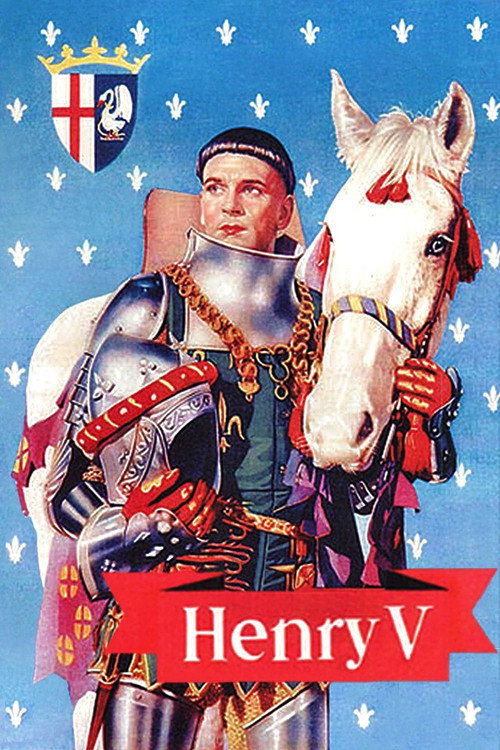
Henry V1944
Laurence Olivier's Shakespeare, made during the war as propaganda and art simultaneously. Proof that 1944 British cinema could swing between Old Mother Riley and this—both made for the same audiences in the same moment.
But It's three hours of historical drama and poetry. The only noise is orchestral. It could not be further from Riley's vaudeville chaos if it tried.
The Phantom Carriage1921
Both films rest entirely on the performance of a single character—Lucan and Kinson's physicality as the ghost are the only subject matter. Different moods, same architecture.
A Swedish ghost story—supernatural, genuinely eerie, structured as a chain of moral tales. Silent film expressionism: nothing like Riley's noise, but built on the same principle of a performer carrying the entire frame through force of presence.
But It's silent, it's 80 minutes of gloom, and it takes itself seriously. If you want the sound and the laughs, this will feel like punishment.

Singin' in the Rain1952
Both celebrate vaudeville and music-hall performance as pure entertainment. One's a drag act in wartime, the other's an ideal of what the form could be—a lineage, not a copy.
Gene Kelly and Donald O'Connor in the greatest American musical ever made. Joyous, physical, technically perfect, and designed to make you stupid-happy. Vaudeville energy translated into dance and song.
But It's American, lavish, and sincere in ways Riley never attempts. The technical polish might make the rawer British comedy feel quaint by comparison.

People
Cast
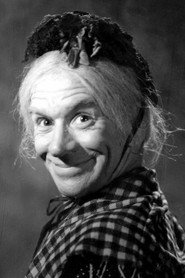 Arthur LucanOld Mother Riley
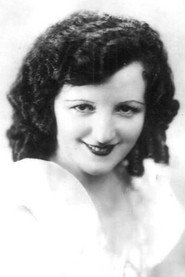 Kitty McShaneKitty Riley
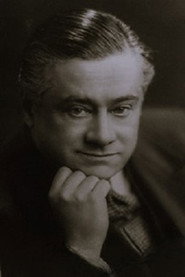 Morris HarveyBarnacle Bill
- Fred KitchenPedro Quentos

Directing
- Oswald MitchellDirector